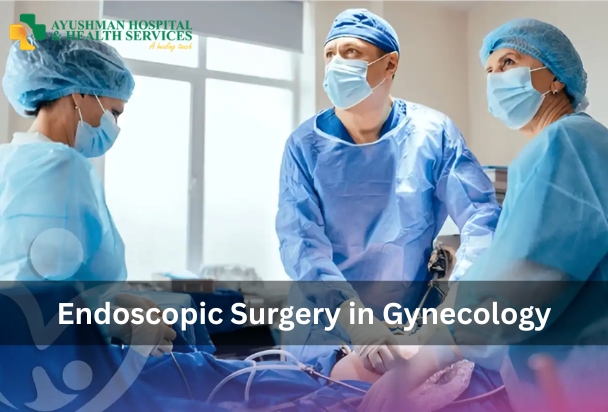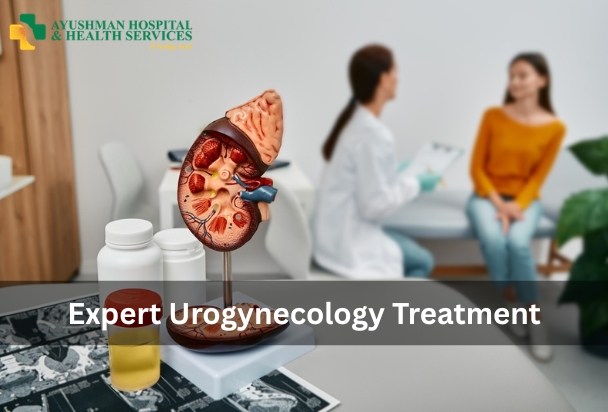


Urogynaecology is a subspecialty of gynaecology and urology that focuses on diagnosing and treating disorders of the female pelvic floor. These include bladder problems, urinary incontinence, prolapse, and other conditions that affect daily life. It combines medical, surgical, and endoscopic techniques to restore women’s comfort, function, and quality of life.

Choose Trusted Urogynaecology Services in Dwarka, Delhi at Ayushman Hospital and Health Services. At Ayushman, we make sure to make proper diagnosis through advanced imaging, urodynamic testing, and minimally invasive endoscopy. Our expert urogynaecologists collaborate with urologists, gynaecologists, and physiotherapists for comprehensive, tailored treatment. 

Who Needs to See a Urogynaecologist?

  • Women experiencing persistent urinary leakage should seek urogynaecological care.
  • Women with pelvic heaviness, a bulging sensation or discomfort should seek out a specialist. 
  • Women who experience bladder control issues postpartum or after pelvic surgery need focused treatment for their pelvic floor.
  • Women experiencing painful intercourse, pelvic pain, or post-menopausal pelvic concerns should consult a urogynaecologist.

Common Pelvic Floor Disorders Urogynaecologists Treat

  • Urinary Incontinence 

This involves leakage of urine without control, especially while coughing, sneezing, or during activities such as exercise. Urinary incontinence can happen because of weak pelvic muscles, a birth injury, or aging. Treatment may include pelvic floor therapy, medications, and surgical procedures, such as sling surgeries.

  • Pelvic Organ Prolapse 

Prolapse occurs when pelvic organs, such as the bladder, uterus, or rectum drop into the vaginal canal. Its symptoms range from pressure, heaviness, or a bulge in the vagina. Prolapse can be managed by options such as lifestyle changes, pessaries or a minimally invasive reconstructive surgery.

  • Overactive Bladder (OAB) 

OAB involves the constant feeling of needing to urinate, often with little or no warning, which can result in nocturia (frequent urination at night), constant interruptions to your daily activities, and a significant decrease in quality of life.  OAB can result from nerve signalling dysfunction, hormonal changes, or irritation of the bladder. Treatment for OAB can include bladder training, medications, and options such as Botox injections to relax the muscle of the bladder. 

  • Fistulas (Vesicovaginal/Rectovaginal) 

Fistulas are abnormal openings between 2 pelvic organs, usually following significant childbirth injury or surgeries. These can cause urine or stool to leak through the vagina, which in turn can lead to further complications, including infections, or cause embarrassment to the woman. Urogynaecologists usually treat fistulas through surgical repair.

  • Chronic Urinary Tract Infection

Frequent urinary tract infections are often a sign of an underlying pelvic floor or bladder problem. UTIs may cause a burning sensation, frequent urges to urinate, and occasional pelvic discomfort. Urogynaecologists will usually be able to identify the underlying causes of recurrent infections and may offer preventive therapies or corrective surgery.

  • Pelvic Floor Dysfunction (PFD)

PFD occurs when pelvic muscles do not function properly, resulting in pain and/or difficulty with bladder or bowel control. This may develop following childbirth, surgical procedures, or physical injury. Treatment can include physiotherapy, biofeedback, and, if indicated, minimally invasive procedures.

Why Choose Trusted Urogynaecology Services in Dwarka, Delhi?

At Ayushman Hospital and Health Services, we provide trusted Urogynecology Services in Dwarka, Delhi, to support women dealing with pelvic floor and bladder-related health concerns. Our team of expert urogynecologists, gynecologists, and uro-surgeons ensures advanced diagnosis and treatments to restore each and every woman’s well-being.


Our patients receive medication, pelvic floor therapy, minimally invasive surgery, and lifestyle guidance for long-term relief. At Ayushman, we have advanced facilities, modern surgical techniques, and a multidisciplinary team approach for women’s best-in-class pelvic health.

Book Your Appointment Today!
Don’t let urogynaecological problems affect your quality of life. Choose Ayushman for trusted, patient-centered Urogynecology care in Dwarka, Delhi.

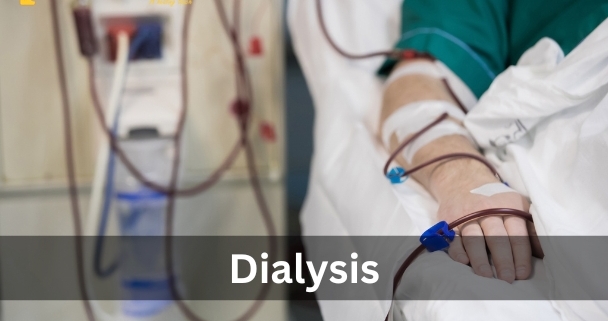
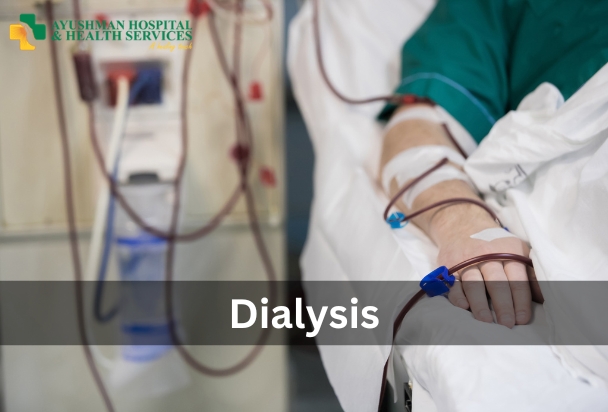
Kidney Dialysis is a critical medical procedure designed to perform the essential functions of the kidneys, like filtering and cleaning the blood to remove waste products and excess fluid when kidneys can no longer work effectively. Dialysis helps patients maintain a healthy chemical balance and prevent life-threatening complications. It is a life-sustaining treatment for people with kidney failure, also known as end-stage renal disease.

Choose comprehensive kidneys dialysis care in Dwarka, Delhi, for the most trusted dialysis procedure at Ayushman Hospital and Health Services. For patients awaiting a kidney transplant, dialysis sustains life and keeps other organs functioning optimally. Our specialists and team work closely with dietitians, vascular surgeons, and other specialists to provide holistic patient care, ensuring both safety and comfort during the dialysis procedure.

Why Is Kidney Dialysis Done?

Kidney Dialysis is prescribed by nephrologists when kidney function falls below 10–15% of normal capacity, which is considered a dangerous level. Dialysis is often necessary for individuals with chronic kidney disease, acute kidney injury, or related health complications. Without dialysis in patients who require it, harmful waste products build up in the body, which can lead to swelling, weakness, confusion, and potentially life-threatening complications like heart failure.

Why Is Dialysis Required?

Dialysis helps patients live longer, healthier lives despite kidney failure. It is useful to:

  • Eliminate toxic waste and excess fluid from the blood before they cause harmful accumulation in the body.
  • Support optimal heart health by stabilising blood pressure, helping lower the risk of heart-related complications.
  • Decrease symptoms such as swelling, shortness of breath, and weakness, enhancing general comfort.
  • Maintain healthy heart function and blood pressure, reducing the risk of cardiovascular complications.
  • Enable patients to continue daily activities with improved energy levels and fewer physical limitations.

Types of Dialysis

1. Hemodialysis

Hemodialysis involves the use of a machine and a dialyzer to purify the blood. The patient’s blood is pumped from the body into the machine, cleaned, and returned. It is typically performed three times a week at a hospital or dialysis center, with each treatment lasting 3–5 hours.

2. Peritoneal Dialysis

Peritoneal dialysis uses the lining of the patient’s abdomen (peritoneum) as a natural membrane. A special cleansing fluid is introduced into the abdominal cavity via a catheter, which absorbs waste products and is then drained out. It can be administered at home, is more flexible, and is generally done on a daily basis.

3. Continuous Renal Replacement Therapy (CRRT)

CRRT is a slow and continuous form of dialysis for critically ill patients, frequently performed in an intensive care unit. It gradually removes fluid and waste over 24 hours with minimal stress on the blood vessels and heart. It is particularly suited for unstable patients who cannot tolerate traditional hemodialysis.

Who Needs Dialysis?

  • Chronic Kidney Disease (CKD) Patients

People with progressive kidney damage caused by diabetes or hypertension, where damage occurs over months or years, may eventually require dialysis in the later stages of the disease to control symptoms and prevent life-threatening complications.

  • End-Stage Renal Disease (ESRD) Patients

In ESRD, there is less than 10–15% normal kidney function remaining. Dialysis acts as a life-sustaining treatment until a kidney transplant is received. Most patients require multiple sessions of dialysis each week to survive.

  • Patients Awaiting Kidney Transplant

Dialysis also serves as a bridge therapy for patients awaiting surgery. Maintaining stability through dialysis during this waiting period improves transplant success rates.

  • Severe Metabolic Imbalance Cases

The presence of life-threatening hyperkalemia, severe acidosis, or fluid overload not responding to medications are indications for urgent dialysis. Most often these patients require immediate hospital-based dialysis to stabilize life-threatening conditions.

Why Choose Comprehensive Dialysis Care in Dwarka, Delhi?

Dialysis is a highly precise, ongoing treatment that requires medical accuracy and strict hygiene standards. We recommend you choose Ayushman Hospital and Health Services for trusted comprehensive dialysis care in Dwarka, Delhi, as it ensures:

  • Access to the latest dialysis technology
  • Highly trained and certified staff
  • Reduced risk of infection or complications
  • Personalized treatment plans
  • Integrated care for complicated conditions

Start Your Dialysis Journey Today

Start your journey to improve kidney health with innovative dialysis treatment at Ayushman Hospital. Our specialist nephrologists and professional nursing staff guarantee safe, comfortable, and effective treatment tailored to your needs. Arrange your appointment today and benefit from the best standards of care in an established hospital.

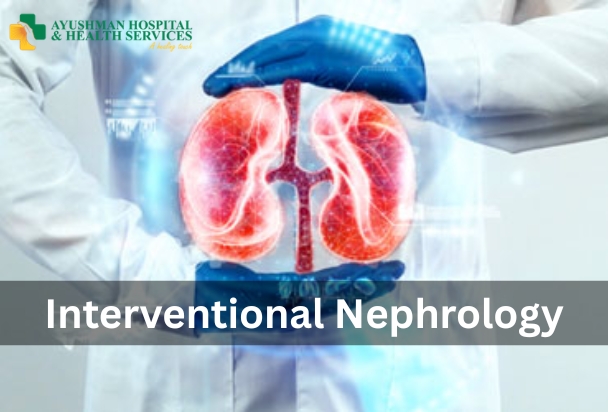
Interventional nephrology is a rapidly developing subspecialty of kidney care dedicated to carrying out minimally invasive, image-guided procedures for the diagnosis and treatment of kidney-related diseases. Several procedures, including vascular access for dialysis or kidney biopsies, were formerly handled by surgeons or interventional radiologists. Today, interventional nephrologists combine advanced procedural skills with in-depth knowledge of kidney diseases, enabling them to provide faster, more comprehensive, and patient-focused care.

Choose Advanced Interventional Nephrology in Dwarka, Delhi, from Ayushman Hospital and Health Services for best-in-class interventional nephrology treatment. Here, we provide complete kidney care in one location with advanced diagnostics for evaluation, minimally invasive treatments, and experienced nephrologists for safe and high-quality outcomes.

What Is Interventional Nephrology?

Interventional nephrology brings the diagnosis, treatment, and ongoing management of kidney disease together by allowing nephrologists to perform specialized procedures for their patients. This is especially relevant for patients who have end-stage renal disease (ESRD) and rely on renal replacement therapy or dialysis. These interventional techniques are minimally invasive compared to major surgery, have fewer complications, and allow for a quicker recovery.

Common Procedures in Interventional Nephrology

  • Arteriovenous (AV) Fistula and Graft Construction

An AV fistula or graft is a surgically created connection between an artery and a vein for reliable access to dialysis. A fistula utilizes native vessels while a graft uses soft plastic tubing. Both are created for long-term use and are associated with fewer complications.

  • Angioplasty

Angioplasty utilizes a small balloon to open narrow, tightened, or blocked blood vessels. This improves blood flow in the dialysis access area and helps ensure more effective dialysis without the need for major surgery.

  • Kidney Biopsy

A kidney biopsy removes a small sample of tissue from the kidney using ultrasound guidance. It helps diagnose the cause of kidney issues and monitor treatment progress. It is fast, precise, and safe.

  • Percutaneous Nephrostomy

This procedure places a tube through the skin into the kidney to drain urine when the normal flow is obstructed. It decompresses the kidney, prevents infection, and preserves kidney function.

  • Kidney Stone Treatments

Kidney stones are treated with procedures such as shock wave therapy, small scopes, or minor surgical approaches. These break or remove stones without major surgery, enabling quicker and less painful recovery.

Benefits of Interventional Nephrology

Nephrologist-led procedures bring multiple advantages:

  • Shorter hospital stays and quicker access to procedures: Minimally invasive procedures usually reduce hospital stay and provide patients with timely intervention without unnecessary delays.
  • Reduced potential for complications: Compared to traditional surgery, techniques used in interventional nephrology involve less trauma to the body.
  • Faster return to normal living: With shorter recovery times, patients can return to work, family obligations, and other daily activities sooner.
  • Improved dialysis experience: Timely creation, repair, or maintenance of vascular access allows for more seamless treatment and improved overall dialysis outcomes.
  • Preservation of kidney health in some cases: Prompt identification and intervention can preserve kidney function for longer periods and ultimately improve quality of life.

Why Choose Advanced Interventional Nephrology Care in Dwarka, Delhi?

Interventional nephrology involves advanced, minimally invasive procedures to manage kidney diseases and dialysis-related needs with precision and safety. Choosing Ayushman Hospital and Health Services for Advanced Interventional Nephrology Care in Dwarka, Delhi, offers:

  • Availability of advanced imaging and interventional technologies for safer, faster care.
  • A multi-disciplinary team including nephrology, urology, and interventional specialists.
  • Fewer complications and faster recovery compared to traditional surgery.
  • Customized treatment plans that consider each patient’s unique needs.
  • Comprehensive kidney care from diagnosis to post-procedure recovery.

Schedule a Visit Today!

Improve the health of your kidneys with interventional nephrology services from Ayushman Hospital and Health Services. Our experienced professionals, modern facilities, and patient-centric approach assure precise, safe, and minimally invasive procedures. Connect with us and receive the best quality treatment.

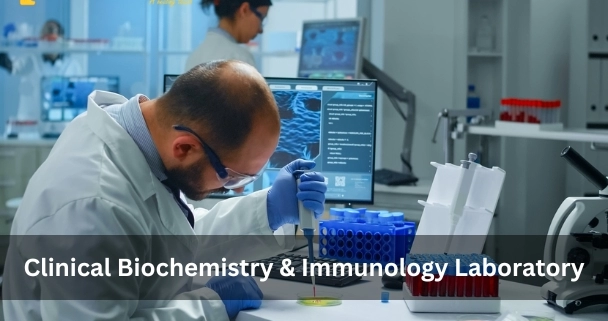
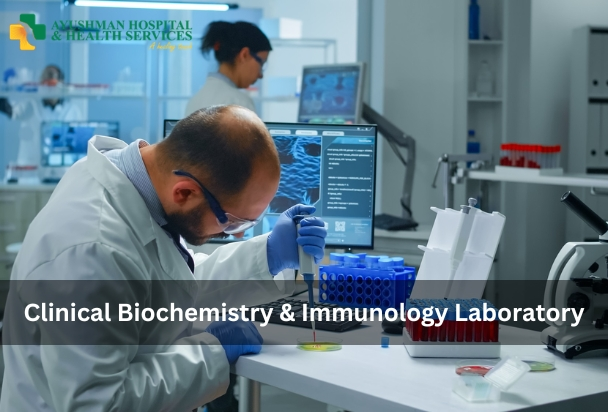
A Biochemistry and Immunology Laboratory is a specialized diagnostic facility that makes accurate diagnosis and management possible by analyzing patient samples collected from blood, urine, plasma, or tissue. In biochemistry laboratory services, testing on chemical constituents is done such as enzymes, hormones, proteins, and metabolic byproducts to assess organ function, recognize metabolic or nutritional disorders, and monitor therapeutic drug levels.

The immunology part evaluates the body’s immune system with a focus on immune cells, antibodies, and cytokines to identify autoimmune disorders, allergies, immunodeficiencies, and infectious diseases. Both play a pivotal role in disease diagnosis, effective treatment evaluation, monitoring efficacy of subsequent immunotherapy, and transplant patient management.

Together, they combine the functions of both disciplines to deliver comprehensive diagnostic insights. Choose the best Biochemistry and Immunology Laboratory Services in Dwarka, Delhi, at Ayushman Hospital and Health Services for top-tier biochemistry and immunology laboratory services. We have advanced Biochemistry and Immunology Laboratories that ensure accurate diagnosis, support faster recovery, and better health outcomes through evidence-based and advanced testing protocols.

What Is a Biochemistry and Immunology Laboratory?

A Biochemistry and Immunology Lab brings together the disciplines of biochemistry and immunology to provide a comprehensive, one-stop diagnostic service. The laboratory includes advanced tests that can help uncover disease and illness at an early stage, evaluate organ and immune function, assess the progress of treatment, and design personalized therapies.

Importance of Biochemistry and Immunology Labs

Biochemistry and Immunology Labs play a critical role in ensuring timely, accurate, and cost-effective diagnosis and monitoring of specialized clinical conditions like oncology, rheumatology, endocrinology, transplant medicine, and infectious diseases. They are essential in emergency medicine, cancer follow-up, autoimmune diseases, metabolic assessments, and drug therapy management.

Tests Performed in Biochemistry and Immunology Laboratories

  • Routine Blood Chemistry Tests

Used to assess glucose, electrolytes, liver enzymes, renal function, and lipids, routine blood chemistry tests indicate basic organ health, identify metabolic derangements, and flag areas for medical therapy.

  • Hormonal Assays

Hormonal assays evaluate thyroid, adrenal, reproductive, and growth hormone levels and are critical in diagnosing disorders of the endocrine system, such as hypothyroidism, polycystic ovarian syndrome (PCOS), and adrenal insufficiency.

  • Tumor Markers

Tumor markers detect proteins like PSA, CA-125, or AFP linked to certain cancers. These tests are used to evaluate and monitor cancers, determine responsiveness to treatment, and check for disease recurrence.

  • Vitamin and Mineral Panels

These panels assess levels of nutrients like Vitamin D, B12, and iron, detecting deficiencies that may affect energy, immunity, and overall health.

  • Immune Cell Profiling (Flow Cytometry)

This test analyzes the type and function of immune cells in blood samples, useful in evaluating immune deficiency, transplant monitoring, and cancer diagnosis.

  • Pharmacogenomics Testing

This test studies how genes influence a person’s response to specific medications, helping personalize drug therapy and reduce side effects.

Key Features of Tests in Biochemistry and Immunology Laboratories

  • Biochemistry and immunology laboratories allow a broad spectrum of tests, from simple blood chemistry tests to complex tests, such as therapeutic drug monitoring.
  • These tests are completed under the direction of medical biochemistry consultants and medical immunologists to provide a high level of accuracy and reliability.
  • These tests inform timely diagnosis, treatment response, and individualization of therapy, and are quite often an important factor in clinical decision making.
  • There are also some highly specialized tests that are offered by these laboratories, including pharmacogenomics, transplant monitoring, allergy testing, and nutritional testing.

Why Choose Ayushman for Advanced Biochemistry and Immunology Laboratory Services in Dwarka, Delhi?

The effective diagnosis and treatment of conditions involving the gastrointestinal, hepatobiliary, oncology, or transplant care rely largely on modern and sophisticated Biochemistry and Immunology Laboratory technologies.

We are able to provide precise tests, a timely turnaround time, and integrated reporting, which are crucial for sound clinical decision making. At Ayushman Hospital and Health Services, we provide one of the most advanced Biochemistry and Immunology Laboratory services in Dwarka, Delhi.

Get Expert Diagnostic Services for Your Treatment Today

Looking for the most reliable Biochemistry and Immunology Laboratory in Dwarka? Book a consultation with us and kickstart your diagnostic journey and treatment today.

Laboratory tests assist in the detection, diagnosis, and monitoring of various diseases. Microbiology and serology laboratories are instrumental in the identification of infectious diseases, analysis of immune responses, and suggesting appropriate diagnoses to inform treatment plans and prevent the transmission of infections. Laboratory testing assists in examining important clinical specimens like blood, urine, stool, or tissue. These laboratories also assist in public health surveillance and infection control.

Choose microbiology and serology laboratory services in Dwarka, Delhi, for best-in-class diagnostic services at Ayushman Hospital and Health Services. We have medical professionals, dedicated diagnostic protocols, and top-notch facilities that provide timely and accurate test results.

Specimens Collected at Microbiology & Serology Laboratories

  • Blood Samples

Blood is regularly obtained for serological analysis to identify antibodies and antigens, aiding in the diagnosis of infections such as HIV, hepatitis, Lyme disease, and autoimmune diseases. It is crucial in revealing the body’s immune response.

  • Urine Samples

Urine is commonly used in microbiology to detect bacterial pathogens that cause urinary tract infections (UTIs). It aids in rapid identification and the initiation of appropriate antimicrobial therapy.

  • Stool Samples

Stool samples are critical in parasitology for diagnosing parasitic infections like Giardia, Entamoeba, and helminth infections of the intestine. They are also used to identify bacterial or viral gastroenteritis.

  • Sputum Samples

Sputum is primarily obtained for diagnosing respiratory infections like tuberculosis (TB). It is used to detect TB and other causative organisms.

What Is a Microbiology Laboratory?

A microbiology laboratory is a specialized facility that focuses on the detection and study of microorganisms, including bacteria, fungi, viruses, and parasites. Microbiology laboratories can be used for clinical and research purposes and are important for diagnosing infections, understanding how microbes behave and finding appropriate treatments.

Microbiology Lab Key Services

  • Isolation and identification of pathogens from clinical samples.
  • Antimicrobial susceptibility testing to identify effective treatments.
  • Assistance to infection control teams in outbreak surveillance.

What Is a Serology Laboratory?

A serology laboratory is a laboratory designed to perform blood serum testing to detect antibodies or antigens, which demonstrate the body’s immune responses to either infections or autoimmune diseases. Serology plays a significant role in the diagnosis of current or past infections, determining individual immunity status, and ensuring blood transfusion safety, showing that serology labs play a key role in identifying and controlling infectious diseases.

Serology Lab Key Services

  • Serological detection of antibodies against infections such as HIV, hepatitis, or COVID-19.
  • Tracking immune responses after vaccination.
  • Autoimmune disease diagnosis via autoantibody testing.

Common Microbiology Tests

  • Blood Culture

This test determines whether bacteria or fungi are present in the blood. It diagnoses severe bloodstream infections, such as septicemia, which can be life-threatening if not treated early. The test also aids in selecting appropriate antibiotics instead of empirical antibiotic use.

  • Urine Culture

Urine culture is performed to identify bacteria responsible for urinary tract infections (UTIs). After identifying the bacteria, physicians test which drugs will best treat the infection.

  • Stool Culture

Stool culture is used to identify pathogenic bacteria, such as Salmonella or E. coli, within the gastrointestinal tract. It is useful in cases of diarrhea, food poisoning, or in immunocompromised individuals. It also aids in identifying the source of infection in outbreaks.

Common Serology Tests

  • HIV Antibody Test (ELISA)

This test detects antibodies against the HIV virus in the blood. A positive result indicates infection with the virus. Early diagnosis enables prompt treatment, helping to slow disease progression and lower the chances of spreading it to others.

  • Hepatitis B Surface Antigen (HBsAg) Test

This test detects a protein from the Hepatitis B virus in the blood, indicating current infection. It assists physicians in making treatment decisions and prompts others to take precautions or get vaccinated.

  • COVID-19 Antibody Test

This test detects antibodies that the body generates in response to a COVID-19 infection. It helps determine whether someone has recently or previously contracted the virus, even if they showed no symptoms.

Why Choose Ayushman Hospital and Health Services for Microbiology and Serology Laboratory Services in Dwarka, Delhi?

At Ayushman Hospital and Health Services, we provide one of the most advanced and reliable microbiology and serology laboratory services in Dwarka, Delhi. Our NABL-accredited laboratory is well-equipped to conduct accurate, high-standard diagnostic tests in bacteriology, virology, parasitology, mycology, mycobacteriology, and infectious disease serology.

Our team of skilled microbiologists, technologists, and pathologists works round-the-clock with state-of-the-art equipment to provide accurate results with quick turnaround times.

Choose Laboratory Services at Ayushman

Your health needs timely and accurate diagnostics. Rely on Ayushman for best-in-class microbiology and serology laboratory services for precision, quick results, and professional care. Schedule your lab test today and take control of your health with confidence.

A haematology laboratory is a specialized diagnostic department in hospitals or laboratories where tests related to blood, bone marrow, and blood disorders are performed. At Ayushman Hospital, we provide advanced haematology laboratory services in Dwarka, Delhi. It identifies such diseases as anaemia, leukaemia, and bleeding disorders, and conditions of blood and blood components, i.e., red and white blood cells, platelets, haemoglobin, and plasma proteins. It also includes diseases of blood-forming organs, i.e., bone marrow and lymphatic tissues.

Choose best-in-class haematology laboratory services in Dwarka, Delhi, from Ayushman Hospital and Health Services. Our advanced labs are equipped with modern diagnostic technologies, such as automated analysers, flow cytometry, and electrophoresis systems, ensuring accurate and timely diagnosis.

What Is a Haematology Lab?

Haematology laboratories enable the diagnosis of blood components, including red and white blood cells, platelets, haemoglobin, and plasma proteins. Haematologists diagnose and manage diseases such as anaemia, leukaemia, lymphoma, and coagulation disorders.

When to Visit a Haematology Lab?

  • Schedule a visit if you have been diagnosed with anaemia, blood cancer, or bleeding disorders.
  • Visit a haematology lab if you have been referred for evaluation of blood clotting issues.
  • Schedule a haematology lab visit if you are receiving chemotherapy or bone marrow transplant.

Monitoring conditions like thalassaemia, haemophilia, or leukaemia may also require testing at the lab.

Benefits of Haematology Services

  • Haematology services provide accurate analysis of blood and body fluids for timely diagnosis.
  • Haematology services support disease prevention by identifying early signs of haematological conditions.
  • Haematologists assist clinicians in therapy planning through ongoing blood test monitoring.
  • Haematologists enable the diagnosis of rare and complex haematological malignancies effectively.
  • Haematology testing helps identify conditions related to abnormal clotting, unexplained bruising, or immune dysfunction.

Common Blood Disorders Detected at a Haematology Lab in Dwarka

Haematology laboratories detect a broad spectrum of blood disorders, infections, immune deficiencies, and malignancies.

1. Anaemia and Its Variants

Haematology labs help detect anaemia, a condition involving a deficiency of red blood cells or haemoglobin, impairing the blood’s ability to carry oxygen. Through tests like Complete Blood Count (CBC), reticulocyte count, and iron profile, the lab can diagnose types such as:

Iron deficiency anaemia
Vitamin B12 or folate deficiency anaemia

2. Leukaemia and Other Blood Cancers

Leukaemia, a malignancy of white blood cells, is typically identified through abnormal WBC counts, blood smear morphology, and bone marrow biopsy by haematology labs. They use flow cytometry to identify specific leukaemic cell markers or peripheral smears to view immature cells or blasts.

3. Clotting and Bleeding Disorders

Haematology labs are essential in diagnosing coagulation abnormalities, which can lead to excessive bleeding or clotting. Haematologists conduct PT, aPTT, or INR tests to detect conditions such as haemophilia A and B, deep vein thrombosis (DVT), and more.

4. Infectious Diseases and Inflammatory Conditions

Haematology labs help detect systemic infections and chronic inflammation through changes in WBC counts.

5. Bone Marrow and Platelet Disorders

Disorders related to platelet production or bone marrow suppression are diagnosed through platelet count, bone marrow biopsy, and peripheral smear by haematology labs.

6. Immune System Disorders

By measuring immunoglobulin levels or using immune phenotyping, labs can identify immunodeficiency disorders or conditions like autoimmune haemolytic anemia.

7. Cancers and Genetic Disorders (Advanced)

Techniques like cytogenetics and molecular diagnostics in haematology help identify genetic mutations and chromosomal translocations.

Why Choose Ayushman for Best-in-Class Haematology Laboratory Services in Dwarka, Delhi?

Symptoms of unexplained fatigue, frequent infections, or easy bruising could indicate underlying blood disorders. At Ayushman Hospital and Health Services, we provide best-in-class haematology laboratory services in Dwarka, Delhi. We offer comprehensive, technology-driven haematology diagnostics and treatment. Here’s why patients trust our labs at Ayushman:

  • Round-the-clock (24/7) testing support.
  • Comprehensive test panels, including CBCs, flow cytometry, biopsies, and many more.
  • Specialized haematologists and pathologists.
  • Advanced diagnostic technologies and automation.
  • Clinical integration for faster treatment.
  • Strict quality control and compliance with global standards.

Book Your Consultation or Diagnostic Test Today!!

Whether you need routine blood testing or need advanced evaluation for complex conditions like leukaemia, anaemia, or clotting disorders, book your appointment now with Ayushman and consult with our expert team of haematologists and clinicians. Consult our specialists for accurate diagnosis and appropriate blood disorder management.

Clinical and pathology laboratory services are a critical component of modern diagnostic medicine, in which disease is diagnosed by examination of body fluids and tissues in a laboratory environment. Clinical and pathology laboratory services are used to perform a wide range of examinations and tests on patient specimens for the identification, diagnosis, and management of a spectrum of diseases.

Choose Ayushman Hospital and Health Services for best-in-class Clinical and Pathology Laboratory Services in Dwarka, Delhi. At Ayushman, our Clinical and Pathology Laboratory Services focus on delivering precise, trustworthy, and timely medical insights, not just testing.

What Are Clinical and Pathology Laboratory Services?

Clinical and pathology laboratory services are the foundation of modern diagnostic medicine. This includes specialty labs that analyze patient specimens (blood, urine, tissue, and other bodily fluids) to assist doctors and surgeons in the clinical detection, diagnosis, and treatment of various diseases. Clinical and pathology laboratory services provide accurate evidence-based data to inform medical decisions.

Importance of Clinical and Pathology Labs in Healthcare

1. Accurate Diagnosis to Facilitate Targeted Treatment

Lab tests provide critical information for determining the underlying cause of a patient’s complaints. By identifying infections, hormonal abnormalities, chronic diseases, and cancer cells, lab testing helps facilitate effective and timely care. It helps guide physicians toward appropriate treatments based on laboratory findings, ensuring patient safety.

2. Continuous Monitoring of Health Conditions

For patients with chronic diseases like diabetes, thyroid disease, or cardiovascular disease, laboratory tests are invaluable tools for measuring disease activity and the efficacy of treatment. Through periodic follow-up with tests such as lipid profiles, glucose measurements, or renal function panels, clinicians can adjust medications and dietary recommendations for improved long-term management.

3. Early Detection and Preventive Health Screening

Laboratory diagnostics play an essential role in preventive healthcare. Regular screenings, such as tumor markers, complete blood counts, or genetic testing, identify conditions before symptoms become apparent. Early detection enables interventions before problems develop, reduces the risk of complications, and empowers individuals to make informed health choices.

4. Protection of Public Health and Community Well-being

Diagnostic laboratories are essential players in the identification and control of infectious diseases. Whether testing for viral infections like COVID-19 or flu, testing food, water, and environmental samples, and then leveraging lab results to guide and implement public health actions, diagnostic laboratories are key players in ensuring public health and safety.

5. Basis for Personalized and Precise Medication

Diagnostic testing methods, like molecular testing and pharmacogenomics, are changing the face of modern medicine. Diagnostic testing allows clinicians to develop tailored treatment plans based on the patient’s genetic profile and disease nuances. This process ultimately increases the effectiveness of treatment, minimizes side effects, and enables targeted medical treatment.

Why Choose Ayushman Hospital and Health Services for Clinical and Pathology Laboratory Services in Dwarka, Delhi?

At Ayushman Hospital and Health Services, our Clinical and Pathology Laboratory Services in Dwarka, Delhi play an integral role in identifying, diagnosing, and monitoring health disorders, infections, and diseases, from common conditions to life-threatening illnesses such as cancer and heart disease. Ayushman hospital is one of the most reliable names for premium diagnostic services, and here’s why:

  • State-of-the-art diagnostic technology for accurate lab tests.
  • Highly qualified pathologists, microbiologists, and lab technicians for accurate testing.
  • Wide range of testing panels, including cancer markers, diabetes (HbA1c), and kidney function tests.
  • Complete access to 24/7 emergency testing and reporting.
  • Quality control processes in place, with NABL-accredited labs for smooth and reliable detection methods.

Book Reliable Lab Testing and Early Diagnosis

Schedule a test at our clinical pathology laboratory. Rely on our doctors and these results to guide effective treatment and track improvement. Book your consultation or lab test at Ayushman Hospital and Health Services today and experience faster recovery with trusted results.


Rectal diseases are disorders affecting the rectum or anal canal. They can range from itching or minor bleeding to severe problems like abscesses, fistulas, anal fissures, piles (hemorrhoids), and even cancer, causing pain, swelling, bleeding, or pus discharge. In general surgery, laparoscopic surgery or keyhole surgery is used to treat rectal diseases affecting the rectum, anus, and large intestine in selected or complicated cases.

Choose the best-in-class rectal disease treatment in Dwarka, Delhi, from Ayushman Hospital and Health Services. At Ayushman, we ensure accurate diagnosis, advanced treatment, and safer recovery. Rectal diseases require experienced surgeons, the use of modern techniques like rubber band ligation, sclerotherapy, stapled hemorrhoidopexy, or laparoscopic approaches, depending on the condition and severity. Here, we offer that and more. We provide personalized treatment plans, hygienic facilities, advanced tools, and post-treatment care, reducing risks like infection or recurrence of rectal diseases.

What Are Rectal Diseases?

Rectal diseases affect the rectum and anus, causing symptoms like bleeding during bowel movements, anal pain, itching, pus discharge, or the feeling of incomplete evacuation. These chronic or short-term discomforts are rectal diseases. There is a need for advanced surgical approaches, like laparoscopic procedures, to treat such complicated cases when clinically indicated.

Causes and Risk Factors of Rectal Diseases

Chronic constipation and rectal vein pressure usually lead to rectal diseases like piles. The risk for rectal diseases increases with poor dietary habits, especially diets low in fiber. Obesity and pregnancy raise pelvic pressure and increase rectal issues. Heavy lifting and chronic coughing add stress to the rectal blood vessels and tissues, causing rectal diseases. Aging weakens anal canal tissues, making rectal disorders more common over time. Some people are naturally more prone to hemorrhoids and fissures due to genetic predisposition.

Symptoms of Rectal Diseases

  • Bright red bleeding on toilet paper after a bowel movement.
  • Consistent anal itching or irritation can be a symptom of piles or anal fissures.
  • Discomfort or pain while passing stool may signal hemorrhoids, abscesses, or fissures.
  • Lumps or swelling in the area of the anus may indicate prolapsed piles or abscesses.
  • The presence of mucus discharge or soiling in underwear may indicate infection or inflammation in the rectal area.

Some Rectal Diseases

  • Piles (Hemorrhoids)

Piles occur due to swollen veins in or around the rectum and anus. One can see bright red bleeding, itching, pain, or lumps around the anus after bowel movements. This is usually caused by constipation, straining, pregnancy, obesity, and aging.

  • Anal Fissure

An anal fissure is a small tear in the anal canal due to the passage of hard stools or straining during bowel movements. In the treatment of fissures, dietary fiber, stool softeners, and topical ointments are given.

  • Anal Fistula

Untreated anal abscesses or infections in the anal glands may cause discharge of pus, pain, swelling, and skin irritation around the anus. It can be treated with surgical procedures such as fistulotomy, seton placement, or advanced laparoscopic techniques in appropriate cases.

  • Thrombosed Piles

Thrombosed piles are external hemorrhoids that cause severe pain, swelling, and tenderness around the anus. While self-healing occurs in most cases, in some cases, surgical removal or clot excision is required.

There are many more types of rectal diseases beyond the ones listed above, like piles and fissures. Rectal diseases range from simpler issues, such as infections and abscesses, to complex disorders like rectal prolapse and colorectal cancer.

Why Choose Ayushman for Rectal Diseases Treatment in Dwarka, Delhi?

Are you experiencing discomfort like bleeding or swelling in and around the anus due to rectal diseases? Choose Ayushman Hospital and Health Services’ expert team of general and laparoscopic surgeons for advanced rectal disease treatment in Dwarka, Delhi. At Ayushman, we use advanced, cutting-edge modern technology and treatments like rubber band ligation, sclerotherapy, stapled hemorrhoidopexy, and minimally invasive laparoscopic procedures to ensure faster, minimal discomfort, and long-lasting relief from rectal diseases.

Book Your Rectal Disease Consultation Today

Don’t ignore symptoms like rectal bleeding, pain, or persistent discomfort. Schedule your appointment with our experts today and take the first step toward a safe, effective, and hassle-free recovery from all types of rectal diseases.

FAQs

  • What are the non-surgical treatments for piles?

Non-surgical treatments for hemorrhoids include lifestyle changes, dietary changes, and non-surgical procedures like rubber band ligation, sclerotherapy, electrotherapy, and infrared coagulation. These procedures shrink piles by cutting off their blood supply and are usually painless with same-day discharge as they are non-invasive.

  • What are rectal diseases apart from piles?

Apart from piles, rectal diseases include anal fissures, fistulas, abscesses, rectal prolapse, and colorectal cancers. These conditions affect the rectum and anal canal and need treatment to correct based on medical evaluation.

  • What lifestyle changes help manage rectal diseases?

To correct rectal diseases, along with medical treatments, lifestyle plays a huge role. Taking a high-fiber diet, drinking plenty of fluids, and regular exercise help prevent constipation and reduce rectal pressure. Maintaining proper anal hygiene and reducing alcohol intake, avoiding smoking, and limiting caffeine products play a huge role.

Infectious diseases, sometimes also called communicable diseases, are illnesses caused by harmful microorganisms such as bacteria, viruses, fungi, or parasites. These diseases can spread from direct contact, insect bites, environmental exposure, or contaminated food and water. The treatment of infectious diseases involves medical approaches and interventions used to diagnose, manage, and cure infections caused by specific pathogens such as bacteria, viruses, fungi, or parasites.

Choose Infectious Diseases Treatment in Dwarka, Delhi from Ayushman Hospital and Health Services to take timely treatment for infectious diseases, as most infections are manageable, and many are curable. At Ayushman, we have world-class expertise, advanced diagnostic tools, and a patient-centric approach to managing infectious diseases.

What Are Infectious Diseases?

Infectious diseases are illnesses caused by microorganisms, like bacteria, viruses, fungi, and parasites, when they get inside the body and multiply. Bacteria can cause diseases like tuberculosis; viruses cause HIV/AIDS; fungi cause ringworm; and parasites cause diseases like malaria. However, not all infectious diseases are contagious. HIV is not spread through casual contact and requires specific exposure.

Treatment of Infectious Diseases

Antibiotics

Antibiotics help treat bacterial infections like pneumonia, tuberculosis, and surgical site infections. Antibiotics stop bacterial growth by killing the bacteria directly or inhibiting their growth. Each antibiotic is prescribed according to the patient’s severity, immunity, and diagnostic test results.

Antiviral Medications

Antiviral medications reduce the virus’s ability to replicate. They help control disease progression in diseases like HIV/AIDS, hepatitis, or severe influenza. In critical cases like post-transplant or immunocompromised patients, antiviral therapies are combined with preventive measures like vaccinations and immune support.

Antifungal Medications

Antifungal treatments address infections caused by fungi, like skin infections and many more. These infections can affect individuals with low immunity, so treatments like oral, topical, or intravenous antifungal drugs are given based on infection type and severity.

Antiparasitic Treatments

Antiparasitic medications are used for diseases like malaria, amebiasis, or worm infestations. These infections often arise from contaminated water, food, or insect bites and can range from mild to life-threatening. Treatment involves the usage of targeted antiparasitic drugs.

Key Benefits of Early Treatment of Infectious Diseases

  • Prevention of Serious Complications: Early identification of infectious diseases leads to care that can modify the disease outcome and reduce the risks of sepsis, meningitis, or organ damage.
  • Faster Treatment of the Disease: Treating quickly allows management of the infection, and generally, improves the speed of recovery.
  • Reducing Transmission of Diseases: Early identification and treatment of infection may help limit the likelihood of transmitting to others at risk of infectious diseases.
  • Reduced Health Care Costs: Preventing severe disease and complications of infectious diseases can reduce healthcare costs, especially when hospitalization or intensive care admission is avoided.

Why Choose Ayushman for Infectious Diseases Treatment in Dwarka, Delhi?

Management of infectious diseases requires precision, advanced technology, and the expertise of highly qualified specialists. At Ayushman Hospital and Health Services, we have advanced Infectious Diseases Treatment in Dwarka, Delhi. We offer top facilities and unparalleled care for complex infections and immunity-related disorders. Our hospital is well equipped with state-of-the-art laboratories, such as microbiology and molecular testing facilities. We have facilities for CT scans, MRI, and PET-CT, ensuring accurate detection of infections. 

Here’s why you should select us over others for Infectious Diseases Treatment:

  • Expert consultants for complicated infections.
  • Advanced microbiology and imaging are available.
  • Hospital specialized services for immunocompromised patients.
  • Travel Health clinics with global vaccinations.
  • NABH-accredited hospital and COVID-safe protocols.
  • Multidisciplinary teams for complex pathological infection cases.

Book an Appointment for Infectious Disease Care at Ayushman

Don’t put off expert care for infections that require specialized treatment. Call now or book your consultation online and get expert opinion, early detection, and treatment specific to you. Book an appointment and get on the path to quicker recovery from any infectious disease.

A hernia occurs when an organ pushes through a weak spot in the surrounding muscle, usually in the abdomen or groin area. It may lead to swelling, pain, or discomfort, particularly during movement or straining. Although hernias are not always serious, untreated cases can lead to complications and may require surgical intervention. Treatment options include medications, lifestyle modifications, and advanced surgical techniques such as laparoscopic and robotic repair.

Choose Hernia Surgery and Treatment in Dwarka, Delhi at Ayushman Hospital and Health Services. Our experienced surgical team provides comprehensive care using modern minimally invasive techniques to ensure safe and effective hernia management.

What is Hernia Surgery?

When lifestyle adjustments and medications do not work, surgery is usually recommended to treat a hernia. Hernia surgery involves pushing the bulging tissue back into place and reinforcing the weak muscle wall. It is performed through Robotic-Assisted, Open, or Laparoscopic methods.

When a hernia is painful, growing, or showing signs of obstruction or strangulation, surgery becomes essential to avoid life-threatening outcomes.

Common Symptoms of a Hernia

  • A lump or protrusion near the abdomen, groin, or navel area.
  • Pain or discomfort while standing, coughing, or lifting heavy objects.
  • Feeling heaviness, pressure, or a burning pain in the affected area.
  • Difficulty swallowing, reflux, or nausea, especially in hiatal hernia or severe cases of hernia.

Hernia Treatment Options

Treatment options for hernia include lifestyle adjustments and minimally invasive surgeries. A general surgeon who specializes in laparoscopic or minimally invasive surgery decides the most appropriate treatment option based on the hernia’s size, type, symptoms, and the patient’s overall health.

  • Lifestyle Changes

For small or hiatal hernias, lifestyle modifications can aid in managing the symptoms. This includes eating smaller meals, avoiding spicy foods, not lying down immediately after eating, and losing weight. While lifestyle changes can ease discomfort, they do not directly cure or treat a hernia.

  • Medication

Medications manage symptoms of non-emergency hernias. These medications lower stomach acid levels to relieve pain, acid reflux, and heartburn. However, medications do not repair or treat a hernia. Medications are used in combination with other approaches or in cases when surgery is delayed.

  • Surgical Treatment

Surgery is the only definitive treatment for hernias. Surgical hernia treatment options include:

  • Open Surgery: A large incision is made to expose larger or complex hernias. In open surgery, doctors usually place a mesh in the area to reinforce it.
  • Laparoscopic Surgery: Laparoscopic surgery uses small incisions to repair the hernia. Laparoscopic surgery is associated with quicker recovery, less pain, and less scarring.
  • Robotic Surgery: Robotic surgery is similar to Laparoscopic Surgery, but the surgeon uses robotic instruments to perform the repair. The Robotic surgical instruments that are used allow greater precision and minimized trauma to the surrounding tissues.

In most surgeries, a mesh is used to help prevent the hernia from recurring. The doctor will discuss the appropriate surgical option, which depends on the type of hernia and a person’s overall health.

Why Choose Ayushman for Hernia Surgery and Treatment in Dwarka, Delhi?

For hernia treatment, selecting the right doctor and hospital is crucial. At Ayushman, our doctors and specialist team of surgeons have top-class surgical expertise, precision, and skills for operative care. We suggest you choose Hernia Surgery and Treatment at Ayushman Hospital and Health Services in Dwarka, Delhi. At Ayushman, we have state-of-the-art infrastructure and advanced technological tools to conduct hernia surgery. We have:

  • High-definition Laparoscopic or Robotic Surgical Systems
  • Sterile and fully equipped modular operating theatres
  • Comprehensive pre-op evaluation and diagnostics
  • Access to intensive care units, if needed, in emergency cases

Book Your Hernia Surgery or Treatment

A hernia is a treatable medical condition, and more and more doctors are now using Laparoscopic and Robotic Hernia Surgery to treat patients faster with fewer complications.

If you are looking for the best treatment for your hernia, schedule a consultation with our surgical team at Ayushman and get relief from a hernia as early as possible.