

As the weather gets warmer in the summer, illnesses related to heat become very common in places like Delhi-NCR. In fact, heat exhaustion and heatstroke are two of the most serious conditions during this weather that are triggered by prolonged heat exposure. These health conditions look very similar but it is important to know and understand the difference between them to prevent serious health complications. 

During Heat exhaustion, your body loses excess water and salt, whereas heat stroke is a serious condition where your body is unable to control its internal temperature. It is vital to know the signs and symptoms of both conditions to save your or your loved ones’ lives. 

At Ayushman Hospital and Health Services, the best hospital for Heatstroke in Dwarka, we offer you modern technology, expert doctors and world-class infrastructure to give you the immediate care you require for illnesses related to heat.

Heat Exhaustion

It occurs when the body loses excessive water and salts through sweating. It often happens when you spend too much time in the heat, especially if you’re physically active.

Some common signs of heat exhaustion are:

  • Sweating
  • Dizziness
  • Weakness
  • Headache
  • Nausea
  • Muscle cramps

If identified early, heat exhaustion can usually be managed with rest, hydration, and cooling measures.

Heatstroke

Heatstroke is a medical condition caused by overheating of the body and which is most common during the summer season. It happens when your body’s cooling system stops working, and your core temperature rises dangerously above 40°C (104°F). If not treated on time, it can damage vital organs and become life-threatening.

Some common signs of  heatstroke are:

    • High body temperature
    • Hot, red, and dry skin
    • Rapid heartbeat
    • Confusion or disorientation
    • Difficulty speaking
    • Seizures
    • Loss of consciousness

Unlike heat exhaustion, heatstroke requires urgent medical attention and should never be ignored.

First Aid Measures

If someone shows signs of heat exhaustion, immediately follow the instructions mentioned below:

  • Move them to an area which is cool and shaded.
  • Encourage them to drink plenty of water or oral rehydration fluids.
  • Loosen tight clothing.
  • Apply cool, wet clothes to the skin.

If heatstroke is suspected:

  • Call Ayushman Hospital for emergency medical help immediately.
  • Move the individual to a cooler environment.
  • Use cool water, wet towels, or fans to lower down the body temperature.
  • Do not force fluids if the person is unconscious or confused.

When Should You Visit a Hospital?

Immediately seek medical attention if your or your loved ones’ symptoms worsen with time, as early treatment can significantly decrease the risk of complications. Symptoms such as confusion, seizures, fainting or the overall condition does not improve even after taking all the cooling measurements should never be ignored. 

At Ayushman Hospital and Health Services, our team of experienced doctors and staff gives the immediate treatment you need for the management of heat stroke/heat exhaustion. For those who want to find the best hospital for Heatstroke in Dwarka, our emergency and internal medicine team is equipped to manage heat emergencies with advanced medical facilities and complete care. 

Keep your body hydrated, avoid the sun as much as possible during peak hours, and do not ignore the early symptoms to protect yourself and your family during the summer months. Most importantly, If someone is experiencing symptoms of heat stroke, immediately call Ayushman Emergency, and an ambulance will arrive with medical specialists and paramedics in a short time.

 If you are looking for heatstroke treatment in Dwarka, Delhi, consult our specialists for timely medical support today.

Water plays a pivotal role in the proper functioning of our body. From our kidneys getting rid of waste products we no longer want, to our circulatory system carrying oxygen, glucose and nutrients to cells, water is important to allow these functions to occur. In fact, it also helps in lubricating our joints and eyes and keeping our skin and digestive system healthy. 

However, in hot and humid weather or because of some illness, many individuals may experience dehydration and it is important for them to replenish their body with necessary fluids on time to avoid dehydrating their body further. But sometimes, the body gives signals that simple home care is not enough.

At Ayushman Hospital and Health Services, the best hospital in Delhi, we provide the best service, expert medical professionals and modern technologies to help you manage your dehydration effectively. 

Factors That Cause Dehydration

Let us look at the factors that cause dehydration in our body:

  • Sweating 
  • Vomiting or diarrhea
  • Excess urination 
  • Running a fever
  • Skipping regular fluid intake
  • Even a busy routine and ignoring thirst can contribute.

Dehydration’s Early Signs

Symptoms of dehydration in our body are generally mild and easy to miss:

  • Dryness in the mouth
  • Feeling low on energy
  • Slight drop in urine output
  • Occasional headache

Drinking fluids regularly at this stage often helps the body recover.

Signs That Need Medical Attention

There are situations where dehydration moves beyond mild and needs proper care:

  • Passing urine very rarely or noticing a dark colour
  • Feeling unsteady or dizzy on getting up
  • Fast pulse with unusual tiredness
  • Skin staying dry and less elastic
  • Lips becoming very dry or cracked
  • Difficulty focusing or feeling confused

These are not signs to ignore, as they show the body is under stress.

When to Consult a Doctor

If there is no improvement after increasing fluids, or symptoms feel stronger, medical advice becomes important. The best doctor in Dwarka, Delhi can understand how serious the dehydration is and suggest the right treatment. Getting help early can prevent the condition from getting worse.

Treatment Approach

The way dehydration is treated depends on how severe it is. In mild cases, drinking fluids with salts and electrolytes is usually enough. If the body is too weak to recover with oral intake, fluids may be given through a drip. At the same time, the underlying issue, like an infection or stomach problem, is also treated.

Conclusion

Dehydration can seem mild at first, but it may get worse. If you are not feeling better, it is best to see a doctor. Do not wait if symptoms continue or increase. You can also visit Ayushman Hospital and Health Services for care and treatment.

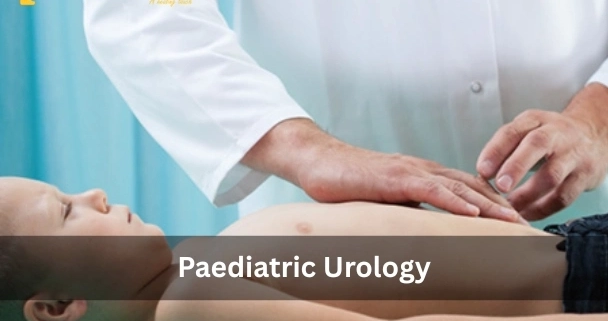
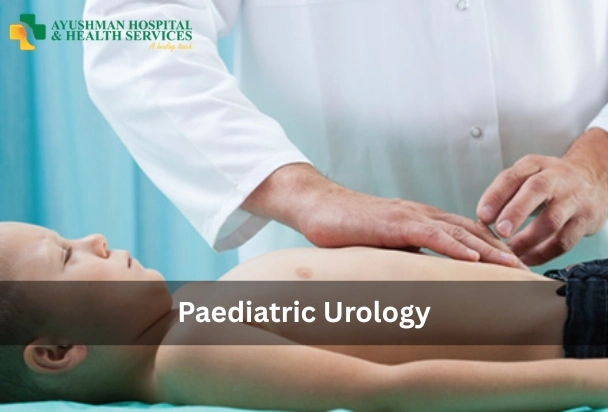
Pediatric urology is a specialised area of surgical medicine dealing with children, infants, and adolescents, usually spanning from childhood to early adulthood. It focuses on the evaluation and treatment of urinary and genital issues. Pediatric urologists, unlike general urologists, diagnose and treat numerous conditions, including congenital and acquired conditions of the kidney, bladder, and ureters, as well as genital issues. Pediatric surgery and urology require an understanding and expertise regarding child anatomy, physiology and development, which are complex and unique. Children are not like adults, as their bodies function differently, and disease often manifests in different ways.

Choose paediatric urology treatment in Dwarka, Delhi, from Ayushman Hospital and Health Services. In our hospital, we deliver exceptional pediatric urology services with the highest level of care and comfort for children. We use a child-friendly approach of communication that helps children and parents feel comfortable discussing sensitive problems. If left untreated, many pediatric urological conditions can lead to complications in the long term, such as kidney injury, fertility issues, or emotional well-being concerns. For this reason, we deliver accurate diagnosis, advanced treatment, and supportive care in a safe environment. At our hospital, we ensure a child’s recovery, reduce complications, and positively impact the child’s growth and quality of life.


What Is Paediatric Urology?

Paediatric urology is a medical speciality that provides care for children with urinary or genital problems. It deals with conditions of the kidneys, bladder, ureters, urethra, penis, and testicles. Experts in paediatric urology detect problems in children early and manage them with medicines or surgery, combining guidance for families with proper care strategies. This speciality is important because timely treatment prevents kidney damage, urinary infections, and other long-term health problems.


Suitable Candidates for Paediatric Urology

  • Children experiencing repeated urinary infections.
  • Infants born with congenital or acquired urological anomalies.
  • Kids suffering from bedwetting, especially beyond the usual age range.
  • Adolescents noticing genital abnormalities or discomfort.
  • Children complaining of persistent pain while urinating or difficulty controlling bladder function.
  • Child patients with prenatal ultrasound findings showing kidney or bladder developmental irregularities.

Common Conditions Treated with Paediatric Urology

Vesicoureteral Reflux (VUR)

A condition in which there is a backward flow of urine from the bladder back to the kidneys, which can increase the risk for infection and kidney damage if left untreated.

Hydronephrosis

Swelling of the kidneys due to urine collection as a result of blockage or reflux that may lead to discomfort, infection, and kidney damage.

Bedwetting

Having repeated urination in children during sleep, even after they have reached the expected age of being dry, could be due to bladder control issues, stress, or neurological causes.

Hypospadias

A birth defect in which the urethral opening is not at the tip of the penis, usually repaired with surgery to restore normal urinary and sexual function.

Undescended Testicles

A condition in which one or both testicles have not descended into the scrotum, which may affect fertility and requires timely surgery.


Treatment Options in Paediatric Urology

Medication Therapy

This therapy is used to treat urinary tract infections, relax bladder muscles, or correct hormonal imbalances to optimise urinary function and reduce complications in children.

Behavioral Therapy

Involves bladder training or biofeedback techniques to improve bladder control in children with incontinence, enuresis, or voiding dysfunctions.

Minimally Invasive Surgery

Laparoscopic or endoscopic procedures correct abnormalities, such as reflux or obstructions, with less postoperative pain, smaller scars, faster recovery, and improved cosmetic results compared to open surgery.

Reconstructive Surgery

Corrects congenital issues like hypospadias, bladder exstrophy, or genital abnormalities, restoring normal function and appearance so children can grow and develop confidently without complications.

Hormonal Therapy

Used to improve growth and development in conditions like undescended testicles or differences in genital development, sometimes preparing children for surgery.

Endoscopic Procedures

Less invasive than traditional surgery, performed under anesthesia with small incisions or through natural urinary openings using laser/fibre technology to correct reflux, obstructive uropathy, or remove stones with minimal pain.


Why Choose Ayushman for Expert Pediatric Urology Treatment in Dwarka, Delhi?

At Ayushman Hospital and Health Services, we provide specialized Pediatric Urology treatment in Dwarka, Delhi. Our department is dedicated to the diagnosis and treatment of urinary and genital conditions in children. These issues are handled skillfully, with cutting-edge technology and child-friendly care. Pediatric urology requires specialised training and a clear understanding of the complexities that young patients present. Our experts in pediatric urology are trained to ensure accurate diagnosis and care for urinary tract infections, kidney conditions, bladder problems, and congenital anomalies.


Schedule a Pediatric Urology Consultation Today

We don’t just treat illnesses, we also help protect long-term health. Early diagnosis and medical intervention may help prevent future problems. Please contact our pediatric urology specialists today for an expert consultation. Your child deserves the best care possible.

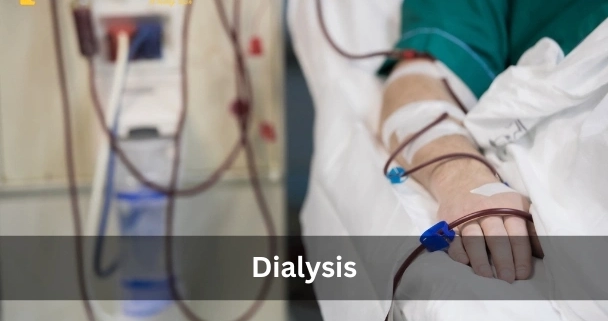
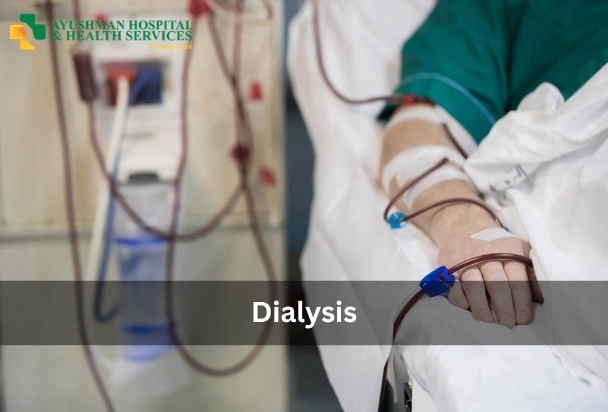
Dialysis is a medical procedure designed to artificially filter and purify waste, toxins, and excess fluid from the blood using a machine when a person’s kidneys are unable to function naturally. When kidney function declines due to chronic kidney disease, acute injury, or other severe medical conditions, toxins accumulate in the body. Without dialysis, this build-up can result in serious complications, including heart failure, fluid overload, high blood pressure, and even death. Dialysis is not a cure, as it does not repair or regenerate kidney tissue. Instead, it serves as a life-sustaining treatment until the kidneys recover or a transplant becomes possible.

Choose the best dialysis procedure in Dwarka, Delhi from Ayushman Hospital and Health Services. At our hospital, experienced nephrologists provide safe and effective dialysis care. Appropriate medical treatment ensures that proper vascular access is created, the risk of infection is minimised, and patients are monitored carefully during treatment. We have state-of-the-art dialysis facilities, skilled technologists, and supportive healthcare teams who drastically improve patient outcomes.


What Is Dialysis?

Dialysis is a procedure that removes waste, extra salt, and fluids from the body when the kidneys are unable to function properly. The process of dialysis lasts up to several hours and may take place at home or at a dialysis facility. Dialysis prevents the accumulation of toxic substances, maintains fluid balance, and supports overall health. It prolongs life and enhances the quality of life, but it does not cure kidney disease.


Suitable Candidates for Dialysis

  • Patients with advanced chronic kidney disease who have lost a significant amount of kidney function or those whose kidneys are not removing waste products adequately.
  • Patients with acute kidney injury who need rapid removal of toxins or excess fluid to stabilise their condition.
  • Patients with significant fluid overload who are suffering from shortness of breath, swelling, or heart problems.
  • Patients who are awaiting a kidney transplant, for whom dialysis is a life-sustaining procedure before a donor organ is available.
  • Patients who are not candidates for kidney transplant surgery immediately due to other health issues require long-term dialysis management.

Major Types of Dialysis

Hemodialysis

Blood is filtered through a machine outside the body, removing wastes and excess fluid, then returned via a vascular access. It’s typically performed three times weekly.

Peritoneal Dialysis

Uses the abdominal lining as a natural filter. In this method, the dialysis fluid absorbs waste from blood vessels in the abdomen and is drained periodically, allowing home-based and flexible treatment.


What Is Hemodialysis?

Hemodialysis is the most common dialytic method, where blood is taken from the body into a machine called a dialyser with a specialised filter. The dialyser removes toxins, waste, and excess fluid, with the resulting clean blood returned to the patient. Hemodialysis is generally done three times a week for 3–5 hours each session.

Hemodialysis can be performed in a dialysis centre, in a hospital, or potentially at home with sufficient training and monitoring. Patients need a vascular access site for treatment, such as an AV fistula, graft, or temporary catheter. Hemodialysis restores some function of the kidney, but does not replace the entire function.


Benefits of Dialysis

  • Removes harmful toxins and waste products from the blood to prevent dangerous accumulation and complications.
  • Maintains fluid balance in the body to prevent swelling, shortness of breath, or heart strain.
  • Helps regulate electrolytes, including potassium and sodium, to protect heart and muscle function.
  • Improves quality of life, enabling patients to work, travel, and maintain daily activities more comfortably.
  • Provides life-sustaining support for patients awaiting kidney transplants or with irreversible kidney damage.

Why Choose Ayushman for Expert Dialysis Procedure in Dwarka, Delhi?

Dialysis involves a highly specialised procedure, advanced technology, and an individualised approach. At our hospital, Ayushman Hospital and Health Services, we provide advanced dialysis procedures in Dwarka, Delhi. Our dedicated nephrology and dialysis centre provides access to skilled nephrologists, trained dialysis technicians, as well as dedicated care teams to ensure personalised support and the best outcomes.

Our skilled physicians plan appropriate dialysis schedules, monitor vital parameters, prevent complications, and improve overall quality of life. We are proud to say that we have the best dialysis procedures in all of Delhi.


Book Your Dialysis Appointment Today!

Troubled by decreased kidney function or swelling, fatigue, or poor kidney health? Seeking help early can save you and your loved ones’ lives. Make an appointment with us for a comprehensive and insightful dialysis discussion. Feel confident about taking the next step for your kidney health with us. Book now!

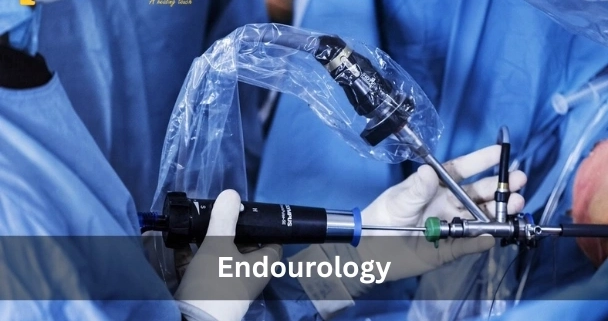
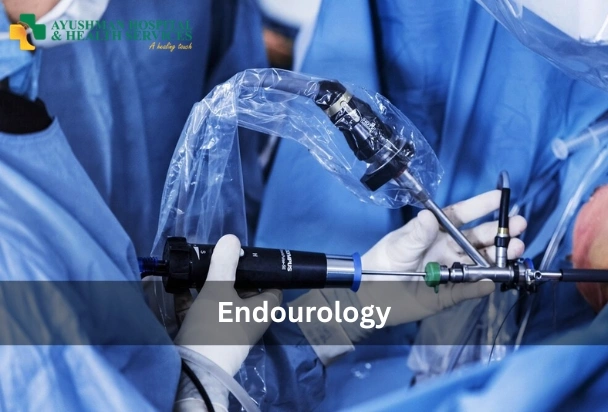
Endourology is a modern and minimally invasive subspeciality of urology performed using methods and tools such as endoscopes and cameras to diagnose and treat urinary tract and male reproductive issues, rather than large incisions as in traditional surgery. The purpose of the procedure is to address, diagnose, or treat problems that may include kidney stones, ureteral obstructions, enlarged prostates, or bladder tumors. Because procedures are less invasive, patients experience less pain, a lower risk of infection, and a faster recovery compared to open surgery. The path of endourology has a safer and more precise approach for patients.

Choose an endourology procedure at Ayushman Hospital and Health Services in Dwarka, Delhi. At our hospital, our doctors can safely remove stones, clear blockages, or treat tumors while maintaining the surrounding healthy tissue. Our advanced imaging and delicate surgical instruments limit tissue trauma, hospital stay duration, and scarring. We have trained urologists who use advanced technology while remaining attentive to our patients’ needs. Our doctors have the expertise to perform endourology safely, resulting in superior outcomes and long-lasting health.


What Is Endourology?

Endourology is a urological subspeciality that is concerned with the diagnosis and treatment of urinary tract problems using endoscopes and minimally invasive surgical tools. Endourology provides a way of making diagnoses and performing treatments without making large incisions. Endourology provides access to the bladder, urethra, ureters, kidneys, or prostate through natural openings or small incisions the size of keyholes. Endourology offers the benefit of minimal invasiveness, which is very effective for the diagnosis and treatment of urological conditions. Urologists can treat kidney stones, strictures, tumors, and urinary tract obstructions in a much less traumatic way with endourology.


Ideal Patients for Endourology

  • Patients with recurrent ureteral stones require safe, precise, and reliable removal with minimal pain and faster recovery.
  • Patients with bladder tumors or early-stage urinary tract cancer needing accurate and minimally invasive treatment techniques can go for endourology.
  • Patients suffering from ureteral strictures or urinary obstructions that are difficult to manage and painful can opt for endourology.
  • Men with benign prostatic hyperplasia seeking relief from prostate enlargement through safe, advanced surgical techniques can opt for this procedure.
  • Patients with recurrent urinary tract infections due to anatomical problems needing surgical repair or management can opt for this technique.
  • Patients wanting shorter hospital stays, less scarring, minimal surgical complications, and better outcomes can also go for this procedure.

Endourological Procedure at Ayushman

Step 1: Diagnosis and Planning

Patients with urinary issues undergo imaging evaluations to confirm the issue and then meet with our urologist to discuss an individualised surgical plan at the hospital.

Step 2: Anesthesia and Preparation

The patient is placed under anesthesia for pain management. After anesthesia, an aseptic preparation step is completed, and specialized endoscopes are inserted into the urinary tract for inspection and treatment.

Step 3: Procedure

Utilising advanced endoscopes and instruments, urologists safely remove stones, tumors, or blockages while causing minimal damage to surrounding tissue.

Step 4: Recovery and Discharge

Patients are monitored for stability, given appropriate medications, and counselled for a speedy recovery. Most patients resume normal activities shortly after the procedure.


Benefits of Endourology

  • Minimally invasive treatment causes less trauma, increases accuracy, and reduces surgical risks.
  • Faster recovery allows patients to return to daily life sooner than with traditional surgery.
  • Less blood loss minimises the need for transfusions, improving safety.
  • Smaller incisions decrease the risk of infection with advanced sterile techniques.

Why Choose Ayushman for Expert Endourology Procedure in Dwarka, Delhi?

Endourology requires advanced technology, minimally invasive techniques, and personalised care planning. At Ayushman Hospital and Health Services, we provide advanced endourology procedures in Dwarka, Delhi. Our dedicated urology centre provides access to expert urologists, skilled surgeons, and supportive care teams working together for optimal outcomes. Our experienced urologists recommend the right procedure, minimise complications, and improve recovery times. We are proud to offer expert endourology procedures in Dwarka, Delhi.


Book Your Endourology Appointment Today!

Worried about kidney stones or urinary tract issues? Early treatment prevents complications! Schedule a routine assessment or consultation at Ayushman Hospital and Health Services. Book your endourology appointment today and take a confident step toward relief, effective treatment, and peace of mind.

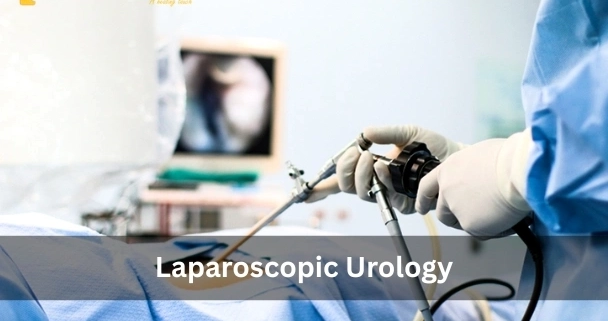
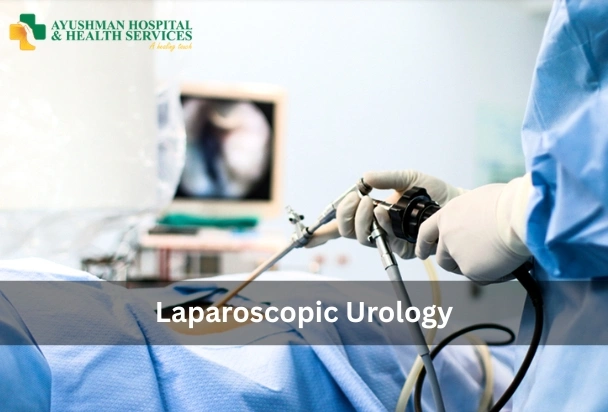
Laparoscopic urology is an innovative surgical technique that effectively treats kidney, bladder, prostate, and adrenal gland conditions using small keyhole incisions. During laparoscopic surgery, surgeons use a laparoscope connected to a camera to perform procedures while viewing real-time, magnified, high-definition images on a monitor. It’s associated with less pain, quicker recovery time, less scarring, and shorter hospital stays than open surgery. This type of surgery is minimally invasive and provides patients with safe and effective surgical solutions that are also aesthetically favorable. Open surgery requires a large incision to access internal organs, while laparoscopic surgery allows patients to get back to their normal lives and jobs sooner.

Choose a specialised laparoscopic urology procedure in Dwarka, Delhi, from Ayushman Hospital and Health Services. Our dedicated team of urologists and surgeons utilises the latest technology and specialized techniques in order to perform precise surgery and achieve optimal functional outcomes. With our advanced facilities, we also provide thorough pre- and post-operative care to optimise comfort, recovery time, and overall health benefits of surgery. Patients will receive individualised attention from highly skilled staff and specialists. This creates a safer, smarter, and more dependable treatment option for complex urological conditions.


Laparoscopic Surgery vs Open Surgery

Feature

Laparoscopic Surgery

  • Small keyhole incisions (0.5–1.5 cm)
  • Typically within 4–6 weeks

Open Surgery

  • Large single incision across abdomen or flank
  • Delayed; several weeks to months

Benefits of Laparoscopic Surgery

  • Fewer and smaller incisions reduce pain and discomfort after surgical intervention.
  • Patients are typically discharged from the hospital and return home sooner.
  • Post-procedure scarring is minimal, resulting in better cosmetic outcomes.
  • Reduced risks of infection and complications associated with surgical wounds.
  • Less blood loss during the procedure reduces the need for transfusions or other interventions.
  • Patients can resume work and normal activities quickly, providing convenience and advantages.

Procedure of Laparoscopic Urology at Ayushman

Anesthesia

Patients receive general anesthesia to ensure comfort, pain control, and immobility during surgery, allowing the surgeon to operate effectively and safely.

Small Incisions

Small keyhole incisions are made in the abdomen to facilitate entry of the camera and surgical instruments while preserving most of the tissue.

Camera Navigation

The surgeon places a laparoscope with a high-definition, magnifying camera to provide visuals of target organs, ensuring precision and control during surgery.

Surgical Movement

The surgeon removes abnormal tissues, tumors, or stones or reconstructs the urinary tract using thin instruments while preserving healthy structures.

Closure and Recovery

The incisions are closed with stitches or staples. Patients are monitored for comfort, pain control, and healing progress. They receive instructions to resume normal daily routines as quickly as possible.


Why Choose Ayushman for Laparoscopic Urology Surgery in Dwarka, Delhi?

Dealing with conditions like kidney stones, prostate problems, bladder issues, or tumors of the urinary system? At Ayushman Hospital and Health Services, we provide advanced laparoscopic urology procedures in Dwarka, Delhi, offering minimally invasive, highly precise, and patient-friendly treatment options.

Our hospital specialises in using keyhole incisions, high-definition imaging, and robotic-assisted techniques to ensure faster recovery, less pain, and better cosmetic results compared to open surgery. We consider ourselves the best in laparoscopic procedures and surgery because:

  • We offer laparoscopic urology surgery for conditions of the kidney, bladder, prostate, and adrenal gland.
  • We have a high level of expertise within our team of urologists and surgeons who offer laparoscopic and robotic surgery.
  • We utilise the best and newest diagnostic testing equipment and techniques to accurately detect conditions and plan treatment.
  • We offer robotic-assisted surgery that is minimally invasive while ensuring safety and precision in the operating room.
  • Our multidisciplinary teams of professionals are committed to the health and recovery of our patients using a holistic approach to care.
  • We have world-class facilities that focus on delivering comfort, safety, and advanced technology.

Book Your Laparoscopic Urology Consultation Today!

Get the benefit of safer, faster, and minimally invasive treatment at Ayushman Hospital and Health Services, Dwarka, Delhi. Our expert team is here to guide you every step of the way.


It Does Not Always Feel Serious at First

Heart problems are not always loud or obvious. Sometimes, it begins with something so mild that people don’t take it seriously. A bit of pressure in the chest, a slight discomfort, or just feeling uneasy for no clear reason.

Most people wait. They assume that it will pass. In many cases, that is exactly what causes trouble later.


The Signs Can Be Easy to Miss

Not everyone feels sharp pain. In fact, many describe it as heaviness or tightness rather than pain. It may stay in the chest or spread slowly to the arm, jaw, or back.

There are other signs too. Breathlessness while doing normal activity, sudden sweating, feeling dizzy, or unusual tiredness. These do not always come together, which makes them easy to ignore.


Why Delaying Is Risky

People often think, “let me wait for some time.” It feels like a small thing at that moment. But heart conditions do not always give you that extra time.

Getting checked early at the best heart hospital in Delhi Dwarka is always a safer step. Even if it turns out to be nothing serious, you have peace of mind. And if it is serious, you have acted in time.


Some Symptoms Are Very Subtle

In people with diabetes or long-term blood pressure issues, the signs may not be clear at all. No major chest pain, just weakness or a strange drop in energy levels.

This is why doctors at Ayushman Hospital and Health Services often advise not to ignore even mild or unusual symptoms, especially if they feel different from your normal routine.


Reaching the Right Place Matters

During a heart-related emergency, where you go can make a difference. A place with a trained cardiac team and an experienced Heart surgeon in Dwarka can assess the situation quickly.

Basic tests like ECG and blood investigations are usually enough to understand what is happening and start treatment without wasting time.


Cost Concerns Are Common, But Should Not Stop You

It is natural to think about the cost of Heart surgery in Delhi. Many families hesitate because of this. But delaying care often leads to more serious complications, which can become harder to manage later.

Hospitals like Ayushman Hospital and Health Services usually help guide patients through treatment options and financial planning, especially in urgent situations.


Do Not Wait for Clear Warning Signs

Waiting for strong or “perfect” symptoms can be risky. Heart issues do not always follow a fixed pattern.

Choosing the Best hospital in Delhi and getting checked early can make a real difference. When it comes to the heart, it is always better to be cautious than late.

Disease-Modifying Antirheumatic Drugs, or DMARDs, are a category of drugs used to treat the underlying causes of autoimmune and inflammatory diseases, or to slow disease progression and prevent joint damage by suppressing the immune system. Unlike pain medications, they are disease modifying because they change the underlying disease trajectory. DMARDs are commonly prescribed for rheumatoid arthritis, psoriatic arthritis, lupus, and other selected connective tissue diseases.

When initiated early, they reduce disability risks and keep inflammation under control, helping to minimise complications and deformities. Choose Disease-Modifying Antirheumatic Drugs (DMARDs)Therapy in Dwarka, Delhi from Ayushman Hospital and Health Services. At our hospital, we provide DMADRDs medication with initial testing, careful prescribing, monitoring, and follow-up, as we understand that it can influence the immune system and cause side effects if not used correctly. Our experienced rheumatologist, specialist and team ensure accurate diagnosis, tailored therapy, regular monitoring, and required adjustments for patient safety and effectiveness.


What are DMARDs?

DMARDs are medicines that work by slowing or stopping the underlying disease activity in autoimmune and inflammatory conditions. DMARDs directly target the abnormal immune responses that are causing the damage. For example, in rheumatoid arthritis, the immune system mistakenly attacks the joints, leading to inflammation and damage. DMARDs help stop this attack, protect joints, and prevent long-term complications.

They are called disease-modifying because they actually change the course of illness rather than just treating symptoms. Doctors usually combine DMARDs with lifestyle advice and sometimes other medications like biologics for better results.


Suitable Candidates for DMARDs

  • Patients with rheumatoid arthritis who have early signs of joint inflammation and stiffness that do not improve with pain relievers.
  • Patients with autoimmune diseases, such as lupus, who have immune overactivity need to avoid complications.
  • Patients with psoriatic arthritis show worsening skin eruptions and increased joint-related inflammation.
  • Children with juvenile idiopathic arthritis are showing increasing swelling, fatigue, and loss of mobility.
  • Patients with mixed connective tissue disorders have overlapping autoimmune symptoms that require regulation of the immune system.

Who Should Not Take DMARDs

  • Individuals with serious active infections, as lowered immune function can make infections worse.
  • Persons with severe liver dysfunction or individuals with uncontrolled liver disease should avoid DMARDs to avoid drug toxicity.
  • Pregnant women and women who plan to become pregnant must not consume DMARDs, as they can cause adverse fetal effects.
  • Individuals with low blood counts or bone marrow suppression should avoid DMARDs to prevent blood complications.

Which Conditions Do DMARDs Treat?

  • Rheumatoid Arthritis: DMARDs help protect joints from deformity, reduce pain, and reduce inflammation by regulating an abnormal immune response.
  • Psoriatic Arthritis: These medications address skin flares associated with psoriasis and help prevent joint swelling from progressing, helping to avoid long-term disability.
  • Systemic lupus erythematosus (Lupus): DMARDs help regulate inflammation across multiple organs, including the skin, joints, kidneys, and heart, thereby mitigating severe complications.
  • Ankylosing Spondylitis: DMARDs slow the fusion of the spine and joints, help maintain flexibility and control pain associated with chronic inflammation.
  • Juvenile Idiopathic Arthritis: DMARDs assist children in maintaining joint function, growth and mobility and in minimising the progression of long-term joint damage.

Why Choose Ayushman for Trusted DMARDs Therapy in Dwarka, Delhi?

Ayushman Hospital and Health Services provides patients with safe and trusted DMARD therapy in Dwarka, Delhi, helping those suffering from autoimmune and inflammatory conditions such as rheumatoid arthritis, lupus, and psoriatic arthritis. These medicines do more than reduce pain and swelling; they actually slow down or modify the disease itself to protect patients’ long-term health. Our rheumatology specialists are skilled in delivering effective, safe, and customised DMARD therapy and medications to prevent disease progression and improve quality of life.

We provide a complete range of DMARDs, including conventional synthetic DMARDs, biologic DMARDs, targeted DMARDs, and immunosuppressive medicines. All treatment plans are according to the needs of the patient and include proper monitoring, dose adjustments, and safety evaluations. Our multi-disciplinary team ensures timely evaluation, fair treatment decisions, and compassionate care for every patient.


Book DMARDs Medication Services at Ayushman

Do not ignore persistent joint pain, swelling, stiffness, or symptoms of autoimmune conditions. Take timely DMARD treatment to achieve accurate diagnosis, disease control, and long-term relief. Come visit us in Dwarka, Delhi, for trusted DMARDs therapy and medication services.

Intra-articular injections are therapeutic medications directly injected into the knee joint capsule to treat pain, inflammation and other conditions, delivering a high concentration of the drug to a specific site. The procedure is relatively safe, but there are potential risks and benefits to injections. Since knee pain is a prevalent and significant health concern affecting individuals of all ages, patients with arthritis, joint injuries or degenerative issues in the knee joint face a lot of challenges. When the patient’s pain or injury has not improved with oral medications, physiotherapy or lifestyle changes, a doctor may suggest intra-articular injections.

Choose the Intra-Articular Injections Procedure in Dwarka, Delhi from Ayushman Hospital and Health Services. The Intra-Articular Injections Procedure focuses on the area of pain and injury rather than distributing the medicine through the whole body like oral medications. Intra-articular therapy delivers relief directly to the joint, where pain and injury occur, causing a faster, more effective, and longer-lasting therapeutic response. Our hospital in Dwarka, Delhi offers intra-articular injections performed by qualified professionals like orthopedic surgeons, rheumatologists, and pain medicine physicians. Our specialists and experienced staff ensure that injections are administered precisely and in a sterile manner, delivering the medication to the joint capsule to maximise benefit and minimise risk.


Intra-Articular Injection Usage

  • Targets and helps relieve pain by delivering medication directly into the capsule of the knee joint.
  • Reduces inflammation and swelling in patients with arthritis and injury, which can impact mobility.
  • Improves joint lubrication by providing cushioning for the bones and promoting movement.
  • Facilitates rehabilitation by allowing patients to engage in physiotherapy with less discomfort.
  • Acts as a preventive option against surgical intervention, such as knee replacement, for some patients.
  • Provides a treatment option for patients who are unable to tolerate systemic medications, such as those with allergies to oral medications**.

Suitable Candidates for Intra-Articular Knee Injections

  • Patients with moderate to severe knee osteoarthritis who experience continuous pain and limited mobility.
  • Patients who do not experience relief from oral medications such as NSAIDs or acetaminophen for knee pain.
  • People seeking to delay or avoid surgical procedures like knee replacement while managing pain and mobility.
  • Patients with inflammatory knee conditions, swelling, stiffness, and who are unable to perform daily activities.
  • Those unable to tolerate strong oral painkillers due to side effects, allergies, or underlying medical conditions may require intra-articular knee injections.
  • Patients recovering from knee injuries or surgery require targeted relief to support rehabilitation and regain normal joint function.

Conditions Treated with Intra-Articular Knee Injections

  • Osteoarthritis: Intra-articular injections relieve stiffness and pain by acting as a lubricant and buffer to the damaged joint.
  • Rheumatoid Arthritis: Intra-articular injections reduce joint inflammation and improve mobility.
  • Gout Attacks: Intra-articular injections can help with acute swelling and pain caused by uric acid crystals deposited in the knee joint.
  • Post-Injury Inflammation: Intra-articular injections alleviate pain and swelling from sports injuries in the knee area, helping with the recovery process.
  • Knee Bursitis: Intra-articular injections help with inflammation of the fluid-filled sacs that cushion the joint, which helps to alleviate local pain and tenderness.

Intra-Articular Procedure at Ayushman

The process of intra-articular knee injection is an outpatient, low-risk procedure performed in a sterile environment by an orthopedic physician, rheumatologist, or a trained physician. After cleaning the knee with an antimicrobial solution, a local anesthetic is usually administered, and a sterile needle is placed into the joint capsule using ultrasound or fluoroscopy to confirm exact placement. After the local anesthetic takes effect, the physician injects the medication, whether that is corticosteroids, hyaluronic acid, or PRP. If possible, excess fluid may be aspirated from the knee before the injection is performed. After the injection, the site is often bandaged, and the patient is advised to rest for a few minutes before gradually returning to low-level activities.


Why Choose Ayushman for Intra-Articular Injections Procedure in Dwarka, Delhi?

At Ayushman Hospital and Health Services, we provide advanced Intra-Articular Injections Procedure in Dwarka, Delhi. Our expert team of orthopedic specialists, rheumatologists, and trained physicians use state-of-the-art imaging guidance, including ultrasound and fluoroscopy, to ensure accurate delivery of medications such as corticosteroids, hyaluronic acid, or PRP directly into the joint capsule.

Our NABH-accredited facility ensures sterile conditions, patient safety, and high-quality care for best-in-class procedures and treatments.


Choose Intra-Articular Injection Services

For targeted and effective joint pain relief, rely on Ayushman Hospital and Health Services for safe, precise, and professional intra-articular injection services. Book your consultation today and regain mobility confidently.

A salivary gland biopsy is a specialised medical procedure that involves the removal of cells or tissue from a salivary gland for the diagnosis of several health problems. Possible diagnoses include Sjögren syndrome, tumors, lymphoma, amyloidosis, and sarcoidosis. This biopsy can be done as a needle biopsy for lumps, but also a minor salivary gland biopsy may also be performed on the lower lip, which is a less invasive method using a very small needle or incision to remove tissue for diagnosis by a pathologist. When a patient has persistent salivary gland symptoms such as swelling, pain, dryness, or new or unusual lumps, a biopsy of the gland will assist in detecting the source of the symptoms and can guide effective treatment.

Choose the Salivary Gland Biopsy Procedure in Dwarka, Delhi. Our ENT specialists, oral and maxillofacial surgeons, and rheumatologists, who are trained in the evaluation of glandular and oral tissues, provide the best-in-class biopsy treatment. At our hospital, we offer highly advanced assessment procedures, safely performed, using an exceptionally experienced staff to handle tissues carefully to assure the best possible outcome. The biopsy offers an accurate diagnosis that promotes timely intervention, accurate treatment planning, and a better chance of patient success. Therefore, we recommend Ayushman Hospital and Health Services for a biopsy procedure for diagnosis, treatment and recovery.


What Is a Salivary Gland Biopsy?

A salivary gland biopsy is a procedure in which a small piece of tissue is taken from the salivary gland and examined under a microscope. This procedure is useful to diagnose infections, autoimmune diseases such as Sjögren’s disease, chronic inflammation, or tumors.

A biopsy may be taken from a major salivary gland or from a minor salivary gland like the lips or mouth. The biopsy is done under local anesthesia and may help provide valuable information for treatment. With accurate results, physicians can use medications, potential surgical procedures, or monitoring of the lesions. An early diagnosis through biopsy increases the likelihood of good outcomes, prevents disease progression, and allows for targeted and effective treatment for disorders of glands.


Procedure Steps

  • Preparation: The biopsy site is disinfected, and a local anesthetic is applied to numb the area to enhance patient comfort.
  • Incision: A small incision is made through the skin or mucosa to safely gain access to the salivary gland.
  • Tissue Removal: A portion of the gland is carefully removed or aspirated to allow for examination.
  • Hemostasis: Hemostasis is achieved through direct pressure or suturing, and the incision is closed securely.
  • Specimen Processing: The specimen is handled and preserved for microscopic examination and proper diagnosis.
  • Post Procedure Instructions: Patients are given instructions on how to manage any pain or swelling and maintain proper oral hygiene following the biopsy procedure.
  • Patient Follow-Up: Results are reviewed with diagnostic confirmation, along with recommendations for further treatment as necessary.

Types of Salivary Gland Biopsy

Needle Aspiration Biopsy

In this minimally invasive procedure, a thin hollow needle is used to extract either cells or fluid from the salivary gland to check for infections, tumors, or abnormal growths.

Incisional Biopsy

In this method, a surgeon carefully removes a small portion of the salivary gland tissue. This provides an accurate sample for laboratory testing, and allows accurate diagnosis of the gland, with or without treatment.

Excisional Biopsy

An excisional biopsy is the surgical removal of an entire gland or suspicious tumor. It is often indicated when malignancy is suspected; this approach allows the doctor to diagnose the condition and commence definitive treatment at the same time.

Labial Minor Salivary Gland Biopsy

A labial minor salivary gland biopsy involves the removal of tissue from the small salivary glands, typically located inside the lower lip to diagnose autoimmune conditions, including Sjögren’s syndrome. This ensures early diagnosis and treatment.


Why Choose Ayushman for Trusted Salivary Gland Biopsy Procedure in Dwarka, Delhi?

Ayushman Hospital and Health Services provides patients with reliable, trusted salivary gland biopsy in Dwarka, Delhi, so that patients suffering from a mass swelling can recognise tumors or other health conditions with appropriate sampling. Our ENT specialists are skilled in delivering reliable, safe, and effective biopsies to catch any abnormal growth in the salivary glands.

We have everything from fine needle aspiration, core biopsy, and incisional biopsy. All of the sampling utilises modern imaging to obtain the most accurate tissue sample available in each unique patient’s circumstance. Our multi-disciplinary team ensures that the patient is evaluated in a timely manner with consideration of the unique patient situation.


Book a Salivary Gland Biopsy at Ayushman

Do not ignore persistent swelling or lumps in your salivary glands. By receiving a salivary gland biopsy and tumor evaluation service, you can get an accurate diagnosis and help improve your health. Visit us in Dwarka, Delhi, for trusted salivary gland biopsy and tumor evaluation services! Book your biopsy today!