
A tumor refers to an abnormal growth of cells or tissues due to an imbalance in the natural process of cell growth and death. Tumors form when cells grow uncontrollably and do not undergo normal cell death, resulting in a lump or mass. Brain tumors can arise within the person’s brain or even develop when abnormal cells from other parts of the body spread to the brain.

Choose top-tier Tumor Removal Treatment in Dwarka, Delhi, at Ayushman Hospital and Health Services for best-in-class tumor removal services. There are tumors that are non-cancerous (benign), tumors that are cancerous (malignant), and some tumors that may increase in size or cause complications if not treated appropriately. Not all tumors are harmful, although they can disrupt the normal function of vital organs. Treatment like surgical removal or other treatment methods, may be necessary in certain cases to reduce problems with brain pressure, organ dysfunction, or nerve issues. Tumor removal by an expert can help you have safer procedures that are more precise and cause minimal damage to normal tissue.

Understanding Brain Tumors and Their Removal

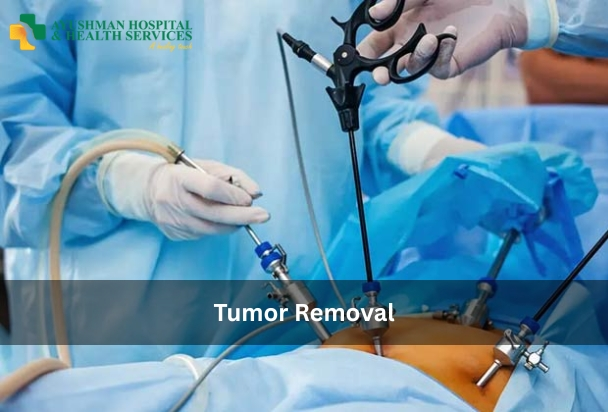
Tumors arise in the brain and in the anatomical structures surrounding the brain, such as the Pituitary Gland, Pineal Gland, Cranial Nerves, or membranes that surround the brain. Tumor-removal surgery is a procedure to remove abnormal growths of tissue, so that the tumor can be completely or partially removed. Tumor removal can be performed to relieve symptoms or to remove cancerous tissue when required.

Causes and Risk Factors of Brain Tumors

  • Changes in DNA cause uncontrolled cell division and tumor formation.
  • Frequent radiation exposure to the head or multiple head X-rays can increase the chances of brain tumors.
  • Long-term use of immunosuppressant medications can increase the risk of certain tumors.
  • Exposure to environmental elements such as harmful chemicals, toxins, or carcinogens like benzene can lead to tumor formation.
  • Hereditary causes, such as family history, contribute to the likelihood of developing brain tumors.

Symptoms of Tumors

Symptoms of brain tumors depend mainly on the tumors’ size, location, and speed of growth. Tumors can cause headaches that are continuous and persistent. Tumors can also cause nausea and vomiting, fatigue, confusion, visual problems, as well as more serious symptoms that include seizures, hearing loss, dizziness, memory problems, and changes in behavior. Depending on the circumstances, brain tumors can lead to vision loss or blindness if not addressed early.

Treatment Options for Tumors

  • Surgery

Surgery is often the most sought-after treatment for brain tumors. Removal of the tumor is done by either opening the skull to access the tumor or using awake brain surgery, where the patient remains awake to monitor brain function. Endoscopic surgery or partial removal of the tumor can also be done in the surgical removal of tumors.

  • Radiation Therapy

In Radiation Therapy for tumor treatment, doctors use high-energy beams, like X-rays or protons, to destroy tumor cells or stop their growth. Advanced methods like Intensity-Modulated Radiation Therapy (IMRT) and proton therapy are used to treat tumors in sensitive areas.

  • Chemotherapy

Chemotherapy uses medications that are usually very powerful to destroy cancer cells and prevent their growth. It’s commonly combined with surgery or radiation to improve results. Drugs target rapidly dividing cells, leading to side effects such as hair loss, nausea, fatigue, and lowered immunity.

  • Targeted Therapy

Targeted therapy uses drugs or substances in a modern setting to specifically target cancer cells, while minimizing damage to normal cells. These treatments block the signals that tumors use to grow or directly attack tumor-specific proteins.

Why Choose Ayushman for Tumor Removal Surgery in Dwarka, Delhi?

At Ayushman Hospital and Health Services, we are committed to providing comprehensive, top-tier Tumor Removal Surgery in Dwarka, Delhi, with an experienced team of Neurosurgeons. We focus on providing precise and accurate treatment through diagnosis, minimally invasive procedures, and holistic recovery plans tailored to each patient’s needs.

Here’s why Ayushman is the right choice for tumor surgery:

  • Expert Neurosurgeons and Oncology team
  • Cutting-edge surgical procedures
  • Comprehensive tumor care and follow-up
  • 24/7 critical care and monitoring practices
  • Multidisciplinary approach for the best patient outcomes
  • Patient-centered care with personalized plans

Book Your Tumor Treatment Consultation Today!

From trusted expert opinions, advanced investigations, and valuable treatment, we have a highly experienced team of Vascular and Neuro specialists available for Tumor Removal and Treatment.
Call now or book online to meet our specialists to discuss your symptoms, treatment options, and recovery plans.


Living with loss of hearing is not easy! It can shake your self-esteem as well as confidence, making you feel isolated. However, you are not alone; advanced Cochlear Implants (CIs) are now making a significant impact and changing the lives of children and adults all over the world. 

If you are looking for a Cochlear Implant Centre in Dwarka, Delhi, or the best Cochlear Implant Surgeon in Dwarka Delhi, this blog will help you make a well-informed and confident decision about the treatment and where to get it. 

What are Cochlear Implants?

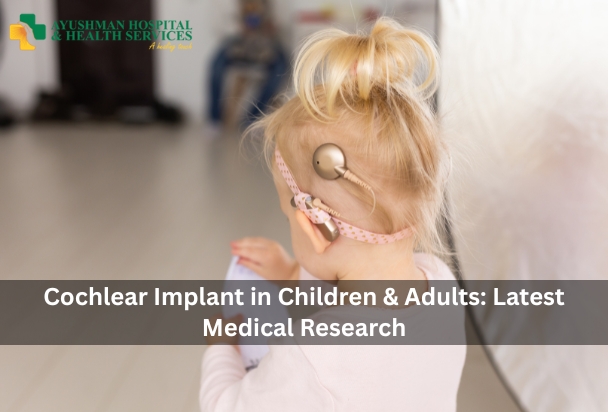
Cochlear implants are electronic medical devices that aid individuals with severe hearing loss to hear sounds by sending signals straight to their hearing nerve. Unlike traditional hearing devices, which make the sound louder, these implants bypass damaged parts of the inner ear and send signals straight to the brain.

How Cochlear Implants Work?

  • External component: Sounds are detected and transformed into digital signals by a sound processor worn behind the ear.
  • Internal component: Electrodes positioned inside the cochlea (the inner ear) receive these signals from a receiver under the skin.
  • Auditory nerve: Electrodes stimulate the auditory nerve, which transmits signals to the brain. They are perceived by the brain as sound.

Why Cochlear Implants Work and What’s New?

Cochlear implants stimulate the auditory nerve directly, avoiding the inner ear’s damaged hair cells. More recent studies have concentrated on “how to make them work better,” such as earlier implantation, better electrode design, and improved rehabilitation techniques, rather than whether implants work. The development of new medical technologies has created hopes about how they will impact speech, language abilities, and social outcomes across all age groups. 

  • Early implantation: the clearer the window, the better the outcome

According to recent research, earlier implantation leads to better auditory and language development outcomes, especially when performed before 12 months of age. An infant’s developing brain is highly adaptable, giving children the best chance to acquire spoken language skills on a trajectory closer to their hearing peers when they receive auditory input early.

  • Bilateral implants (both ears)

Using Cochlear Implants in both ears helps individuals to hear better in noisy environments and know where sound comes from. Providing bilateral implants to children and adults, at the same time or one after the other, has improved their daily performance, safety and overall quality of life. 

  • Long-term results

Cochlear implants have shown remarkable results, especially for children who got them in the early stages of their lives. Various studies show that children who received the implants, combined with speech therapy, school support, and audiology, did wonderfully well in their lives.

  • Electrode design and surgery

The characteristics of implants differ between types. Newer, softer electrodes are made to fit the natural shape of the ear. They decrease the amount of damage, which in turn protects the hearing that remains. Research studies from recent times show that patients will get their optimal post-operative hearing results through particular electrode choices and precise surgical methods performed during their operation.

  • Practical points: candidacy, audiology, and costs

Not everyone is a candidate for Cochlear Implants. It is only after multiple tests, scans and counselling that they decide whether the implants are suitable or not. After surgery, the audiology clinic acts as an essential post-operative facility because it provides vital device adjustment services and patient education programs. The Cochlear Implant price in India depends on the specific brand of the implant, the hospital, the surgeon and the selected therapy package. It is always advisable to ask for a cost breakdown, including surgery, implants, first mappings, stay in hospital, and therapy. 

Choosing the right Cochlear Implant hospital and surgeon in Delhi NCR

Look for:

  • A full team consisting of an expert ENT surgeon, audiologist, speech therapist, and pediatrician.
  • Experience with both children and adults, including two-ear implants.
  • Clear outcome data and research participation.
  • Strong post-surgery audiology and rehab services.

Final thoughts

There is nothing more wonderful than regaining access to sound and spoken communication, and Cochlear implants are the best choice to achieve it, for both children and adults. These implants keep improving with time, with better electrodes, two-ear strategies and long-term results. While not suitable for everyone, the cochlear implants come out as a winner for eligible candidates, restoring hearing power, improving social life and opening pathways to a brighter future. 

At Ayushman Hospital and Health Services, the best cochlear implant hospital in India, we believe in providing expert professionals, world-class services and tailored treatment to ensure your well-being. If you’re looking for cochlear implant & audiology clinic Delhi options, choose a centre with a skilled and trusted team, along with strong support for audiology. Always inquire about the type of electrode they provide, the expected results post-surgery and the full cost of the treatment, including therapy. 

Science and the medical field, together, have reached new heights. They are constantly evolving in terms of technology and innovation. In recent years, many groundbreaking developments have been made in the health care industry that are making a significant impact on the health practices and the patients involved. 

Nowadays, medical science, when combined with modern technologies, is changing the way we diagnose, treat and prevent diseases, offering hope to cure diseases which were once considered untreatable. The field of medicine now has the potential to save millions of lives across the world. One field that is undoubtedly emerging rapidly, and making the future of healthcare bright, is Robotic Surgery. 

At Ayushman Hospital and Health Services, we are reshaping medical care byintegrating robotic technologies with tailored treatments to provide the best care possible to our patients. We believe in offering a world-class experience to our patients through expert doctors and advanced technology. 

What is Robotic Surgery?

Robotic surgery primarily comprises a robotic arm, a high-definition camera and a surgical console. There is a common misconception around robotic surgeries that they do not require a surgeon, which is not true at all! A robotic surgery is performed by surgeons who are specially certified and trained in robot-assisted procedures. The surgical robots do not act or decide on their own. Every decision and movement is controlled by the surgeon who is operating the device. In this surgery, minimally invasive procedures are used, where instead of one large incision, a few smaller incisions are made during the operation, making it extremely precise, less painful, and faster to recover from. 

In this procedure, the surgeon controls the robotic arm using the console, for better control, access, accuracy and mobility during the surgery. On the robotic arm, tiny robotic instruments are attached, which are slipped through a small skin incision. The powerful 3D camera provides a magnified, high‑resolution view that allows the surgeon to command precise, delicate movements during the surgery. These movements are extremely smooth and steady, ensuring minimum damage to the surrounding tissues. 

Some common types of robotic surgeries are-

  1. Removal of the Gallbladder
  2. Weight-loss surgery
  3. Hysterectomy
  4. Appendectomy
  5. Hernia Repair
  6. Pancreatectomy
  7. Colectomy
  8. Gastric bypass
  9. Spine surgery and many more. 

Benefits of Robotic Surgery

  • Smaller scars and decreased blood loss

The Robotic arms can operate in small and tight areas; therefore, small incisions are made during the surgery, thereby reducing the blood loss. Moreover, the robot also seals the blood vessels while operating, helping the blood clot quickly. 

  • Greater precision

One of the most significant benefits of robotic surgery is its precision and accuracy. In comparison to the amount of space required by a human hand, the robotic arm needs less space and can work comfortably in tight spaces. 

  • Quicker healing:

The smaller the incision, the quicker the healing. As robotic surgeries involve smaller incisions, the loss of blood is less than the traditional surgeries, allowing the patients to recover quickly. It also has a lower infection rate.

  • Less operating time

In comparison to traditional surgeries, robot-assisted surgeries need less operating time due to their minimally invasive capabilities and improved precision. Due to the use of high-resolution cameras in the procedure, visibility increases, which further allows faster and accurate movements, making the operating time shorter.

  • Better Prognosis

A robotic surgery generally leads to a better prognosis for the patient. With small scars, less bleeding, short operating time and fewer postoperative complications, the patients experience faster recovery and better results. 

How are robotic surgeries empowering surgeons?

Robotic surgeries are not just a gift of technology to the patients. It is revolutionizing the surgeon’s life and experience, too. Real-time feedback, paired with total control, aids the surgeons to keep their movements steady and exact during the operation. Furthermore, with advanced tools by their side, the surgeons are experiencing less physical strain and improved body posture during the long operating hours. 

Tele robotic surgery is also gaining rapid recognition these days, where the surgery is performed on a patient in a remote area with precision and accuracy. This surgery consists of one or more robotic arms, controlled by the surgeon located remotely, using a master console. During the procedure, all the information is transferred using a secure telecommunications network.

Conclusion

Robotic Surgeries have revolutionized the medical field by adding new dimensions to surgical care. It is redefining the way we approach surgical treatments. The combination of human expertise and robotics accuracy is offering patients faster recovery, higher precision and greater outcomes. 

At the heart of this transformation, Ayushman Hospital and Health Services stands out as one of the leading hospitals in Delhi, offering state-of-the-art robotic surgery facilities. Here, we offer world-class services and modern technologies with compassionate care to our patients. Our team makes sure that each patient receives tailored treatment and complete support throughout their journey. Book an appointment now!

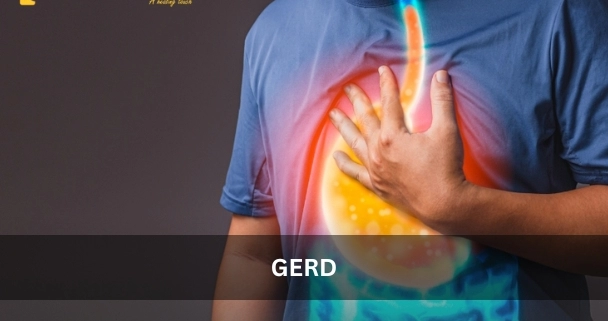
Gastroesophageal Reflux Disease (GERD) is a chronic, extremely common digestive disorder caused by the weakening of the Lower Esophageal Sphincter (LES), in which the contents of the stomach, especially acid or bile, frequently flow backward into the esophagus. It’s a tube connecting the throat and stomach. It irritates the esophageal lining, causing heartburn, chest pain, regurgitation, and difficulty swallowing.

Choose Gastroesophageal Reflux Disease (GERD) treatment in Dwarka, Delhi from Ayushman Hospital Health Services. At our hospital, we have highly qualified gastroenterologists and laparoscopic surgeons, evidence-based protocols, and personalized treatment plans that include lifestyle guidance and medical therapy for advanced treatment of acid reflux or GERD.

Acid reflux twice a week is often considered GERD, a long-term condition that often requires medical management. In India, the same problem is commonly called acidity, heartburn, gas problem, or gastric problems. 

What is Acid Reflux or GERD?

Acid reflux occurs when stomach acid travels into the esophagus. GERD is a serious and chronic condition where acid reflux happens more often. Most people experience acid reflux occasionally, like after a heavy meal or if they lie down after eating. However, when this becomes a routine (especially with multiple symptoms and impact on your lifestyle), it is called GERD.

GERD cannot be taken lightly as it can lead to nutritional deficiencies, poor quality sleep, work efficiency loss, mental stress, and serious complications like Barrett’s esophagus or esophageal strictures.

Symptoms of GERD

  • A burning feeling in the chest that worsens after eating food.
  • A sour or bitter-tasting fluid rises into the mouth after eating meals.
  • Discomfort or pain in the middle of the chest.
  • Persistent cough or throat irritation triggered by acidity.
  • Enamel damage from repeated exposure to regurgitated stomach acid coming to the mouth.
  • Sensation of a fluttering heartbeat due to severe acid reflux.
  • Unintentional weight loss and fatigue caused by reduced appetite.

Gastroesophageal Reflux Disease Treatment Options

Management of GERD involves a combination of lifestyle modifications and medications to help manage symptoms. Lifestyle modifications such as eating smaller, more frequent meals, avoiding spicy, fatty foods, and maintaining a healthy weight are often recommended. Management of stress, quitting smoking, and alcohol are also recommended.

  1. Medications for GERD

Medications such as omeprazole or pantoprazole and antacids like Digene are prescribed for 4–6 weeks or whenever necessary if lifestyle methods simply fail or do not work. While many patients respond well, those with persistent or severe GERD may require long-term medications, further tests, or even surgery.

  1. Surgical Treatment of GERD

For chronic and treatment-resistant GERD, surgical options such as laparoscopic fundoplication are considered. For GERD management and treatment, one needs to visit an accurate diagnosis center for such advanced or surgical cases.

Why Choose Ayushman for Advanced Gastroesophageal Reflux Disease (GERD) Treatment in Dwarka, Delhi?

Struggling with frequent acidity, heartburn, or acid reflux after meals? You might be dealing with GERD. At Ayushman Hospital and Health Services, we provide top-class surgical and non-surgical treatments and specialized care for GERD using the latest diagnostic tools and treatment protocols. Here’s why we are trusted for GERD treatment in Dwarka:

  • Reflux-focused gastroenterologists with surgical expertise
  • Endoscopy, pH monitoring, and manometry diagnostics
  • Diet, lifestyle, and medication GERD plans
  • Recovery support with diet and rehab

Book Your Consultation for Expert GERD Treatment Today!

Do you have persistent heartburn, chronic cough, hoarseness, or chest discomfort after meals? Acid Reflux and GERD can be the reason. At Ayushman Hospital and Health Services, Dwarka, we offer expert consultation, treatment, and care for Gastroesophageal Reflux Disease.

Take the first step toward comfort and wellness. Book your GERD consultation today with trusted doctors and surgeons at Ayushman.

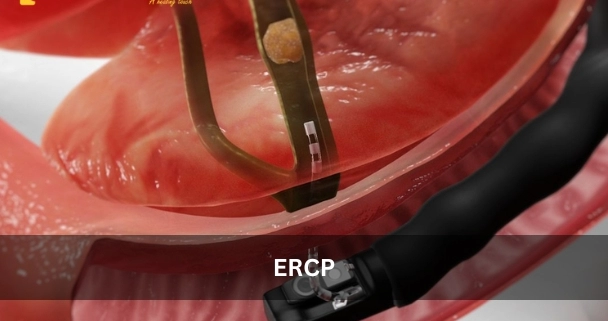
ERCP (Endoscopic Retrograde Cholangiopancreatography) is a highly specialized and minimally invasive procedure that is used to diagnose and treat issues of the biliary and pancreatic ducts by combining endoscopy and fluoroscopy (a type of X-ray). ERCP helps doctors see the bile and pancreatic ducts and also treat issues like blockages or leaks in the same session.

Choose the ERCP (Endoscopic Retrograde Cholangiopancreatography) procedure and treatment in Dwarka, Delhi from Ayushman Hospital and Health Services. At Ayushman, we have experienced and reputed gastroenterologists and endoscopy specialists who offer expert ERCP care, including precision, safety, and compassionate treatment under one roof. We have a dedicated team for effective, smooth, and complication-free ERCP (Endoscopic Retrograde Cholangiopancreatography) procedure and treatment.

What is ERCP?

Endoscopic Retrograde Cholangiopancreatography (ERCP) is a medical procedure performed to treat conditions affecting the bile ducts, pancreas, liver, and gallbladder by combining endoscopy and X-rays. A flexible tube is passed through the mouth into the digestive tract, where dye is injected, and X-rays are taken to check for issues in various parts of the biliary and pancreatic ducts. This method is especially useful for treating gallstones, narrowing due to tumors, post-surgery leaks, or infections like cholangitis.

What Does ERCP Do?

  • Diagnose problems in the bile or pancreatic ducts, liver, and gallbladder using imaging and contrast dye.
  • Removes stones stuck in the bile or pancreatic ducts to relieve pain, jaundice, or digestive issues.
  • Inserts stents into blocked or narrowed ducts to allow bile or enzyme flow into the intestine.
  • Takes biopsies and drains infected or leaking ducts, treating strictures, tumors, or surgical complications.
  • Combines endoscopy and X-ray to diagnose and treat issues in a single minimally invasive procedure.

ERCP (Endoscopic Retrograde Cholangiopancreatography) Procedure at Ayushman

Step 1: Fasting Before ERCP

The one undergoing the procedure must avoid food and drinks for at least 6–8 hours before the treatment. This clears the stomach and ensures better visibility during ERCP for doctors.

Step 2: Medication and Precautions

Doctors ask about the patient’s medication history and advise temporarily stopping blood thinners. An allergy or patch test is also usually done. Pregnancy tests may be needed; IV antibiotics are given if infection or stenting is expected.

Step 3: Sedation and Setup

A sedative is administered just before the procedure to ensure patient comfort. You’ll then be taken into the endoscopy room and positioned for the ERCP procedure.

Step 4: During the Procedure

A scope is inserted into the mouth and into the duodenum. A catheter injects dye into the ducts, and X-rays are taken. It’s done to look for any stones, blockages, or tumors, which are then treated on the spot.

Step 5: Types of Treatments Performed

The ERCP procedure accelerates treatment with immediate removal of stones, placing stents in narrowed ducts, biopsies for suspected tumors, and cutting muscle for better drainage.

Step 6: After the Procedure & Recovery

You’ll rest in a recovery area for 1–2 hours. Sore throat or gas is common. Avoid driving or alcohol for 24 hours.

Why Choose Ayushman for ERCP Procedure and Treatment in Dwarka, Delhi?

When it comes to diagnosing and treating complex bile or pancreatic duct conditions, choosing the right hospital is crucial. Choose the ERCP (Endoscopic Retrograde Cholangiopancreatography) procedure and treatment in Dwarka, Delhi, as we have cutting-edge technology, safer procedures, higher diagnostic accuracy, and better patient outcomes.

Ayushman Hospital and Health Services stands out as a trusted destination for ERCP treatment in Dwarka, Delhi. Here’s why:

  • It is performed by skilled gastroenterologists and endoscopy specialists.
  • Equipped with advanced fluoroscopy and endoscopy technology.
  • Offers minimally invasive diagnosis and treatment in one sitting.
  • High success rates in treating stones, strictures, and bile leaks.

Choose Expertise. Choose Ayushman. Book Your ERCP Appointment Today!

Whether you’re facing unexplained jaundice, pancreatitis, gallstones, or ductal issues, consult with an expert gastroenterologist, endoscopy specialist, and ERCP specialists at Ayushman. ERCP is not just a diagnostic test; it’s a powerful, life-changing therapeutic procedure that helps relieve symptoms, prevent complications, and offer timely intervention for serious gastrointestinal conditions. Don’t delay diagnosis. Call now to consult with an ERCP expert at Ayushman Hospital and Health Services and book your ERCP now.

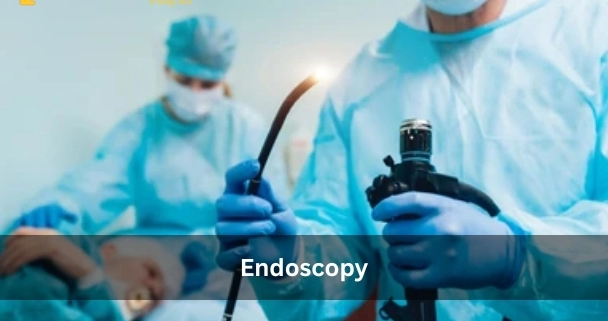
Endoscopy is a commonly performed, minimally invasive medical procedure that uses a flexible instrument called an endoscope to examine the inside of the patient’s body without requiring major surgery. Using an endoscope, the doctor can inspect, biopsy, and even treat certain conditions in real time.

Choose Endoscopy Procedure in Dwarka, Delhi from Ayushman Hospital and Health Services. We have the best-in-class, experienced gastroenterologists, advanced endoscopy procedures, and sterile, accredited facilities to provide you or your loved ones with the best endoscopy treatment possible. At our advanced endoscopy centre, we combine expert care, cutting-edge technology, and a patient-first approach to ensure a safe, accurate, and comfortable experience for every patient.

How Is Endoscopy Performed?

  • Preparation:

Depending on the type of endoscopy, patients are advised to fast for as long as 8 hours. Bowel-cleansing medicines are given in cases of colonoscopy.

  • Sedation or Anaesthesia:

Light sedation, like local anaesthesia, is used in most cases of endoscopy procedures.

  • Insertion of the Endoscope:

The endoscope is gently inserted through a natural body opening such as the mouth, anus, or urethra. Sometimes, a small incision is made to insert the device in a few cases.

  • Real-Time Visualization and Diagnosis:

The camera is inserted for better visibility of organs and tissues. In some endoscopy procedures, air is pumped in to expand for better visibility.

  • Biopsy or Treatment

In some cases, the surgeon removes polyps, takes tissue samples, or performs procedures such as stent placement.

  • Removal and Recovery:

After the procedure, the endoscope is removed, and the recovery area is looked upon until sedation wears off. Most patients go home the same day.

Types of Endoscopy

  • Upper GI Endoscopy (EGD / Gastroscopy)

A thin tube is passed through the mouth so the doctor can view the esophagus, stomach, and duodenum. This helps diagnose reflux, ulcers, bleeding, and swallowing difficulties.

  • Colonoscopy

A colonoscope is inserted through the anus during a colonoscopy to examine the large intestine and rectum. This helps diagnose polyps, cancer, or bowel disease.

  • Capsule Endoscopy

A pill-sized camera takes thousands of images of the digestive tract. The size of the capsule camera helps detect bleeding in the small intestine or Crohn’s disease.

  • Endoscopic Ultrasound (EUS)

EUS uses an endoscope and ultrasound to scan previously imaged organs such as the pancreas and lymph nodes. This is a useful tool since it obtains images in a better quality, plus allows for tissue sampling. The most common use is in cancer diagnosis.

Other types of endoscopy include sigmoidoscopy, which checks the rectum and lower colon for bleeding or pain, and laparoscopy, which is used to examine and treat abdominal or pelvic issues such as hernias or endometriosis. Bronchoscopy helps investigate lung problems, while cystoscopy examines the bladder and urethra for infections or stones.

Why Choose Ayushman for Endoscopy Procedure in Dwarka, Delhi?

Are you suffering from unexplained bleeding, nausea, or pain? Trust Ayushman Hospital and Health Services for cutting-edge Endoscopy procedures in Dwarka, Delhi. Our expert, board-certified gastroenterologists use the most advanced technology available to perform every single type of endoscopy, including gastroscopy, colonoscopy, capsule endoscopy, and EUS, with precision, safety, and kindness.

At Ayushman, we make your experience seamless with simple preparation before your procedure, modern endoscopy suites, and little-to-no wait times, clear and upfront pricing for your diagnosis, biopsy, or treatment.

Book Your Endoscopy Consultation Today

Don’t make the mistake of brushing off issues like abdominal pain, acid reflux, dark stools, or trouble swallowing. Opt for endoscopy, and let us check and treat serious issues at the earliest, such as ulcers, polyps, inflammation, or even cancer. Book your appointment at Ayushman today and take a confident step toward better digestive health.

A colonoscopy is a diagnostic, therapeutic, or preventive procedure that allows doctors to detect diseases inside the colon, large intestine, or rectum. It is done using a long, flexible tube called a colonoscope, with attached light and a tiny camera. The camera is used to take pictures and display video on a monitor, and to detect polyps, ulcers, tumors, or inflammation, if any. It can also help to treat a few issues with the help of the specialized instruments attached to the scope.

Choose a colonoscopy procedure in Dwarka, Delhi, for the most trustworthy colonoscopy treatment in the city. At Ayushman Hospital and Health Services, we have highly experienced gastroenterologists and colorectal surgeons trained in treating diseases of the colon, rectum, and anus. At our hospital, we combine specialist expertise, cutting-edge technology, and compassionate care to offer a safe, accurate, and comfortable colonoscopy experience.

Why Is Colonoscopy Performed?

  • Detects and treats colorectal cancer, ulcers, inflamed tissues, and bleeding lesions.
  • Diagnose digestive issues like diverticulosis, diverticulitis, strictures, GI perforations, or large bowel obstructions.
  • Investigate unexplained symptoms for rectal bleeding, chronic diarrhea, or rapid weight loss.
  • Monitor high-risk patients with a history of polyps, cancer, IBD, or genetic syndromes like Lynch or FAP.
  • Recommended for individuals aged 45+ and those with added risks like obesity, smoking, or heavy alcohol use.

Types of Colonoscopy

  1. Traditional Colonoscopy

In a traditional colonoscopy, a doctor inserts a long, flexible tube through the rectum to examine the colon. The images help observe the inner lining of the colon, detect abnormalities like polyps, and remove them.

  1. Virtual Colonoscopy (CT Colonography)

In virtual colonoscopy, air or carbon dioxide is pumped into the colon through a small tube for better visibility of the rectum. No scope is inserted into the colon in virtual colonoscopy.

  1. Screening Colonoscopy

A screening colonoscopy is for people aged 45 and older. Done on patients with no symptoms, it helps detect silent colorectal cancer or precancerous polyps. The test is preventive and can be repeated every 10 years.

  1. Diagnostic Colonoscopy

If symptoms are already present, the doctor needs to investigate the signs and determine their cause. The procedure involves visual inspection, and if abnormalities such as ulcers or polyps are found, tissue samples (biopsies) may be taken immediately.

Procedure of Colonoscopy at Ayushman

Step 1: Sedation or Anesthesia

The patient is given moderate sedation or deep sedation, whichever best suits the patient’s needs.

Step 2: Positioning

The patient is asked to lie down on the left side, and the knees are pulled toward the chest to allow easier access to the rectum.

Step 3: Inserting the Colonoscope

The colonoscope is inserted through the anus; sometimes the scope also inflates the colon with air or CO₂.

Step 4: Visual Examination

The camera on the scope monitors for polyps, lesions, ulcers, or other abnormalities. It also treats minor abnormalities during the colonoscopy procedure.

Step 5: Tissue Sampling or Treatment

During the treatment, the doctor uses the scope to remove polyps, take biopsies, stop bleeding, and treat abnormal areas with laser, heat, or medicine.

Step 6: Withdrawal

The scope is withdrawn slowly. The actual procedure takes about 30–60 minutes and occurs in a hospital.

Why Choose Ayushman for Colonoscopy Procedure in Dwarka, Delhi?

Are you suffering from gastrointestinal issues? We recommend Ayushman Hospital and Health Services for the most trustworthy Colonoscopy Procedure in Dwarka, Delhi. We offer specialist expertise, cutting-edge technology, and compassionate care with board-certified gastroenterologists and an edge in performing diagnostic and therapeutic colonoscopies compared to other hospitals in Dwarka.

At our hospital, we ensure we provide you with clear guidance, transparent costs, and 24/7 support.

Book Your Consultation Today!

Don’t wait for symptoms to worsen. Colonoscopy helps identify cancer, polyps, IBD, and other serious issues. Book your consultation and screening process with us. Schedule your appointment now with us at Ayushman and take control of your digestive health.

Septoplasty is a surgery performed to fix or straighten a crooked or deviated nasal septum. In the nose, the cartilage and bone that separate the nostrils are called the nasal septum. If the septum is severely deviated or crooked, it can obstruct airflow, leading to difficulty breathing and recurrent nasal issues. Septoplasty surgery is performed to reduce sinus infections and alleviate nasal blockage, to improve overall quality of life.

Choose Septoplasty Treatment at Ayushman Hospital and Health Services in Dwarka, Delhi. At Ayushman, you’ll find experienced surgeons and quality care essential for optimal outcomes. We have preoperative assessments, post-op nursing support, and easy access to emergency care for top-notch septoplasty surgery for you and your loved ones.

What is Septoplasty Surgery?

Septoplasty surgery fixes a crooked or deviated septum, causing airflow issues in your nose, which further leads to problems with breathing. During septoplasty, the surgeon lifts the soft lining (mucosa) from the cartilage and bone of the septum. The bent portions are then removed or straightened, and the lining is placed back over the corrected septum. The procedure generally takes about 45 minutes, and general anaesthesia or sometimes local anaesthesia is used. Initial recovery from septoplasty surgery usually takes a week or two, but full recovery may take several months.

Procedure of Septoplasty Surgery

Step 1: Preparation and Anaesthesia

The patient is given general or local anaesthesia so that they are comfortable during the procedure.

Step 2: Accessing the Nasal Septum

A small incision is made in the nostril to access the nasal septum that will not leave visible scars after the incision is made.

Step 3: Elevating the Mucosal Lining

The soft-tissue lining (mucosa) is elevated gently to expose the cartilage and bone underneath.

Step 4: Removing or Reshaping Deviated Structures

The surgeon removes or reshapes portions of the cartilage and bone that are crooked to eliminate the obstruction.

Step 5: Positioning the Septum

The septum is now positioned into a straighter, central position, which improves airflow.

Step 6: Repositioning the Mucosal Lining

The mucosal lining is placed over the nasal septum to promote optimal healing and shield the internal structures.

Step 7: Placing Internal Nasal Packing

Splints or nasal packing are used to support healing and manage bleeding. Some packing materials dissolve on their own, while others need to be removed later during a follow-up visit.

Step 8: Recovering from the Procedure

The patient will remain under supervision until they fully recover. Most patients go home the same day unless packing removal is necessary for overnight observation.

Step 9: Post-operative Instructions

The discharge instructions include care of the nose, medications, and follow-up appointments to provide for a smooth recovery.

Why Choose Us for Septoplasty Treatment in Dwarka, Delhi?

At our ENT department, septoplasty isn’t just a surgical procedure, it’s a comprehensive journey to help you or your loved ones breathe freely and live better. Whether you’re suffering from chronic nasal blockage, snoring, frequent nosebleeds, or sinus infections due to a deviated septum, our facility offers safe, expert-guided correction using evidence-based practices and the latest medical advancements.

Here’s why patients and families choose septoplasty at Ayushman Hospital and Health Services:

  • Expert ENT Surgeons with Proven Track Records
  • Advanced Diagnostic & Surgical Technology
  • Comprehensive ENT & Airway Team
  • Full Spectrum of Care – From Consultation to Recovery
  • Patient Safety & Comfort First

Book Your Septoplasty Consultation Today

Have your symptoms worsened, with nasal blockage affecting breathing, sleeping, or overall quality of life? Trust Ayushman’s septoplasty surgery to help yourself and your loved ones. Don’t wait any longer to breathe better. Call or book your septoplasty consultation online today.

Tinnitus is a medical condition in which one experiences a perception of sound in the ears or head when, in actuality, no external sound is present. While not a disease, it is a symptom of an underlying issue in the ear, the brain, or the auditory system. Patients describe tinnitus as a ringing, buzzing, or humming sound, like a bothersome noise that impacts concentration, well-being, and sleep.

Choose Tinnitus treatment at Dwarka, Delhi, at Ayushman Hospital and Health Services for the most reliable tinnitus treatment in the city. At Ayushman, we bring you the most specialized ENT department in coordination with audiologists, therapists, and neurologists to help manage and lessen the impact of tinnitus.

Who Is Affected by Tinnitus?

  • Hearing loss, like tinnitus, can affect older people, especially those aged 60 and above.
  • People are exposed to continuous loud noise while involved in construction, the music industry, or the military.
  • Patients with hypertension, diabetes, thyroid disorders, or autoimmune diseases.
  • People experiencing high levels of stress, anxiety, or sleep deprivation.
  • People with hearing loss may also experience tinnitus.
  • Children with congenital or acquired hearing loss.
  • People with habits like smoking cigarettes and drinking alcohol are more prone to tinnitus.

Tinnitus Treatment and Management

Though no cure is available to treat tinnitus, the management of tinnitus can be done in several ways. Tinnitus can cause mild annoyance occasionally and can also become chronic and affect sleep, focus, and emotional well-being.

There are quite a few treatment ways for better tinnitus management:

1.Identifying the Root Cause

Treating tinnitus requires inquiring about its causes to identify issues such as earwax impaction or ear infections. Tinnitus will probably lessen or disappear in these situations.

  1. Sound Therapy

External sounds, such as white noise, help mask tinnitus. Wearable sound generators and combination devices further aid in distraction and relaxation from tinnitus-irritating noises.

  1. Hearing Aids

Hearing aids make tinnitus a little harder to hear. Hearing aids improve people’s ability to communicate with others and also include maskers for additional benefit when hearing loss is present.

  1. Cognitive-Behavioral Therapy (CBT)

The objective of CBT is to help patients divert their thoughts away from tinnitus sounds. CBT aids in desensitization to tinnitus sounds, while cognitive rationalization is accepted. This way, anxiety and stress related to tinnitus are decreased.

  1. Medications

Medications are prescribed to promote sleep when tinnitus is anxiously bothering a person. Suggestions to avoid caffeine and nicotine also help control symptoms and manage tinnitus.

Key Measures to Prevent Tinnitus

  • Lower Device Volume: To prevent tinnitus, it’s better to keep headphone or earbud volumes low to avoid inner ear damage.
  • Use Ear Protection: Earplugs and earmuffs at noisy concerts or construction sites help protect from tinnitus.
  • Control Underlying Health Issues: Managing health conditions like blood pressure, diabetes, and cardiovascular disease helps minimize the risk of tinnitus and other hearing issues.
  • Practice Relaxation Techniques: Relaxation techniques such as yoga, meditation, and deep breathing reduce stress and treat tinnitus.

Why Choose Ayushman Hospital and Health Services for Tinnitus Treatment in Dwarka, Delhi?

At Ayushman Hospital and Health Services, we provide the most trusted tinnitus treatment in Dwarka, Delhi. We have a team of expert ENT specialists, audiologists, neurologists, and behavioral therapists to treat patients with tinnitus, in whichever state they are, whether it’s mild, chronic, or severe. At Ayushman, we have:

  • Expert team of experienced ENT and audiology specialists
  • Advanced diagnostics, including MRI and audiometry
  • Comprehensive therapy, including TRT and CBT
  • Holistic care, including stress management and diet
  • Specialized treatment for chronic, complex tinnitus cases
  • A focus on patient care to support daily wellness

Book Your Tinnitus Consultation Today and Get Relief!

Are you done with ringing, buzzing, or hissing noise in your ears? At Ayushman Hospital and Health Services, we help you regain peace and focus with evidence-based, multidisciplinary treatment and management of tinnitus. Book your appointment today and consult with our ENT and audiology experts in Dwarka, Delhi.

Sinus Surgery, also called Functional Endoscopic Sinus Surgery (FESS), is a surgical treatment performed to treat chronic sinusitis by removing blockages to improve drainage and airflow through the nasal passages. Sinuses are air-filled cavities around the nose and eyes, and when they become inflamed or blocked, a condition called sinusitis occurs.

Choose Sinus Surgery and Treatment in Dwarka, Delhi, from Ayushman Hospital and Health Services. Sinus surgery involves delicate structures near the eyes, brain, and major blood vessels. It’s extremely important to choose a trustworthy ENT clinic and hospital for sinus surgery. 

Ayushman Hospital and Health Services is the best choice for sinus treatment, as we have a strong team of expert ENT specialists, Otolaryngologists, and Rhinologists specialized in treating various nasal and sinus conditions.

What Is Functional Endoscopic Sinus Surgery (FESS)?

Sinuses can cause facial pain, congestion, and headaches. While many cases improve with medication, surgery is needed in cases of persistent symptoms or complications due to sinus issues.

Functional Endoscopic Sinus Surgery (FESS) is a minimally invasive procedure used to treat chronic sinusitis. With no external incisions, the surgeon accesses the sinuses through the nostrils and removes polyps, scar tissue, or inflamed tissue, or treats structural problems using medically approved clinical tools.

Who Needs Sinus Surgery?

Sinus surgery is typically recommended for individuals with chronic sinusitis symptoms that do not improve with antibiotics or steroid treatments. Anyone with structural nasal issues, such as a deviated septum or fungal sinus infection, may need sinus surgery. Sinus surgery benefits people experiencing persistent nasal congestion, thick discharge, facial pain, or a reduced sense of smell and taste.

Sinus Surgery Procedure

Step 1: Anesthesia

The sinus operation begins with administering general anesthesia so that the patient experiences no pain or discomfort.

Step 2: Endoscope Placement

A thin, flexible nasal endoscope is carefully inserted through the nostrils into the sinus cavities. The surgeon visualizes the nasal and sinus passages at magnification.

Step 3: Removal of Obstructions

To remove nasal obstructions (polyps, scar tissue, or a deviated septum), the surgeon carefully excises the obstructions using endoscopic tools to relieve pressure and promote good airflow.

Step 4: Balloon Dilation and Packing

In certain cases, a small balloon may be inflated to widen the sinus openings. Absorbable packing materials, like Surgiflo, may be placed to control bleeding.

Recovery and Aftercare of Sinus Surgery

Patients can expect some fatigue and mild bleeding for up to two weeks, with complete healing taking 4 to 8 weeks post-sinus surgery. Postoperative care includes regular saline spray use during recovery, while nasal irrigation should be started twice daily after packing removal. Patients should also avoid blowing their nose, engaging in strenuous activity, and using over-the-counter NSAIDs unless prescribed.

Why Choose Ayushman Hospital and Health Services for Sinus Surgery & Treatment in Dwarka, Delhi?

Functional Endoscopic Sinus Surgery (FESS) is an intricate procedure that can be effectively performed by ENT specialists with appropriate training and enhanced postoperative care. Ayushman Hospital and Health Services offers reliable Sinus Surgery and Treatment in Dwarka, Delhi. We have professional staff and equipment, so we can tailor the level of attention needed to provide you with the best long-term management of chronic sinusitis, nasal polyps, and other conditions related to a deviated septum.

Here’s why Ayushman Hospital is the preferred choice for sinus surgery for many:

  • Expert ENT surgeons for FESS, balloon sinuplasty, and septoplasty.
  • Advanced surgical setup with high-definition endoscopes and imaging tools.
  • Comprehensive diagnostics using CT scans and nasal endoscopy.
  • End-to-end care from consultation to post-surgery recovery.
  • Minimally invasive sinus surgery with quick, low-risk recovery.

Book Your Consultation Today

Don’t let sinus symptoms interfere with your life: Trust Ayushman Hospital and Health Services in Dwarka, Delhi, for your ENT needs. Get the appropriate treatment as soon as possible, and we can help you with long-term relief. Call now to consult or schedule your Sinus Surgery. Please consult with one of our experienced ENT doctors, and breathe easier, sooner.