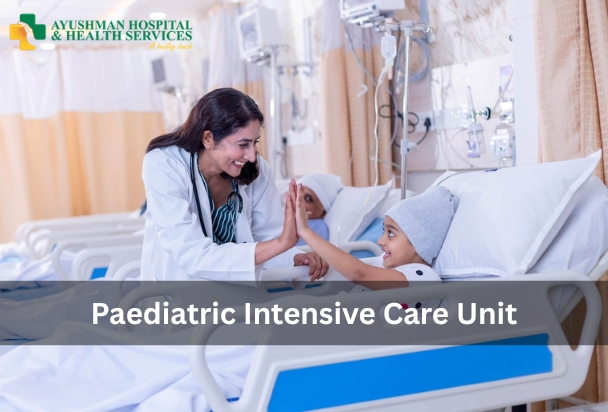
Pediatric surgery is an extremely specialised area of medicine that deals with surgical treatment and diagnosis in infants, children, and adolescents, from congenital defects to trauma. Pediatric surgeons start training after general surgery to develop knowledge, fine motor skills, and even emotional intelligence to care for children and understand their unique anatomy and physiology required to perform surgeries in children. Since children’s bodies are still developing, they are affected by illness, anesthetics, and their surgery needs to be done differently than in adults. That is why pediatric surgeons come into play to ensure safe and effective surgery and recovery in pediatric medicine.

It’s important to seek the right pediatric surgical care to prevent worsening conditions and prolonged suffering. Choose pediatric surgery and treatment at Ayushman Hospital and Health Services in Dwarka, Delhi, for best-in-class care with specialised equipment, child-friendly environments, and expert teams that focus exclusively on young patients. Our surgeons, who specialise in the surgical treatment of children, employ customised anaesthesia, a minimally invasive approach, and compassionate care to ensure a tailored experience for children and their parents.


When Should a Child See a Pediatric Surgeon?

  • Children experiencing trauma, such as fractures, lacerations, or internal bleeding, require a pediatric surgeon’s expertise.
  • Gastrointestinal issues in children, including recurrent vomiting, feeding problems, or congenital intestinal malformations.
  • Chronic abdominal pain not responding to medical treatment often indicates appendicitis or an intestinal obstruction.
  • Congenital birth abnormalities such as undescended testicles or hernia in children.
  • Newborns and infants are facing urinary challenges, such as obstructed kidneys, vesicoureteral reflux, or recurrent urinary tract infections requiring surgical correction.
  • Lumps in the head, neck, or chest in children that may be tumors or cystic growths needing surgical treatment.

Advantages of Pediatric Surgery

  • Expertise in Children: Pediatric surgeons understand anatomy and physiology in a child’s growing body. Pediatric surgeons recognise the growth of children during surgery, which is why they apply precision and safety when performing surgery.
  • Minimally Invasive: The use of laparoscopy and robotic options in children’s surgery provides better surgical outcomes with less surgical pain.
  • Early Treatment Benefits: Surgeries for congenital anomalies or medical urgencies can greatly eliminate long-term complications and promote healthier futures for children.
  • Children-Specific Instruments: Pediatric surgeons have a unique and child-friendly toolkit of instruments that minimises the possibility of injury and enhances surgical accuracy beyond the accuracy of similar adult surgical instruments.

Types of Pediatric Surgery

  • Appendectomy (Appendix Removal): Removal of the infected appendix to prevent rupture and life-threatening complications. When performed on children, they generally recover quickly with minimal discomfort.
  • Hernia Repair Surgery: This surgery repairs a hernia by correcting the intestines that are pushing through weak abdominal muscles. This safe and effective surgery prevents future complications and helps the child return to normal life quickly.
  • Cleft Lip/Palate Surgery: Repairs gaps in the child’s lip or palate present at birth. It is advisable to ensure optimal growth, build confidence, and support healthy development in young children.
  • Hypospadias Repair Surgery: Performed on boys whose urinary opening is incorrectly positioned. Pediatric surgeons reconstruct the urinary opening to function normally and support healthy reproductive organ functioning.
  • Circumcision Procedure: Removes the foreskin from the penis for cultural, religious, or medical reasons. Performed under anesthesia, this procedure is safe and comfortable for young patients.

Why Choose Ayushman for Pediatric Surgery and Treatment in Dwarka, Delhi?

Pediatric surgery demands specialised skills, child-friendly care, and advanced technology. At Ayushman Hospital and Health Services, we provide expert pediatric surgical care in Dwarka, Delhi, offering quality surgical care for infants, children, and adolescents with congenital, developmental, or acquired conditions.

We have expert pediatric surgeons with advanced training in minimally invasive, reconstructive, and urological procedures. Backed by child-focused anesthesiologists, pediatricians, and nurses, we ensure every child receives safe, compassionate, and precise treatment. We have top-notch facilities, specialised pediatric instruments, and the latest surgical techniques, including laparoscopy and robotic-assisted surgery, for faster recovery, less pain, and minimal scarring.


Book Your Pediatric Surgery Appointment Today!

Worried about where to get the best pediatric care and surgery for your child? Early assessment by a pediatric surgeon can make all the difference! Schedule a consultation at Ayushman Hospital and Health Services and give your child the best possible care.

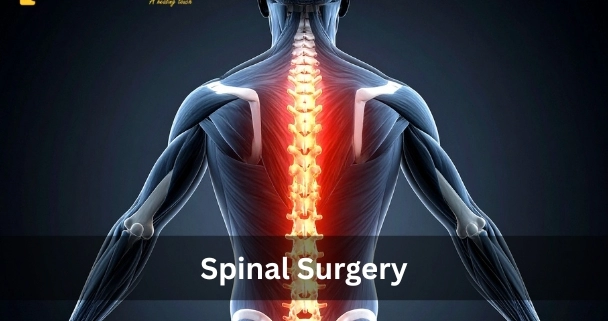
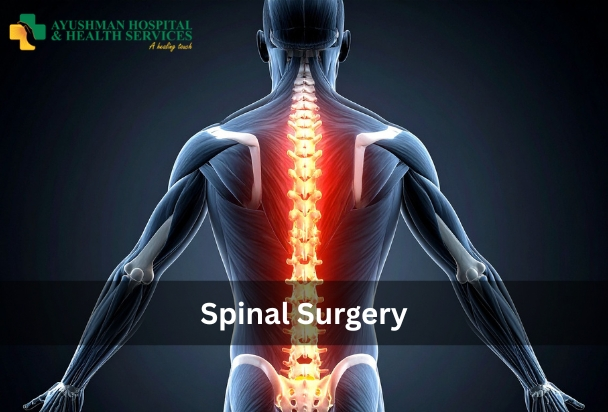
Spine surgery is a critical surgery for patients suffering from serious spinal problems such as slipped discs, spinal canal narrowing, and deformities of the spine. Spine surgery is a very specialised procedure that helps with persistent pain relief, deformity correction, improved mobility, and spinal stability after non-invasive or minimally invasive methods such as medication, physical therapy, or injections have failed to provide significant relief.

Nowadays, minimally invasive spine surgery is widely used in place of traditional open surgery that requires a long incision and significant muscle retraction. Get critical spine surgery and treatment in Dwarka, Delhi, at Ayushman Hospital and Health Services, offering specialised spine care. Our hospital has first-rate imaging, robotic-assisted tools, and rehabilitation support for comprehensive recovery and great results. We have top neurosurgeons and orthopaedic surgeons in Dwarka, Delhi.


What does Spine Surgery Mean?

Surgery of the spine is performed only after physical therapy, medications, and spinal injections have all failed. Typically, when a disc has slipped, the motion of the spine becomes unstable, causing pain in the leg or back, weakness, numbness, or difficulty walking. The goal of spine surgery is to fix and stabilise any underlying problems on a permanent basis.

Back surgery and spine surgery can at times be used interchangeably, but they are not the same thing. Back surgery includes all surgical procedures to treat pain or problems of the muscles, ligaments, nerves, or bones of the back. Spine surgery is a specialised branch of surgery that is focused only on the vertebrae, discs, spinal cord, and nerves.


Who Should Consider Spinal Surgery?

  • Patients with chronic back pain that is not responding to medications, physiotherapy, or injections should consider surgery.
  • Patients with nerve compression symptoms, such as numbness, tingling, or weakness in the legs.
  • Patients with spinal deformities, such as scoliosis or kyphosis, may experience challenges with posture and movement.
  • Patients with traumatic spinal fractures or injuries causing instability.
  • Patients who are developing difficulty standing or walking due to progressive spinal stenosis should consider surgery to decompress the spinal canal.
  • Individuals with bowel or bladder control problems due to spinal nerve pressure require a surgical spinal assessment without delay.

Procedure of Spine Surgery at Ayushman

  • Preparation for Surgery

The doctor reviews scans, takes blood tests and completes the medical consultation to confirm the need for spinal surgery.

  • Anesthesia Administration

The patient receives general anesthesia to ensure that no pain or movement is felt during the surgery.

  • Incision

The doctor makes a minimally invasive incision or a larger incision, depending on the type of surgery.

  • Construction of Surgery

Doctors use specialised tools to access the spine with minimal muscle disturbance, repairing issues such as herniated discs, freeing nerves, or fusing bones with screws, rods, bone grafts, or implants.

  • Closing the Incision

The incision is stitched and dressed to avoid infection and to promote healing.

  • Post Surgery Recovery

The patient is moved to recovery while pain is managed and physiotherapy is introduced quickly.

  • Minimally Invasive Spine Surgery vs Laser Spine Surgery

Minimally Invasive Spine Surgery (MISS): Uses advanced tools and cameras through small incisions to treat spine conditions. Common, safe, and widely performed by trained surgeons for various spine problems.

  • Laser Spine Surgery

Uses focused laser energy to remove or shrink damaged spinal tissue. Rare, limited applications, often advertised but not widely used by specialists.


Minimally Invasive Spine Surgery vs Laser Spine Surgery

Minimally Invasive Spine Surgery (MISS)

Uses advanced tools and cameras through small incisions to treat spine conditions. Common, safe, and widely performed by trained surgeons for various spine problems.

Laser Spine Surgery

Uses focused laser energy to remove or shrink damaged spinal tissue. Rare, limited applications, often advertised but not widely used by specialists.


Why Choose Critical Spine Surgery & Treatment in Dwarka, Delhi?

At Ayushman Hospital and Health Services, we offer critical Spine Surgery & Treatment in Dwarka, Delhi, for patients with chronic back pain, spinal deformities, disc issues, and nerve compression. Our spine surgery facility is staffed with qualified spine surgeons, neurosurgeons, and orthopaedic surgeons to ensure accurate diagnosis and advanced spine treatment that improve mobility, relieve pain, and enhance overall spinal health.

At Ayushman, we ensure that our patients receive intravenous medications, physiotherapy, minimally invasive spine surgery, spinal fusion and lifestyle advice, ensuring the highest quality treatment for all types of spinal surgery.


Book Your Appointment Today!

Don’t let spine problems affect your movement or quality of life. Call us and book best-in-class, patient-centred spine surgery and care today.

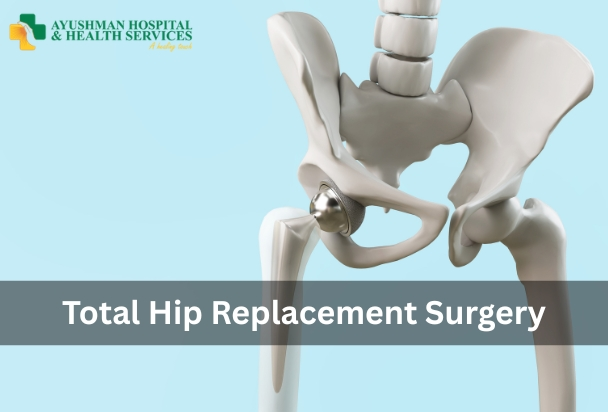
Hip replacement surgery, also known as total hip arthroplasty, is one of the most common orthopaedic procedures performed when chronic hip pain from arthritis or a previous injury has not improved with other treatments and cannot be tolerated. Hip replacement surgery involves removing the injured or damaged hip joint and replacing it with artificial hip implants that provide mobility, function, and pain relief. In contrast to partial hip replacement, which replaces only one side of the joint, total hip replacement is a complete solution for hip joints that are severely damaged.

Choose total hip replacement surgery in Dwarka, Delhi from Ayushman Hospital and Health Services. At our hospital, we have the latest diagnostic imaging equipment, speciality surgeons, minimally invasive techniques and custom implants for comprehensive rehabilitation. Our approach is based on the knowledge that improvement in recovery is significant, and we should do everything we can to let patients return to an active, pain-free lifestyle with full mobility ahead in life.


Total Hip Replacement Surgery

Total Hip Replacement (THR) is performed to reconstruct the hip joint by replacing the femoral head and the acetabulum. In partial hip replacement, the surgeons replace just the femoral head, and in hip resurfacing, the surgeons replace just the femoral head. THR is the gold standard for extensive joint damage and is a reliable way to relieve pain and restore mobility. THR involves severe osteoarthritis, rheumatoid arthritis, post-traumatic arthritis, or collapse of the hip joint to restore long-term independent living, stability, and quality of life.


Who Needs Hip Replacement?

  • Those with extensive hip pain who struggle to perform daily living activities, even with medication and therapies to restore mobility.
  • Those with debilitating, severe stiffness in their hip joint, which hampers mobility and makes even simple movements extremely difficult.
  • Those with advanced osteoarthritis or rheumatoid arthritis who feel their hip joint degenerating or experiencing unmanageable pain.
  • Those with traumatic or fracture injuries to the hip where the bone cannot heal properly.

Benefits of Total Hip Replacement

  • Hip replacement reduces pain and makes daily activities much easier and more comfortable.
  • Surgery restores joint movement, making it easier for patients to walk, bend, climb, sit or stand.
  • It gives people a better life with more freedom, confidence, and social participation.
  • Surgery improves or corrects the way the hip joint works, so balance and posture improve, leading to a smoother gait.

Procedure of Total Hip Replacement (THR)

Step 1: Preoperative Evaluation and Planning

A doctor will assess the patient’s health, order blood tests, and evaluate X-rays or MRIs. They will select the appropriate hip prosthesis.

Step 2: Anesthesia and Positioning

One will receive anesthesia to eliminate pain. Doctors will safely position the patient on the table to optimise access to their hip.

Step 3: Surgical Incision and Joint Exposure

A surgical incision (cut) is made to access the hip. The surgeon will carefully move anatomical structures aside to visualise the joint requiring treatment.

Step 4: Removal of Damaged Bone and Cartilage

The surgeon will remove all diseased, damaged, or worn-out bone and cartilage to identify the hip joint, clear the joint, and make space for the prosthetic components.

Step 5: Placement of Prosthetic Components

A new metallic socket is placed in the hip bone. A new ball and stem are attached to the thigh bone.

Step 6: Closure and Recovery Monitoring

The surgeon will close the incision with sutures and apply a dressing. The patient will be closely monitored for safety as they wake from anaesthesia.


Why Choose Ayushman for Trusted Total Hip Replacement Surgery in Dwarka, Delhi?

At Ayushman Hospital and Health Services, we provide trusted Total Hip Replacement Surgery in Dwarka, Delhi, helping patients with severe arthritis, fractures, and hip joint damage to regain mobility and comfort. Our experienced orthopaedic specialists utilise current implants and advanced techniques for safe, reliable outcomes.

We are experts in the industry, best known for our preoperative screening, personalised and customizable surgical options, and structured rehab programs to help patients rehabilitate faster. We offer advanced imaging and world-class prosthetics, and we collaborate with multiple specialists to provide patients with the best possible long-term joint health.


Book Your Appointment for Hip Replacement Today!

Don’t let hip pain limit your daily life. Choose Ayushman Hospital and Health Services for trusted, patient-centred Total Hip Replacement Surgery in Dwarka, Delhi. Book your appointment today.

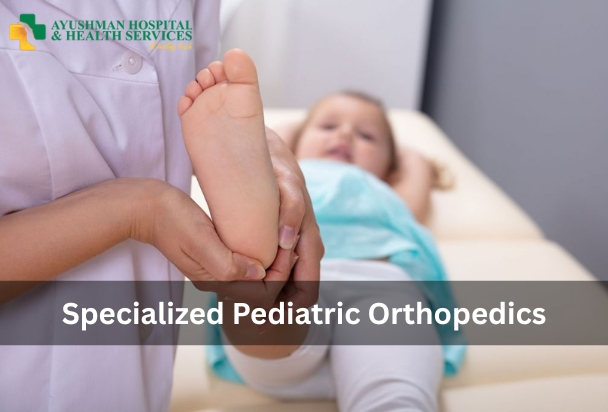
Pediatric orthopaedics is a subspecialty of medicine focused on the diagnosis, treatment, and prevention of musculoskeletal disorders in infants, children, and adolescents. While adult bones, joints, muscles, and ligaments are mature and the growth plates have closed, children’s bones, muscles, joints, and ligaments are still growing. As a result, pediatric orthopaedic surgeons have specialised training in the development of these structures in infants, children, and adolescents to appropriately diagnose, treat, and manage children’s musculoskeletal problems. Early identification and treatment in pediatric orthopaedics are important for helping a child develop normally without long-term effects, such as persistent mobility issues and physical disabilities.

Choose Pediatric Orthopedic Services in Dwarka, Delhi from Ayushman Hospital and Health Services. We provide the most specialised pediatric orthopedic services in a child-friendly environment in the town. We have cutting-edge diagnostic tools and expert surgeons who understand the anatomy of growth. Any parent seeking treatment for musculoskeletal issues in their children can be assured of better recovery, improved function, and long-term health by consulting experienced pediatric orthopedists at Ayushman Hospital and Health Services.


What Is a Pediatric Orthopedist?

A pediatric orthopedist is a medical doctor trained to manage musculoskeletal problems in children. Orthopedists who see children often specialise in treating growing and developing bones, joints, and soft tissues.


Why Are Pediatric Orthopedics Different?

Pediatric orthopedics is different from general orthopedics because the child’s bones, joints, and soft tissues are always growing and developing. Children do not have a fully mature skeleton; instead, they have open growth plates, which require special attention. If a fracture or deformity is treated incorrectly in a child, it may impair future skeletal growth, leading to functional and structural problems that can last long into adulthood.

Pediatric orthopedists are trained to use techniques that can, when applicable, use the child’s immature biological components to minimise trauma, protect from hindrance to continuing growth and to preserve normal development.


Why Would a Child Need to See an Orthopedic Doctor?

Congenital Abnormalities

Children born with bone irregularities or joint problems, such as clubfoot, hip issues, uneven leg length or difficulty with movement. Seeing a pediatric orthopedist early helps fix these problems and ensures proper growth and movement.

Fractures and Bone or Joint Injuries

While kids play or participate in sports, they sometimes fall or get injured. Because their bones are still growing, treatment is required for growth plate injuries to ensure optimal healing.

Spinal Problems

Curvature of the spine, as in scoliosis, can happen. A pediatric orthopedist will evaluate the spine and may refer a child for a brace, exercises to treat their condition, or surgery.

Developmental or Growth Concerns

If a child walks or crawls late, walks with a limp, or has difficulty getting up after falling, there may be a bone, joint, or muscle problem that needs a specialist’s attention, such as a pediatric orthopedist.


Treatment Options in Pediatric Orthopedics

Surgical Treatments

In some instances, surgical treatment may be appropriate to correct congenital deformities, serious fractures, spinal abnormalities, or problems associated with cerebral palsy. Pediatric orthopedic surgeons utilise minimally invasive techniques whenever possible to stabilise bones, align joints, or decompress nerves. Surgical treatment is carefully planned, as growth and lifelong function must be considered.

Nonsurgical Treatments

Many pediatric orthopedic conditions can be treated nonsurgically using a combination of braces, casts, physical therapy, medication, or modifying activities. Nonsurgical treatments aim to improve alignment, strengthen muscles, relieve pain, and encourage healthy growth. Treating a condition early with nonsurgical management often prevents the need for more invasive treatment later.


Why Choose Ayushman for Advanced Pediatric Orthopedic Services in Dwarka, Delhi?

At Ayushman Hospital and Health Services, we provide advanced pediatric orthopedic services in Dwarka, Delhi, as we combine expert evaluation, child-friendly diagnostics, and specialised treatments led by top pediatric orthopedic surgeons in Dwarka, Delhi, to ensure your child receives precise care for bone, joint, and musculoskeletal conditions, promoting healthy growth and mobility.

Here’s why parents trust Ayushman Hospital and Health Services for pediatric orthopedic care:

  • Specialised Pediatric Orthopedic Team: Skilled surgeons and therapists with child-specific knowledge.
  • Advanced Imaging & Diagnostics: Friendly, child-focused diagnostic imaging including X-ray, MRI, and CT.
  • Comprehensive Surgical & Non-Surgical Treatments: Corrective surgery, casting, braces, rehabilitation, and more.
  • Growth & Development Monitoring: To ensure your child has the necessary intervention to allow appropriate bone and joint growth.
  • Rehabilitation: Individualised physiotherapy and post-treatment rehabilitation to allow full recovery.
  • Child-Friendly Care Environment: We use less invasive procedures for reducing fear, anxiety, and pain.

Book Your Pediatric Orthopedic Consultation Today!

If your child needs treatment for fractures, congenital deformities, spinal issues, or growth-related concerns, choose us at Ayushman Hospital and Health Services to provide integrated, technology-driven care. Take the first step by booking a consultation today and move toward strong bones and healthy mobility with our pediatric orthopaedic specialists in Delhi.

Total knee replacement (TKA), or total knee arthroplasty, is a procedure designed to replace the damaged surfaces of the knee joint with artificial implants. Patients suffering from severe osteoarthritis, rheumatoid arthritis or post-traumatic arthritis may experience difficulty performing basic activities due to debilitating pain when walking or climbing stairs. In these cases, nonsurgical treatments such as medications or walking aids are ineffective, and orthopaedic surgeons recommend total knee replacement.

Choose the best total knee replacement surgery in Dwarka, Delhi, from Ayushman Hospital and Health Services. We, at our hospital, accurately diagnose and use the latest facilities, including robotic-assisted surgery, advanced imaging, and focused rehabilitation, to deliver precise knee replacement surgery. We have the best orthopaedic surgeons in Dwarka, Delhi, so that you can be assured not only of accurate surgery but also the best possible outcomes from post-operative care. A total knee replacement will not only relieve pain but also restore your independence and quality of life, allowing you to return to your daily activities with confidence. The American Academy of Orthopaedic Surgeons states that total knee replacement is among the most successful procedures in medicine.


What Is Total Knee Replacement?

In Total Knee Replacement (TKR), doctors replace the entire knee joint rather than just a part of it. In partial knee replacement (PKR), only the damaged section is treated or replaced, leaving healthy parts intact for patients with limited arthritis. Total knee replacement surgery restores mobility, stability, and daily functioning. It is most commonly recommended for patients with chronic pain, advanced arthritis, or severe deformities that significantly impact lifestyle. For patients with multiple compartments of the knee affected, TKR offers lasting results, a higher success rate, and restored ability to walk, climb stairs, and perform everyday tasks.


When Does One Need Total Knee Replacement?

  • Disturbance in sleep due to knee pain that persists despite medication or therapy.
  • Stiffness and swelling in both compartments of the knee joint.
  • Advanced osteoarthritis causes structural deformity and cartilage wear in the knee.
  • No visible improvements from physiotherapy, lifestyle changes, or intra-articular injections.
  • Instability and weakness in the knees while walking or climbing stairs.
  • Inability to participate in normal activities or work.

Procedure for Total Knee Replacement Surgery at Ayushman

Step 1: Pre-Surgery Preparations

Patients undergo X-rays, MRIs, blood work, and other diagnostic tests, as well as anesthesia planning and fasting, to ensure safety and continuity throughout the surgical procedure.

Step 2: Anesthesia

The anesthesiologist administers general or regional anesthesia to ensure the patient feels no pain and experiences maximum comfort during the procedure.

Step 3: Incision and Exposure

An incision is made at the knee. The surgeon moves soft tissues and muscles to access the knee joint, ensuring maximum exposure while minimising disruption to soft tissues.

Step 4: Remove Damaged Surfaces

The surgeon removes damaged bone, cartilage, and connective tissues from the femur, tibia, and patella to prepare the surfaces for the replacement components.

Step 5: Implantation of the Prosthesis

The surgeon places metal caps on the bone ends of the knee joint and inserts a plastic spacer between them to ensure a smooth range of motion. An evaluation determines whether resurfacing the kneecap is necessary.

Step 6: Closing the Incision and Recovery

The incision is stitched, bandaged, and supported to protect the wound. Patients are taken to a recovery room, where they are monitored and typically begin early physiotherapy and mobilisation under hospital staff supervision within 24 hours after surgery.


Why Choose Ayushman for the Best Total Knee Replacement Surgery in Dwarka, Delhi?

At Ayushman Hospital and Health Services, we provide the best total knee replacement surgery in Dwarka, Delhi, with a strong focus on patients who are suffering from severe arthritis, deformity, or long-term knee pain. Choosing the right hospital and surgeon for knee replacement ensures safe surgery, faster recovery, and lasting results.

Here’s why patients trust us:

  • Heritage of experience in orthopaedics
  • Expert orthopaedic and rehabilitation team
  • Robotic knee replacement surgery
  • Advanced imaging and diagnostics
  • Comprehensive orthopaedic treatment
  • Trauma and emergency orthopaedic care, 24/7 OPD services
  • New surgical technologies

Book Your Expert Knee Replacement Consultation Today!

Do not let knee pain affect your life. Schedule your consultation with Ayushman’s expert orthopaedic surgeons and explore advanced robotic-assisted knee replacement for quicker recovery and long-lasting relief.

Cataract surgery is the most common, safest, and most effective surgical procedure for removing the cloudy lens material and replacing it with a clear artificial lens. This improves vision by restoring the eye’s ability to properly focus light. A cataract occurs when the natural lens of the eye becomes cloudy, leading to blurred vision, glare sensitivity, faded colors, and difficulty performing everyday tasks. Without treatment, cataracts can progress, causing significant visual impairment and even blindness in severe cases.

The importance of cataract surgery lies not only in improving eyesight but also in restoring independence, mobility, and quality of life. Choose leading cataract surgery in Dwarka, Delhi, from Ayushman Hospital and Health Services, where you can find experienced eye surgeons with expertise and advanced equipment. We have a reputable eye centre that offers personalised care, advanced diagnostic tools, and a wide range of intraocular lens options to suit individual needs. At our hospital, we effectively perform Cataract surgery using minimally invasive techniques.


What Is Cataract Surgery?

Cataract surgery is a medical procedure to remove the eye’s cloudy natural lens and replace it with an artificial intraocular lens (IOL). Cataracts cause symptoms like blurred or double vision, cloudy vision, sensitivity to light, and difficulty seeing at night.


Who Needs Cataract Surgery?

  • People with cloudy or blurred vision that makes daily tasks hard may need cataract surgery.
  • Those who see glare or halos, or struggle with night driving, may require cataract surgery.
  • Patients whose eye condition cannot be properly treated due to cataracts may be advised to undergo surgery.
  • Older adults with declining eyesight affecting independence and daily life often benefit from cataract surgery.
  • Anyone wanting clearer vision and less dependence on glasses can choose cataract surgery.

Causes of Cataracts

Cataracts occur when proteins in the natural lens of the eye change, leading to a cloudy lens. The most recognised cause is ageing, while other risks include diabetes, prolonged use of steroids, a history of smoking, and eye injuries. Past eye-related surgeries and excessive exposure to sunlight can also increase the likelihood of cataracts.


Benefits of Cataract Surgery

  • Restores clear, sharp vision so that patients can read, drive, and resume their daily routines with less dependence on glasses.
  • Enhances color perception by removing the yellow or cloudy lens, making surroundings appear more radiant and bright.
  • Decreases glare and sensitivity to light, making it more comfortable in both daylight and nighttime situations.
  • Improves quality of life, increases confidence, enhances mobility and reduces the risk of falls in older people.
  • The procedure is safe, quick, performed on an outpatient basis, has a high success rate, and consistently has a shorter recovery time than other surgeries.

Cataract Procedure at Ayushman

Before Surgery

Patients undergo an eye exam, intraocular lens measurements and pre-op instructions. Doctors may prescribe eye drops and recommend fasting before surgery for safety reasons.

During Surgery

The surgeon administers a local anesthetic to numb the eye. A tiny incision is made through which the cataract is broken into small pieces via ultrasound. These fragments are then removed. An intraocular lens is inserted to restore clear vision.

After Surgery

Most patients go home the same day. Patients are given eye drops post-surgery to prevent infection and aid healing. The patient’s vision improves, usually within a matter of days, and most heal completely within a couple of weeks, with medical supervision.


Why Choose Advanced Cataract Surgery in Dwarka, Delhi?

Cataract surgery is a safe, advanced procedure that restores clear vision by replacing the eye’s cloudy lens with a clear artificial lens. At Ayushman Hospital and Health Services, we provide modern cataract solutions designed to improve sight, comfort, and quality of life.

Choose leading cataract surgery in Dwarka, Delhi, from Ayushman, as we offer:

  • Advanced phacoemulsification and laser techniques to remove cataracts faster, safer, and without pain.
  • A passionate group of expert ophthalmologists with a skilled team of trained eye care surgeons.
  • The lowest complication rates, reduced recovery time, and an increased likelihood of improved vision.
  • Tailored surgical plans for each patient based on age, lifestyle, and eye health.
  • Complete eye care services, including diagnosis, treatment, and follow-up care, all in one location.

Book Your Appointment Today at Ayushman

See clearly again with the best cataract treatment at Ayushman Hospital and Health Services. With our expert doctors, state-of-the-art facilities, and a patient-first philosophy, we ensure you receive your treatment safely, effectively, and without fuss. Visit today and experience world-class eye treatment close to home.

Glaucoma is a chronic, progressive eye condition that results in deterioration and damage to the optic nerve. This often occurs due to increased intraocular pressure (IOP). The optic nerve, a bundle of nerve fibres at the back of the eye, carries visual messages from the retina to the brain. Glaucoma is typically caused or worsened by excessive pressure inside the eye, which is detrimental to the nerve’s health.

Choose Ayushman Hospital and Health Services for critical glaucoma surgery in Dwarka, Delhi. The only proven treatment for glaucoma involves lowering eye pressure, typically starting with medications such as eye drops or oral medications. In many cases, laser procedures are also attempted. However, when these methods fail to control the condition, surgery becomes necessary to preserve vision. Surgery creates new drainage pathways or enhances the natural flow of fluid in the eye, reducing intraocular pressure and protecting the optic nerve.

At Ayushman Hospital and Health Services, we practice utmost precision, use advanced technology, and have experienced specialists to provide you and your loved ones with critical glaucoma treatment and surgery.


What Is Glaucoma Surgery?

Glaucoma surgery is considered when the intraocular pressure cannot be sufficiently lowered with available treatments. Surgery typically does not aim to improve vision, but rather to prevent vision loss related to optic nerve damage. Surgery increases fluid drainage or lowers fluid production in the eye.

Surgery is recommended when pressure is not controlled with all available medical therapy (drops, pills, laser treatment).


Types of Glaucoma Surgery

  • Trabeculectomy: The surgeon will create a flap in the wall of the eye, allowing the eye fluid, or aqueous humor, to drain from the eye into a small pocket in the eye wall. This surgical procedure lowers intraocular pressure to protect the optic nerve.
  • Glaucoma Drainage Devices (Shunts/Stents): The surgeon places small tubes or devices that allow eye fluid to drain through them into an external reservoir, reducing pressure within the eye.
  • Minimally Invasive Glaucoma Surgery (MIGS): Ophthalmologists use new technologies and smaller incisions than traditional surgery to allow fluid to drain more efficiently. Patients typically have a quicker recovery and fewer complications.
  • Laser Surgery (Trabeculoplasty, Iridotomy, Cyclophotocoagulation): A laser beam is used to improve drainage of the eye’s natural fluid, create new drainage openings, or reduce fluid production to lower pressure.
  • Combined Cataract and Glaucoma Surgery: Patients with cataracts and glaucoma can undergo cataract surgery and glaucoma procedures simultaneously to restore vision and lower eye pressure.

Signs That One Needs Glaucoma Surgery

  • Uncontrolled intraocular pressure despite appropriate doses of prescribed eye drops and oral medications.
  • Progressive visual field loss that is irreversible despite adequate glaucoma treatment, either medically or using laser.
  • Evidence of severe optic nerve damage despite treatment and follow-up.
  • Patients who are unable to tolerate glaucoma medications or for whom long-term use is not suitable.
  • Laser procedures that reduce intraocular pressure, but not enough to avoid further vision loss from progressive glaucoma.

Advantages of Glaucoma Eye Surgery

  • Effectively reduces intraocular pressure when medications and laser treatments fail.
  • Can slow or, in some cases, stop vision loss.
  • Provides long-term control of advanced glaucoma.
  • Reduces reliance on daily medications or eye drops.
  • Offers a range of surgical techniques tailored to patients’ needs.
  • It can be performed alongside cataract surgery for optimal results.
  • Improves quality of life by preserving vision.

Why Choose Ayushman for Critical Glaucoma Surgery in Dwarka, Delhi?

Glaucoma can lead to permanent vision loss if not treated promptly. The purpose of glaucoma surgery is to preserve vision, delay disease progression, and protect the optic nerve. We recommend choosing Ayushman Hospital and Health Services for critical glaucoma surgery in Dwarka, Delhi.

Our fully operational and established ophthalmology department with state-of-the-art technology and qualified surgeons has experience in the treatment of glaucoma. Our department provides complete care from diagnosis to surgical treatment and postoperative care for patients needing glaucoma surgery in Delhi.


Consult with Our Glaucoma Specialists Today

Protect your vision with expert glaucoma treatment at Ayushman Hospital and Health Services. Our skilled eye surgeons provide advanced care, from diagnosis to surgery and recovery. Don’t delay, as early treatment is key to preserving sight. Book your consultation now at our trusted eye care centre in Dwarka, Delhi.

LASIK eye surgery is one of the most commonly performed procedures for correcting common vision problems such as myopia, hyperopia, and astigmatism. LASIK surgery reshapes the cornea to correct the vision problem. The recovery is fairly quick, and patients can expect an enhancement in their vision, and in many cases, the complete removal of glasses and contact lenses.

Choose premier LASIK eye surgery in Dwarka, Delhi from Ayushman Hospital and Health Services. At our hospital, our surgeons perform LASIK eye surgery with precision using the latest technology to minimise risk. In addition to performing surgery with care, we prioritise patient safety by screening thoroughly with pre-operative assessments, providing personalised care from our dedicated team, and giving long-term follow-up to ensure continuity in our patients’ care plan. LASIK eye surgery is life-changing when performed correctly and at the right hospital.


What Is LASIK Surgery?

LASIK eye surgery is the most popular and most performed procedure to correct vision by addressing refractive errors of the eye. A specialised laser reshapes the cornea, the clear, dome-shaped tissue at the front of the eye. An excimer laser reshapes the corneal stroma, allowing light to focus directly onto the retina. A corneal flap is created, then repositioned to heal naturally without stitches. The entire process takes about 15–30 minutes for both eyes. Most patients notice improved vision within 24–48 hours, though full stabilisation may take weeks.


Which Types of Eye Conditions Does LASIK Treat?

LASIK primarily treats three major refractive errors:

  • Myopia: Occurs when the cornea is too steep, or the eye is too long, causing distant objects to appear blurry. LASIK flattens the cornea to improve distance vision.
  • Hyperopia: Develops when the eye is too short, or the cornea is too flat, making near objects unclear. LASIK steepens the cornea to correct this issue.
  • Astigmatism: Results from an irregularly shaped cornea, leading to distorted or double vision at all distances. LASIK smooths the curvature of the cornea for clearer vision.

In some cases, LASIK can address presbyopia through customised procedures like monovision LASIK, reducing dependency on reading glasses. Each treatment is planned using precise corneal mapping, prescription stability, and eye health evaluations to ensure safety and accuracy for long-lasting results.


Stages of LASIK Surgery

Before Surgery

  • Stop wearing contact lenses before surgery, as they can temporarily alter the cornea’s natural shape.
  • On the day of surgery, avoid creams, makeup, perfumes, and lotions to prevent contamination.
  • Arrange safe transportation home, as your vision may be blurry immediately after surgery.
  • Discuss expectations and risks thoroughly with your surgeon before the procedure.

During Surgery

  • The outpatient procedure takes about 30 minutes for both eyes.
  • Numbing eye drops ensure no pain during the procedure.
  • A femtosecond laser creates a thin corneal flap with high precision and safety.
  • An excimer laser reshapes the corneal tissue based on advanced computer mapping technology tailored to the patient’s needs.
  • Patients may feel mild, temporary pressure and see lights or dimness but experience no pain.

After LASIK Surgery

  • Vision improves during recovery, though blurriness and mild light sensitivity are common initially.
  • Mild irritation, burning, or watering may occur but typically subsides within hours.
  • Use prescribed antibiotic drops (1 drop, 3 times daily) and lubricating drops to aid recovery and prevent infection.
  • Avoid swimming, contact sports, and vigorous activity to minimise complications and support proper healing.

Is LASIK Safe?

Yes, LASIK is considered a safe procedure. Modern laser systems and techniques make it one of the most common eye surgeries globally. Most patients achieve 20/20 vision or better. While rare, side effects like dry eyes, glare, halos, or flap complications may occur. Choosing an experienced surgeon and reputable hospital enhances safety.


Why Choose Ayushman for Premier LASIK Eye Surgery in Dwarka, Delhi?

Tired of glasses or contact lenses for clear vision? Choose Ayushman Hospital and Health Services for premier LASIK eye surgery in Dwarka, Delhi, as we offer advanced LASIK surgery, performed by specialised ophthalmologists using the latest laser technology. With a focus on precision, safety, and patient comfort, our team ensures excellent outcomes tailored to your eye health and lifestyle needs.

At our hospital, we provide:

  • Comprehensive eye examinations and corneal mapping
  • Highly trained LASIK surgeons and ophthalmologists
  • State-of-the-art excimer and femtosecond laser systems
  • Customised vision correction plans
  • World-class facilities with modern standards of care

Book Your LASIK Consultation Today!

Want sharper vision without glasses or lenses? Book your LASIK consultation at Ayushman Hospital and Health Services in Dwarka, Delhi, and take the first step toward visual freedom.

Diabetic retinopathy is a serious eye complication caused by diabetes, where damage to the retinal blood vessels can lead to vision loss, blindness, and other severe complications. It usually occurs when blood sugars remain high for a long time, damaging the small blood vessels in the retina, also called the light-sensitive tissue at the back of the eye that is responsible for vision. The contributing factors for diabetic retinopathy are poorly controlled diabetes, high blood pressure, and long-term diabetes.

Treating diabetic retinopathy is crucial, as vision changes are often irreversible once significant damage occurs. Choose advanced diabetic retinopathy treatment in Dwarka, Delhi, from Ayushman Hospital and Health Services. We have experienced eye doctors, retina specialists, trained eye surgeons and leading diagnostic technologies, such as OCT and fluorescein angiography, as well as lasers, at our hospital. Our skilled retinal surgeons provide multidisciplinary diabetes care for eye health, diabetic retinopathy treatment, emergency services, and long-term follow-up support.


What Is Diabetic Retinopathy?

Diabetic retinopathy is a progressive eye condition that develops as a complication of diabetes and causes chronic damage to the retina’s blood vessels, leading to vision loss or blindness.

Diabetic retinopathy has two stages of progression: early and advanced. In the early stage, existing blood vessels may swell or leak. In the advanced stage, new abnormal blood vessels grow. People who have type 1, type 2, or gestational diabetes can develop diabetic retinopathy, especially if blood sugar, blood pressure, or cholesterol levels have been out of control for years. Diabetic retinopathy usually affects both eyes, and if left untreated, it can lead to complete blindness.


Symptoms of Diabetic Retinopathy

  • Vision blurriness that gradually worsens with blood sugar levels.
  • Sudden onset of dark spots floating across one’s vision due to bleeding in the retina.
  • Changes in color perception that make it hard to read or drive.
  • Loss of central vision due to fluid accumulation in the retina (diabetic macular oedema).
  • Partial vision loss or black/empty spots in one’s visual field in severe cases.
  • Complete vision loss suddenly, or severe vision loss, because of retinal detachment or bleeding at an advanced stage.

Stages of Diabetic Retinopathy

Early Stage

In the early stage, small retinal blood vessels weaken and leak blood or fluid, causing swelling in parts of the eye responsible for sharp vision. Vision problems occur, but symptoms are often mild or absent. Early detection allows doctors to control progression with medications, monitoring, or laser treatments.

Advanced Stage

In the advanced stage, the retina grows new, fragile blood vessels due to low oxygen supply. These abnormal vessels bleed, causing floating spots or vision loss. Severe bleeding may completely block vision. Proliferative diabetic retinopathy (PDR) can lead to permanent blindness. Urgent medical care, such as laser therapy, injections, or surgery, is necessary to protect vision.


Treatment for Diabetic Retinopathy

The therapy for diabetic retinopathy is dependent on the stage and severity of the problem. Initial treatment is done to control blood sugar, blood pressure, and cholesterol to minimise additional damage in the early stage.

When diabetic retinopathy is advanced, treatment options include:

  • Laser Therapy (Photocoagulation): Used to shrink or seal leaking blood vessels and reduce abnormal vessel growth.
  • Intravitreal Injections (Anti-VEGF Drugs or Corticosteroids): Help reduce swelling, prevent fragile vessel growth, and improve vision outcomes.
  • Vitrectomy Surgery: Removes blood-filled vitreous and scar tissue in severe cases of retinal detachment or bleeding.

Why Choose Ayushman for Advanced Diabetic Retinopathy Treatment in Dwarka, Delhi?

Are you or your loved one having issues with blurry vision, floaters, or changes in eyesight due to diabetes? You may have diabetic retinopathy, a serious complication that can silently damage the retina and lead to vision loss. At Ayushman Hospital and Health Services, we provide advanced diabetic retinopathy treatment in Dwarka, Delhi, focusing on early detection and comprehensive care for serious eye diseases associated with diabetes.

Ayushman is the trusted choice for the treatment of diseases related to eyesight because we offer:

  • Highly experienced retina specialists and eye surgeons
  • Individualised treatment plans for each stage of retinopathy
  • Advanced diagnostic tools (OCT, angiography, advanced lasers)
  • Multidisciplinary diabetes treatment and eye care teamwork

Book a Diabetic Retinopathy Consultation Today!

Don’t let diabetes rob you or your loved ones of vision. Book a consultation at Ayushman Hospital and Health Services in Dwarka, Delhi, for retinal diseases to receive the best medical attention available in the city with world-class technology and trusted specialists. Protect your vision by scheduling your consultation online or calling us today.

Breast cancer is among the most common cancers today, affecting countless women across the globe. It is caused by the uncontrolled growth of cells in the breast tissue, leading to tumor formation. Some symptoms of breast cancer may include the presence of a lump, changes in the size or shape of the breast, dimpling of the skin, changes to the nipple, or discharge.

Timely diagnosis is essential for successful treatment of breast cancer. The treatment of breast cancer involves a skilled team of oncologists, breast surgeons, radiologists, and pathologists. Select breast cancer treatment in Dwarka, Delhi from Ayushman Hospital and Health Services, where experienced, qualified cancer specialists will help you with timely diagnosis, treatment planning, and guidance through available options to improve your chances of survival.

What Is Breast Cancer?

Breast cancer occurs in the breast tissue when abnormal cells begin to grow and form a lump or mass. The abnormal cells usually start in the ducts or lobules (milk-producing parts of the breast). When left uncontrolled, cancer can invade nearby tissue and spread to other sites, such as the lungs, liver, or bones. Though most cases occur in women over 40 years of age, and more rarely, men can also develop breast cancer.

Methods to Diagnose Breast Cancer

  • Mammogram

 A mammogram is the first stage in breast cancer screening. It helps doctors find lumps early even before a lump is felt. The mammogram helps identify abnormal lumps or calcifications.

  • Breast Ultrasound

Ultrasound creates images of the breast using sound waves. It helps determine if a tumor is solid or whether it is a fluid-filled cyst. An ultrasound is done when a lump is found during an examination or mammogram.

  • Breast MRI

An MRI uses contrast dye and a strong magnet to get detailed pictures of the breast. It is used mainly for very high-risk patients or to determine how far breast cancer has spread after diagnosis.

  • Biopsy

A biopsy takes a piece of breast tissue to check for cancerous cells in a lab. It is the only way to confirm a diagnosis of breast cancer.

  • Clinical Breast Exam (CBE)

A clinical breast exam is an examination of the breasts and underarm area for lumps, thickening, or visible skin changes by a doctor.

  • Genetic Testing

Genetic testing helps identify inherited mutations (such as BRCA1 or BRCA2) that increase the risk of breast cancer.

Treatment Options for Breast Cancer

  • Surgical Intervention 

Surgery is often the first step of treatment. Lumpectomy (removal of the tumor) or mastectomy (removal of the whole breast) are available options. Surgery will remove all of the cancerous tissue and lower the chance of recurrence. 

  • Radiation Therapy

Radiation therapy uses high-energy radiation beams to destroy any cells that remain after surgery. It reduces the chance of the cancer returning. It is commonly used as part of breast-conserving treatment.

  • Chemotherapy

Chemotherapy is the use of strong medications that kill cancer cells that grow and divide quickly. It may be used to shrink a tumor before surgery or to reduce the risk of recurrence after surgery, particularly for aggressive or metastatic cancers.

  • Hormone Therapy

Hormone therapy is primarily effective in hormone receptor-positive breast cancers. It works by blocking or reducing the effects of estrogen and progesterone, two hormones that feed cancer growth.

  • Targeted Therapy

Targeted therapy uses drugs that target specific proteins, such as HER2, that drive the growth of the cancer. Targeted therapy is a more precise treatment than chemotherapy and is likely to result in fewer side effects and favorable outcomes.

  • Immunotherapy

Immunotherapy uses medications that enhance the immune system’s ability to fight cancer. These drugs help immune cells recognise breast cancer cells, particularly for patients with triple-negative breast cancer, who have limited standard treatment options.

Why Choose Ayushman for Expert Breast Cancer Treatment in Dwarka, Delhi?

Breast cancer treatment requires advanced technology, multidisciplinary care, and personalised planning. At Ayushman Hospital and Health Services, our dedicated cancer centre provides access to expert oncologists, skilled surgeons, pathologists, and supportive care teams working together for optimal outcomes.

Our experienced oncologists recommend the right combination of therapies, minimise side effects, and improve long-term survival. We are proud to offer expert breast cancer treatment in Dwarka, Delhi.

Book Your Breast Cancer Appointment Today!

Worried about a lump in your breast, breast pain, or a change in your breast? Early detection saves lives! Schedule a routine breast screening or assessment of a concerning symptom at Ayushman Hospital and Health Services. Book your breast cancer appointment today and take a confident step towards prevention, answers, and peace of mind.