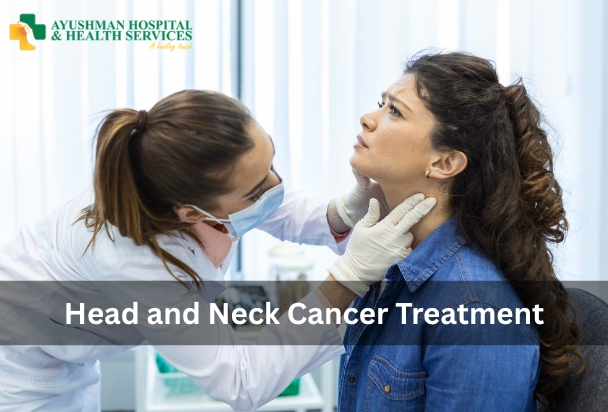
A malignant tumor located in the head or neck region is classified as head and neck cancer. There are many areas where cancer can occur, such as the throat, larynx, nose, sinuses, lips, mouth, and salivary glands, among others. Tobacco use, excessive alcohol use, and HPV (human papillomavirus) infections are significant risk factors associated with head and neck cancer. However, environmental exposures and genetic predisposition can also play a role.

It is important to treat head and neck cancer because it has the potential to spread rapidly and impact one’s ability to speak, swallow, and breathe. Choose critical head and neck cancer treatment in Dwarka, Delhi. Ayushman Hospital and Health Services offers all modern diagnostic imaging, minimally invasive surgical options, targeted therapies, and rehabilitation services for complete head and neck cancer care in Delhi.

Understanding Head and Neck Cancer

Head and neck cancer refers to cancers in the oral cavity, pharynx (throat), nasal passages, sinuses, larynx, and salivary glands. Most of these cancers affect critical human processes, such as breathing, swallowing, and speaking. It is important to diagnose these cancers early and start treatment, as they may grow quickly and spread to nearby tissues or lymph nodes.

Risk Factors and Causes of Head and Neck Cancer

  • Tobacco Use – Use of cigarettes, cigars, pipes, and smokeless tobacco has been found to increase the risk of cancer.
  • Alcohol Use – The excessive and chronic use of alcohol can damage the mucosal layer within the oral cavity, increasing the risk of cancer.
  • Human Papillomavirus (HPV) – Certain strains of HPV are associated with cancers of the oropharynx.
  • Oral Health – Untreated periodontal disease, lack of dental care, and untreated oral infections can increase the risk of cancer.
  •  Sun Exposure – Excessive sun exposure or sunburn can increase the risk of cancer on the lip due to ultraviolet (UV) radiation.
  •  Occupational Exposure – Exposure to wood dust, particulates, asbestos, and some chemicals can increase the risk of cancer.
    Genetic Considerations – A positive family history of head and neck cancers can increase the risk of disease.
  • Immunosuppression – Immunosuppression from chronic disease may accelerate or facilitate cancer progression in a weakened immune system.

Types of Head and Neck Cance

  • Cancers of the Oral Cavity: This type of cancer occurs in the lips, mouth, tongue, gums, or inner lining of the cheeks.
  • Cancers of the Pharynx: This cancer forms in the pharynx, including the nasopharynx, oropharynx, or hypopharynx.
  • Cancers of the Larynx: This cancer develops in the voice box, which impacts talking and breathing.
  • Cancers of the Nasal Cavity: This cancer occurs inside the nose, which can affect breathing or cause obstructions.
  • Cancers of the Salivary Glands: These cancers form in the salivary glands, impacting chewing or swallowing.

Symptoms of Head and Neck Cance

  • A sore throat or hoarseness that has lasted for weeks and has not improved with standard treatment
  • An ulcer or white patch in the mouth that is not healing and may increase in size or become painful over time.
  •  Difficulty swallowing either food or liquid, sometimes associated with pain or a choking sensation.
  •  A feeling of a lump, swelling, or mass that gradually enlarges in the neck.
  •  Unintentional weight loss, fatigue, loss of appetite, and general poor health.
  • Recurrent nosebleeds, nasal blockage, and recurrent sinus infections without an identifiable cause.

Treatment for Head and Neck Cancer

Therapies for head and neck cancer involve strategies tailored to each case and may include surgery, radiation therapy, chemotherapy, targeted therapy, and immunotherapy, depending on the stage of the cancer.

Surgery is typically the first approach to remove the tumor and surrounding tissues and may be accompanied by reconstruction of the affected areas. Radiation therapy uses radiation, often intensity-modulated radiation therapy (IMRT), to target cancer cells and spare normal tissue. Chemotherapy is used to shrink tumors prior to surgery or in combination with radiation therapy in advanced disease. Some newer therapies, such as targeted therapies involving EGFR inhibitors and immunotherapy using immune checkpoint inhibitors, help improve treatment outcomes.

Why Choose Critical Head and Neck Cancer Care in Dwarka, Delhi?

Choosing the right treatment plan for head and neck cancers requires accurate, multidisciplinary care that combines surgery, radiotherapy, chemotherapy, and targeted therapies. Choose Ayushman Hospital and Health Services in Dwarka, Delhi, for your critical head and neck cancer treatment to get:

  • Real-time imaging, IMRT, and surgical precision 
  • Experienced oncologists and surgeons
  •  Comprehensive care through surgery and therapy
  •  Modern treatments are designed to minimise side effects
  •  Customised planning for the patient and tumor
  •  Continuous care from diagnosis to recovery

Schedule a Visit Today at Ayushman

Book cancer care from Ayushman Hospital and Health Services. Get expert care and services for head and neck cancer. Our modern equipment, experienced care team, and patient-centered approach will provide safe, effective, and compassionate treatment.

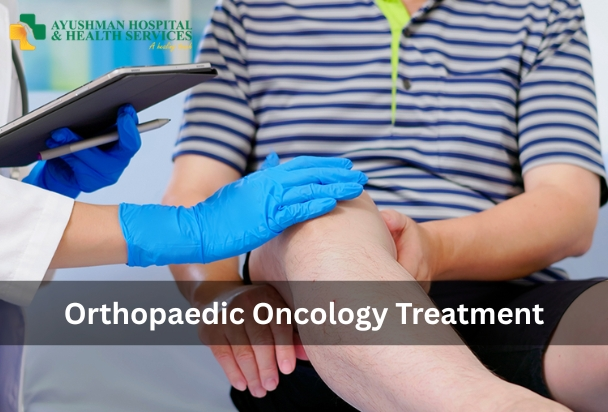
Orthopaedic oncology is a subspecialty of medicine specialising in the diagnosis, management, and treatment of both benign and malignant bone and soft tissue tumors. This field combines expertise from orthopaedics, which focuses on the musculoskeletal system, and oncology, which focuses on cancer. These tumors can limit mobility, limb usage, and quality of life; therefore, early diagnosis and expert treatment can significantly reduce the severity and impact of each case.

From Ayushman Hospital and Health Services, get expert orthopaedic oncology treatment in Dwarka, Delhi. Our hospital uses advanced techniques such as limb-salvage surgery, advanced reconstruction, targeted therapy, and radiation techniques with state-of-the-art facilities and vast experience to offer rehabilitation, psychological counselling, and nutritional support for patients.

Types of Orthopaedic Cancers

  • Osteosarcoma

Osteosarcoma is the most common primary bone cancer, primarily occurring in adolescents and young adults. Usually developing in long bones, osteosarcoma is treated with chemotherapy, surgery, and, in some cases, radiation therapy.

  • Chondrosarcoma

Chondrosarcoma arises from cartilage cells and can affect people of all ages, but is most often observed in people over 40. Chondrosarcoma can occur in the pelvis, ribs, or shoulder. Chondrosarcoma is relatively resistant to chemotherapy and radiation, making surgery with reconstructive options the best treatment plan.

  • Ewing Sarcoma

Ewing sarcoma is an aggressive type of tumor occurring in children and adolescents that may appear in bone or soft tissue. Ewing sarcoma metastasises rapidly, making prompt diagnosis important, and treatment generally includes combination chemotherapy, surgery, and possible radiation therapy.

  • Soft Tissue Sarcomas

Soft tissue sarcomas usually develop from cells in fat, nerves, muscles, or connective tissue, including liposarcoma and synovial sarcoma. For treatment, surgery, chemotherapy, and radiation can be used alone or in combination.

How Is Diagnosis Done in Orthopaedic Oncology?

  • X-rays: X-rays are usually the first imaging modality used to evaluate an abnormal bone lesion, mass, or structural change due to a tumor.
  • MRI (Magnetic Resonance Imaging): MRI provides excellent detail about soft tissue, how the mass or lesion may involve bone, and adds information for surgical planning.
  • CT Scan: A CT scan is essential when assessing the extent of a tumor, any bone destruction, and whether there are metastases. CT scans may also be utilised with 3D reconstruction.
  • Biopsy: Biopsy is the gold standard for diagnostic confirmation and is performed with imaging guidance to ensure precision and safety.
  • Blood Tests: Blood tests can identify the presence of tumor markers or other evidence of systemic involvement that might support the diagnosis and management.

Treatments Offered by Orthopaedic Oncologists

  • Surgery (Limb-Salvage & Reconstruction)

Surgery can excise bone or soft tissue tumors and maintain limb functionality. Surgeons use advanced techniques, such as limb-salvage, 3D-printed implants, or reconstructive procedures to restore mobility. When limb preservation is not possible, surgery may include amputation.

  • Chemotherapy

Chemotherapy uses medicines to kill cancer cells. It can reduce tumor size before surgery or prevent cancer from recurring after surgery.

  • Radiation Therapy

Radiation therapy uses high-energy rays to kill cancer cells. It is used if surgery is not an option or after surgery to eliminate remaining cancer cells. Radiation has improved over the years, and many advanced types are available.

  • Targeted Therapy & Immunotherapy

Targeted therapy targets changes in the tumor, while immunotherapy helps the body’s immune system fight cancer. These are newer treatments and can be used when sarcomas are resistant to traditional therapies.

  • Supportive & Palliative Care

Supportive care helps manage pain, fatigue, and stress during treatments and recovery. It includes physiotherapy, mental health counselling, nutrition, and other lifestyle changes. Palliative care helps maintain dignity, comfort, and quality of life during cancer treatment.

Why Choose Ayushman for Orthopaedic Oncology Treatment in Dwarka, Delhi?

Selecting orthopaedic oncology treatment from Ayushman Hospital and Health Services in Dwarka, Delhi, provides access to an expert team of specialists, including orthopaedic oncologists, radiologists, pathologists, medical and radiation oncologists working together to provide specialised care. This treatment requires not only surgical precision but also advanced diagnostics, personalised therapies, and coordinated care across multiple departments.

At Ayushman Hospital and Health Services, we ensure timely diagnosis, accurate treatment, reduced complications, and better recovery.

Consult for Orthopaedic Oncology Treatment Now!

Looking for the best place for orthopaedic oncology care? Book your consultation with us for orthopaedic oncology treatment. We ensure safe, innovative, and patient-focused treatment with globally recognised standards in musculoskeletal cancer care.

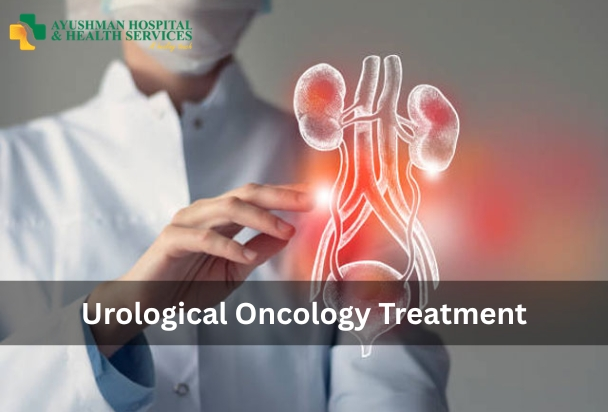
Urological oncology is a subspecialty of medicine focused on diagnosing, treating, and managing cancers of the kidneys, bladder, prostate, and male reproductive organs, including the kidneys, bladder, ureters, urethra, prostate, testicles, penis, and adrenal glands. Treating urological cancers requires coordinated care across multiple specialities with supportive management.

Choose Ayushman Hospital and Health Services for leading specialised urological oncology treatment in Dwarka, Delhi. We are equipped with advanced facilities, state-of-the-art diagnostics, robotic and minimally invasive surgeries, and multidisciplinary cancer care at our hospital. Early identification and intervention are critical for increasing survival rates and improving quality of life. Urological cancers are among the most commonly diagnosed cancers. They can cause debilitating complications like urinary obstruction, severe pain, kidney failure, sexual dysfunction, and metastatic spread to bones, lymph nodes, and other organs if left untreated.

What is Urological Oncology?

Urological oncology is a subspecialty of urology that focuses on cancers of the urinary system and male genital organs. Urologic oncologists are urologists who have undergone advanced fellowship training to provide care for simple and complex malignancies. This might include surgical management of malignancies and advanced medical management using cutting-edge techniques. Cancers of the urinary tract (kidneys, ureters, bladder, urethra) and male organs (prostate, testicles, penis) affect urination, fertility, and sexual health.

Types of Urological Cancers Treated

  • Prostate Cancer: Affects the prostate, the gland that produces seminal fluid. Risk increases with age and involves hormonal changes associated with aging.
  • Bladder Cancer: Begins in the lining of the bladder. Risk factors include lifestyle factors such as smoking and exposure to chemicals.
  • Kidney Cancer: Starts in the tissue of the kidney. It is more common in individuals with obesity, high blood pressure, or genetic predisposition.
  • Testicular Cancer: Starts in the testicle. It is most common in younger men, but it is highly treatable, especially if detected early.
  • Penile Cancer: A rare cancer of the penis; risk factors include HPV and poor hygiene.
  • Adrenal Cancer: A rare but aggressive cancer of the adrenal gland that can affect hormone levels and overall body function.

How is Urological Cancer Diagnosed?

  • PSA Test: A test that measures prostate-specific antigen levels in blood to determine risk for prostate cancer.
  • Cystoscopy: A thin camera is used to check the bladder and the urethra for abnormal growths or tumors.
  • Ultrasound: Uses sound waves to create images of the kidneys, bladder, and prostate to identify abnormalities.
  • CT/MRI Scans: Provide detailed imaging of urinary organs to identify tumors, their size, and staging.
  • Biopsy: A tissue sample is examined under a microscope to confirm cancer.
  • PET Scan: Looks for the spread of cancer in the body by imaging areas of active cancer cells.

Treatment Options in Urological Oncology

  • Surgery: The initial treatment for many urological cancers usually involves surgically excising the tumor using an open, laparoscopic, or robotic-assisted method. Robotic surgery is highly precise, minimally invasive, allows quicker recovery, and helps preserve organ function.
  • Chemotherapy: Chemotherapy uses powerful drugs to kill rapidly dividing cancer cells (usually used before or after surgery). It helps to shrink tumors, prevent recurrence, or manage advanced bladder, kidney, and testicular cancers.
  • Radiation Therapy: Radiation uses external high-energy beams that target cancer cells while sparing healthy tissue. It is used mainly for prostate or bladder cancers alone or in conjunction with surgery or chemotherapy.
  • Immunotherapy: It uses drugs that stimulate the immune system to attack cancer cells. It is useful for bladder and kidney cancers and includes checkpoint inhibitors that help treat advanced or recurrent cancers.
  • Targeted Therapy: Targeted therapies act on specific genetic mutations or proteins that drive cancer growth, especially in kidney (renal) cancers. These therapies cause less damage to healthy tissues and improve treatment precision.

Why Choose Urological Oncology Treatment in Dwarka, Delhi?

Are you and your loved ones facing serious health issues like prostate cancer, kidney tumors, bladder cancer, or other cancers involving the urinary tract and male reproductive system? Choose Ayushman Hospital and Health Services, which provides specialised urological oncology treatment in Dwarka, Delhi, along with the latest diagnostic testing, robotic surgery, and a personalised approach to cancer care. We offer at our hospital:

  • Comprehensive Uro-Oncology Services
  • Expert Uro-Oncologists & Surgeons
  • Advanced Diagnostic Facilities
  • Multidisciplinary cancer care teams
  • World Class Facilities

Book Your Urological Cancer Treatment Consultation Today!

Would you like the best, minimally invasive, patient-centered care for urological malignancies? Book today to visit our expert urologic oncologist and minimally invasive robotic surgery team at Ayushman Hospital and Health Services, located in Dwarka, Delhi.

Neurosurgery, or neurological surgery, focuses on delicately managing injuries and illnesses of the central and peripheral nervous systems. This covers everything from tumors and head trauma to chronic pain syndromes tied to nerve dysfunction. Cutting-edge imaging, microscopic devices, and minimally invasive tools are used to access target areas through precise, small incisions that can produce big results. Neurosurgeons are trained to understand the brain, spine, and nerves, allowing them to operate on areas that control speech, vision, or movement without causing extra harm.

Choose advanced neurosurgery treatment in Dwarka, Delhi, from Ayushman Hospital and Health Services for top-tier, experienced neurosurgeons and multidisciplinary support. High-quality facilities ensure accurate diagnosis, reduced surgical risks, faster recovery, and improved long-term outcomes.

What Is Neurosurgery?

Neurosurgery is a medical speciality focused on the prevention, diagnosis, surgical treatment, and recovery of conditions involving the central and peripheral nervous systems. Neurosurgery is performed to treat neurological problems when medication and conservative therapies fail.

Common neurosurgery procedures include treatment of complex brain tumors, spinal cord disorders, nerve compression syndromes, and other life-altering conditions, all treated with precision.

When to See a Neurosurgeon?

The following signs and conditions in a patient indicate when it is necessary to see a neurosurgeon:

  • Chronic or severe headaches that do not improve with primary care and medication may require a neurosurgical evaluation.
  • Sudden asymmetric weakness, numbness, or paralysis in the arm, leg, or face may imply a significant problem with the brain.
  • Frequent seizures or blackouts require evaluation by a neurosurgeon.
  • Balance, coordination, or walking difficulty may be the first indications of spinal problems requiring neurosurgical intervention.
  • Traumatic, blunt, or acute injuries to the head, neck, or spine require immediate neurosurgical attention.
  • Brain or spine tumors detected through imaging or diagnostic studies may require surgical removal if medication is not effective.

Conditions Treated by Neurosurgeons

Neurosurgeons treat a broad spectrum of serious conditions, such as:

  • Brain Tumors: Surgery removes dangerous or benign brain growths, improving quality of life and potentially saving lives.
  • Spinal Disorders: Neurosurgeons alleviate pain from conditions like herniated discs, spinal stenosis, fractures, or other injuries.
  • Stroke and Aneurysms: Emergency surgery repairs burst blood vessels to restore blood flow and prevent tissue damage.
  • Traumatic Brain Injury: Surgery relieves pressure inside the skull caused by bleeding, swelling, or fractures that could impair brain function.
  • Epilepsy and Seizure Disorders: Specialised brain surgery helps reduce and stop seizures when medication is insufficient.
  • Parkinson’s Disease and Movement Disorders: Deep brain stimulation surgery and other procedures alleviate movement issues and severe symptoms.

Advanced Surgical Techniques in Neurosurgery 

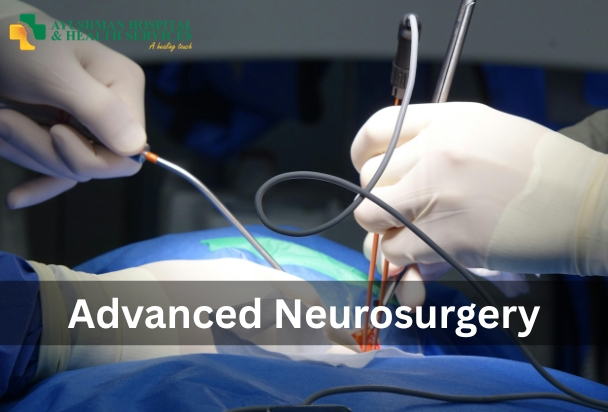
Today’s neurosurgery combines cutting-edge technology with surgical skill to boost patient safety and streamline procedures. By using minimally invasive methods, doctors make only tiny incisions, which helps to accelerate the healing process. Robotic systems and specialised instruments guide the surgeon’s hand, enhancing accuracy with each movement. Meanwhile, real-time imaging from high-definition MRI and CT scans delivers striking clarity right in the operating room.

Why Choose Ayushman for Advanced Neurosurgery Treatment in Dwarka, Delhi?

Ayushman Hospital and Health Services specialises in advanced neurosurgery treatment in Dwarka, Delhi. Our department is equipped with state-of-the-art technology designed for brain, spine, and nerve surgeries. From minimally invasive procedures to complex neurosurgical operations, we provide safe, accurate, and patient-centered care.

Our highly experienced neurosurgeons are assisted by skilled anesthetists, nurses, and technicians, available around the clock. Using modern surgical instruments and advanced imaging systems, we deliver precise treatments with faster recovery and fewer complications.

Choose Advanced Neurosurgery with Us

Your health deserves the best and latest care. Trust Ayushman for world-class neurosurgery services, offering precision, safety, and compassionate support from dedicated experts. Book your consultation today and take the first step toward recovery.

A stroke is a serious medical emergency that happens when an area of the brain is deprived of blood, either because of a blockage or bleeding. This leads to a sudden cut-off of oxygen and nutrients to brain cells, causing cell death within minutes. Strokes can result in permanent brain damage, disabilities, or even death, especially if critical treatment is not provided as early as possible.

Stroke treatment involves urgent and ongoing medical steps to restore blood flow, reduce brain damage, and support recovery. We recommend choosing critical stroke treatment at Ayushman Hospital and Health Services in Dwarka, Delhi. Our hospital understands that stroke treatment must be immediate and advanced, which is why we are equipped with modern medical infrastructure and experienced specialists. Our comprehensive service includes skilled neurologists and neurosurgeons, advanced imaging, and rehabilitative services that work to protect not just the lives of patients but also their quality of life.

What Is a Stroke and Stroke Treatment?

A stroke occurs when blood flow to the brain is interrupted, depriving the brain of oxygen and causing loss of function. Immediate treatment is vital in such cases, as brain cells die within minutes.

Stroke treatment is carried out by medical professionals to restore blood flow, manage bleeding, and support rehabilitation. It includes emergency drugs such as thrombolytic (clot-busting) medications, procedures to remove a blood clot, or surgery to stop bleeding in the brain.

What Are the Types of Stroke?

  • Ischemic Stroke

An ischemic stroke happens when an artery that supplies blood to the brain becomes blocked by a blood clot or fatty deposits. This blockage leads to rapid brain cell damage and serious neurological complications.

  • Hemorrhagic Stroke

This stroke happens when a weakened blood vessel in the brain bursts, leading to bleeding inside or around the brain. The blood damages nearby tissues, leading to permanent loss of brain cells and impairing vital functions.

Treatments for Stroke

  • Emergency Medical Treatment

It is vital for a patient to reach the hospital quickly, as CT or MRI scans can identify the type of stroke and enable immediate life-saving treatment within the golden hours.

  • Clot-Busting Medications

A neurologist may prescribe tPA or other medications that dissolve clots to restore blood flow and prevent further blockage.

  • Surgery and Interventional Procedures

Specialised procedures can help restore blood circulation, reduce bleeding, and relieve pressure on the brain.

  • Management of Hemorrhagic Stroke

Doctors stabilise patients by reducing bleeding, repairing ruptured vessels, and minimising brain swelling to limit further damage.

  • Rehabilitation (Recovery)

After emergency treatment, patients undergo rehabilitation, including physical therapy, speech therapy, and supportive therapies, to improve functional recovery.

  • Prevention of Future Strokes

Preventing another stroke involves lifestyle changes, medications, regular follow-ups, and managing conditions like high blood pressure, diabetes, and cholesterol.

Why Choose Ayushman for Advanced Stroke Treatment in Dwarka, Delhi?

At Ayushman Hospital and Health Services, we provide advanced stroke treatment in Dwarka, Delhi, combining rapid response, advanced diagnostics, and expert-led care. Our dedicated stroke team ensures timely treatment, reducing the risk of disability and improving recovery outcomes.

Here’s why patients trust Ayushman for stroke treatment:

  • 24/7 Emergency Stroke Response Unit
  • Advanced Imaging & Diagnostics
  • Experienced neurologists & neurosurgeons
  • Thrombolytic therapies & interventional procedures
  • Comprehensive rehabilitation programs
  • Progressive Care Unit & ICU
  • Standardised protocols and quality care programs

Book Your Emergency Stroke Care Consultation Today!

Whether you require immediate emergency stroke treatment or rehabilitation, we provide integrated, technology-driven stroke management. Take the first step toward better brain health by consulting the specialists at Ayushman today.

Epilepsy is a prevalent neurological disorder affecting millions of people of all ages. Epilepsy is a condition where people have recurrent seizures due to abnormal excessive and synchronized neuronal activity. Symptoms from epilepsy can include muscle jerking, full convulsions, short periods of impaired awareness, and altered sensations. While symptoms of epilepsy can be unpredictable, it can be controlled with early diagnosis, personalized treatment, and diligent medical care.

Proper epilepsy care is crucial to manage serious risks, including injuries, sudden loss of consciousness, developmental delays in children, or reduced independence in adults. Families and patients also face emotional and social challenges, making supportive care as important as medical intervention. Choose the finest epilepsy diagnosis and treatment in Dwarka, Delhi, from Ayushman Hospital and Health Services.

What Is Epilepsy?

Epilepsy is a chronic neurological disorder caused by unprovoked recurrent seizures. While someone may have a seizure, to confirm epilepsy one requires recurrent seizures. Having a seizure does not mean a person has epilepsy. Epilepsy can vary in severity, with some people having mild staring spells and others experiencing more serious convulsions.

Epilepsy is not contagious, and has nothing to do with a person’s character or intelligence.

What Are Seizures?

A seizure is a temporary alteration in normal brain function that occurs when there is sudden and uncontrolled electrical discharge in the brain. Seizures can affect a person’s movement, sensation, mood, or level of awareness. The type of seizure depends on the location of activity in the brain. Some seizure types can be very subtle depending on which region of the brain is involved, and can consist of just a momentary episode of staring or lip-smacking. While other seizure types consist of muscle convulsions or jerks occurring throughout the whole body with loss of awareness.

Categories of Seizures

Generalized Seizures: These seizures involve both sides of the brain, leading to loss of consciousness, stiffening, and rhythmic jerking.
Focal (Partial) Seizures: These seizures affect one part of the brain, causing unusual sensations, twitching, or changes in awareness.

Difference Between Seizures and Epilepsy

Seizures are single episodes of abnormal brain activity that may occur due to a temporary cause. Epilepsy, on the other hand, is a chronic disorder where seizures recur without immediate triggers.

Causes of Epilepsy

  • Conditions such as meningitis, traumatic brain injury, and stroke can affect brain tissue or activity in the brain and result in seizures.
     
  • Genetic mutations that are inherited or family history of epilepsy can contribute to certain types of epilepsy.
  • Epilepsy in children can develop as a result of damage to the brain in utero, lack of oxygen at birth, or conditions like autism.
  • Brain tumors and progressively debilitating disorders such as Alzheimer’s disease can affect brain function and sometimes result in seizures.

Treatment Plans for Epilepsy

Several advanced, multidisciplinary treatment plans are available for epilepsy, with personalized care ensuring patients receive the most effective therapies:

  • Precise Diagnosis with Appropriate Testing: Specialists utilize EEGs, video EEG monitoring, CT scans, and MRIs to accurately identify seizure type and brain issues, ruling out additional diagnoses.
  • Medication Management: Anti-epileptic drugs (AEDs) remain the primary treatment. Neurologists in New Delhi select the appropriate medication and dosage while monitoring side effects to optimize seizure control.
  • Surgical Interventions: When patients do not respond to medications, surgeries such as resective surgery or minimally invasive techniques may be considered.
  • Nutritional Therapies: Ketogenic and modified Atkins diets, given under medical supervision, are recommended, especially for children with drug-resistant epilepsy to reduce seizure frequency.
  • Treatment for epilepsy primarily focuses on controlling seizures and improving quality of life with appropriate treatment.

Why Choose Comprehensive Epilepsy Care in Dwarka, Delhi?

Epilepsy management requires advanced diagnostics, continuous monitoring, and individualized treatment. At Ayushman Hospital and Health Services, we offer the finest epilepsy diagnosis and treatment in Dwarka, Delhi, providing:

  • Advanced EEG, MRI, and imaging
  • Skilled neurologists and epileptologists
  • Preventive and timely interventions
  • Comprehensive care including medication and surgery
  • Support from neurology, psychiatry, and rehabilitation services

Begin Your Epilepsy Care Journey Today

Begin your effective epilepsy treatment at Ayushman. Our team of specialists has the knowledge, skills, and compassion to ensure you receive the correct epilepsy diagnosis, personalized care plan, and appropriate long-term management. Schedule your consultation today and receive the best epilepsy care at our hospital!

Self-care routines include the use of heat and ice, taking over-the-counter pain relievers, and engaging in gentle movement to decrease pain and inflammation and help relieve back pain. If the pain is severe or persists, it is necessary to visit a hospital or healthcare professional so that they can provide physical therapy, prescribe medications, injections, or alternative treatments like acupuncture or massage.

Are you suffering from constant back pain? Get the relief you need with the most effective back pain treatment in Dwarka, Delhi. We take a holistic approach to back pain treatment that safeguards one’s health. At Ayushman Hospital and Health Services, we manage your treatment with a comprehensive plan that will allow you to get back your comfort and mobility. The hospital has the best facilities, including advanced diagnostics, specialists for every condition, and multidisciplinary care to maximize the outcome of back pain treatment. Specialized care in our reputable hospital facilitates effective pain relief. We are equipped with prevention strategies, rehabilitation facilities, and overall support for long-term health of the spine.

What Is Back Pain?

Back pain is defined as discomfort, tightness, or persistent stiffness in the spine, typically in the neck, mid-back, or lower back. Back pain may be acute, lasting from days to weeks, or chronic, lasting more than three months.
Back pain is categorized into upper back pain, mid back pain, and lower back pain, and can be acute or chronic. Understanding which type of back pain it is and the severity is critical to diagnosis and treatment focused on the right area.

Who’s a Candidate for Back Pain Treatment?

  • Individuals with continuous pain lasting more than six weeks without relief.
  • Those with severe back pain that prevents sleep, interferes with daily activities, or results in inactivity.
  • Patients with back pain associated with pain, tingling, or numbness in the leg, indicating nerve compression.
  • Individuals with spinal deformities, such as scoliosis or kyphosis.
  • Patients with a history of trauma, injury, or fractures.
  • Those with back pain are linked to systemic conditions like arthritis or osteoporosis.

Reasons for Back Pain

  • Poor posture or excessive stress on the spine, leading to discomfort.
  • Muscle or ligament strain from sudden movements or improper lifting.
  • Degenerative conditions, such as osteoarthritis, disc disease, or spinal stenosis.
  • Trauma or injury from accidents, falls, or sports injuries.
  • Lifestyle factors, such as obesity, lack of exercise, and smoking.

Treatment of Back Pain

  • Medications
     

Pain medications, anti-inflammatories, or muscle relaxants can be prescribed to lessen discomfort and control inflammation. The type of medication depends on the pain level and its cause.

  • Physical Therapy
     

Therapy like exercises and stretching helps strengthen the core and back muscles, increases flexibility, and corrects posture. Supervised therapy helps avoid poor habits and maintains spinal health for the long term.

  • Interventional Procedures

Epidural steroid injections or nerve blocks can reduce inflammation and provide temporary relief. These minimally invasive procedures are used when medications fail.

  • Surgery

    Surgery is reserved for severe cases involving herniated discs, spinal stenosis, or nerve compression. Options include laminectomy, discectomy, or spinal fusion to restore function and relieve pain.


  • Lifestyle Changes
     

Weight control, avoidance of alcohol and smoking paired with regular exercise can prevent further strain on the back. Good daily habits lead to long-term pain relief.


  • Alternative Treatments

Chiropractic care, acupuncture, yoga, and massage therapy offer complementary benefits for improved mobility, reduced muscle tension, and relaxation when combined with conventional treatments.

Maintaining proper posture and gradually resuming normal activity are key to recovery and preventing future episodes.

Why Choose Ayushman for Advanced Back Pain Treatment in Dwarka, Delhi?

Ayushman Hospital and Health Services offers specialized and effective back pain treatment in Dwarka, Delhi by accurately diagnosing and providing minimally invasive procedures along with expert-led therapy for back pain treatment. The spine care team is dedicated to the evaluation of the spine, management of pain, and restoration of mobility.

Here’s why patients trust Ayushman for back pain treatment:

  • Comprehensive Spine & Orthopedic Care Unit
  • Advanced Imaging & Diagnostic Services
  • Highly Skilled Spine Physicians
  • Minimally Invasive Spine & Pain Procedures
  • Personalized Pain Management Plans
  • State-of-the-Art Operating Theatres
  • Patient Centered Approach
  • International Quality Standards

Book Your Back Pain Consultation Today!


We, at Ayushman Hospital and Health Services, have a technology-driven full spectrum approach to restoring movement and enhancing quality of life, whether one is looking for pain-relief procedures or spinal surgery for back pain relief. Contact the spine experts at Ayushman to take your first step toward a pain-free back today.

Antenatal care, also called prenatal care, refers to the regular health check-ups, screenings, and guidance provided to a woman during pregnancy. It is an essential part of maternal and child healthcare, helping both the mother and baby remain healthy throughout pregnancy. This care includes medical assessments, nutritional guidance, emotional support, and preparation for childbirth.

Choose premier antenatal care in Dwarka, Delhi, at Ayushman Hospital and Health Services. At Ayushman, it’s not just about monitoring the pregnancy but also preventing complications, promoting healthy habits, and preparing for a safe delivery.

What is Prenatal Care?

Antenatal care is medical care which is supportive in nature and helps to prepare a pregnant woman for labor and delivery. The doctor may recommend vaccinations, screening tests for genetic disorders and counseling for prenatal care. Prenatal care helps medical professionals identify potential risks. Early identification provides opportunities to minimize risk and maximize a safe, healthy pregnancy for both the mother and baby.

Why Does One Need Antenatal Care?

Without proper care, both the mother and baby are at risk during pregnancy. Antenatal visits help in:

  • Tracking the baby’s growth and identifying if anything may be abnormal early.
  • Supporting maternal nutrition and providing iron/calcium supplementation.
  • Helping the mother with physical and mental preparation for labor and delivery.
  • Reducing the risk of complications for both the mother and baby.
  • Enabling ongoing monitoring of pregnancy progression via regular visits.
  • Provides comprehensive checks, including history, physical examination, lab work, and ultrasounds.
  • Detects and manages complications like gestational diabetes, preeclampsia, and infections.

How Often Does One Need Prenatal Care?

Pregnancy Stage Frequency of Visits Reason for Visits
First trimester (0–12 weeks) Every 4–6 weeks Confirm pregnancy, estimate due date, basic health checks
Second trimester (13–28 weeks) Every 4 weeks Monitor fetal growth, detect anomalies, manage symptoms
Third trimester (29–36 weeks) Every 2 weeks Track fetal position, prepare for delivery
Last month (37–40+ weeks) Weekly Final delivery planning, monitor labour signs

Antenatal Care Across All Three Trimesters

First Trimester

In the first trimester, care begins with a comprehensive medical and family history that includes previous pregnancies, genetic diseases, and habits such as smoking, drug use, and alcohol consumption. Although not mandatory, a physical exam, specimens for urine analysis, and blood tests are done to evaluate risks to the mother and fetus and confirm the pregnancy with an ultrasound. Non-invasive prenatal testing (NIPT) may be offered to check for chromosomal abnormalities. Vitamins and medicines such as folic acid, calcium, and iron are prescribed.

Second Trimester

Routine visits monitor fetal growth and prevent complications. Depending on the need and timing of the visit, tests may include screening for gestational diabetes, urinalysis, and ultrasounds. Immunizations may be given during this stage as well. For mothers at risk of certain chromosomal disorders, an ultrasound and amniocentesis may be recommended. Mothers generally continue their supplements for their own safety and the health of their baby.

Third Trimester

Appointments during this trimester focus on preparation for birth and ensuring the health of both the mother and fetus. Blood tests or vaginal cultures may be obtained at this point, so that third-trimester care focuses on monitoring fetal health and position before delivery.Mothers are instructed on how to track fetal movements and recognize signs that labor is starting. Birth planning and postpartum care are also discussed during this stage.

Why Choose Premier Antenatal Care in Dwarka, Delhi?

Our antenatal care is led by expert obstetricians, gynecologists, and multidisciplinary specialists with years of experience in safe pregnancies and deliveries. At Ayushman Hospital and Health Services, we provide close monitoring of the mother’s health and the baby’s development at every stage, helping in the early detection and prevention of complications.

From the first visit to childbirth, we guide and prepare parents for a smooth, stress-free journey. Our postpartum care supports quick recovery, reduces risks, and also helps parents care for their newborn with confidence, helping your little one thrive as a happy, healthy part of your family.

Book Your First Appointment for Antenatal Care Now!

Book your antenatal care visit now to get expert management and personal advice to help you have a healthy, safe pregnancy and delivery of your baby.

Pregnancy is the period when a fertilized egg develops into a baby in the mother’s uterus, and it typically lasts about 40 weeks and is divided into three trimesters. Regular check-ups with health care providers, a healthy diet, exercise, and monitoring are important for any pregnancy, but a higher-risk pregnancy means the mother, baby, or both have a higher risk of experiencing complications during pregnancy or labor. High-risk pregnancies can happen due to pre-existing health conditions, complications with health during pregnancy, or other factors related to the mother’s lifestyle.

Choose Specialized Care for High-Risk Pregnancies in Dwarka, Delhi, at Ayushman Hospital and Health Services. At our hospital, we provide specialized care for such pregnancies, as we have a team of experienced obstetricians and maternal-fetal medicine experts who work to reduce risks and ensure safe outcomes.

Causes of High-Risk Pregnancy

  • Women aged 35 and above face a higher risk of pregnancy complications than younger women, as they are more prone to issues like gestational diabetes, hypertension, and chromosomal abnormalities in the baby, which can result in high-risk pregnancies.
  • Chronic conditions in the mother, including diabetes, heart disease, thyroid issues, or any kidney-related conditions, can also contribute to high-risk pregnancies.
  • If the expectant mother is having twins or triplets, she is also more likely to have premature labor.
  • Certain conditions in pregnancy, like placenta previa, preeclampsia, or hypertension, increase the risk of complications during pregnancy and delivery.
  • Many types of viral or bacterial infections can occur, such as rubella, toxoplasmosis, or urinary tract infections.

Ways We Manage High-Risk Pregnancies at Ayushman Hospital

  • Early and Accurate Diagnosis: We will discover issues through prenatal imaging, ultrasound assessments, and laboratory tests early.
  • Personalised Care Plans: Your treatment and monitoring care plans are personalised for your medical history, lifestyle, and pregnancy circumstances. 
  • Fetal Monitoring: Using imaging, fetal heart rate monitoring systems, and other assessments, we will monitor your baby’s growth, position, and overall well-being.
  • Specialized Medical Intervention: We will provide you with safe medication plans, nutrition, and hospital monitoring for the management of complex pregnancies. 
  • Superior NICU Readiness: If your baby is born prematurely or with complications, we have a NICU that is ready to support newborns. 
  • Readiness for Emergencies: We have a team that is trained to perform urgent interventions, including emergency C-sections, to keep both mother and baby safe.

Risks in High-Risk Pregnancy

  • Increased chance of premature birth, which may result in developmental delays and long-term health issues.
  • Increased likelihood of gestational diabetes, which can affect maternal metabolism and increase the chance of complications during labor and delivery.
  • Preeclampsia can cause severe hypertension affecting both the mother and baby.
  • Increased risk of placental abruption, where the placenta detaches early, limiting the oxygen and nutrients being supplied to the baby.
  • Increased risk of intrauterine growth restriction could result in the baby being smaller than anticipated for the gestational age.

Why Choose Specialized Care for High-Risk Pregnancies in Dwarka, Delhi?

Caring for a high-risk pregnancy is about more than just treating the pregnancy process; it’s about preventing, monitoring and knowing what you’re doing. If you want to ensure that a doctor detects the risk early, provides an accurate diagnosis and safely delivers your child, you have come to the right place. Choosing a trusted hospital like Ayushman Hospital and Health Services ensures:

  • Expert care with compassion at every stage.
  • Advanced diagnostics and 24/7 care and support.
  • Individualized management for safe childbirth.
  • Seamless collaboration, coordination, and integration with anaesthesia teams.
  • Close interaction and collaboration with the NICU teams.

Book Now for Specialized High-Risk Pregnancy Care

Book your appointment for specialized maternity care for high-risk pregnancies. Our specialists offer advanced monitoring, rapid interventions, and customized birth plans for obstetric complications and anomalies. Feel confident knowing that our obstetricians, anesthesiologists, and NICU teams are involved at every step.

Gynecological endoscopy is an advanced, minimally invasive procedure for the diagnosis and treatment of diseases of the female reproductive system.  Specialists use specialized tools, which include an endoscope that has a camera, which is inserted through small incisions or natural body openings to see and perform surgery in specific areas of the uterus, fallopian tubes or ovaries.

At Ayushman Hospital and Health Services, our gynecological endoscopy treatment in Dwarka, Delhi, offers significant advantages over traditional open surgery, including reduced pain, shorter hospital stays, and faster recovery times. This treatment effectively manages conditions such as infertility, fibroids, cysts, endometriosis, abnormal bleeding, and other gynecological disorders.

Who Is a Suitable Candidate for Endoscopic Procedures?

  • Certain women are more suitable candidates for gynecological endoscopy:
  • Women suffering from chronic pelvic pain, excessive uterine bleeding, and infertility may benefit significantly from this procedure.
  • Patients who suspect conditions such as fibroids, cysts, or endometriosis and require evaluation and diagnosis are appropriate candidates for this procedure.
  • Endoscopic procedures work well for patients whose conditions can be diagnosed and treated during the same procedure. 

Benefits of Gynecological Endoscopy

  • Less Invasive: Allows for faster recovery and lower risk than traditional open surgery.
  • Precise Diagnosis and Treatment: Allows precise diagnosis and targeted treatment of complicated gynecological conditions without major surgery.
  • Reduced Length of Stay: Allows for faster return to activities as recovery from this procedure is quicker.
  • Better Chance of Fertility: Allows for accurate identification and correction of uterine or fallopian tube irregularities, leading to better success in one’s fertility treatment.
  • Enhanced Safety and Satisfaction: Get better outcomes through state-of-the-art technology, experienced care, and a focused, individualized treatment plan.

Procedure of Gynecological Endoscopy

  1. Patient Preparation and Counseling

Prior to the procedure, the doctor assesses the patient’s medical history, performs a physical examination, and orders essential tests. Comprehensive counseling is provided to explain the procedure, expectations, post-procedure care, and potential risks. Depending on the type of anesthesia used, fasting may be required.

  1. Anesthesia and Access

The procedure is performed under local, regional, or general anesthesia to ensure comfort. For laparoscopy, a small incision is made; for hysteroscopy, a hysteroscope is gently inserted through the cervix. Surgeons access the reproductive organs with precision, minimizing discomfort and surgical complications.

  1. Diagnostic Visualization

Surgeons can see the uterus, ovaries, fallopian tubes, and pelvic cavity through an HD camera on an endoscope. Using these tools, surgeons can accurately identify fibroids, adhesions, endometriosis and blockages with greater precision compared to traditional methods.

  1. Surgical Interventions

If a suspected abnormality is found, the surgeon can treat it right away. This includes removing fibroids, cysts, endometriosis tissue, or polyps that interfere with reproductive health. Blocked fallopian tubes may also be treated to help restore fertility, making hysteroscopy an excellent alternative for both diagnosis and treatment compared to traditional open surgery.

Why Choose Gynecological Endoscopy Treatment in Dwarka, Delhi?

At Ayushman Hospital and Health Services, we provide trusted gynecological endoscopy treatment in Dwarka, Delhi. We utilize expert diagnostic skills, cutting-edge technology, and a patient-first approach to deliver safe, accurate, and minimally invasive procedures. Our expert gynecologists will ensure that every procedure is completed with the highest degree of care, accuracy, and minimal discomfort. From consultation through recovery, we take your safety and well-being seriously while doing everything possible to allow for faster recovery.

Book an Expert Gynecological Endoscopy with Us

Choose the best gynecological endoscopy care available at Ayushman Hospital and Health Services. Call now to book your appointment with our specialists.