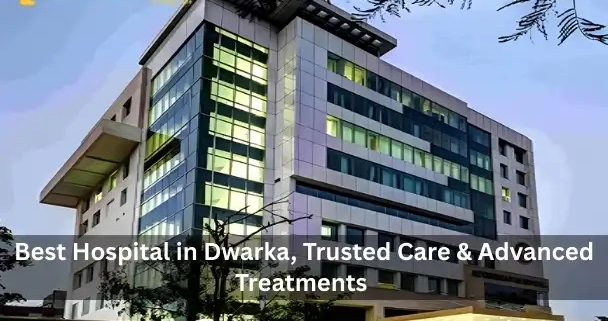
It is an experience that changes your life to find the appropriate hospital, particularly in an emerging locality like Dwarka, New Delhi. With numerous hospitals providing a range of medical services, it is hard to find out which really provides the best mix of medical professionals, technology, patient services, and affordability. To get the best hospital in Dwarka, just consider Ayushman Hospital & Health Services.

Situated ideally in Sector 10, Dwarka, Ayushman Hospital has already established itself as the most trusted and popular hospital Dwarka provides for families seeking quality and compassionate care.

Why Ayushman is the Best Hospital in Dwarka

  1. Full Multispecialty Services

Ayushman Hospital is an actual multispecialty hospital, providing more than 26 specialties such as:

  • Cardiology
  • Orthopedics
  • Neurology
  • Oncology
  • Pediatrics
  • Gynecology
  • IVF & Infertility
  • Gastroenterology
  • Nephrology
  • Urology
  • ENT

Whether you need regular diagnostics or complicated surgeries, Ayushman provides end-to-end care under a single roof, without the need to visit one clinic or facility after another.

  1. Advanced Infrastructure

The hospital has 150 beds, 30 ICU beds, 8 modular operation theatres, and a state-of-the-art NICU and PICU for the critical care of newborns and children. Each of the departments has been planned keeping an eye on latest medical technology and optimal patient flow, raising other hospitals in Dwarka to a higher standard.

  1. Specialized Physicians with National & International Experience

The strength of every hospital is the medical team. Ayushman is proud to have some of the best doctors in Dwarka, who are mostly alumni of AIIMS, PGI, and other top institutions. These doctors not only have years of experience but also ethical, evidence-based practice.

The patients always appreciate the hospital for offering direct specialist access, reduced waiting times, and specialized treatment.

How does Ayushman stand out from other hospitals in Dwarka?

Dwarka has some of the best-rated hospitals, such as Aakash Healthcare, Venkateshwar Hospital, Manipal Hospital, and Max Super Specialty Hospital. These are good hospitals, but Ayushman is better in some respects:

  • Affordability: Ayushman hospital stands out by combining cost-effectiveness with uncompromised healthcare quality, unlike corporate hospitals.
  • Patient-first philosophy: Ayushman is patient-centric, comfortable, transparent, and ethical in treatment, which may get lost in bigger, profit-oriented hospitals.
  • Faster treatment: Effective procedures, online booking, and specially trained staff ensure less waiting time.
  • National Accreditations: Ayushman is NABH, NABL, and QCI accredited, ensuring the highest safety and quality standards.

Patients prefer Ayushman as a more human and more accessible alternative to big hospital chains and thus a natural choice for continuity care as well as emergency requirements.

Confidence of Over 180,000 Patients

Ayushman Hospital’s success can be best explained by the thousands of families who select it as their first choice of hospital in Dwarka. From chronic disease care to complicated surgeries, maternity and gynecology care to pediatric treatment, patients are provided with standardized care with empathy.

Its growing number of foreign patients also speaks volumes for the hospital’s reputation outside Delhi NCR.

Round-the-Clock Emergency & Critical Care

Ayushman Hospital is equipped with a 24/7 emergency department, a fully functioning trauma care center, and ambulances. Road traffic accident, cardiac arrest, or pediatric emergency – whatever the cause, Ayushman is geared up with critical care specialists on call.

The ICUs and HDUs are suitably equipped with state-of-the-art ventilators, monitors, and infection control protocols which are comparable with international standards.

Seamless Insurance & Cashless Facility

Ayushman is empaneled with top insurance companies and government programs and offers cashless treatment services and complete assistance in claims processing. This provides a financial feeling of security in medical emergencies.

Visit the Best Hospital in Dwarka Today

Ayushman Hospital & Health Services is not just a healthcare facility; it’s a place where patients are always a priority. Whether you’re visiting for a consultation, treatment, or bringing someone in for emergency care, you can expect compassion, quality, and trust at every corner.

Address: Near Elephanta Line, GD Goenka School Rd, Sector 10, Dwarka, New Delhi

Website: www.ayushmanhhs.in

Phone:+91 9205481438

Email: info@ayushmanhhs.in

Conclusion

In matters relating to your health as well as your family’s, do not accept anything less than the best. Choose Ayushman Hospital & Health Services, Dwarka’s finest hospital for modern, ethical, and best treatment.
heat stroke precautions

As temperatures climb over 40°C in parts of India, it’s crucial to stay cool, attentive, and hydrated to prevent heat-related problems like dehydration, heat exhaustion, and heat stroke. With heat wave alerts spreading across the country, it’s important to take precautions during the summer months. Below are some easy-to-follow tips to stay safe and hydrated this summer. But before diving into those, let’s learn about the signs of heat stroke.

What Happens When You Get a Heat Stroke?

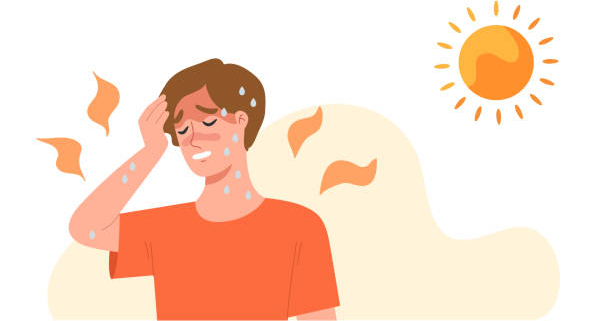
Heat stroke and heat exhaustion happen when your body struggles to regulate its core temperature due to too much sun and heat exposure. Signs of heat stroke include:

  • Feeling dizzy
  • Being extremely tired
  • Getting headaches
  • Sweating a lot
  • Feeling sick and throwing up
  • Having a high body temperature, often over 104 degrees

In serious cases, heat stroke can lead to life-threatening symptoms like confusion, irrational thoughts, or seizures. These happen because your body’s systems start to shut down. These severe signs of heat stroke need urgent medical attention in adults. If you experience these symptoms, it’s really important to get emergency medical help as soon as possible. Heat stroke is a medical emergency, and getting quick treatment is crucial to prevent serious problems or even death. Keep reading to learn how you can stay cool despite the summer heat.

Tips for Staying Safe in Hot Weather

Here are eight easy tips to help you stay cool and avoid heat-related problems this summer:

  • Drink plenty of water: Keeping hydrated helps your body regulate its temperature, especially when it’s hot outside. Drink fluids regularly, even if you’re not feeling thirsty. Electrolyte drinks can be particularly helpful if you’re sweating a lot.
  • Wear loose, light clothing: Clothes that let air flow through, like cotton, help your body cool down better than tight-fitting ones.
  • Protect yourself from the sun: Use umbrellas, wide-brimmed hats, gloves, and sunscreen with SPF 30 or higher to prevent sunburn. Reapply sunscreen every few hours, especially if you’re swimming or sweating.
  • Get used to the heat: Spend some time outside gradually to let your body adjust to hot temperatures. This process, called acclimatization, helps you handle the heat better.
  • Avoid overexertion: Don’t push yourself too hard, especially when it’s really hot. Limit intense workouts or physical activity during the hottest parts of the day, and make sure to stay hydrated.
  • Be cautious with medications: Some medicines can make you more susceptible to heat-related issues. Talk to your doctor about any medications you’re taking and their effects in hot weather.
  • Take it easy during peak heat hours: If you have to be active outside, try to do it in the cooler mornings or evenings. Check the weather forecast and plan accordingly.
  • Look out for vulnerable people: Keep an eye on children, infants, and older adults, as they’re more prone to heat-related illnesses. Make sure they stay hydrated and cool, and watch for signs of heat exhaustion, especially in babies.

By following these tips, you can stay safe and comfortable during the summer heat.

Conclusion

Heat stroke demands urgent attention and medical care. Ignoring it can result in serious complications affecting various organs like the brain, heart, lungs, muscles, and kidneys. Delaying treatment only worsens the damage, emphasizing the critical need to seek medical assistance as soon as signs of heat stroke appear.

Bone Marrow Transplants

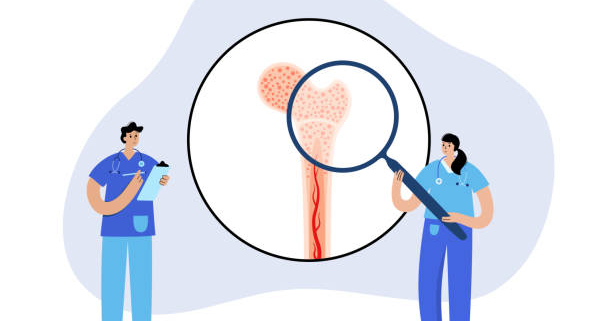
Bone marrow, the spongy tissue nestled within our bones, plays a vital role in our survival. It acts as a factory, churning out the essential components of our blood: red blood cells that carry oxygen, white blood cells that fight infection, and platelets that help blood clot.

This blog delves into the world of bone marrow transplants (BMT), a potentially life-saving procedure that offers a cure for certain conditions, including sickle cell disease.

Understanding Bone Marrow

There are two main types of bone marrow: red and yellow. Red bone marrow is the hero of this story. It houses stem cells, the body’s master cells with the remarkable ability to transform into various mature blood cell types. These stem cells constantly multiply and mature, ensuring a steady supply of fresh blood cells circulating throughout our body.

When the Factory Fails: Bone Marrow Disorders and Testing

Several conditions can disrupt the normal functioning of bone marrow, leading to imbalances in blood cell production. These imbalances can manifest as anemia (low red blood cells), low white blood cell counts (increasing infection risk), or high platelet counts (which can lead to clotting problems).

In such cases, a bone marrow test might be necessary. This minimally invasive procedure involves extracting a small sample of bone marrow fluid and tissue, usually from the hip bone. The sample is then analyzed to pinpoint the underlying cause of the blood cell abnormalities.

Bone Marrow Transplants: Replacing the Diseased Factory

A bone marrow transplant (BMT), also known as a stem cell transplant (SCT), offers a glimmer of hope for patients with certain blood and bone marrow disorders. The procedure essentially replaces the patient’s diseased bone marrow with healthy stem cells from a donor.

These healthy donor stem cells are infused into the patient’s bloodstream, where they migrate to the bone marrow and begin to grow and mature. Over time, they take over the production of healthy blood cells, effectively replacing the diseased bone marrow function.

Who Needs a BMT?

While BMT holds immense promise, it’s not a one-size-fits-all solution. This procedure is commonly recommended for patients who have:

  • Sickle Cell Disease: A genetic disorder causing red blood cells to become sickle-shaped, leading to severe pain, organ damage, and stroke. BMT is currently the only curative option for sickle cell disease.
  • Thalassemia Major: Another genetic blood disorder characterized by abnormal hemoglobin production, leading to severe anemia. BMT offers a potential cure.
  • Aplastic Anemia: A rare condition where the bone marrow fails to produce enough blood cells. BMT is a potentially life-saving treatment.
  • Inherited Immune Deficiency Disorders: These genetic disorders weaken the body’s immune system, making individuals susceptible to infections. BMT can help rebuild a functional immune system.
  • Inherited Metabolic Disorders: Certain genetic disorders disrupt the body’s ability to process specific substances. BMT can potentially correct these metabolic imbalances.
  • Leukemia: Cancers of the blood and bone marrow. BMT can be used to eradicate cancerous cells and restore healthy blood cell production.
  • Relapsed Lymphoma: A type of cancer of the lymphatic system that returns after initial treatment. BMT can be used to attempt a cure for relapsed lymphoma.
  • Myelodysplastic Syndromes (MDS): A group of disorders affecting the development of blood cells in the bone marrow. BMT can be a treatment option for some types of MDS.

Finding the Perfect Match: The Search for Donors

The success of a BMT hinges on finding a compatible donor whose stem cells closely match the recipient’s tissue type (HLA type). This minimizes the risk of the body rejecting the transplanted stem cells, a serious complication known as graft-versus-host disease (GVHD).

There are three main types of BMT depending on the donor source:

  • Autologous BMT: In this approach, the patient’s stem cells are collected, treated (if necessary), and then reintroduced after high-dose chemotherapy or radiation to eliminate diseased bone marrow. This type of BMT is less common.
  • Allogeneic BMT: This is the most common type, where stem cells come from a matched donor, ideally a sibling with a 100% HLA match. Other family members or unrelated donors registered in national bone marrow registries can also be potential sources.
  • Haploidentical BMT: This approach uses stem cells from a partially matched donor, such as a parent. It’s a less common option due to a higher risk of GVHD.

The BMT Journey: Challenges and Recovery

The prospect of a BMT offers immense hope, but it’s a complex journey with significant challenges. Here’s a preview of what you can anticipate:

Pre-Transplant Conditioning: Before the transplant, the patient undergoes intensive conditioning treatment, typically involving high-dose chemotherapy and/or radiation therapy. This treatment aims to eradicate any remaining diseased cells in the bone marrow and suppress the immune system to prevent rejection of the donor stem cells. However, conditioning can be harsh, causing side effects like nausea, vomiting, hair loss, fatigue, and an increased risk of infection.

Post-Transplant Complications: Following the transplant, the patient remains hospitalized for several weeks while the new stem cells engraft (take root) in the bone marrow and begin producing healthy blood cells. This period is critical but can be challenging due to:

  • Engraftment Syndrome: The body may react to the new stem cells, causing fever, rash, and nausea.
  • Graft-versus-host disease (GVHD): A serious complication where the donor’s immune system attacks the recipient’s body. There are two types: acute GVHD (occurring within the first 100 days) and chronic GVHD (developing later).
  • Infections: Due to the suppressed immune system, patients are highly susceptible to infections requiring careful monitoring and isolation procedures.

The Road to Recovery: Recovery after BMT is a gradual process that can take months or even a year. Regular doctor visits, blood tests, and medications are crucial to monitor progress, prevent complications, and manage side effects.

Psychological Impact: The BMT journey can be emotionally draining for both the patient and their loved ones. The intensity of the treatment, the uncertainty of outcomes, and the long recovery period can take a toll on mental well-being. Support groups, counseling, and open communication with the healthcare team can help patients navigate these challenges.

The Power of Bone Marrow Donation: Be a Beacon of Hope

Bone marrow donation is a selfless act with the potential to save a life. If you’re considering becoming a bone marrow donor, please register with your national bone marrow registry. You could be the answer someone is desperately waiting for.