Stress disorders are psychological mental health conditions that are caused by a stressful or traumatic event. Stress disorders include Post-Traumatic Stress Disorder (PTSD) and Acute Stress Disorder (ASD). If left untreated, stress disorders can result in anxiety, depression, substance abuse, difficulty with memory, sleep problems, and serious health problems, including heart issues.

Select advanced stress disorder treatment in Dwarka, Delhi, from Ayushman Hospital and Health Services. Stress-related disorders are extremely prevalent, and it is very important to accurately diagnose, treat them individually, monitor stress disorders with safe medication plans, and ensure proactive follow-up. Here at Ayushman, we have highly experienced psychiatrists, psychologists, and therapists who provide supportive care and support patients in recovery. At our hospital, recovery includes emotional support, building resilience, and ways to maintain a healthy lifestyle for the future. Our doctors are dedicated to treating stress-related disorders to provide patients with peace of mind and a better quality of life.


What Are Stress Disorders?

Stress disorders are mental health conditions that occur in response to trauma or overwhelming stress. Traumatic events can include accidents, violence, disasters, abuse, or witnessing harm. Stress disorders impact mental, emotional, and physical health, causing symptoms like flashbacks, avoidance, irritability, and difficulty sleeping.

The two most prominent types of stress disorders are Acute Stress Disorder (ASD) and Post-Traumatic Stress Disorder (PTSD).


Aspect

Acute Stress Disorder (ASD)

  • Begins within 3 days of trauma, lasts up to 1 month.
  • Often short-term and can also progress to PTSD if untreated.

Post-Traumatic Stress Disorder (PTSD)

  • Appears after trauma, persists for more than 1 month.
  • Longer-term, can continue for months or years without treatment.

Symptoms and Signs of Stress Disorder’

  • Repetitive flashbacks or nightmares where a person feels like they are reliving their trauma daily.
  • Avoiding places, people, or conversations that remind them of their trauma, even if it impacts daily life.
  • Persistent negative mood and emotional numbness or difficulty feeling joy.
  • Feeling disconnected from family and friends.
  • Sudden outbursts of angry behavior, high irritability, or aggression with little or no provocation.
  • Trouble sleeping, frequent waking at night, tiredness, and inability to concentrate the next day.

Contributing Factors to Stress Disorders

Stress disorders result from a combination of biological, emotional, and social factors. The most common causes include direct trauma, such as accidents, natural disasters, war, or violent attacks. Indirect experiences, like witnessing violence against others or a loved one, or being a long-term caregiver for someone with a chronic illness, can also contribute.

Variables such as lack of social support, a history of trauma, a family history of mental health difficulties, and younger age can increase the risk of developing a stress disorder.


Treatment Options for Stress Disorders

Psychotherapy (CBT, Trauma-Focused Therapy)

CBT and trauma-focused therapy help patients face traumatic memories safely, change negative thought patterns, and develop coping strategies for recovery.

Exposure Therapy

Guides individuals to gradually face trauma reminders in a safe environment, reducing fear and avoidance over time.

Group Therapy

Encourages peer support, where people share experiences, feel less alone, and gain strength from others’ recovery journeys.

Eye Movement Desensitization and Reprocessing (EMDR)

Uses guided eye movements during trauma recall, helping the brain process painful memories in a healthier way.

Medication (SSRIs, SNRIs)

Medications like sertraline or paroxetine help reduce nightmares, anxiety, and mood disturbances when therapy alone isn’t sufficient.

Stress Management Techniques

Relaxation exercises, breathing practices, meditation, and mindfulness improve resilience and reduce everyday stress.


Why Choose Ayushman for Trusted Stress Disorder Treatment in Dwarka, Delhi?

At Ayushman Hospital and Health Services, our collaborative care model works closely with medical experts, allied mental health professionals, and rehabilitation specialists to provide holistic care. We combine the technical aspects of clinical care with proven compassionate engagement. We help our patients rebuild resilience, reduce stress and symptoms, and restore their quality of life after trauma.


Book Your Appointment for Stress Disorder Treatments!

Don’t let anxiety, stress, or trauma take over your future. At Ayushman Hospital and Health Services, we provide evidence-based, patient-centered, and trusted treatment for stress disorders in Dwarka, Delhi. Contact us today to book your appointment with our experts.

Clinical depression, also known as major depressive disorder (MDD), is a serious mental health condition that affects mood, thoughts, and overall well-being. It causes persistent low mood, loss of interest or pleasure, and symptoms such as changes in sleep, appetite, and concentration, affecting daily functioning. Unlike normal sadness that improves with time, clinical depression persists for weeks or months, disrupting daily life, work, sleep, and relationships. It can result from a combination of genetic, biological, environmental, and psychological factors and can be treated with psychotherapy, medication, or both.

Choosing the best clinical depression treatment in Dwarka, Delhi, helps ensure top-notch care for depression. If depression is left untreated, it could get worse, cause physical health problems, and even risk hurting oneself. The good news is that there are treatments that work. Therapy, medication, and positive lifestyle changes can provide effective treatment for depression. At Ayushman Hospital and Health Services, our knowledgeable psychiatrists provide accurate diagnoses and appropriate treatment to maximize the chances of recovery.


What Is Clinical Depression?

Clinical depression is sadness that lasts for a long time. It is more than just a mood swing or feeling low. Depression is a serious medical condition recognized by doctors and mental health professionals. Depression is characterized by feelings of sadness, emptiness, or even irritability that are long-lasting and do not improve with support, rest, or even fun. Depression also changes the way one’s brain functions and alters the chemical balancing act we call homeostasis.

Depression impacts sleep. It can change your appetite and affect your concentration and energy when connecting with people in social settings. Simply, depression robs one of interest and joy in hobbies and social activities that may be essential to one’s well-being. It is treatable, but it requires proper care, as not addressing it may worsen symptoms.


Symptoms of Depression

  • Feeling sad, empty, or hopeless nearly every day or all day.
  • Loss of interest in activities, hobbies, or even socializing.
  • Changes in appetite like noticeable weight gain or weight loss.
  • Sleep pattern abnormalities like insomnia, hypersomnia, or disturbance in sleep.
  • Constantly feeling tired or taking longer to complete simple tasks.
  • Difficulties with concentration, making decisions, or remembering important things in one’s everyday life.
  • Feelings of guilt, worthlessness, self-blame, or criticism for no apparent reason.
  • Constant thoughts about death, suicide, or ways to die.

Ways to Diagnose Depression

  • The doctor asks questions about mood changes, daily habits, and feelings over several weeks.
  • The doctor assesses sadness, interest, sleep quality, and general emotional health.
  • Physical check-ups to rule out any thyroid or vitamin deficiencies that might produce similar symptoms.
  • Family histories to see if depression is hereditary.
  • Assessing major stress, trauma, or negative life events that may have triggered depression symptoms.
  • Testing for memory, focus, and thinking to assess how depression is impacting an individual’s everyday living.
  • Diagnosing the severity of depression as mild, moderate, or severe, based on duration, intensity, and risk factors.

Treatment Options for Depression

  • Having conversations with a therapist to address feelings and daily stress.
  • Taking medication on a regular basis to keep the brain’s chemicals balanced and improve mood safely.
  • Attending therapy to replace unhelpful and negative thoughts with positive and helpful thoughts.
  • Increasing communication to bond with family and friends.
  • Encouraging regular exercise, sleep, and diet to help with the recovery from trauma.
  • Steering clear of drugs, alcohol, and other substances to help preserve mental health.
  • Sharing feelings in a group to provide relief and reassurance.

Why Choose Ayushman for Clinical Depression Treatment in Dwarka, Delhi?

Are you or a loved one facing constant sadness, loss of interest, or changes in sleep and appetite? Clinical depression is a serious mental health condition that affects daily life and overall well-being if not treated promptly. At Ayushman Hospital and Health Services in Dwarka, we provide the best clinical depression treatment with accurate diagnosis, compassionate care, and evidence-based therapies.

Ayushman is the preferred choice for depression because we offer:

  • Experienced psychiatrists and psychologists
  • Customized plans for your depression treatment
  • Innovative psychological testing
  • Holistic emotional and physical treatment
  • Confidential healing environment characterized by safety and support
  • Integrated team of providers in a multidisciplinary framework

Book a Consultation for Depression Care Today!

Don’t let depression dictate your life or affect the future of your loved one. At Ayushman Hospital and Health Services in Dwarka, we support our patients every step of the way. We provide help through a range of contemporary treatment options. Call today to schedule your consultation.

Anxiety disorder is one of the most prevalent mental health disorders affecting people of all ages. Anxiety can be defined as strong and uncontrollable feelings of fear, apprehension, and worry that disrupt daily functioning. Anxiety has many forms, including Generalized Anxiety Disorder (GAD), Panic Disorder, and Social Anxiety. Each of these anxiety disorder symptoms can present differently, but may always include emotional symptoms such as consistent worrying, along with physical symptoms such as racing heartbeats, sweating, and insomnia, which can impact one’s studies, work, relationships, and overall functioning in daily life.

Choose anxiety disorder treatment in Dwarka, Delhi, from Ayushman Hospital and Health Services. Anxiety stems from a combination of biological, psychological, and environmental factors. Anxiety must be treated as it can worsen over time, and lead to many issues such as depression, substance use, or even complete social withdrawal. We provide confidential support and treatment planning at our hospital to support your long-term mental health. Anxiety disorders are treatable conditions, and meaningful recovery is possible with the right support. With timely diagnosis, evidence-based therapies, and expert interventions, patients often return to meaningful, productive lives.


Types of Anxiety Disorders

  • Generalized Anxiety Disorder (GAD): Persistent and excessive anxiety about normal things without any reason that lasts for over 6 months.
  • Social Anxiety Disorder (SAD): Excessive fears of interaction, public speaking, or groups, creating social isolation.
  • Phobias: An intense and unreasonable fear of a specific object or situation, like heights, flying, water, or an animal. Phobias hinder normal functioning.
  • Agoraphobia: Fear of being in situations where escape is hard or embarrassing, like crowded places, public transportation, or public spaces.
  • Separation Anxiety Disorder: Significant fear about being away from a primary caregiver or loved one. This is common in young children but is also diagnosed in adults.
  • Panic Disorder: Unanticipated and debilitating anxiety attacks. Panic attacks can also be accompanied by physical symptoms such as a fast heartbeat, dizziness, sweating, or chest pain.

Signs of Anxiety Disorders

  • Poor sleep habits, such as difficulty falling asleep or frequent nighttime wakings. Avoiding people or situations or omitting activities that trigger social anxiety or embarrassment is a sign of anxiety.
  • Being irritable and anxious most of the time, being frustrated with people. One may experience symptoms such as severe fear, dizziness, shortness of breath and chest pain.
  • Chronic and debilitating stress and tension that interfere with daily activities, relationships, and quality of life.
  • A constant unsettled feeling every day or all day with no apparent reason.
  • Difficulty focusing on daily activities, making decisions, or recalling important items at work or school.

Treatment for Anxiety Disorders

  • Cognitive Behavioral Therapy (CBT): This is one of the most helpful therapies. A patient works to rewire their thinking by replacing negative thought patterns with more adaptive, healthy ones. CBT also allows an individual to face their fears and think through coping strategies gradually.
  • Medications: Physicians might prescribe patients antidepressants such as an SSRI or short-acting anti-anxiety medications. Medication combats imbalances of brain chemicals, alleviates symptoms, and improves functioning.
  • Changes in Lifestyle: Regular exercise, a healthy diet, reduced caffeine intake, and a healthy sleep schedule can help alleviate anxiety. Stress management and relaxation techniques, such as yoga and meditation, also matter.
  • Support Groups: Meeting and speaking with others who have the same problems provides emotional relief and alleviates feelings of isolation.
  • Relaxation and Mindfulness: Practicing breathing exercises, mindfulness meditation, and relaxation techniques lowers stress and improves clarity of thought and emotional well-being.

Why Choose Ayushman for Advanced Anxiety Disorder Treatment in Dwarka, Delhi?

Want to optimally manage and recover from anxiety disorders like Generalized Anxiety Disorder, Panic Disorder, Social Anxiety**,** and Phobias? It requires early intervention, proper diagnosis, and effective treatment planning. At Ayushman, we combine clinical knowledge, evidence-based treatment options, and advanced diagnostic measures. With our psychiatrist, psychologist, and other mental health professionals, we ensure the client is effectively treated with therapy and medications. We are keen on providing supportive care to enable long-term recovery and improved quality of life.


Get Expert Mental Health Care Today

If you are looking for reliable anxiety disorder treatment in Dwarka, Delhi, book a consultation with Ayushman Hospital and Health Services. Get relief from anxiety disorders and start the process of feeling more confident, calm, and well.

Spinal decompression is an important treatment method to create more space in the spine to relieve pressure on the spinal cord or spinal nerves and reduce pain and symptoms from herniated discs, bulging discs, spinal stenosis, and many other causes. Chronic or persistent pressure on the spinal nerves can lead to chronic pain, numbness, muscle weakness, and in extreme cases, paralysis or loss of bowel or bladder control. Decompressing the spine will restore nerve function and improve spinal health.

At Ayushman Hospital and Health Services, we provide expert spinal decompression and therapy in Dwarka, Delhi, with a multidisciplinary approach involving orthopaedic surgeons, neurosurgeons, pain specialists, chiropractors, and physiotherapists. Patients benefit from personalised care plans, modern traction equipment, and minimally invasive techniques designed for faster recovery and long-term spinal wellness.


What is Spinal Decompression?

Spinal decompression includes procedures and treatments that aim to create space within the spinal column to relieve pressure on the nerves.


Two methods of spinal decompression are:

Surgical Decompression

Surgical decompression involves laminectomy, discectomy, foraminotomy, and bone grafting methods. These procedures remove or relieve the pressure placed on the tissues that are compressing the nerves. The purpose of the surgery is to allow the nervous system to regain its function, stabilise the spine, and avoid or prevent further injury. Surgery is generally considered a last resort after attempting non-surgical options or when facing permanent nerve injuries.

Non-Surgical Decompression Therapy

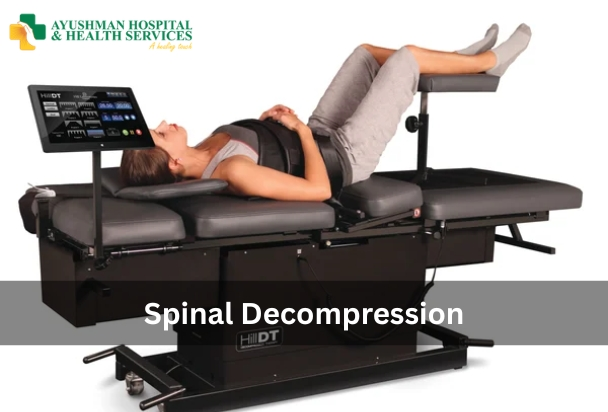
Non-surgical decompression is typically done in a clinic using either motorised or manual traction devices. The equipment gently stretches and decompresses the spine, leading to decreased pressure inside the discs due to negative pressure. Non-surgical decompression allows for blood to flow into the desired tissues and encourages tissues to heal using blood flow.


Who Needs Spinal Decompression?

  • Individuals suffering from chronic neck or back pain unrelieved by medication or physiotherapy may need spinal decompression.
  • Patients experiencing sciatica, shooting leg pain, or tingling sensations caused by herniated or bulging discs pressing on spinal nerves may benefit from spinal decompression.
  • Spinal decompression is useful for people diagnosed with spinal stenosis, leading to narrowing of the spinal canal and mobility difficulties.
  • People with degenerative disc disease showing progressive disc deterioration with chronic discomfort affecting daily activities may require decompression.
  • Patients at risk of severe neurological complications like paralysis or loss of bowel/bladder control due to untreated spinal compression may require this treatment.

Benefits of Spinal Decompression Therapy

Spinal decompression therapy is a non-invasive procedure that uses a computerised traction table to gently stretch the spine, reducing pressure within the spinal discs and easing nerve-related pain. It provides benefits such as:

  • Therapy naturally relieves back and neck pain stemming from compressed nerves and discs.
  • Spinal decompression reduces numbness, tingling, and weakness in the arms or legs, making movement more comfortable.
  • The therapy improves blood flow and oxygen delivery to injured spinal tissues, promoting more rapid healing.
  • Therapy helps restore natural spine alignment and flexibility without surgery or extended recovery.
  • Spinal decompression therapy reduces reliance on pain medications and increases comfort and activities of daily living.
  • Spinal health improves, and long-term stability can be achieved through spinal decompression therapy.

Why Choose Ayushman for Advanced Spinal Decompression in Dwarka, Delhi?

Struggling with chronic back or neck pain affecting daily life? Choose Ayushman Hospital and Health Services for advanced spinal decompression and therapy in Dwarka, Delhi. Our expert team combines specialised orthopedic surgeons, neurosurgeons, and physiotherapists with state-of-the-art technology to relieve nerve pressure, restore mobility, and improve quality of life.

At our hospital, we provide:

  • Comprehensive spinal assessments, imaging, and diagnostic tests.
  • Surgical decompression procedures, including laminectomy, discectomy, foraminotomy, and bone grafting.
  • Decompression therapy, either with mechanical or manual traction.
  • Complementary therapies include heat, ultrasound, and electrical stimulation.
  • Customised treatment plans that consider the patient’s spine condition, goals, and lifestyle

Book Your Spinal Decompression Consultation Today!

Take the first step toward pain relief and spinal health. Schedule a consultation at Ayushman Hospital and Health Services, Dwarka, Delhi, and regain mobility, flexibility, and a better quality of life.

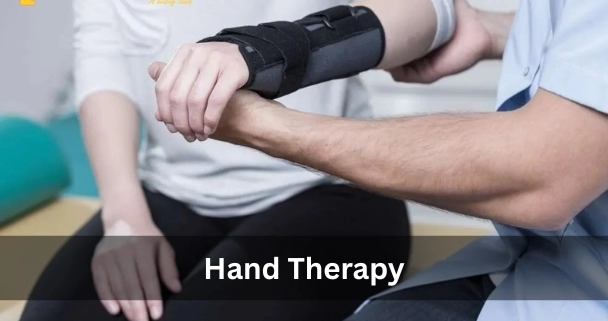
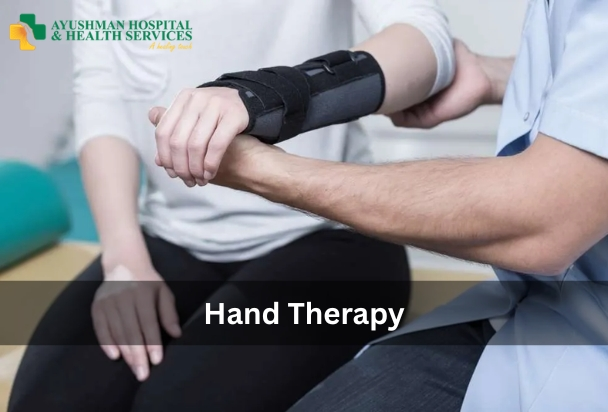
Hand therapy is a specialised field of physical and occupational therapy that focuses on the rehabilitation and mobility of arms, wrists, hands, and fingers. It addresses limitations in movement, strength, or activities of daily living due to injury, surgery, or conditions like arthritis or carpal tunnel syndrome. Such injuries, surgeries, or conditions can reduce a person’s independence and overall quality of life, especially when involving hand movements.

Hand therapy helps reduce the incidence of long-term problems and improves a person’s hand mobility. Choosing a skilled hospital and therapist makes a significant difference. Select hand therapy services in Dwarka, Delhi, from Ayushman Hospital and Health Services. At Ayushman, our therapists are highly trained and experienced to ensure safety and promote accelerated recovery through evidence-based therapeutic interventions and modern equipment. Hand therapy is customised accordingly for our patients based on their unique needs.


What Is Hand Therapy?

Hand therapy is a branch of rehabilitation focused on the hands, wrists, forearms, elbows, and shoulders. It is highly specialised and addresses the tiny bones, tendons, ligaments, muscles, and complex nerves of the hands.


Common Conditions Treated with Hand Therapy

Carpal Tunnel Syndrome

This problem occurs when nerves at the wrist level become compressed. The result can include sensations of tingling, numbness, or weakness, or a combination of these. Hand therapy can relieve the pressure on the nerves, enhance blood flow, restore grip strength, and enable the patient to return to daily living activities appropriately and without discomfort.

Trigger Finger

When the tendon becomes swollen, the finger can become ‘locked’ in a bent position, causing discomfort. Hand therapy reduces swelling, improves tendon gliding, and restores pain-free, smooth finger movement.

Arthritis

Arthritis can cause pain and swelling in the joints, necessitating restrictions or modifications to daily activities. Hand therapy includes exercises, splints, and various pain management strategies to minimise stiffness, enhance range of motion, and help the patient maintain independence with daily living tasks.

Bone Fractures and Dislocations

Even after being treated, broken or dislocated bones can leave a patient weak and stiff. Hand therapy strengthens their hands, restores motion, and helps them progressively return to normal function.

Crush Injuries and Trauma

Severe accidents can damage bones, muscles, and nerves, resulting in limited hand function. Hand therapy can help patients regain some movement, rebuild muscles, and restore their overall confidence when using their hands after traumatic injuries.


Benefits of Hand Therapy

  • Restores Function: Helps patients return to daily tasks by regaining hand strength and movement.
  • Speeds Recovery: Minimises recovery time after injury, surgery, or trauma.
  • Reduces Pain: Uses gentle, hands-on techniques to relieve pain and improve comfort after surgery or injury.
  • Improves Dexterity: Enhances fine motor skills, such as writing or typing, following injury.
  • Prevents Disabilities: Helps prevent long-term stiffness or chronic hand issues.
  • Promotes Mental Health: Supports returning to normal activities after surgery or injury, enhancing mental well-being and confidence.

Why Choose Hand Therapy Services in Dwarka, Delhi?

Hand therapy is a specialised rehabilitation service that restores strength, movement, and function of the hands, wrists, and arms following injury, surgery, or chronic conditions. At Ayushman Hospital and Health Services, we provide expert care designed to improve mobility, reduce pain, and help patients return to normal daily activities with confidence.

Choose trusted hand therapy in Dwarka, Delhi, at Ayushman, as we offer:

  • Personalised rehabilitation programs tailored to each patient’s condition, recovery goals, and lifestyle needs.
  • Expert hand therapists and physiotherapists with advanced training in post-injury, post-surgery, and chronic condition management.
  • Modern therapy techniques and equipment ensure faster recovery, improved flexibility, and lasting results.
  • Multidisciplinary support from doctors, orthopaedic specialists, and rehabilitation experts working together for comprehensive care.
  • Comprehensive services under one roof, including assessment, therapy sessions, progress monitoring, and follow-up guidance.

Book Your Hand Therapy Appointment Today at Ayushman

Regain strength, flexibility, and independence with the best hand therapy services at Ayushman Hospital and Health Services. With our skilled therapists, advanced facilities, and patient-focused approach, we ensure safe, effective, and long-lasting recovery close to home.

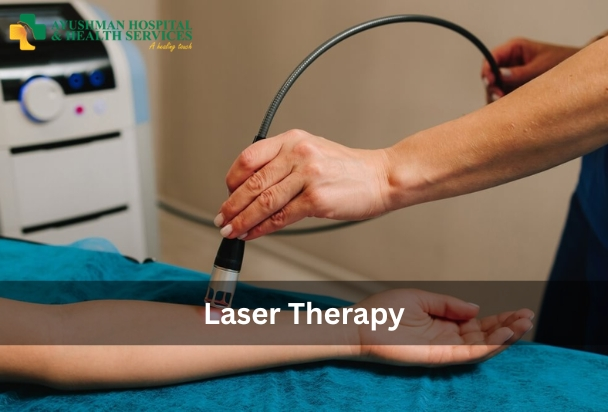
Laser Therapy is a modern medical treatment technique in which trained medical staff utilise focused beams of light energy to cut, destroy, or stimulate tissue to repair, heal, and enhance body tissues. Laser therapy helps destroy abnormal cells in cancer treatment, stimulate cell healing, reduce pain and inflammation, or complete cosmetic procedures such as tattoo or hair removal. It works by targeting specific cells without damaging surrounding areas, making it a safe, contemporary, and precise method.

Choose a modern laser therapy procedure at Ayushman Hospital and Health Services in Dwarka, Delhi. We provide best-in-class laser therapy with rapid recovery, less pain, and fewer side effects than traditional methods. Our state-of-the-art technologies, highly skilled doctors, and trained medical professionals ensure you receive reliable outcomes and complete treatment, with follow-up during laser therapy. In laser therapy, it is important to select the right wavelength that best suits each patient. Knowing the best wavelength for each tissue allows the doctors to provide precise, non-invasive treatment more quickly.


Ideal Patients for Laser Therapy

  • Patients with skin issues like scars, wrinkles, or unwanted growths are ideal candidates for laser therapy.
  • Individuals suffering from chronic joint or muscle pain may require laser therapy under a doctor’s recommendation.
  • People needing advanced eye treatments, such as retinal repair, also opt for laser therapy.
  • Patients seeking safe alternatives to traditional surgery often choose laser therapy under a doctor’s recommendation.
  • Those needing cosmetic improvements with minimal downtime also opt for laser therapy.

Benefits of Laser Therapy

  • Fast and Safe Treatment: Laser therapy is a fast, safe treatment with minimal bleeding and a significantly lower risk of infection.
  • Less Pain: Patients experience far less pain during and after treatment compared to traditional surgical techniques.
  • Quick Recovery: Patients recover and return to daily activities and routines significantly sooner than with conventional treatments.
  • Versatile Applications: Laser therapy is effective for many conditions, such as skin issues, eye problems, chronic pain, and certain musculoskeletal injuries.
  • Better Cosmetic Results: Fewer scars and other aesthetic considerations make laser therapy more appealing.
  • Combination Treatment: Laser therapy works well with other treatments, enhancing results and patient satisfaction when used in combination.

Laser Therapy Procedure at Ayushman

Pre-Surgery of Laser Therapy

The patients will have a complete medical history evaluation and a possible medical examination. The doctor will explain the procedure, potential risks, and what to expect, so everything is clear to the patient. Patients may be asked to stop medications, avoid alcohol, or limit sun exposure based on their medical history. The doctor provides protective cream and/or glasses.

During the Surgery of Laser Therapy

During the procedure, the patient reclines in a comfortable position and is instructed to wear goggles to protect against the laser light. The surgeon will turn on the laser and direct it to the specified area. For most patients, there is little pain; the only sensation is warmth and possibly a little tingling. The treatment can last anywhere from a couple of minutes to more than an hour, depending on the case. A well-established hospital with a high level of medical technology can support laser therapy services by providing laser applications and monitoring devices, ensuring treatment is performed safely and reliably.

Post-Care for Laser Treatment

After the procedure, patients are briefly monitored to check for immediate reactions. Based on the treatment, the doctor prescribes medications, topical creams, and recovery instructions. Patients must avoid sun exposure for the required period. Most patients return to their normal routines quickly. Professional hospitals with trained staff and experienced doctors provide ongoing care to ensure long-lasting effects while reducing pain and scarring.


Why Choose Laser Therapy at Ayushman Hospital, Dwarka, Delhi?

At Ayushman Hospital and Health Services, we perform advanced and safe laser therapy procedures in Dwarka, Delhi, designed to address a wide range of medical conditions with precision and care. Combining laser technology with the latest diagnostic techniques and knowledgeable doctors, we provide effective and minimally invasive treatments for every patient.

Our integrated team of laser therapy specialists, technicians, and nurses collaborates to deliver the best patient experience, from consultation and preparation through the procedure and aftercare. Laser therapy for skin, eye, musculoskeletal pain, or chronic medical issues is provided at our hospital, offering improved recovery times, less pain, and enhanced cosmetic results compared to traditional treatment options.


Book Your Laser Therapy Consultation Today

Experience world-class laser therapy at Ayushman Hospital and Health Services. Call us to book an appointment with our experienced consultants and access effective, safe, and advanced laser therapy.

Rehabilitation following surgery is a systematic process of recovery that promotes healing through purposeful functional therapy, occupational therapy, or speech therapy. These therapies restore or improve function, strength, and quality of life after an illness, injury, or surgery. All surgeries, whether orthopedic, neurological, cardiac, or general, may affect a person’s muscles, joints, and overall stamina. Rehabilitation is a necessary part of returning to normal daily living and also helps to prevent long-term complications. Doctors, physiotherapists, and rehabilitation specialists support and promote recovery with individualised rehab plans and programs. Rehabilitation allows for faster healing, reduces pain, helps prevent complications, and facilitates a safe return to independence.

Choose post-operative rehabilitation services in Dwarka, Delhi, from Ayushman Hospital and Health Services. We provide advanced facilities, expert supervision, and access to therapies like physical therapy, occupational therapy, nutrition planning, and modern recovery equipment, designed to improve overall healing outcomes post-surgery.


What Is Post-Surgery Rehabilitation?

Post-surgical rehabilitation covers therapies, care, and treatment. Post-surgical rehabilitation helps heal, regain strength, and rebuild mobility, supporting overall health. For example, the recovery process of a patient following joint replacement surgery works by restoring mobility achieved through post-surgery rehabilitation. However, patients recovering from abdominal surgery must also include core-strengthening exercises to support the healing process.

Overall, successful post-surgery rehabilitation helps alleviate surgical pain, address mobility issues, and allows patients to return to daily activities with minimal disruption, to the same health state prior to surgery.


Benefits of Post-Surgery Rehabilitation

  • Restores strength and stamina to help patients return to normal daily life activities.
  • Reduces pain and inflammation without relying solely on long-term pain medications.
  • Decreases stiffness and improves flexibility of joints, muscles, and other tissues after surgical procedures.
  • Lowers the risk of complications, such as infections, mobility limitations, or blood clots.
  • Enhances coordination, stability, and functional independence for greater daily life autonomy.
  • Supports emotional well-being for patients facing mental and physical health challenges after surgery.

Key Components of Post-Surgery Rehabilitation

  • Physical Therapy: Personalised exercises restore strength, mobility, flexibility, and endurance to help patients function normally again after surgery.
  • Occupational Therapy: Helps relearn activities of daily living (ADLs), improve fine motor skills, and promote independence during hygiene routines.
  • Pain Management: Safe therapies, such as medication, ice, heat, and relaxation techniques, reduce discomfort after surgery.
  • Nutrition: Focuses on balanced meals with protein, vitamins, and minerals to support tissue regeneration and effective recovery.
  • Patient Education: Provides counselling on safe postures, body movements, and long-term lifestyle changes to optimise recovery.

Key Areas of Rehabilitation

  • Mobility Restoration: After surgical intervention, many patients experience movement constraints. Rehabilitation uses gentle exercises and stretching protocols to help patients restore walking ability and joint range of motion.
  • Strength Building: Prolonged rest can lead to muscle atrophy. Targeted exercises in a rehabilitation program help rebuild muscle strength, stamina, and energy for physical independence.
  • Balance and Coordination: Surgeries can affect stability and balance. Rehabilitation employs balance and training exercises to improve coordination and safety in basic and advanced activities.
  • Pain Control: When pain cannot be managed solely through medicines, rehabilitation teaches supplementary techniques, such as movement therapy and posture correction.
  • Daily Activity Training: Rehabilitation guides patients in relearning daily tasks, supports safe body movements, conserves energy, and helps them progress toward functional independence after surgery.

Why Choose Ayushman for Advanced Post-Operative Rehabilitation Services in Dwarka, Delhi?

Getting better after surgery is as critical as the surgery itself. Many patients leave the operating room in pain, feeling weak, or struggling to return to daily life. Post-operative rehabilitation is essential in these cases and more. At Ayushman Hospital and Health Services, we provide leading post-operative rehabilitation services in Dwarka, Delhi, designed to help patients heal faster, restore strength, and regain independence after a wide range of surgical procedures.

Ayushman is the trusted choice for post-operative rehabilitation because we have:

  • An expert rehabilitation specialist team
  • Personalised post-surgery recovery plans
  • Advanced rehabilitation care facilities
  • Multidisciplinary integrated recovery approach

Book a Post-Surgery Rehabilitation Consultation Today!

Don’t let post-surgery issues hold you back from living your best life. Begin your recovery journey at Ayushman, where world-class facilities and trusted specialists ensure safe, effective, and faster rehabilitation. Book your consultation online or call us today to get the best care for a smooth post-surgery recovery.

Pediatric cardiology is an important medical speciality that focuses on the diagnosis, treatment, and management of heart diseases in infants, children, and adolescents. Pediatric cardiology addresses medical heart concerns that are prevalent at birth and during development. For example, congenital heart defects, arrhythmias, valve diseases, or heart infections can deteriorate quickly if not identified and managed. It is important to seek medical help immediately in pediatric cardiology to avoid severe complications, disabilities, and mortality in children due to heart-related conditions.

Children’s hearts are still developing, making cardiac issues more complex and unique. Pediatric cardiologists not only treat heart conditions in children but also act as family guides, explaining diagnoses, treatments, and long-term management with compassion and clarity. Choose the best pediatric cardiology services in Dwarka, Delhi, from Ayushman Hospital and Health Services. We provide pediatric cardiology services with a patient-first, family-centred approach. Our hospital is equipped with advanced diagnostic and therapeutic technologies, like echocardiography, fetal echocardiography, cardiac MRI, and minimally invasive interventional procedures.


What Is Pediatric Cardiology?

Pediatric cardiology focuses on patients from infancy through adolescence with congenital and acquired heart and blood vessel diseases. Pediatric cardiology includes congenital heart disease (present at birth), arrhythmias, rheumatic and infectious conditions of the heart, and heart disease associated with genetic syndromes.


Signs of Heart Issues in Children

  • Children may feel fatigued, dizzy, or faint when playing or exercising.
  • A child may experience shortness of breath, rapid breathing, or trouble breathing even at rest.
  • The child may feel chest pain or discomfort while breathing.
  • Heart palpitations, irregularities, or fluttering of the heart at rest or during activity.
  • Rapid weight loss or weight gain or feeding issues in infants and toddlers.
  • Bluish color on the child’s lips, tongue, or nail beds (usually indicates low oxygen).
  • Excessive sweating in children or infants during feeding.

Role of Pediatric Cardiologists in Managing Heart Conditions

Detection of Heart Defects

Pediatric cardiologists use child-centred testing, such as echocardiograms, to detect heart defects and, if possible, treat them quickly, enabling appropriate treatment and better long-term health.

Individualised Treatment Plans

Every child gets a tailored treatment plan, which includes medicines, procedures, or surgery that have been determined by a pediatric cardiologist. The surgery is specially customised according to the child’s age, growth, and medical condition.

Fetal and Neonatal Diagnosis

Pediatric cardiologists can identify fetal or neonatal heart defects, which allows them to begin treatment sooner than they otherwise could, reducing the risks and problems for small babies.

Arrhythmias and Valve Issues

Pediatric cardiologists are experienced in safely treating irregular heartbeats, heart valve issues, or heart weakness with the correct medicines, procedures, or devices customised for use in children. It helps stabilise heart function.

Multidisciplinary Approach

Pediatric cardiologists work with surgeons, neonatologists, or other healthcare professionals to ensure that a complete care and medical plan is made for the treatment of a child’s heart problem.

Communicating with Families

Pediatric cardiologists make time to communicate with parents and guardians to provide accurate information so they can better understand options to manage their child’s heart issues properly.

Transitioning Pediatric Heart Conditions

A pediatric cardiologist prepares children for adult cardiology services for any heart condition that requires lifelong monitoring or follow-up care.


Why Choose Ayushman for Pediatric Cardiology in Dwarka, Delhi?

At Ayushman Hospital and Health Services, we understand the delicate and complex nature of children’s heart conditions. We provide one of the most leading pediatric cardiology services in Dwarka, Delhi. At our facility, any affected child has access to advanced, child-specific diagnostic devices, including fetal echocardiography, pediatric echocardiography, and imaging technology. These advanced tools are specific to infants, children, and adolescents.

We have highly trained pediatric cardiologists, pediatric surgeons, neonatologists, and critical care experts who collaborate to provide accurate diagnoses, timely treatment, and lifelong follow-up care.


Book Expert Pediatric Cardiology Care Today

Is your child showing signs of heart trouble, such as rapid breathing, bluish skin, fainting, or chest pain? Don’t delay, as early diagnosis and timely intervention can save your child’s life. Consult our expert pediatric cardiologists today at Ayushman Hospital and Health Services and get the best cardiac care available for your child.

General pediatrics is a medical speciality focused on the physical, emotional, and mental health of infants, children, and adolescents. It usually covers children from birth to 18 years of age. Unlike adults, children have unique medical needs, requiring specialised doctors called pediatricians who understand the complexities of growing bodies and minds. Pediatricians are trained to identify, prevent, and treat illnesses early, ensuring that every child has the best chance at a healthy future.

Pediatricians diagnose and treat a wide range of conditions, including acute illnesses, chronic disorders, and genetic problems. However, it’s important to choose a good pediatrician and hospital for the pediatric care of your children. Select Ayushman Hospital and Health Services, as we are equipped with best-in-class diagnostic facilities, emergency care, and compassionate doctors who ensure timely intervention in emergencies and provide comprehensive guidance for parents. We provide the most preferred General Pediatrics Services in Dwarka, Delhi, as we combine expertise with modern facilities, ensuring children receive specialised care according to their developing body needs.


What Is Pediatrics?

Pediatrics is a specialised branch which addresses everything from routine check-ups and immunisations to diagnosing and managing chronic or acute conditions in children up to the age of 18. Beyond treating illnesses, pediatricians educate children and parents on nutrition, lifestyle habits, mental well-being, and preventive care strategies.


When Should You Take Your Child to a Pediatrician?

  • Fever and Infections: Constant high fever, cough, or infections need immediate pediatric evaluation and treatment.
  • Breathing Difficulties: Wheezing, asthma symptoms, or shortness of breath should be addressed immediately with a pediatrician.
  • Growth Problems: Slow weight gain, poor appetite, and delayed height development need pediatric monitoring.
  • Developmental Delay: A delay in speech, motor, and/or learning development needs early diagnosis and treatment from pediatric doctors.
  • Chronic Disease: Chronic diseases such as diabetes, asthma, and epilepsy must be monitored under a pediatric treatment program in children.

Family Medicine vs Pediatrics

Family medicine doctors treat patients of all ages, from newborns to seniors. They specialise in treating overall health, providing preventive care, and managing chronic conditions across generations. However, pediatrics on the other hand, is more dedicated, focused solely on infants, children, and adolescents up to 18 years of age.

Pediatricians are trained to understand the unique physical, emotional, and developmental needs of children and have studied in depth childhood illnesses, growth monitoring, immunisations, and developmental challenges, all of which are important for understanding children’s specialised healthcare needs.


Conditions Treated by Pediatricians:

  • Asthma and Breathing Problems: Pediatricians assess and manage asthma, allergies, and lung infections in children to help them breathe better with appropriate medicines.
  • Infectious Diseases: Pediatricians treat common infections like the flu, ear infections, and chickenpox in children.
  • Diabetes in Children: Pediatric specialists help children with type 1 or type 2 diabetes by focusing on diet, insulin management, and growth assessment.
  • Nutritional Deficiencies: Pediatricians diagnose and manage anemia and vitamin D deficiency in children, helping kids grow stronger and healthier.
  • Behavioral and Developmental Issues: Pediatricians identify children who are delayed in speech, learning, or behavior, and help connect families with therapies and speech learning groups.
  • Skin Conditions: Paediatricians safely and effectively manage common childhood problems, such as eczema, rashes, and allergies.

Why Choose Ayushman for the Most Preferred General Pediatric Services in Dwarka, Delhi?

At Ayushman Hospital and Health Services, we understand that children need specialised, compassionate, and continuous care from birth through adolescence. That’s why we offer the most preferred general pediatric services in Dwarka, Delhi, dedicated to ensuring your child’s healthy growth and development. At our hospital, we know pediatric care is crucial for early detection of illnesses, management of developmental issues, and the development of lifelong health habits. Here’s why parents trust us for pediatric care in Dwarka, Delhi:

  • Legacy of excellence in pediatric care
  • Expert pediatricians trained in child-specific diseases
  • Comprehensive preventive care services
  • Advanced diagnostic procedures and equipment for children
  • Emergency pediatric services and critical child care support
  • Child-friendly environment

Book Your Child’s Pediatric Consultation Today!

Your child’s health deserves nothing but the best in pediatric care. Schedule a visit with our expert pediatricians for holistic, preventive, and advanced care for your child. Book your child’s pediatric consultation today.

Children with life-threatening conditions, serious infections, or complications after complicated surgery require specialised care that cannot be provided in a general ICU unit. This is why the Pediatric Intensive Care Unit (PICU) exists. In the PICU, doctors and ICU staff can continuously monitor the child’s vital signs and utilise life-support equipment, such as ventilators, to care for critically ill infants, children, and adolescents and provide the appropriate level of specialised care.

The PICU is a highly specialised unit dedicated to saving the lives of critically ill infants, children, and adolescents. Choose Ayushman Hospital and Health Services for the best Pediatric Intensive Care Unit (PICU) services in Dwarka, Delhi. When your child is critically ill or recovering from a major surgery, they need more than a regular ICU, they need a specialised Pediatric Intensive Care Unit (PICU). At Ayushman Hospital & Health Services, Dwarka, Delhi, we offer advanced PICU care for infants, children, and adolescents with life-threatening conditions. Our team of pediatric intensivists, ICU-trained nurses, and specialists work together to provide 24/7 monitoring, advanced life support, and compassionate, family-centred care for every child.


What Is a Pediatric Intensive Care Unit (PICU)?

A Pediatric Intensive Care Unit (PICU) is a hospital unit that provides round-the-clock, intensive care for critically ill infants, children, and adolescents with life-threatening conditions. It is a specialised hospital unit dedicated to children with serious illnesses or injuries. Unlike general ICUs, our PICU uses child-specific ventilators, monitors, and medical protocols to ensure safe and effective treatment.

A PICU has ventilators, monitors, and equipment designed for children. This is essential for the safe and effective management of children as they grow. The conditions commonly treated in the PICU include severe respiratory distress, sepsis, neurological emergencies, trauma, congenital anomalies, and complex surgical recovery in children.


Our PICU team is trained to handle critical pediatric emergencies, including:

  • Severe respiratory conditions
  • Life-threatening infections
  • Post-surgical recovery after major surgeries
  • Trauma and neurological emergencies

Why Is the PICU Important?

  • 24/7 expert surveillance and immediate emergency response.
  • Advanced life-support systems like ventilation, dialysis, and ECMO.
  • Tailored pediatric treatment plans with age-specific medication dosing.
  • Emotional and family support to help parents actively participate in care.
  • Higher survival and recovery rates through specialised pediatric expertise.

Conditions Treated in the PICU

The PICU manages a wide range of critical conditions, such as:

Severe Respiratory Distress

Asthma attacks, pneumonia, ARDS, and other breathing complications. Children may require ventilator support to maintain oxygen levels. Rapid intervention is crucial to prevent respiratory failure and organ damage.

Neurological Emergencies

Seizures, meningitis, brain trauma, or stroke in children. Continuous monitoring helps prevent long-term complications. Specialised care ensures timely management of swelling, bleeding, or infections affecting the brain.

Complex Surgical Recovery

Post-operative care after heart, brain, or abdominal surgeries. The PICU provides close observation to detect complications early. Advanced equipment helps manage pain, reduce infection risk, and support circulation during recovery.

Severe Trauma or Accidents

Stabilisation and treatment of children after burns, falls, or vehicle accidents. Critical care teams work to minimise shock and internal injuries. Early intervention can be life-saving and improve long-term recovery outcomes.


Why Choose Pediatric Intensive Care Unit (PICU) Services in Dwarka, Delhi?

At Ayushman Hospital and Health Services, we provide advanced Pediatric Intensive Care Unit (PICU) services in Dwarka, Delhi, for critically ill children suffering from severe infections, trauma, respiratory failure, neurological emergencies, and complex congenital or genetic disorders. Our PICU is staffed with expert pediatric specialists to ensure comprehensive monitoring, timely intervention, and life-saving care.

Here’s why you should choose us at Ayushman:

  • Experienced Pediatric Intensivists & Specialists
  • State-of-the-Art PICU Equipment Designed for Infants and Children
  • Comprehensive Critical Care for Infections, Trauma, and Surgeries
  • Family-Centred Approach with emotional and psychological support
  • Safe, Child-Friendly ICU Environment for comfort and recovery

Book Your Child’s PICU Care Today!

When every second counts, trust Ayushman Hospital’s Pediatric Intensive Care Unit in Dwarka, Delhi, to deliver expert, technology-driven, and compassionate care. Call us now to book a consultation or emergency care. Visit us in Dwarka, Delhi, for round-the-clock pediatric intensive care.