

Biologics are a type of innovative medicine derived from living organisms like cells, yeast, bacteria, proteins, or genes and used to treat illnesses such as autoimmune diseases, cancer, chronic inflammatory diseases, certain rare diseases, and diabetes. Biologics, unlike conventional medicine, often comprise complex, large molecules that are given via injection or infusion. Biologics work to target disease processes at their source without harming healthy cells and tissues. After careful consideration, a doctor will prescribe biologic therapy to a patient if there is a lack of response to standard treatments.

Choose advanced biologic therapy in Dwarka, Delhi, from Ayushman Hospital and Health Services. For patients, biologics can mean delayed or slowed disease progression, improved quality of life, or even treatment for conditions once considered difficult to treat. Due to the complex and advanced manufacturing processes that biopharmaceuticals undergo, it is best to receive biologics under the supervision of an experienced doctor at a reputed hospital. We suggest you choose Ayushman to receive top-notch treatment that is safe and effective and leads to better long-term health outcomes for you and your loved ones.


Biologics vs Conventional Drugs

Biologics are complex medicines made from living organisms, while conventional drugs are simpler, chemical-based medications. Their production, use, and precision differ significantly.

  • Biologics (Living Sources): Large, complex proteins, antibodies, or cell-based therapies, usually administered via injection or infusion due to their complexity.
  • Conventional Drugs (Chemicals): Small, simple molecules synthesised in labs, usually taken as oral tablets or capsules.

Why Are Biologics Used?

Biologics are often prescribed when standard therapies are not effective in treating the disease or would result in serious side effects with continued use. Biologics are derived from biological sources and are typically large, complex molecules that require specialised manufacturing. Biologics are often recommended for severe conditions such as rheumatoid arthritis, psoriasis, inflammatory bowel disease, cancer, diabetes, and chronic ocular diseases. Biologics aim to decrease inflammation, improve immune regulation, and block disease-causing processes.


Conditions Treated with Biologics

  • Rheumatoid Arthritis: Biologic medications block immune molecules that create painful inflammation in the joints and help prevent damage to the surrounding tissue.
  • Psoriasis: These medications help decrease the overproduction of skin cells and inflammation, and improve skin quality while reducing flare-ups.
  • Inflammatory Bowel Disease (IBD): Biologics help decrease gut inflammation associated with Crohn’s disease and ulcerative colitis and improve the health of the digestive system.
  • Diabetes: Certain biologic treatments, such as insulin, help control blood sugar levels and reduce complications while stabilising glucose levels.
  • Cancer: Monoclonal antibodies target pathways of cancer cell growth and slow cancer progression for improved survival.

What Are the Benefits of Biologics?

  • Targeted Action: Compared to traditional medications, biologics specifically target distinct pathways to limit side effects.
  • Improved Outcomes: Patients experience either slowed disease progression, reduced symptoms, or better control of chronic conditions after using biologics.
  • Hope for Untreatable Illnesses: Biologics provide solutions for diseases once considered incurable, offering life-changing treatment possibilities.
  • Quality of Life: Patients experience improved independence, comfort, and overall functionality while managing their health condition.
  • Broad Applications: Biologics can be safely used for autoimmune diseases, cancers, eye problems, diabetes, and some rare diseases which have previously not been treated effectively.

Why Choose Ayushman for Biologics Therapy in Dwarka, Delhi?

Is someone close to you affected by chronic autoimmune conditions, high levels of inflammation, certain types of cancer, or other severe diseases that are not responding to conventional medications? If so, consider Advanced Biologics Therapy in Dwarka, Delhi from Ayushman Hospital and Health Services. Biologic therapy is an innovative, precise approach to treating complex diseases by acting specifically on particular pathways in the body.

Ayushman Hospital and Health Services is the best place for biologic therapy because:

  • We have specialists in different areas such as rheumatology, oncology and immunology.
  • We provide a comprehensive and holistic approach to care that treats physical and emotional health.
  • We provide a safe and confidential environment where patients feel comfortable receiving treatment.
  • Specialists provide coordinated care through an integrated multidisciplinary team of doctors, nurses, and pharmacists.

Book a Consultation for Biologics Therapy Today!

Don’t let chronic or complex illnesses limit your quality of life. Our team uses cutting-edge biologics medications and therapies to provide you with effective disease management and improve long-term outcomes. Call today to schedule your consultation.

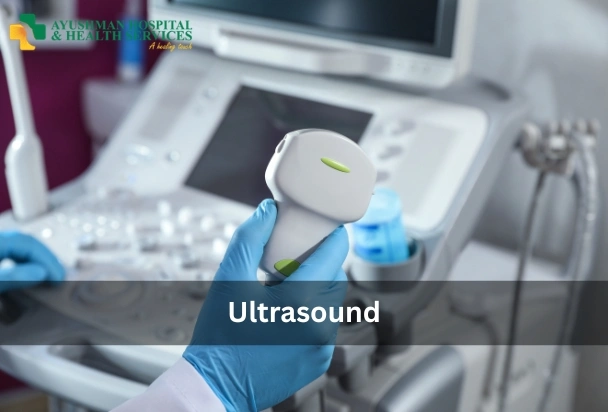
An ultrasound, also known as a sonography procedure, is a medical imaging method that employs high-frequency sound waves to generate pictures of internal body structures, including organs, tissues, and blood flow, without using radiation. A specialised device known as a transducer, which is a handheld probe with a gel applied to the skin, is moved over the skin to send sound waves into the body. The sound waves produce echoes that create images of the body’s internal organs and tissues on a computer monitor. Ultrasounds can be used during pregnancy and to help diagnose various medical conditions. Because ultrasound does not involve radiation exposure, it is safe for repeated assessments over time in prenatal care. Radiation from CT scans and X-rays may be harmful in excessive quantities; however, ultrasound is a safer option for medical imaging.

Select advanced ultrasound imaging and diagnostic services in Dwarka, Delhi, from Ayushman Hospital and Health Services. Our hospital utilises ultrasound to assess organs, blood flow, and tissues safely. Ultrasound is often the best option for pregnancies, vascular health, abdominal evaluations, and musculoskeletal assessments. Our expert diagnostics team performs the test using advanced ultrasound machines to obtain precise images and interpretations. Ultrasound helps enhance image quality, reduce potential errors, increase safety, and provides an effective diagnostic tool for one’s treatment and care.


What is an Ultrasound Scan?

An ultrasound scan is a medical imaging test that uses high-frequency sound waves to create real-time pictures of internal organs, tissues, and blood vessels. The sound waves bounce off structures inside the body and form images on a monitor. Ultrasound is often the first line of investigation because it is safe, painless, affordable, and provides immediate results.

Unlike X-rays or CT, ultrasound is radiation-free and completely safe. It is painless, non-invasive, and quick, making it suitable for people of all ages.


Uses of Ultrasound Scan

  • Ultrasound helps monitor pregnancy safely, showing the baby’s growth, heartbeat, and development without radiation.
  • Doctors use ultrasound to examine abdominal organs like the liver, kidneys, and gallbladder, identifying stones, swelling, infections, and tumors.
  • Ultrasound guides medical procedures such as biopsies and fluid drainage, helping doctors perform them accurately.
  • Ultrasound helps study heart function and blood vessels using Doppler imaging, showing blockages, clots, or poor blood flow for early treatment.
  • Ultrasound assists in detecting thyroid and breast abnormalities, such as nodules, cysts, or tumors.

Diagnoses Made by Ultrasound

  • Pregnancy monitoring: Ultrasound confirms pregnancy, detects fetal heartbeat, growth, multiple babies, and identifies complications such as low amniotic fluid or placenta issues.
  • Gallbladder disease: It detects gallstones, inflammation, or bile duct blockage, helping doctors confirm causes of abdominal pain and suggest accurate treatment options.
  • Kidney conditions: Ultrasound reveals kidney stones, swelling, or infections, and checks blood flow to diagnose blockages or other urinary tract disorders.
  • Liver diseases: It helps in detecting liver enlargement, fatty liver, cysts, tumors, or cirrhosis, aiding doctors in diagnosing and monitoring liver health.
  • Heart conditions: Echocardiography, a type of ultrasound, assesses heart structure, pumping efficiency, valve function, and congenital defects to support timely cardiac care.
  • Vascular problems: Doppler ultrasound measures blood flow, identifies blockages, clots, aneurysms, and poor circulation in arteries or veins for quick medical intervention.
  • Thyroid abnormalities: It helps detect thyroid nodules, goitres, or cysts, guiding further tests or biopsy for early detection of thyroid-related disorders.
  • Joint and muscle issues: Musculoskeletal ultrasound shows tears, sprains, inflammation, or fluid in joints, supporting diagnosis in arthritis and sports injuries.

Why Choose Ayushman for Ultrasound Imaging & Diagnostic Services in Dwarka, Delhi?

At Ayushman Hospital and Health Services, we provide advanced Ultrasound Imaging and Diagnostic Services in Dwarka, Delhi. Ultrasound plays a vital role in diagnosing, monitoring, and guiding treatment for a wide range of medical conditions. From routine pregnancy scans to detailed abdominal, vascular, and musculoskeletal imaging, ultrasound provides safe, accurate, and radiation-free results. Ayushman Hospital and Health Services is one of the most reliable names for advanced diagnostic imaging.

Here’s why we think, we are among the best:

  • Modern ultrasound technology with Doppler, 3D, and 4D capabilities for clear, precise imaging.
  • Experienced radiologists and sonographers are trained to capture and interpret accurate results.
  • Comprehensive applications covering pregnancy care, abdominal scans, thyroid, and breast imaging.
  • Real-time imaging for guided procedures, including biopsies, fluid drainage, and interventional treatments.

Book Reliable Ultrasound Scans and Accurate Diagnosis

Schedule your ultrasound scan with Ayushman Hospital and Health Services. Choose our expert team and cutting-edge equipment for accurate and precise results that guide effective treatment and ensure better health outcomes. Book your ultrasound consultation with us today.

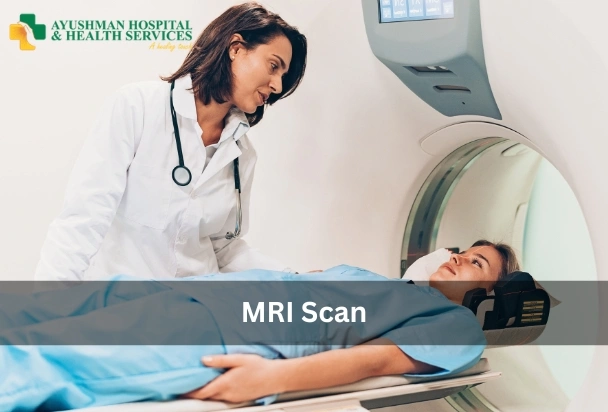
Magnetic Resonance Imaging (MRI) is one of the most advanced diagnostic methods in today’s medicine. As a non-invasive medical imaging method, MRI uses a strong magnetic field, radio waves, and a computer to generate detailed images of organs, bones, soft tissues, and blood vessels. Unlike X-rays or CT scans, MRI does not use ionizing radiation, making it a safer option for repeated use.

Select the best MRI scan hospital in Dwarka, Delhi. We, at Ayushman Hospital and Health Services, have experienced radiologists, advanced MRI machines, and skilled staff to ensure accurate diagnosis, patient safety, and comfort. As a hospital with advanced diagnostic technology, such as MRI, we advise our patients to choose us for specialised MRI facilities with experienced doctors to ensure accurate diagnosis and effective treatment planning for various conditions. Physicians recommend MRI scans to diagnose diseases of the brain, spinal cord, joint injuries, neoplasms, and organ diseases. MRI produces high-resolution images that help specialists plan accurate treatments, surgeries, and follow-ups.


What Is an MRI Scan?

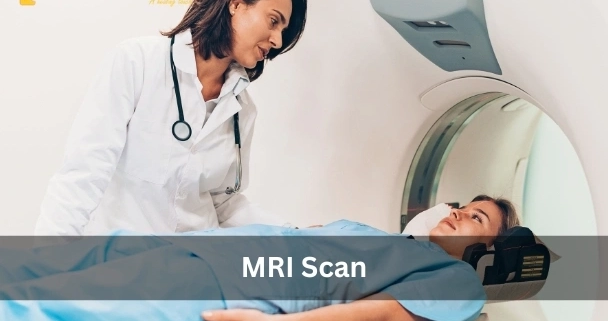
Magnetic resonance imaging (MRI) is a diagnostic procedure that uses a powerful magnet, radio waves, and a computer to produce cross-sectional images of a patient’s body. The MRI scanner is a large, tunnel-like machine in which a patient lies on a movable table. An MRI does not expose the body to radiation like X-ray images. MRI is notably useful for imaging soft tissues in the body, including the brain, spinal cord, joints, muscles, heart and internal organs.


Why Are MRI Scans Taken?

  • Assesses disorders of the brain and spinal cord, such as stroke, tumors, multiple sclerosis, and nerve-related degenerative conditions.
  • Examines joint injuries, ligament tears, cartilage damage, or musculoskeletal disorders not visible on X-rays or ultrasounds.
  • Evaluates heart and vascular system illnesses, such as blockages or blood flow abnormalities in veins or arteries.
  • Identifies tumors, infections, or internal injuries to organs accurately.
  • Provides a detailed imaging map for surgical planning, reducing the risk of surgical errors and improving treatment outcomes.
  • Tracks disease progression or treatment effectiveness, ensuring appropriate adjustments in medication, therapies, or follow-up care plans.

Who Should Not Have an MRI?

  • People with implanted pacemakers, defibrillators, or cardiac devices should inform their doctors or technicians before an MRI, as they may face significant risks from strong magnetic fields.
  • Individuals with cochlear implants, ear prosthetics, or metallic hearing devices should discuss with their doctor, as these may not be safe for MRI.
  • Pregnant individuals in the first trimester may be advised to postpone MRI unless medically necessary.
  • Patients with specific insulin pumps, automatic infusion devices, or implanted drug delivery systems may need to avoid MRI.

When Are MRI Scans Used?

Brain and Neurology

MRI diagnoses strokes, tumors, epilepsy, memory loss, and other brain-related issues, providing images to guide treatment.

Spinal Conditions

MRI identifies herniated discs, spinal injuries, scoliosis, and nerve compression, causing pain, numbness, or mobility issues.

Musculoskeletal Disorders

MRI provides high-quality images of muscles and bones to evaluate sports injuries, joint pain, torn ligaments, bone infections, and arthritis.

Cardiac and Vascular Imaging

MRI assesses heart function, blocked arteries, aortic aneurysms, and vascular malformations using precise imaging without radiation.

Cancer Detection

MRI identifies and locates tumors, monitors tumor size, stages cancer, and measures responses to chemotherapy, radiation, or surgical treatment.

Abdominal and Pelvic Exams

MRI detects abnormalities in the liver, kidneys, uterus, ovaries, or prostate, and monitors gastrointestinal diseases, such as Crohn’s disease or ulcers.


Why Choose Ayushman for an Advanced MRI Scan in Dwarka, Delhi?

At Ayushman Hospital and Health Services, we offer advanced MRI scans in Dwarka, Delhi, utilising next-generation MRI technology and highly skilled radiologists to provide detailed imaging for diagnosis and treatment planning. Our hospital is equipped with modern MRI machines, ensuring clear and accurate images of the brain, spine, joints, heart, and internal organs without radiation risks.

At every stage of your MRI, we focus on accuracy, safety, and comfort. From initial consultation and preparation to the scan and result explanation, we ensure our patients are informed, supported, and relaxed. Our radiologists and technicians ensure accurate imaging, enabling doctors to diagnose diseases early and manage effective treatment options.


Book Your MRI Today

MRI is not just for diagnosis; it provides clarity, safety, and confidence for treatment ahead. Don’t delay important health decisions. Book your MRI today and experience advanced imaging, compassionate care, and accurate reporting for a healthier tomorrow.

Bone health is an essential but frequently ignored aspect of a person’s health. As we get older, the likelihood of weak bones and fractures increases, making it necessary to detect and monitor bone health. A Bone Density Test (BDT) uses low-dose X-rays to measure the calcium and mineral content of bones to diagnose osteopenia (low bone mass) and osteoporosis (very brittle bones). Both of these conditions increase the risk of fractures.

Choose the advanced bone density test in Dwarka, Delhi, from Ayushman Hospital and Health Services. We utilise state-of-the-art technology for bone density tests to ensure accuracy and expert interpretation to provide reliable results. Not only do our doctors and technicians take the time to perform your scan precisely, but they also present a detailed care plan to help you maintain strong and healthy bones. BDT is often recommended by our hospital’s orthopedic specialists, endocrinologists, geriatricians, or primary care doctors. It is important to catch bone loss early so we can begin making important lifestyle changes, offer appropriate supplements, and sometimes medications to avoid complications.


What Is a Bone Density Test and Why Is It Important?

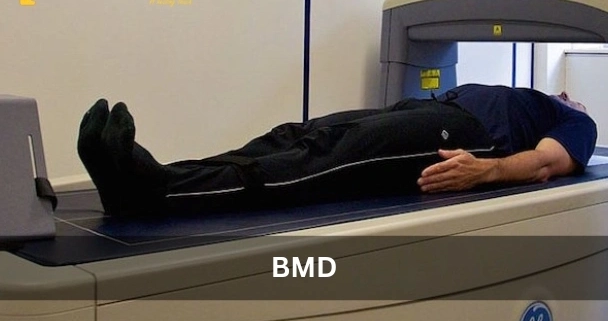
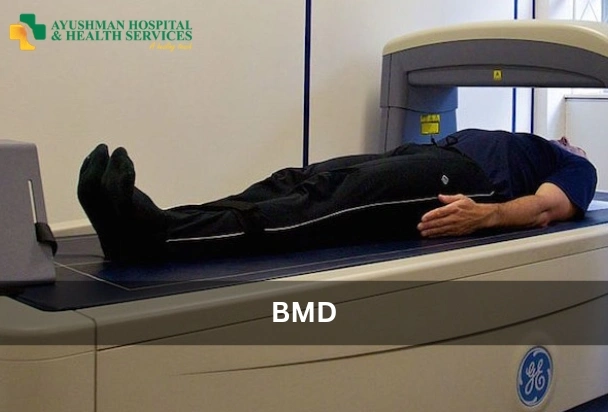
A Bone Density Test (BDT) is a simple imaging procedure that uses low-dose X-rays to assess bone mineral density and strength, typically measuring bone density at sites such as the hip, spine, or forearm. It is vital because it can identify bone-thinning conditions like osteopenia or osteoporosis before symptoms appear. Detecting low bone density early allows physicians to prevent serious fractures, chronic complications and disability. The BDT can also be used to assess fracture risk, manage bone problems over time, and evaluate the benefit of therapy. In summary, BDT is a snapshot of bone health.


Suitable Candidates for a Bone Density Test

  • Women aged 65 or older who are at higher risk because of post-menopausal hormone changes that lead to more fragile bones are suitable patients for BDT.
  • Men aged 70 and older who are more susceptible to low bone density due to natural ageing are candidates for BDT.
  • Anyone with a family history of osteoporosis or who is more likely to develop reduced bone strength.
  • Individuals taking long-term steroids (beyond one year) or medications for cancer or other diseases where bone often becomes weak should take a BDT.
  • Anyone who smokes, consumes alcohol, or is deficient in vitamin D is at a greater risk of losing bone mass.

Understanding Bone Density Test Results

BDT results are reported as T-scores and Z-scores, which compare bone density with healthy reference values.

  • T-Score: Compares bone density to healthy young adults. A score of -1 and above is considered normal density. A score of -1 to -2.5 indicates osteopenia, or mild bone loss. A score of -2.5 or lower indicates osteoporosis, or a significantly elevated risk for fractures.
  • Z-Score: Compares bone density to similarly aged, same-sex, and body-sized individuals. A very low Z-score may indicate that something other than aging is affecting bone health.

These tests help confirm bone conditions.


What Are Osteopenia and Osteoporosis?

Osteopenia is an early warning sign in which bones have a lower density than normal, signalling a risk of developing osteoporosis. Osteoporosis is a more serious condition in which bones become significantly weaker, making them fragile and increasing the risk of fractures. Often, individuals are unaware of osteoporosis until they suffer a fracture from a fall or even from daily activities.


Common Symptoms Include:

  • Repetitive fractures of bones due to low-impact injuries or falls.
  • Immediate or gradual loss of height accompanied by a forward-bending posture.
  • Chronic back or hip pain due to weakened bones.
  • Limited motion and loss of independence in daily living activities.

Why Choose Ayushman for Bone Density Test in Dwarka, Delhi?

At Ayushman Hospital and Health Services, we provide advanced bone density tests in Dwarka, Delhi. BDT assists in the early detection of osteopenia, osteoporosis, and other bone concerns. With modern imaging systems and qualified radiologists, we provide accurate results to ensure prompt, effective treatment.

Our contemporary dual-energy X-ray absorptiometry (DEXA) imaging provides a safe, precise measurement of bone strength using a very low level of radiation in a quick, painless procedure. It is considered the gold standard for assessing bone density.

By detecting low bone density early, our specialists recommend preventive measures, lifestyle changes, and treatments to protect and improve your bones.


Book Your Bone Density Test Today

A Bone Density Test is not just a scan; it’s a vital step toward protecting bone health, preventing fractures, and maintaining mobility as a person ages. Book your bone density test today. Don’t wait.

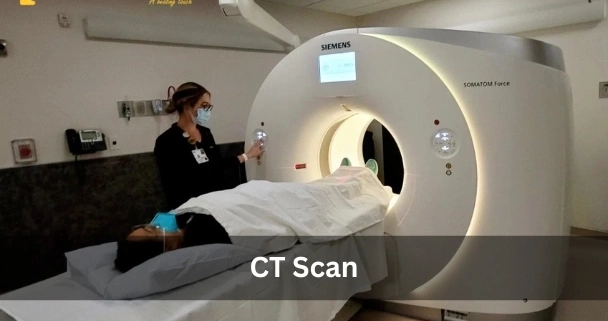
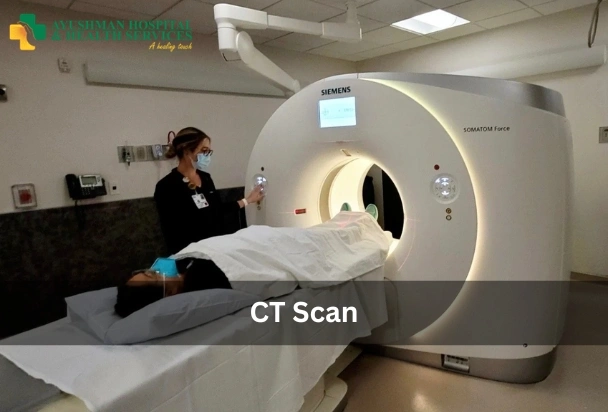
A CT scan, or Computed Tomography scan, is a modern imaging technique that allows doctors to visualise and diagnose the human body in detail. CT scans produce cross-sectional images that can be combined to create three-dimensional images, making them perhaps one of the most significant diagnostic tools in medicine today. CT scans can be used for head injuries, stroke evaluation, tumors, chest infections, lung disease, abdominal pain, broken bones, internal bleeding, and the detection of cancer. CT scan imaging is vital in patients diagnosed with stroke, lung infection, liver disease, kidney stones, spinal disease, and tumors. It is also used as a procedure or examination to plan surgeries in advance.

Select the top CT scan hospital in Dwarka, Delhi. At Ayushman Hospital and Health Services, we ensure patients receive high-quality imaging using modern multislice CT scanners. We minimise radiation exposure while delivering precise results. Our highly trained radiologists and technicians perform the scans to ensure accurate imaging and thorough interpretation. Our experienced doctors and certified technicians ensure safety, reliable results, and informed treatment decisions, making CT scans an indispensable tool in modern healthcare.


What Is a CT Scan?

CT scans can be used on various parts of the body, including the brain, chest, abdomen, pelvis, spine, heart, and blood vessels, as well as the skeletal or musculoskeletal system. This versatility contributes to the usefulness of CT scans for detecting tumors, fractures, internal bleeding, infections, and vascular diseases.

Generally, a CT scan produces more detailed images than conventional X-rays or ultrasound. Unlike an X-ray, which provides only a two-dimensional image of dense structures such as bones, CT scans allow for imaging in both two and three dimensions, including soft tissues and bones.

The high accuracy, speed, and ability to provide detailed images of complex structures make CT scans a preferred choice for emergency situations, surgical planning, and precise diagnosis.


Suitable Candidates for a CT Scan

  • CT scans are often recommended to diagnose head injuries, brain bleeds, or stroke accurately in emergencies.
  • Doctors prescribe CT scans for lung infections, tumors, or COVID-related complications in the chest and respiratory system.
  • CT scans are useful in identifying cancers and tracking tumor growth or treatment response at regular intervals.
  • It is often easy and accurate to diagnose causes of abdominal pain, kidney stones, liver disease, and digestive system problems using a CT scan.
  • CT scans also detect fractures, bone damage, and spinal injuries not visible on simple X-rays.

Benefits of a CT Scan

  • CT scans create rapid and highly accurate images to assist physicians in making diagnoses.
  • The CT scan procedure is painless, fast, and usually takes around 15–30 minutes to complete.
  • CT scans aid in detecting diseases at the earliest stage when treatment is most effective.
  • CT scans allow detailed imaging of organs, bones, and blood vessels within the body.
  • CT scans help the physician in making accurate planning decisions regarding surgery or cancer treatment.
  • CT scans enable faster decision-making in emergencies, supporting life-saving interventions.

Why Choose Ayushman for Advanced CT Scan in Dwarka, Delhi?

At Ayushman Hospital and Health Services, we provide advanced CT scan services in Dwarka, Delhi, offering precise, detailed, and quick imaging for accurate medical decisions. Thanks to advanced CT scanners and the expertise of our experienced radiologists, we efficiently provide patients with high-resolution images of the brain, chest, abdomen, bones, blood vessels, and internal organs.

We utilise modern CT scanning machines that reduce time in the scanner while using low-dose radiation, ensuring safety without sacrificing accuracy.

We use CT scans for clinical indications, including stroke, internal injuries, tumors, and cardiac conditions, providing doctors with key information for timely and effective treatment plans.

Our experienced radiologists and trained technicians provide top-notch services, along with a clearly defined process and structured diagnostic approach.


Book Your CT Scan Today

A CT scan is more than just an image; it’s a pathway to early diagnosis, effective treatment, and peace of mind. Don’t postpone important health-related decisions. Schedule your CT scan with Ayushman Hospital and Health Services, and benefit from advanced imaging technology, experienced clinicians, and dependable results.

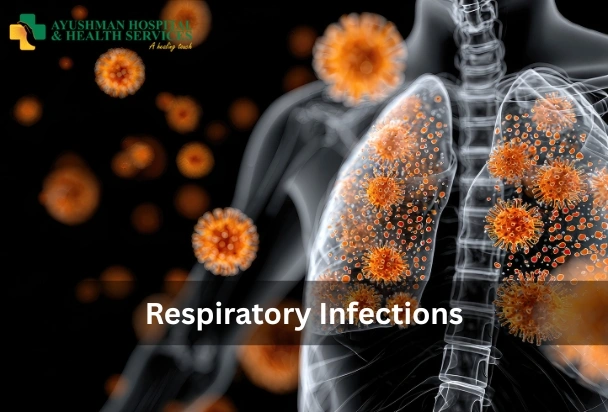
Respiratory tract infections affect the nose, throat, airways and lungs and cause various diseases. They are usually caused by viruses, bacteria or sometimes fungi infecting the respiratory tract, resulting in inflammation. Symptoms of respiratory tract infections often include cough, fever and rhinorrhea. Some minor infections completely resolve with time and rest, but serious infections may involve bacteria and require antibiotics. Serious infections can have complications like pneumonia or respiratory failure, especially in children, the elderly, or those with weakened immune systems. Prompt treatment for serious respiratory infections is necessary.

Select a trusted respiratory tract infection treatment in Dwarka, Delhi, from Ayushman Hospital and Health Services. Treating respiratory infections helps reduce symptoms, prevent complications, and stop the infection from spreading to others. We have top-notch practitioners, including pediatricians, pulmonologists, and infectious disease specialists who treat respiratory tract infections. At our hospital, we offer accurate diagnoses, advanced tests, and personalised treatment plans to improve outcomes. Timely care ensures patients recover quickly and avoid long-term lung damage.


What Are Respiratory Infections?

Respiratory infections can be classified as upper or lower respiratory infections. Upper respiratory infections affect the nose and throat, while lower respiratory infections directly affect the lungs and bronchi. Most respiratory infections resolve within days, but some patients require medical attention to manage their infections. Vaccines, proper hygiene, and timely treatment reduce the risk of developing respiratory infections.


Suitable Candidates for Respiratory Infections Treatment

  • Toddlers, infants, or people with weak immune systems are susceptible to frequent and severe respiratory infections.
  • Individuals over the age of 65 with lower immunity and pre-existing conditions face complications from respiratory infections.
  • Smokers are at greater risk of respiratory infections due to reduced natural body defences.
  • Individuals with asthma or chronic lung disease experience breathing difficulties due to infections.
  • Patients with diabetes, heart disease, or kidney problems face higher risks when exposed to respiratory pathogens.
  • Individuals with decreased immunity due to medications, chemotherapy, or illness require treatment for respiratory infections.

Causes of Respiratory Infections

  • Viruses like rhinovirus, influenza, and coronavirus spread through coughs, sneezes, droplets, and contaminated surfaces.
  • Environmental pollution and smoking damage airways, making individuals more prone to infections.
  • Bacteria such as Streptococcus pneumoniae and Haemophilus influenzae cause pneumonia and bronchitis infections.
  • Fungal infections affect individuals, leading to serious respiratory illnesses that require special care.
  • Poor hygiene and overcrowding increase the spread of contagious respiratory infections.
  • Weakened immunity due to chronic illness or medications raises the risk of frequent respiratory infections.

Types of Respiratory Tract Infections

Common Cold

A mild viral infection of the upper respiratory system associated with a runny nose, sneezing, and sore throat. It typically resolves spontaneously without specific medical treatment.

Sinusitis

Inflammation of the sinuses is linked to cold symptoms, causing headache, congestion, facial pressure, and nasal discharge.

Pharyngitis

Infection of the pharynx causes pain, irritation, fever, and difficulty swallowing. It can be caused by viral or bacterial pathogens.

Laryngitis

Infection of the larynx causes hoarseness, sore throat, and cough, commonly associated with overuse of the larynx or a viral illness.

Pneumonia

Pneumonia is a severe lung infection characterised by high fever, cough with or without mucus production, chest pain, and breathlessness. It may require hospitalisation and antibiotics.

Tuberculosis

It’s a chronic bacterial infection presenting as a persistent cough, weight loss, night sweats, and fever. It requires months of specialised medical treatment.

Influenza (Flu)

Influenza is a viral infection of the upper respiratory tract characterised by fever, cough, sore throat, and muscle aches. It can spread rapidly.


Why Choose Ayushman for Respiratory Tract Infection (RTI) Treatment in Dwarka, Delhi?

At Ayushman Hospital and Health Services, we provide advanced Respiratory Tract Infections (RTIs) treatment in Dwarka, Delhi. Our hospital ensures accurate diagnosis, effective management, and personalised care for every patient.

We bring together an expert team of pulmonologists, general physicians, and infectious disease specialists to deliver holistic treatment. Our services include advanced diagnostics, laboratory testing, targeted therapies, and supportive care to treat upper and lower respiratory infections. We offer medications, oxygen therapy, vaccines, and rehabilitation, along with preventive care, counselling, and long-term monitoring to reduce risks and prevent recurrence.


Book Your RTI Consultation Today

Experience comprehensive and trusted care for respiratory infections with us. Call and schedule your appointment with our specialists for timely and effective treatment.

Chronic Obstructive Pulmonary Disease (COPD) is a chronic condition of the lungs where the patient faces airflow limitation and difficulty breathing. It includes chronic bronchitis and emphysema, both of which involve inflamed airways, excess mucus, and damaged air sacs in the lungs. COPD is primarily caused by long-term exposure to harmful irritants such as cigarette smoke, occupational pollutants, outdoor air pollution, and in rare cases, genetic conditions.

Choose COPD treatment in Dwarka, Delhi, from Ayushman Hospital and Health Services. Treating COPD is crucial because the condition is progressive and irreversible. Treatments such as medications, pulmonary rehabilitation, and smoking cessation help manage symptoms and slow disease progression, allowing patients to live more comfortably. COPD leads to inflammation, destruction of air sacs, excess mucus, and loss of elasticity, which prevents normal air exchange and results in shortness of breath. At our hospital, we provide accurate and advanced treatment for COPD, focusing on early diagnosis and modern therapies. From inhalers and medications to oxygen support and rehabilitation, our treatment helps patients breathe better and live more comfortably.


What Is COPD?

Chronic Obstructive Pulmonary Disease (COPD) is a disease of the lungs in which the airways and lungs become damaged, making it difficult to breathe. It can take many years to develop and is usually caused by smoking, air pollution, or other irritants. When COPD develops, the air sacs are damaged and lose their elasticity. Additionally, the buildup of mucus causes the airways to narrow, making it more difficult to exhale air properly. The result is difficulty breathing, frequent coughing, wheezing, and an increasing frequency of chest infections. COPD cannot be reversed, but treatments focus on effective symptom management.


Causes of COPD

  • Long-term cigarette smoking is the most common cause of chronic lung tissue and airway damage.
  • Regular exposure to secondhand smoke over a prolonged period also damages airways.
  • Living in urban or industrial areas with constant exposure to air pollution causes chronic airway damage and inflammation.
  • Respiratory irritants in the workplace, such as dust, chemical fumes, or particulates, damage lung tissue, cause inflammation, and contribute to COPD.
  • Frequent respiratory infections during childhood can cause permanent airway damage, increasing the risk of respiratory issues.

Treatment Options for COPD

Stop Smoking

Stopping smoking is the best way to prevent further lung damage and slow down disease progression. Quitting smoking helps improve breathing, reduce flare-ups, and enhance quality of life.

Inhalers and Medications

Inhaled medications such as bronchodilators and steroids help relax the airways and reduce inflammation, making breathing easier. Doctors may also prescribe oral steroids or antibiotics during flare-ups to improve symptoms and reduce the risk of hospitalisation.

Pulmonary Rehabilitation

Pulmonary rehabilitation is a program that includes exercise, breathing retraining, nutrition, and counselling. It improves the strength and endurance of respiratory muscles and helps patients manage daily activities while reducing flare-ups.

Oxygen Therapy

Some patients may require supplemental oxygen through a mask or tube to maintain healthy oxygen levels in the blood, reduce fatigue, and improve overall quality of life.

Surgery or Lung Transplant

In some cases, patients may need surgery to remove damaged portions of the lung, or a lung transplant may be recommended if other treatments are not effective.


Why Choose Ayushman for COPD Treatment in Dwarka, Delhi?

At Ayushman Hospital and Health Services, we provide advanced COPD treatment in Dwarka, Delhi. Our skilled pulmonologists use the latest technologies, such as spirometry, chest X-rays, CT scans, and lung function tests, to ensure early diagnosis and personalised treatment plans. Our approach focuses on improving breathing and enhancing quality of life.

We have critical care units equipped with advanced ventilators and comprehensive monitoring systems to ensure the highest level of safety for patients with severe respiratory conditions.

In addition to medical treatment, we support lifestyle changes, such as smoking cessation, exercise, and nutritional guidance, to prevent complications and slow disease progression. Our hospital brings together a team of pulmonologists, cardiologists, and rehabilitation experts to deliver complete and coordinated care at every stage of treatment.


Book Your Appointment for COPD Treatment and Care Today!

Don’t let COPD limit your health and daily life. Choose Ayushman Hospital and Health Services for reliable and compassionate care. Contact us today to schedule your appointment.

Sleep-Disordered Breathing (SDB) refers to abnormal breathing patterns that interfere with normal, smooth breathing during sleep. It can be detrimental and can affect sleep architecture, causing fatigue, excessive daytime sleepiness, or affecting vital organ function. These breathing disruptions can include snoring, Obstructive Sleep Apnea, Central Sleep Apnea, and Complex Sleep Apnea in both children and adults. It causes an increased risk of cardiovascular disease, stroke, and diabetes, and also negatively affects the quality of life and productivity. When SDB goes untreated, it can create poor sleep quality, fatigue during the day, headaches, increased distress, and health risks.

Treating sleep-disordered breathing is crucial because good sleep is essential for brain function, energy, and health. Choose Sleep-Disordered Breathing (SDB) treatment in Dwarka, Delhi, from Ayushman Hospital and Health Services. Here, our specialist team provides expert Sleep-Disordered Breathing (SDB) diagnosis and management. We have diagnostic laboratories, advanced CPAP therapy, and surgical and management options. With trusted care, world-class facilities, and a multidisciplinary professional team, we restore your sleep and improve your quality of life.


Suitable Candidates for SDB Treatment

  • Individuals with excessive snoring and recurrent breathing events that disturb the sleep process.
  • Patients with moderate to severe obstructive or central sleep apnea who require medical treatment and consistent follow-up.
  • Individuals with sleep-disordered breathing, along with high blood pressure, are suitable candidates, as it can contribute to heart disease and carry additional stroke risks.
  • Children with poor growth, hyperactivity, or excessive daytime sleepiness may have undiagnosed sleep-disordered breathing.
  • Adults who are experiencing an increase in obesity or a large neck circumference are likely to have airway obstruction during sleep.
  • Patients with a primary complaint of fatigue, memory, and concentration issues that have developed due to sleep deprivation and poor oxygenation.

Causes of Sleep-Disordered Breathing

  • Obesity and excessive body weight with fat deposition around the neck and throat, leading to narrowing of the airways during sleep.
  • Structural abnormalities, such as enlarged tonsils, adenoids, or nasal obstructions, can inhibit airflow during sleep.
  • Decreased muscle tone in the airway or throat due to age, neurological diseases, or genetic conditions.
  • Family history, genetic factors, or pre-existing conditions may place a person at higher risk for structural abnormalities or poor control of respiration.
  • Lifestyle factors such as alcohol, smoking, and sedative use can interfere with normal breathing during sleep.

Types of Sleep-Disordered Breathing

Obstructive Sleep Apnea (OSA)

OSA occurs when the throat muscles relax excessively, causing airway collapse during sleep. It leads to snoring, breathing pauses, gasping, and disturbed sleep. Untreated OSA can result in daytime fatigue, hypertension, and severe, life-threatening cardiac disorders.

Central Sleep Apnea (CSA)

CSA happens when the brain fails to send adequate signals to the respiratory muscles. Unlike OSA, it is not caused by a blocked airway but by a central nervous system issue. CSA results in shallow breathing, breathing pauses, sleep fragmentation, and low oxygen levels.

Complex Sleep Apnea Syndrome

This condition combines obstructive and central sleep apnea. Patients often present with OSA but develop central apneas while using a CPAP machine. It causes irregular breathing, decreased sleep quality, daytime sleepiness, and increased cardiovascular risks.

Upper Airway Resistance Syndrome (UARS)

UARS involves airflow limitation due to a narrowed upper airway. It does not fully qualify as sleep apnea, lacking complete breathing pauses but causing snoring-like sounds. Patients experience loud snoring, frequent nighttime arousals, morning headaches, and chronic fatigue. Untreated UARS can progress to OSA over time.


Why Choose Ayushman for Sleep-Disordered Breathing (SDB) Treatment in Dwarka, Delhi?

SDB encompasses conditions that disrupt normal breathing during sleep. If untreated, SDB can lead to fatigue, memory issues, heart disease, and poor quality of life.

At Ayushman Hospital and Health Services, we provide trusted Sleep-Disordered Breathing (SDB) treatment in Dwarka, Delhi. Our team of pulmonologists, neurologists, ENT specialists, and sleep experts collaborates to deliver comprehensive SDB care. We focus on accurate diagnosis using modern tools like overnight polysomnography (sleep studies), home-based sleep tests, and advanced airway imaging.

Treatment options are personalised, including CPAP therapy, oral appliances, positional therapy, medication, lifestyle guidance, or surgical solutions based on patient needs. Our goal is to restore healthy sleep, reduce health risks, and improve daily energy.


Take the First Step Toward a Good Night’s Sleep!

If you notice loud snoring, frequent breathing pauses, or constant tiredness, don’t ignore it. Early treatment can make a life-changing difference. Book your consultation with our specialists and doctors today.


Lung cancer is a serious disease in which a malignant tumor starts developing in the tissue of the lung, often obstructing airways and causing breathing difficulties. Usually, the cancer is caused by DNA damage due to smoking or inhaling toxic chemicals, such as asbestos or arsenic. Lung cancer is the leading cause of cancer deaths worldwide. Symptoms include a persistent cough and chest pain, which can lead to shortness of breath. However, symptoms often appear only in later stages, making treatment much more difficult.

Treatment aims to remove, shrink, or control the cancer and increase the chance of survival. Select Lung Cancer Treatment in Dwarka, Delhi from Ayushman Hospital and Health Services. Symptoms of lung cancer are often subtle in earlier stages, so it is essential for the cancer to be treated as quickly as possible after diagnosis. Early treatment of lung cancer may improve overall life expectancy, quality of life, and provide the patient with a chance to control symptoms more comfortably. At our hospital, we treat lung cancer with a team of specialists and doctors with years of experience who provide accurate diagnosis, advanced treatment options, and support services. Oncology and pulmonology teams take care of the patient before, during, and after treatment.


What is Lung Cancer?

Lung cancer occurs when some of the cells in one’s lungs grow abnormally. When these cells age, instead of dying, they continue to multiply and become a lump called a tumor. These tumors block normal airflow, make breathing difficult, and can also spread to areas like the brain, bones, or liver. Treatment of lung cancer is important to prolong life, decrease pain, alleviate breathing difficulties, and avoid complications.


Who Is More Likely to Develop Lung Cancer?

  • Smoking over a long period of time increases the risk of lung cancer.
  • Non-smokers who are exposed to secondhand smoke in their home or work environment are at a higher risk of developing lung cancer.
  • Those individuals with a family history of lung cancer appear to have a greater risk.
  • Workers exposed to asbestos, chromium, arsenic or other agents have an increased risk of lung cancer.

Signs and Symptoms of Lung Cancer

  • Persistent cough that worsens over time and does not resolve despite treatment.
  • Shortness of breath or wheezing experienced during daily activities that previously felt normal and effortless.
  • Coughing up blood, which may indicate damage to the airways inside the lungs.
  • Unexplained weight loss along with loss of appetite without any change in diet or physical activity.

Treatments for Lung Cancer

  • Surgery: The doctor removes all or part of the lung that is affected by cancer. Surgery is generally effective for early-stage lung cancer before it has spread.
  • Chemotherapy: Medications are used to destroy cancer cells or slow the growth of the cells. Chemotherapy is sometimes used before surgical removal and sometimes after.
  • Radiation Therapy: High-energy rays are directed to kill cancer cells. Radiation therapy can reduce tumor size and relieve symptoms such as pain.
  • Targeted Therapy: Specialized medications attack cancer cells that have unique genetic changes. When this treatment is used, it reduces damage to healthy tissue.
  • Immunotherapy: Treatment is designed to help the immune system recognize and attack cancer cells. Immunotherapy is most commonly utilized in advanced cancer.

There are a few additional treatment options that doctors use to treat lung cancer.


Why Choose Ayushman for Trusted Lung Cancer Treatment in Dwarka, Delhi?

At Ayushman Hospital and Health Services, we provide trusted Lung Cancer Treatment in Dwarka, Delhi, helping patients manage conditions ranging from early-stage localized tumors to advanced cases. Our hospital brings together a team of oncologists, pulmonologists, thoracic surgeons, and radiologists to ensure an accurate diagnosis and customized treatment options. Depending on your type and stage of cancer, your options may include surgery to remove the tumor, chemotherapy, radiation therapy, targeted drug therapy, or immunotherapy, depending on the cancer’s characteristics. Each type of treatment is optimized for effectiveness and minimising side effects.

At Ayushman, our patients get access to modern diagnostic technologies such as CT scan, PET scan, bronchoscopy, and biopsy facilities to ensure accurate staging and treatment planning.


Book Your Appointment Today!

Don’t wait too long for yourself or your loved one with lung cancer to start treatment. Early detection and advanced treatment options mean better chances of a positive outcome. Contact Ayushman and schedule an appointment with our expert lung cancer specialists.

Cognitive Behavioral Therapy, often referred to as CBT, is a very popular psychotherapy that aims to change unhelpful thoughts and behaviors that interfere with mental health and other areas of life. Unlike other therapies that focus primarily on discussing the past, CBT focuses on understanding and changing what and how a person thinks, feels, and behaves in the present. By recognizing negative thoughts and behaviors, CBT leads to practical strategies to help improve daily life and foster positive mental health.

CBT treatment is crucial because it targets negative thought habits that can affect mood, relationships, and personal growth. Choose comprehensive CBT treatment in Dwarka, Delhi, from Ayushman Hospital and Health Services. At Ayushman, our qualified psychologists, psychiatrists, and therapists deliver therapy using proven methods. We offer modern therapy programs, private sessions, and an online support system for flexibility and comfort.


What Is CBT?

Cognitive Behavioral Therapy (CBT) is based on the idea that thoughts, feelings, and behaviors are linked, and that negative thoughts can lead to negative feelings and negative behaviors that continue to reinforce or worsen the situation a person is in.

Cognitive therapy, a part of CBT, aims to help people identify unhelpful thoughts and assess their validity. Behavior therapy, the second perspective of CBT, is intended not only to change behaviors that either reinforce or are detrimental to them, but also to provide functional skills to enhance positive experiences and prevent them from being replaced by stress or overload.


How CBT Works?

Cognitive-behavioral therapy (CBT) is a therapy approach that integrates cognitive and behavioral therapies in an organized format. Cognitive therapy identifies, challenges, and amends negative thought patterns. Behavior therapy teaches skills and techniques to change behaviors that cause problems. The fusion of cognitive and behavioral therapies helps clients take control of their emotions, reduce distress, and develop a comprehensive set of skills that persist long after therapy ends.


Benefits of CBT

  • Anxiety and Anxiety Disorders: CBT helps manage generalized anxiety, social phobia, and obsessive-compulsive disorder by challenging unhelpful thoughts.
  • Depression: CBT treats low mood, feelings of hopelessness, or negative self-perception by fostering more positive thinking.
  • Phobias and Irrational Fears: CBT supports overcoming specific fears that interfere with daily life.
  • Insomnia: CBT addresses underlying thoughts and behaviors that disrupt rest, improving sleep quality.
  • Substance Misuse: CBT assists individuals with smoking, alcohol, or drug dependency by reinforcing healthier behavior patterns.
  • Gambling and Eating Disorders: CBT reduces harmful behavior patterns and teaches coping strategies to make more beneficial choices.

Considerations Before Choosing CBT

  • Not Appropriate for Patients with Cognitive Impairment: CBT is based on rational thought and self-reflection. Patients who suffer from severe brain injury, dementia, or have other cognitive impairments may be unable to pursue CBT exercises or follow the ideas.
  • Requires Engagement and Homework: CBT requires patients to complete assignments, including thought diaries, roleplays, or behavior exercises. Failure to complete homework regularly may make CBT less effective.
  • Importance of Therapist-Patient Trust: Patients need to feel understood, respected, and safe with a therapist because progress in therapy requires good communication and a willingness to change, which leads to better outcomes.
  • CBT Is Not A “Quick Fix”: Progress takes time and effort. Without sustained practice over time, it will be difficult to improve a patient’s condition. If one starts CBT, they should expect gradual improvements over weeks or months, but not instant relief.

Why Choose Ayushman for Comprehensive CBT Treatment in Dwarka, Delhi?

At Ayushman Hospital and Health Services, we provide comprehensive Cognitive Behavioral Therapy (CBT) in Dwarka, Delhi, helping individuals manage anxiety, depression, insomnia, phobias, and other mental health challenges effectively. We use evidence-based CBT techniques tailored to each patient’s needs.

Our services include personalized assessments, structured treatment plans, advanced resources, online CBT platforms, self-help resources, and guided worksheets to complement in-person sessions. Our team of psychologists, psychiatrists, and counselors provides holistic support to our patients for their overall mental well-being.


Book Your Appointment for CBT Today!

Take control of your mental health and life. Choose Ayushman for evidence-based CBT treatment in Dwarka, Delhi. Book your session today.