
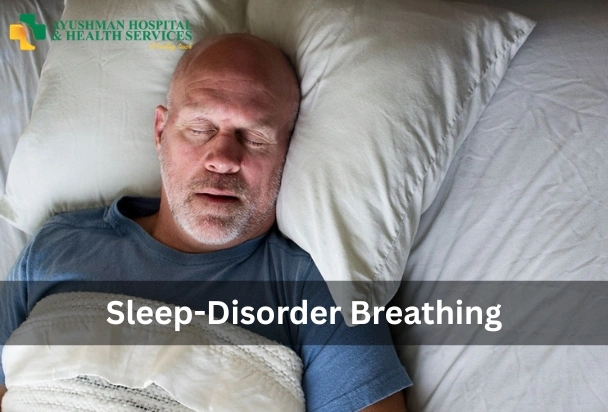
Sleep-Disordered Breathing (SDB) refers to abnormal breathing patterns that interfere with normal, smooth breathing during sleep. It can be detrimental and can affect sleep architecture, causing fatigue, excessive daytime sleepiness, or affecting vital organ function. These breathing disruptions can include snoring, Obstructive Sleep Apnea, Central Sleep Apnea, and Complex Sleep Apnea in both children and adults. It causes an increased risk of cardiovascular disease, stroke, and diabetes, and also negatively affects the quality of life and productivity. When SDB goes untreated, it can create poor sleep quality, fatigue during the day, headaches, increased distress, and health risks.
Treating sleep-disordered breathing is crucial because good sleep is essential for brain function, energy, and health. Choose Sleep-Disordered Breathing (SDB) treatment in Dwarka, Delhi, from Ayushman Hospital and Health Services. Here, our specialist team provides expert Sleep-Disordered Breathing (SDB) diagnosis and management. We have diagnostic laboratories, advanced CPAP therapy, and surgical and management options. With trusted care, world-class facilities, and a multidisciplinary professional team, we restore your sleep and improve your quality of life.
Suitable Candidates for SDB Treatment
- Individuals with excessive snoring and recurrent breathing events that disturb the sleep process.
- Patients with moderate to severe obstructive or central sleep apnea who require medical treatment and consistent follow-up.
- Individuals with sleep-disordered breathing, along with high blood pressure, are suitable candidates, as it can contribute to heart disease and carry additional stroke risks.
- Children with poor growth, hyperactivity, or excessive daytime sleepiness may have undiagnosed sleep-disordered breathing.
- Adults who are experiencing an increase in obesity or a large neck circumference are likely to have airway obstruction during sleep.
- Patients with a primary complaint of fatigue, memory, and concentration issues that have developed due to sleep deprivation and poor oxygenation.
Causes of Sleep-Disordered Breathing
- Obesity and excessive body weight with fat deposition around the neck and throat, leading to narrowing of the airways during sleep.
- Structural abnormalities, such as enlarged tonsils, adenoids, or nasal obstructions, can inhibit airflow during sleep.
- Decreased muscle tone in the airway or throat due to age, neurological diseases, or genetic conditions.
- Family history, genetic factors, or pre-existing conditions may place a person at higher risk for structural abnormalities or poor control of respiration.
- Lifestyle factors such as alcohol, smoking, and sedative use can interfere with normal breathing during sleep.
Types of Sleep-Disordered Breathing
Obstructive Sleep Apnea (OSA)
OSA occurs when the throat muscles relax excessively, causing airway collapse during sleep. It leads to snoring, breathing pauses, gasping, and disturbed sleep. Untreated OSA can result in daytime fatigue, hypertension, and severe, life-threatening cardiac disorders.
Central Sleep Apnea (CSA)
CSA happens when the brain fails to send adequate signals to the respiratory muscles. Unlike OSA, it is not caused by a blocked airway but by a central nervous system issue. CSA results in shallow breathing, breathing pauses, sleep fragmentation, and low oxygen levels.
Complex Sleep Apnea Syndrome
This condition combines obstructive and central sleep apnea. Patients often present with OSA but develop central apneas while using a CPAP machine. It causes irregular breathing, decreased sleep quality, daytime sleepiness, and increased cardiovascular risks.
Upper Airway Resistance Syndrome (UARS)
UARS involves airflow limitation due to a narrowed upper airway. It does not fully qualify as sleep apnea, lacking complete breathing pauses but causing snoring-like sounds. Patients experience loud snoring, frequent nighttime arousals, morning headaches, and chronic fatigue. Untreated UARS can progress to OSA over time.
Why Choose Ayushman for Sleep-Disordered Breathing (SDB) Treatment in Dwarka, Delhi?
SDB encompasses conditions that disrupt normal breathing during sleep. If untreated, SDB can lead to fatigue, memory issues, heart disease, and poor quality of life.
At Ayushman Hospital and Health Services, we provide trusted Sleep-Disordered Breathing (SDB) treatment in Dwarka, Delhi. Our team of pulmonologists, neurologists, ENT specialists, and sleep experts collaborates to deliver comprehensive SDB care. We focus on accurate diagnosis using modern tools like overnight polysomnography (sleep studies), home-based sleep tests, and advanced airway imaging.
Treatment options are personalised, including CPAP therapy, oral appliances, positional therapy, medication, lifestyle guidance, or surgical solutions based on patient needs. Our goal is to restore healthy sleep, reduce health risks, and improve daily energy.
Take the First Step Toward a Good Night’s Sleep!
If you notice loud snoring, frequent breathing pauses, or constant tiredness, don’t ignore it. Early treatment can make a life-changing difference. Book your consultation with our specialists and doctors today.