

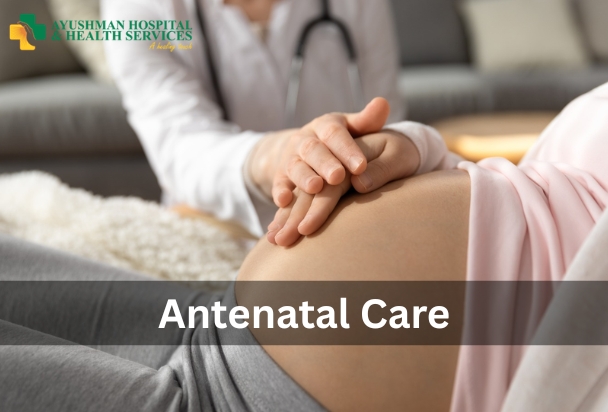
Antenatal care, also called prenatal care, refers to the regular health check-ups, screenings, and guidance provided to a woman during pregnancy. It is an essential part of maternal and child healthcare, helping both the mother and baby remain healthy throughout pregnancy. This care includes medical assessments, nutritional guidance, emotional support, and preparation for childbirth.
Choose premier antenatal care in Dwarka, Delhi, at Ayushman Hospital and Health Services. At Ayushman, it’s not just about monitoring the pregnancy but also preventing complications, promoting healthy habits, and preparing for a safe delivery.
What is Prenatal Care?
Antenatal care is medical care which is supportive in nature and helps to prepare a pregnant woman for labor and delivery. The doctor may recommend vaccinations, screening tests for genetic disorders and counseling for prenatal care. Prenatal care helps medical professionals identify potential risks. Early identification provides opportunities to minimize risk and maximize a safe, healthy pregnancy for both the mother and baby.
Why Does One Need Antenatal Care?
Without proper care, both the mother and baby are at risk during pregnancy. Antenatal visits help in:
- Tracking the baby’s growth and identifying if anything may be abnormal early.
- Supporting maternal nutrition and providing iron/calcium supplementation.
- Helping the mother with physical and mental preparation for labor and delivery.
- Reducing the risk of complications for both the mother and baby.
- Enabling ongoing monitoring of pregnancy progression via regular visits.
- Provides comprehensive checks, including history, physical examination, lab work, and ultrasounds.
- Detects and manages complications like gestational diabetes, preeclampsia, and infections.
How Often Does One Need Prenatal Care?
| Pregnancy Stage | Frequency of Visits | Reason for Visits |
| First trimester (0–12 weeks) | Every 4–6 weeks | Confirm pregnancy, estimate due date, basic health checks |
| Second trimester (13–28 weeks) | Every 4 weeks | Monitor fetal growth, detect anomalies, manage symptoms |
| Third trimester (29–36 weeks) | Every 2 weeks | Track fetal position, prepare for delivery |
| Last month (37–40+ weeks) | Weekly | Final delivery planning, monitor labour signs |
Antenatal Care Across All Three Trimesters
First Trimester
In the first trimester, care begins with a comprehensive medical and family history that includes previous pregnancies, genetic diseases, and habits such as smoking, drug use, and alcohol consumption. Although not mandatory, a physical exam, specimens for urine analysis, and blood tests are done to evaluate risks to the mother and fetus and confirm the pregnancy with an ultrasound. Non-invasive prenatal testing (NIPT) may be offered to check for chromosomal abnormalities. Vitamins and medicines such as folic acid, calcium, and iron are prescribed.
Second Trimester
Routine visits monitor fetal growth and prevent complications. Depending on the need and timing of the visit, tests may include screening for gestational diabetes, urinalysis, and ultrasounds. Immunizations may be given during this stage as well. For mothers at risk of certain chromosomal disorders, an ultrasound and amniocentesis may be recommended. Mothers generally continue their supplements for their own safety and the health of their baby.
Third Trimester
Appointments during this trimester focus on preparation for birth and ensuring the health of both the mother and fetus. Blood tests or vaginal cultures may be obtained at this point, so that third-trimester care focuses on monitoring fetal health and position before delivery.Mothers are instructed on how to track fetal movements and recognize signs that labor is starting. Birth planning and postpartum care are also discussed during this stage.
Why Choose Premier Antenatal Care in Dwarka, Delhi?
Our antenatal care is led by expert obstetricians, gynecologists, and multidisciplinary specialists with years of experience in safe pregnancies and deliveries. At Ayushman Hospital and Health Services, we provide close monitoring of the mother’s health and the baby’s development at every stage, helping in the early detection and prevention of complications.
From the first visit to childbirth, we guide and prepare parents for a smooth, stress-free journey. Our postpartum care supports quick recovery, reduces risks, and also helps parents care for their newborn with confidence, helping your little one thrive as a happy, healthy part of your family.
Book Your First Appointment for Antenatal Care Now!
Book your antenatal care visit now to get expert management and personal advice to help you have a healthy, safe pregnancy and delivery of your baby.