
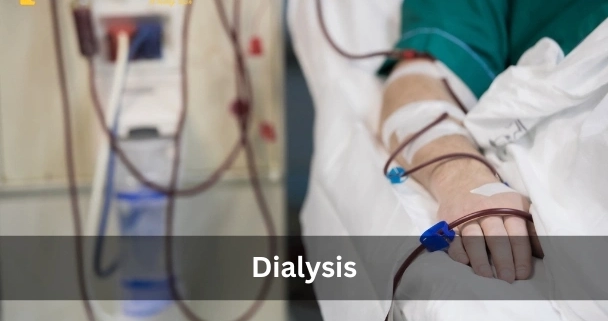
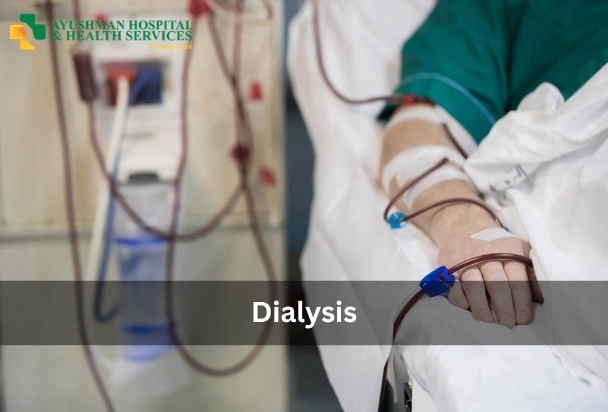
Dialysis is a medical procedure designed to artificially filter and purify waste, toxins, and excess fluid from the blood using a machine when a person’s kidneys are unable to function naturally. When kidney function declines due to chronic kidney disease, acute injury, or other severe medical conditions, toxins accumulate in the body. Without dialysis, this build-up can result in serious complications, including heart failure, fluid overload, high blood pressure, and even death. Dialysis is not a cure, as it does not repair or regenerate kidney tissue. Instead, it serves as a life-sustaining treatment until the kidneys recover or a transplant becomes possible.
Choose the best dialysis procedure in Dwarka, Delhi from Ayushman Hospital and Health Services. At our hospital, experienced nephrologists provide safe and effective dialysis care. Appropriate medical treatment ensures that proper vascular access is created, the risk of infection is minimised, and patients are monitored carefully during treatment. We have state-of-the-art dialysis facilities, skilled technologists, and supportive healthcare teams who drastically improve patient outcomes.
What Is Dialysis?
Dialysis is a procedure that removes waste, extra salt, and fluids from the body when the kidneys are unable to function properly. The process of dialysis lasts up to several hours and may take place at home or at a dialysis facility. Dialysis prevents the accumulation of toxic substances, maintains fluid balance, and supports overall health. It prolongs life and enhances the quality of life, but it does not cure kidney disease.
Suitable Candidates for Dialysis
- Patients with advanced chronic kidney disease who have lost a significant amount of kidney function or those whose kidneys are not removing waste products adequately.
- Patients with acute kidney injury who need rapid removal of toxins or excess fluid to stabilise their condition.
- Patients with significant fluid overload who are suffering from shortness of breath, swelling, or heart problems.
- Patients who are awaiting a kidney transplant, for whom dialysis is a life-sustaining procedure before a donor organ is available.
- Patients who are not candidates for kidney transplant surgery immediately due to other health issues require long-term dialysis management.
Major Types of Dialysis
Hemodialysis
Blood is filtered through a machine outside the body, removing wastes and excess fluid, then returned via a vascular access. It’s typically performed three times weekly.
Peritoneal Dialysis
Uses the abdominal lining as a natural filter. In this method, the dialysis fluid absorbs waste from blood vessels in the abdomen and is drained periodically, allowing home-based and flexible treatment.
What Is Hemodialysis?
Hemodialysis is the most common dialytic method, where blood is taken from the body into a machine called a dialyser with a specialised filter. The dialyser removes toxins, waste, and excess fluid, with the resulting clean blood returned to the patient. Hemodialysis is generally done three times a week for 3–5 hours each session.
Hemodialysis can be performed in a dialysis centre, in a hospital, or potentially at home with sufficient training and monitoring. Patients need a vascular access site for treatment, such as an AV fistula, graft, or temporary catheter. Hemodialysis restores some function of the kidney, but does not replace the entire function.
Benefits of Dialysis
- Removes harmful toxins and waste products from the blood to prevent dangerous accumulation and complications.
- Maintains fluid balance in the body to prevent swelling, shortness of breath, or heart strain.
- Helps regulate electrolytes, including potassium and sodium, to protect heart and muscle function.
- Improves quality of life, enabling patients to work, travel, and maintain daily activities more comfortably.
- Provides life-sustaining support for patients awaiting kidney transplants or with irreversible kidney damage.
Why Choose Ayushman for Expert Dialysis Procedure in Dwarka, Delhi?
Dialysis involves a highly specialised procedure, advanced technology, and an individualised approach. At our hospital, Ayushman Hospital and Health Services, we provide advanced dialysis procedures in Dwarka, Delhi. Our dedicated nephrology and dialysis centre provides access to skilled nephrologists, trained dialysis technicians, as well as dedicated care teams to ensure personalised support and the best outcomes.
Our skilled physicians plan appropriate dialysis schedules, monitor vital parameters, prevent complications, and improve overall quality of life. We are proud to say that we have the best dialysis procedures in all of Delhi.
Book Your Dialysis Appointment Today!
Troubled by decreased kidney function or swelling, fatigue, or poor kidney health? Seeking help early can save you and your loved ones’ lives. Make an appointment with us for a comprehensive and insightful dialysis discussion. Feel confident about taking the next step for your kidney health with us. Book now!