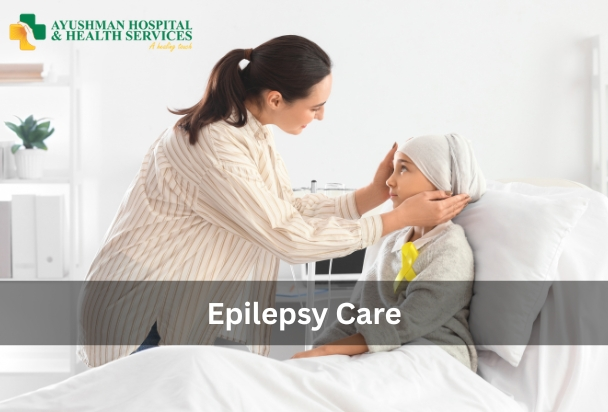
Epilepsy is a prevalent neurological disorder affecting millions of people of all ages. Epilepsy is a condition where people have recurrent seizures due to abnormal excessive and synchronized neuronal activity. Symptoms from epilepsy can include muscle jerking, full convulsions, short periods of impaired awareness, and altered sensations. While symptoms of epilepsy can be unpredictable, it can be controlled with early diagnosis, personalized treatment, and diligent medical care.
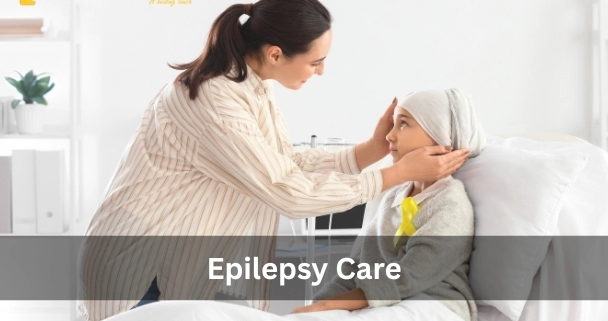
Proper epilepsy care is crucial to manage serious risks, including injuries, sudden loss of consciousness, developmental delays in children, or reduced independence in adults. Families and patients also face emotional and social challenges, making supportive care as important as medical intervention. Choose the finest epilepsy diagnosis and treatment in Dwarka, Delhi, from Ayushman Hospital and Health Services.
What Is Epilepsy?
Epilepsy is a chronic neurological disorder caused by unprovoked recurrent seizures. While someone may have a seizure, to confirm epilepsy one requires recurrent seizures. Having a seizure does not mean a person has epilepsy. Epilepsy can vary in severity, with some people having mild staring spells and others experiencing more serious convulsions.
Epilepsy is not contagious, and has nothing to do with a person’s character or intelligence.
What Are Seizures?
A seizure is a temporary alteration in normal brain function that occurs when there is sudden and uncontrolled electrical discharge in the brain. Seizures can affect a person’s movement, sensation, mood, or level of awareness. The type of seizure depends on the location of activity in the brain. Some seizure types can be very subtle depending on which region of the brain is involved, and can consist of just a momentary episode of staring or lip-smacking. While other seizure types consist of muscle convulsions or jerks occurring throughout the whole body with loss of awareness.
Categories of Seizures
Generalized Seizures: These seizures involve both sides of the brain, leading to loss of consciousness, stiffening, and rhythmic jerking.
Focal (Partial) Seizures: These seizures affect one part of the brain, causing unusual sensations, twitching, or changes in awareness.
Difference Between Seizures and Epilepsy
Seizures are single episodes of abnormal brain activity that may occur due to a temporary cause. Epilepsy, on the other hand, is a chronic disorder where seizures recur without immediate triggers.
Causes of Epilepsy
- Conditions such as meningitis, traumatic brain injury, and stroke can affect brain tissue or activity in the brain and result in seizures.
- Genetic mutations that are inherited or family history of epilepsy can contribute to certain types of epilepsy.
- Epilepsy in children can develop as a result of damage to the brain in utero, lack of oxygen at birth, or conditions like autism.
- Brain tumors and progressively debilitating disorders such as Alzheimer’s disease can affect brain function and sometimes result in seizures.
Treatment Plans for Epilepsy
Several advanced, multidisciplinary treatment plans are available for epilepsy, with personalized care ensuring patients receive the most effective therapies:
- Precise Diagnosis with Appropriate Testing: Specialists utilize EEGs, video EEG monitoring, CT scans, and MRIs to accurately identify seizure type and brain issues, ruling out additional diagnoses.
- Medication Management: Anti-epileptic drugs (AEDs) remain the primary treatment. Neurologists in New Delhi select the appropriate medication and dosage while monitoring side effects to optimize seizure control.
- Surgical Interventions: When patients do not respond to medications, surgeries such as resective surgery or minimally invasive techniques may be considered.
- Nutritional Therapies: Ketogenic and modified Atkins diets, given under medical supervision, are recommended, especially for children with drug-resistant epilepsy to reduce seizure frequency.
- Treatment for epilepsy primarily focuses on controlling seizures and improving quality of life with appropriate treatment.
Why Choose Comprehensive Epilepsy Care in Dwarka, Delhi?
Epilepsy management requires advanced diagnostics, continuous monitoring, and individualized treatment. At Ayushman Hospital and Health Services, we offer the finest epilepsy diagnosis and treatment in Dwarka, Delhi, providing:
- Advanced EEG, MRI, and imaging
- Skilled neurologists and epileptologists
- Preventive and timely interventions
- Comprehensive care including medication and surgery
- Support from neurology, psychiatry, and rehabilitation services
Begin Your Epilepsy Care Journey Today
Begin your effective epilepsy treatment at Ayushman. Our team of specialists has the knowledge, skills, and compassion to ensure you receive the correct epilepsy diagnosis, personalized care plan, and appropriate long-term management. Schedule your consultation today and receive the best epilepsy care at our hospital!