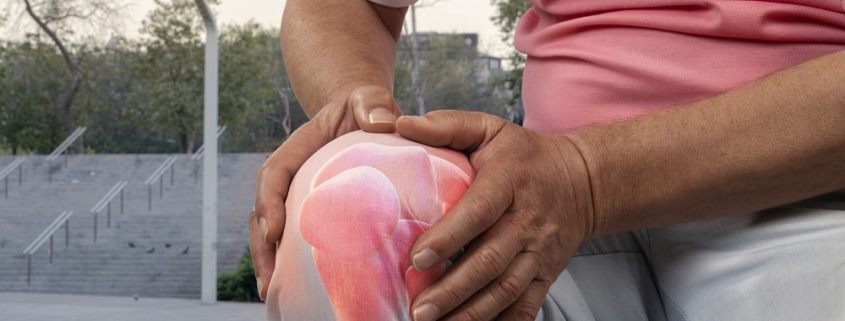
While some of us love winter, it does make going outdoors more fun, but it can also make knee pain more severe and arthritis also pops up around this time. Being healthy and active is very necessary for maintaining healthy knees. Whether you go running or trekking, excess knee pain or arthritis can reduce your ability to do the things you love. If you are looking for arthritis treatment in dwarka or Delhi, suffering knee pain during this winter; this article from one of the best arthritis doctors in Dwarka can help, you could also visit our orthopaedic centre in dwarka.

For people who have knee issues, outdoor winter activity may cause further knee pain and injuries. wear and tear, plus injuries are a result of lifelong commitments to staying active. In most cases, repeated stress on knees can cause or  lead to osteoarthritis.

It is important you maintain healthy knees while you enjoy outdoor winter activities. So follow these simple steps and have healthy knees

  • Stay in motion- it will reduce the risk of osteoarthritis as it lubricates and nourishes your knee joints.
  • Drink loads of water- Drink plenty of water to keep hydrated even in if you doesn’t feel like during winter because dehydration reduces flexibility and increases chances of injury wear and tear.
  • Regular Exercise- Exercise regularly but watch out for “bad” pain. Stop if you have severe, sharp pain.
  • Get strong legs- Do leg lifts to strengthen your quadriceps (front thigh) muscle, which is the biggest protector of your knee.
  • Warm up and stretch. A little cardio to be followed by stretching to help maintain mobility and reduce joint stiffness.
  • Keep warm. Knees are like barometers and cold, damp weather can make them more symptomatic. Try keeping your knees warm with a neoprene sleeve or knee wrap.
If you’re looking for osteoporosis treatment in Delhi, or wish to consult a reliable orthopaedic doctor in Dwarka, look no further than the orthopaedics centre at Ayushman Hospital and Health Services.

If you think you may have osteoporosis, this article can be of help.

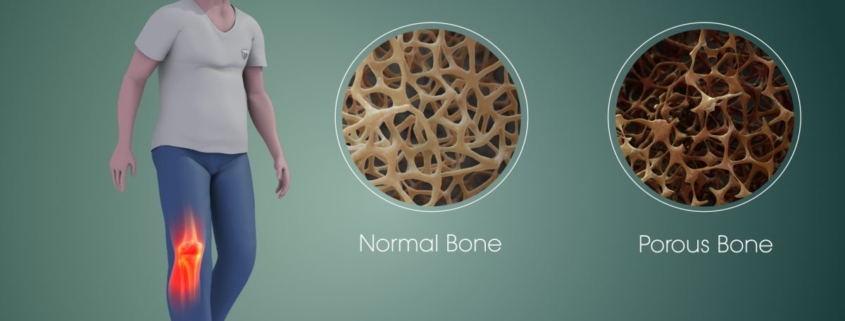
When we may think about keeping ourselves healthy, we probably deem lifestyle changes the right way to prevent conditions like diabetes and heart disease from happening and in among this and the busy lives we live, keeping our bones healthy to avoid osteoporosis might not be at the top of our wellness lists: but it most definitely should.

Basics of Bones

Some of us  think of bones as hard and maybe lifeless, but they are very alive and living,, ever growing tissue and our  bones are made up of components that make them flexible and strong.

Are you at Risk?

There are a number of factors that can put you at risk of developing osteoporosis. Have a word with an orthopaedic doctor to know about your risk factors and work closely to develop a plan to protect your bones from osteoporosis.

Prevention and Healthy Living

Osteoporosis and the bones it can damage are not part and process of normal ageing. There are a  lot of things you  can do to protect your bones. It’s never too late or too early to improve the health of your bones. Osteoporosis prevention should ideally begin with childhood as we move more and  it shouldn’t stop there. Whatever your age is, the habits you develop now can affect your bone health for the rest of your life.

What can you do?

  • Get enough calcium and vitamin D and follow a well balanced diet.
  • Exercise regularly.
  • Consume foods that are good for bone health like fruits and vegetables.
  • Avoid smoking and limit alcohol inside to 2-3 drinks per day.

Calcium and Vitamin D

Getting enough calcium and vitamin D is essential to building strong, dense bones when you’re young and to keeping them strong and healthy as you age. Find out what you need to know about the two most important nutrients for bone health.

Diet and Bones

The food that you eat can affect your bones. Learning about the foods that are rich in calcium, vitamin D and other nutrients that are important for your bone health and overall health will help you make healthier food choices every day.

Exercise for Strong Bones

There are two types of exercises that are important for building and maintaining bone density: weight-bearing and muscle-strengthening exercises. Learn about each type of exercise and how you can incorporate both into your exercise routine.

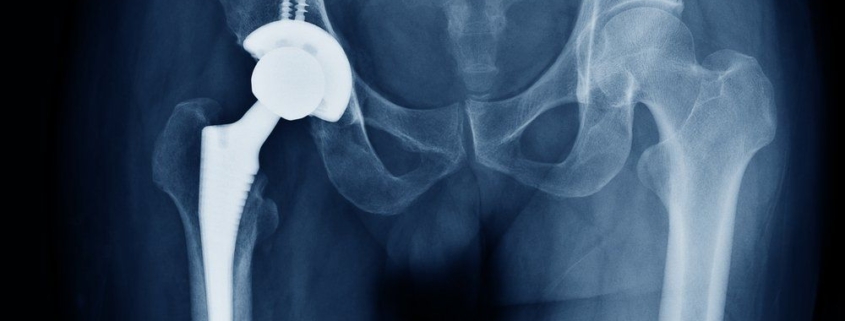
If you’re looking for hip replacement surgery in dwarka, then look for the best hip replacement surgeon in dwarka at Ayushman Hospital and Health Services. We also offer the best her cheapest hip replacement in dwarka. Read this article to know more about hip replacement surgery.

Hip Joint Replacements are easily one of the most successful procedures available to patients today. Hundreds of thousands Indians will undergo a hip replacement every year. The most common reasons for you needing  a hip replacement are arthritis (either Osteoarthritis from general “wear and tear” or chronic Rheumatoid Arthritis) or a sudden injury to the hip that triggers arthritis or causes damage to the bones. We encourage patients to try some medication,  injections or physical therapy before going in for surgery,” say our orthopaedic doctors. People over the age of 50 can greatly benefit from the total joint replacement if their hip pain is  limiting their day to day  activities (such as basic walking), if the pain continues after resting or during night, and if non-surgical options aren’t bringing relief.

YOUR HIP’S ANATOMY

The hip is basically a ball  and joint; the top of the leg (femur) has a ball on top and fits into a cup of the pelvis and ligaments function to hold these pieces together. Cartilage provides cushioning, while Synovia tissue secretes liquid to lubricate  movement. The joint, along with the knees, are responsible for bearing almost all of the body’s weight during walking, running, standing and lifting. So, it’s no surprise that these are the most likely joints to wear out and need replacement.

TOTAL HIP REPLACEMENT SURGERY

During the surgery, your Orthopedic Specialist will:

  • Disconnect the leg from the pelvis
  • Remove the top of the femur and drill a hole in the bone.
  • Insert a metal stem with a ball on the end. This can be cemented, although new materials will allow the bone to grow into the stem without cement.
  • Clean out the cup area of the hip.
  • Insert a metal shell with a plastic or ceramic cup for smooth movement.
  • Fit the leg and pelvis back together.

AFTER YOUR SURGERY

Your Orthopedic team will have you up, walking and taking a few stairs within 24 hours of your surgery. Your hospital stay is generally 1 or 2 nights.

Pain management  will help you recover with minimal distraction.

Physical therapists will start you with a walker, then a cane and finally walking on your own.

In a few weeks you can return to walks and driving . A bit longer and you can be back to activities you participated in before hip joint replacement, such as biking, dancing, golf and swimming.

THINGS TO KNOW

  • With the materials available today  and normal wear, you can expect our hip to last 15-20 years.
  • You may feel some numbness around your incision.
  • At first, it may feel difficult to bend.
  • Both of the above issues will decrease over time

Live better with healthier bones. Read this article from one of the best orthopaedic doctors in Delhi, from our hospital for bone surgery and care in Dwarka.

Having healthy bones is really important.

Minerals become a part of our bones during childhood, adolescence and early adulthood. Once we reach 30 years of age, we achieve peak bone mass.

And if enough bone mass hasn’t been created during this time or bone loss happens later on in life, you’ll be at an increased risk of developing fragile bones that could break easily.

Fortunately, there are nutrition and lifestyle choices that can help you build stronger bones and maintain them even as you age.

Here are some of the best natural ways to build healthy bones.

Have Loads of Vegetables

A high amount of green and yellow vegetables has been linked with increased bone mineralization during our childhood and the maintenance of healthy bone mass in young adults.

Eating lots of vegetables has also been found to benefit adults.

2.Strength Training and Weight Exercises

Specific forms of exercise can help you build and maintain stronger bones.

One of the best types of activities for bone health is weight training or high-impact exercise, which quickens the formation of new bone.

Studies on children, including those with type 1 diabetes, have found this type of activity increasing the amount of bone formed during the years of peak bone growth.

In addition to this, it is highly beneficial for preventing bone loss in older adults.

  1. Consume Ample Protein

Consuming ample amounts of protein is vitally important for healthy bones. Did you know that almost 50% of our bones are made of protein?

Researchers have indicated that low protein intake reduces calcium absorption and can also affect the rates of bone formation and breakdown.

However, some concerns have also been raised that high protein diets also leach  calcium from the bones in order to counteract increased acidity in the blood.

  1. Get Loads of Vitamin D and Vitamin K

Vitamin D and vitamin K are vital for building stronger bones.

Vitamin D plays several key roles in bone health and growth, and helps your body absorb calcium. Having a blood level of at least 30 ng/ml (75 nmol/l) is recommended for protecting against osteopenia, osteoporosis and other bone diseases.

Vitamin K aids bone health by modifying osteocalcin, a protein that aids bone formation. This modification enables osteocalcin to bind itself to minerals in bones and helps prevent the loss of calcium from bones.

The two common forms of vitamin K2 are MK-4 and MK-7. MK-4 exists in small amounts in liver, eggs and meat while fermented food

like cheese, sauerkraut and a soybean product called natto contain MK-7