

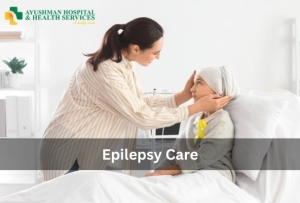
Epilepsy is a prevalent neurological disorder affecting millions of people of all ages. Epilepsy is a condition where people have recurrent seizures due to abnormal excessive and synchronized neuronal activity. Symptoms from epilepsy can include muscle jerking, full convulsions, short periods of impaired awareness, and altered sensations. While symptoms of epilepsy can be unpredictable, it […]

Self-care routines include the use of heat and ice, taking over-the-counter pain relievers, and engaging in gentle movement to decrease pain and inflammation and help relieve back pain. If the pain is severe or persists, it is necessary to visit a hospital or healthcare professional so that they can provide physical therapy, prescribe medications, injections, […]
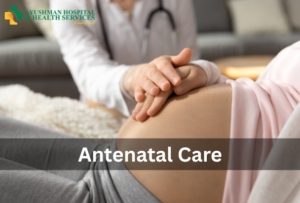
Antenatal care, also called prenatal care, refers to the regular health check-ups, screenings, and guidance provided to a woman during pregnancy. It is an essential part of maternal and child healthcare, helping both the mother and baby remain healthy throughout pregnancy. This care includes medical assessments, nutritional guidance, emotional support, and preparation for childbirth. Choose […]

Pregnancy is the period when a fertilized egg develops into a baby in the mother’s uterus, and it typically lasts about 40 weeks and is divided into three trimesters. Regular check-ups with health care providers, a healthy diet, exercise, and monitoring are important for any pregnancy, but a higher-risk pregnancy means the mother, baby, or […]

Gynecological endoscopy is an advanced, minimally invasive procedure for the diagnosis and treatment of diseases of the female reproductive system. Specialists use specialized tools, which include an endoscope that has a camera, which is inserted through small incisions or natural body openings to see and perform surgery in specific areas of the uterus, fallopian tubes […]