Posts

Breast cancer is among the most common cancers today, affecting countless women across the globe. It is caused by the uncontrolled growth of cells in the breast tissue, leading to tumor formation. Some symptoms of breast cancer may include the presence of a lump, changes in the size or shape of the breast, dimpling of the skin, changes to the nipple, or discharge.

Timely diagnosis is essential for successful treatment of breast cancer. The treatment of breast cancer involves a skilled team of oncologists, breast surgeons, radiologists, and pathologists. Select breast cancer treatment in Dwarka, Delhi from Ayushman Hospital and Health Services, where experienced, qualified cancer specialists will help you with timely diagnosis, treatment planning, and guidance through available options to improve your chances of survival.

What Is Breast Cancer?

Breast cancer occurs in the breast tissue when abnormal cells begin to grow and form a lump or mass. The abnormal cells usually start in the ducts or lobules (milk-producing parts of the breast). When left uncontrolled, cancer can invade nearby tissue and spread to other sites, such as the lungs, liver, or bones. Though most cases occur in women over 40 years of age, and more rarely, men can also develop breast cancer.

Methods to Diagnose Breast Cancer

  • Mammogram

 A mammogram is the first stage in breast cancer screening. It helps doctors find lumps early even before a lump is felt. The mammogram helps identify abnormal lumps or calcifications.

  • Breast Ultrasound

Ultrasound creates images of the breast using sound waves. It helps determine if a tumor is solid or whether it is a fluid-filled cyst. An ultrasound is done when a lump is found during an examination or mammogram.

  • Breast MRI

An MRI uses contrast dye and a strong magnet to get detailed pictures of the breast. It is used mainly for very high-risk patients or to determine how far breast cancer has spread after diagnosis.

  • Biopsy

A biopsy takes a piece of breast tissue to check for cancerous cells in a lab. It is the only way to confirm a diagnosis of breast cancer.

  • Clinical Breast Exam (CBE)

A clinical breast exam is an examination of the breasts and underarm area for lumps, thickening, or visible skin changes by a doctor.

  • Genetic Testing

Genetic testing helps identify inherited mutations (such as BRCA1 or BRCA2) that increase the risk of breast cancer.

Treatment Options for Breast Cancer

  • Surgical Intervention 

Surgery is often the first step of treatment. Lumpectomy (removal of the tumor) or mastectomy (removal of the whole breast) are available options. Surgery will remove all of the cancerous tissue and lower the chance of recurrence. 

  • Radiation Therapy

Radiation therapy uses high-energy radiation beams to destroy any cells that remain after surgery. It reduces the chance of the cancer returning. It is commonly used as part of breast-conserving treatment.

  • Chemotherapy

Chemotherapy is the use of strong medications that kill cancer cells that grow and divide quickly. It may be used to shrink a tumor before surgery or to reduce the risk of recurrence after surgery, particularly for aggressive or metastatic cancers.

  • Hormone Therapy

Hormone therapy is primarily effective in hormone receptor-positive breast cancers. It works by blocking or reducing the effects of estrogen and progesterone, two hormones that feed cancer growth.

  • Targeted Therapy

Targeted therapy uses drugs that target specific proteins, such as HER2, that drive the growth of the cancer. Targeted therapy is a more precise treatment than chemotherapy and is likely to result in fewer side effects and favorable outcomes.

  • Immunotherapy

Immunotherapy uses medications that enhance the immune system’s ability to fight cancer. These drugs help immune cells recognise breast cancer cells, particularly for patients with triple-negative breast cancer, who have limited standard treatment options.

Why Choose Ayushman for Expert Breast Cancer Treatment in Dwarka, Delhi?

Breast cancer treatment requires advanced technology, multidisciplinary care, and personalised planning. At Ayushman Hospital and Health Services, our dedicated cancer centre provides access to expert oncologists, skilled surgeons, pathologists, and supportive care teams working together for optimal outcomes.

Our experienced oncologists recommend the right combination of therapies, minimise side effects, and improve long-term survival. We are proud to offer expert breast cancer treatment in Dwarka, Delhi.

Book Your Breast Cancer Appointment Today!

Worried about a lump in your breast, breast pain, or a change in your breast? Early detection saves lives! Schedule a routine breast screening or assessment of a concerning symptom at Ayushman Hospital and Health Services. Book your breast cancer appointment today and take a confident step towards prevention, answers, and peace of mind.

A malignant tumor located in the head or neck region is classified as head and neck cancer. There are many areas where cancer can occur, such as the throat, larynx, nose, sinuses, lips, mouth, and salivary glands, among others. Tobacco use, excessive alcohol use, and HPV (human papillomavirus) infections are significant risk factors associated with head and neck cancer. However, environmental exposures and genetic predisposition can also play a role.

It is important to treat head and neck cancer because it has the potential to spread rapidly and impact one’s ability to speak, swallow, and breathe. Choose critical head and neck cancer treatment in Dwarka, Delhi. Ayushman Hospital and Health Services offers all modern diagnostic imaging, minimally invasive surgical options, targeted therapies, and rehabilitation services for complete head and neck cancer care in Delhi.

Understanding Head and Neck Cancer

Head and neck cancer refers to cancers in the oral cavity, pharynx (throat), nasal passages, sinuses, larynx, and salivary glands. Most of these cancers affect critical human processes, such as breathing, swallowing, and speaking. It is important to diagnose these cancers early and start treatment, as they may grow quickly and spread to nearby tissues or lymph nodes.

Risk Factors and Causes of Head and Neck Cancer

  • Tobacco Use – Use of cigarettes, cigars, pipes, and smokeless tobacco has been found to increase the risk of cancer.
  • Alcohol Use – The excessive and chronic use of alcohol can damage the mucosal layer within the oral cavity, increasing the risk of cancer.
  • Human Papillomavirus (HPV) – Certain strains of HPV are associated with cancers of the oropharynx.
  • Oral Health – Untreated periodontal disease, lack of dental care, and untreated oral infections can increase the risk of cancer.
  •  Sun Exposure – Excessive sun exposure or sunburn can increase the risk of cancer on the lip due to ultraviolet (UV) radiation.
  •  Occupational Exposure – Exposure to wood dust, particulates, asbestos, and some chemicals can increase the risk of cancer.
    Genetic Considerations – A positive family history of head and neck cancers can increase the risk of disease.
  • Immunosuppression – Immunosuppression from chronic disease may accelerate or facilitate cancer progression in a weakened immune system.

Types of Head and Neck Cance

  • Cancers of the Oral Cavity: This type of cancer occurs in the lips, mouth, tongue, gums, or inner lining of the cheeks.
  • Cancers of the Pharynx: This cancer forms in the pharynx, including the nasopharynx, oropharynx, or hypopharynx.
  • Cancers of the Larynx: This cancer develops in the voice box, which impacts talking and breathing.
  • Cancers of the Nasal Cavity: This cancer occurs inside the nose, which can affect breathing or cause obstructions.
  • Cancers of the Salivary Glands: These cancers form in the salivary glands, impacting chewing or swallowing.

Symptoms of Head and Neck Cance

  • A sore throat or hoarseness that has lasted for weeks and has not improved with standard treatment
  • An ulcer or white patch in the mouth that is not healing and may increase in size or become painful over time.
  •  Difficulty swallowing either food or liquid, sometimes associated with pain or a choking sensation.
  •  A feeling of a lump, swelling, or mass that gradually enlarges in the neck.
  •  Unintentional weight loss, fatigue, loss of appetite, and general poor health.
  • Recurrent nosebleeds, nasal blockage, and recurrent sinus infections without an identifiable cause.

Treatment for Head and Neck Cancer

Therapies for head and neck cancer involve strategies tailored to each case and may include surgery, radiation therapy, chemotherapy, targeted therapy, and immunotherapy, depending on the stage of the cancer.

Surgery is typically the first approach to remove the tumor and surrounding tissues and may be accompanied by reconstruction of the affected areas. Radiation therapy uses radiation, often intensity-modulated radiation therapy (IMRT), to target cancer cells and spare normal tissue. Chemotherapy is used to shrink tumors prior to surgery or in combination with radiation therapy in advanced disease. Some newer therapies, such as targeted therapies involving EGFR inhibitors and immunotherapy using immune checkpoint inhibitors, help improve treatment outcomes.

Why Choose Critical Head and Neck Cancer Care in Dwarka, Delhi?

Choosing the right treatment plan for head and neck cancers requires accurate, multidisciplinary care that combines surgery, radiotherapy, chemotherapy, and targeted therapies. Choose Ayushman Hospital and Health Services in Dwarka, Delhi, for your critical head and neck cancer treatment to get:

  • Real-time imaging, IMRT, and surgical precision 
  • Experienced oncologists and surgeons
  •  Comprehensive care through surgery and therapy
  •  Modern treatments are designed to minimise side effects
  •  Customised planning for the patient and tumor
  •  Continuous care from diagnosis to recovery

Schedule a Visit Today at Ayushman

Book cancer care from Ayushman Hospital and Health Services. Get expert care and services for head and neck cancer. Our modern equipment, experienced care team, and patient-centered approach will provide safe, effective, and compassionate treatment.

Orthopaedic oncology is a subspecialty of medicine specialising in the diagnosis, management, and treatment of both benign and malignant bone and soft tissue tumors. This field combines expertise from orthopaedics, which focuses on the musculoskeletal system, and oncology, which focuses on cancer. These tumors can limit mobility, limb usage, and quality of life; therefore, early diagnosis and expert treatment can significantly reduce the severity and impact of each case.

From Ayushman Hospital and Health Services, get expert orthopaedic oncology treatment in Dwarka, Delhi. Our hospital uses advanced techniques such as limb-salvage surgery, advanced reconstruction, targeted therapy, and radiation techniques with state-of-the-art facilities and vast experience to offer rehabilitation, psychological counselling, and nutritional support for patients.

Types of Orthopaedic Cancers

  • Osteosarcoma

Osteosarcoma is the most common primary bone cancer, primarily occurring in adolescents and young adults. Usually developing in long bones, osteosarcoma is treated with chemotherapy, surgery, and, in some cases, radiation therapy.

  • Chondrosarcoma

Chondrosarcoma arises from cartilage cells and can affect people of all ages, but is most often observed in people over 40. Chondrosarcoma can occur in the pelvis, ribs, or shoulder. Chondrosarcoma is relatively resistant to chemotherapy and radiation, making surgery with reconstructive options the best treatment plan.

  • Ewing Sarcoma

Ewing sarcoma is an aggressive type of tumor occurring in children and adolescents that may appear in bone or soft tissue. Ewing sarcoma metastasises rapidly, making prompt diagnosis important, and treatment generally includes combination chemotherapy, surgery, and possible radiation therapy.

  • Soft Tissue Sarcomas

Soft tissue sarcomas usually develop from cells in fat, nerves, muscles, or connective tissue, including liposarcoma and synovial sarcoma. For treatment, surgery, chemotherapy, and radiation can be used alone or in combination.

How Is Diagnosis Done in Orthopaedic Oncology?

  • X-rays: X-rays are usually the first imaging modality used to evaluate an abnormal bone lesion, mass, or structural change due to a tumor.
  • MRI (Magnetic Resonance Imaging): MRI provides excellent detail about soft tissue, how the mass or lesion may involve bone, and adds information for surgical planning.
  • CT Scan: A CT scan is essential when assessing the extent of a tumor, any bone destruction, and whether there are metastases. CT scans may also be utilised with 3D reconstruction.
  • Biopsy: Biopsy is the gold standard for diagnostic confirmation and is performed with imaging guidance to ensure precision and safety.
  • Blood Tests: Blood tests can identify the presence of tumor markers or other evidence of systemic involvement that might support the diagnosis and management.

Treatments Offered by Orthopaedic Oncologists

  • Surgery (Limb-Salvage & Reconstruction)

Surgery can excise bone or soft tissue tumors and maintain limb functionality. Surgeons use advanced techniques, such as limb-salvage, 3D-printed implants, or reconstructive procedures to restore mobility. When limb preservation is not possible, surgery may include amputation.

  • Chemotherapy

Chemotherapy uses medicines to kill cancer cells. It can reduce tumor size before surgery or prevent cancer from recurring after surgery.

  • Radiation Therapy

Radiation therapy uses high-energy rays to kill cancer cells. It is used if surgery is not an option or after surgery to eliminate remaining cancer cells. Radiation has improved over the years, and many advanced types are available.

  • Targeted Therapy & Immunotherapy

Targeted therapy targets changes in the tumor, while immunotherapy helps the body’s immune system fight cancer. These are newer treatments and can be used when sarcomas are resistant to traditional therapies.

  • Supportive & Palliative Care

Supportive care helps manage pain, fatigue, and stress during treatments and recovery. It includes physiotherapy, mental health counselling, nutrition, and other lifestyle changes. Palliative care helps maintain dignity, comfort, and quality of life during cancer treatment.

Why Choose Ayushman for Orthopaedic Oncology Treatment in Dwarka, Delhi?

Selecting orthopaedic oncology treatment from Ayushman Hospital and Health Services in Dwarka, Delhi, provides access to an expert team of specialists, including orthopaedic oncologists, radiologists, pathologists, medical and radiation oncologists working together to provide specialised care. This treatment requires not only surgical precision but also advanced diagnostics, personalised therapies, and coordinated care across multiple departments.

At Ayushman Hospital and Health Services, we ensure timely diagnosis, accurate treatment, reduced complications, and better recovery.

Consult for Orthopaedic Oncology Treatment Now!

Looking for the best place for orthopaedic oncology care? Book your consultation with us for orthopaedic oncology treatment. We ensure safe, innovative, and patient-focused treatment with globally recognised standards in musculoskeletal cancer care.

Urological oncology is a subspecialty of medicine focused on diagnosing, treating, and managing cancers of the kidneys, bladder, prostate, and male reproductive organs, including the kidneys, bladder, ureters, urethra, prostate, testicles, penis, and adrenal glands. Treating urological cancers requires coordinated care across multiple specialities with supportive management.

Choose Ayushman Hospital and Health Services for leading specialised urological oncology treatment in Dwarka, Delhi. We are equipped with advanced facilities, state-of-the-art diagnostics, robotic and minimally invasive surgeries, and multidisciplinary cancer care at our hospital. Early identification and intervention are critical for increasing survival rates and improving quality of life. Urological cancers are among the most commonly diagnosed cancers. They can cause debilitating complications like urinary obstruction, severe pain, kidney failure, sexual dysfunction, and metastatic spread to bones, lymph nodes, and other organs if left untreated.

What is Urological Oncology?

Urological oncology is a subspecialty of urology that focuses on cancers of the urinary system and male genital organs. Urologic oncologists are urologists who have undergone advanced fellowship training to provide care for simple and complex malignancies. This might include surgical management of malignancies and advanced medical management using cutting-edge techniques. Cancers of the urinary tract (kidneys, ureters, bladder, urethra) and male organs (prostate, testicles, penis) affect urination, fertility, and sexual health.

Types of Urological Cancers Treated

  • Prostate Cancer: Affects the prostate, the gland that produces seminal fluid. Risk increases with age and involves hormonal changes associated with aging.
  • Bladder Cancer: Begins in the lining of the bladder. Risk factors include lifestyle factors such as smoking and exposure to chemicals.
  • Kidney Cancer: Starts in the tissue of the kidney. It is more common in individuals with obesity, high blood pressure, or genetic predisposition.
  • Testicular Cancer: Starts in the testicle. It is most common in younger men, but it is highly treatable, especially if detected early.
  • Penile Cancer: A rare cancer of the penis; risk factors include HPV and poor hygiene.
  • Adrenal Cancer: A rare but aggressive cancer of the adrenal gland that can affect hormone levels and overall body function.

How is Urological Cancer Diagnosed?

  • PSA Test: A test that measures prostate-specific antigen levels in blood to determine risk for prostate cancer.
  • Cystoscopy: A thin camera is used to check the bladder and the urethra for abnormal growths or tumors.
  • Ultrasound: Uses sound waves to create images of the kidneys, bladder, and prostate to identify abnormalities.
  • CT/MRI Scans: Provide detailed imaging of urinary organs to identify tumors, their size, and staging.
  • Biopsy: A tissue sample is examined under a microscope to confirm cancer.
  • PET Scan: Looks for the spread of cancer in the body by imaging areas of active cancer cells.

Treatment Options in Urological Oncology

  • Surgery: The initial treatment for many urological cancers usually involves surgically excising the tumor using an open, laparoscopic, or robotic-assisted method. Robotic surgery is highly precise, minimally invasive, allows quicker recovery, and helps preserve organ function.
  • Chemotherapy: Chemotherapy uses powerful drugs to kill rapidly dividing cancer cells (usually used before or after surgery). It helps to shrink tumors, prevent recurrence, or manage advanced bladder, kidney, and testicular cancers.
  • Radiation Therapy: Radiation uses external high-energy beams that target cancer cells while sparing healthy tissue. It is used mainly for prostate or bladder cancers alone or in conjunction with surgery or chemotherapy.
  • Immunotherapy: It uses drugs that stimulate the immune system to attack cancer cells. It is useful for bladder and kidney cancers and includes checkpoint inhibitors that help treat advanced or recurrent cancers.
  • Targeted Therapy: Targeted therapies act on specific genetic mutations or proteins that drive cancer growth, especially in kidney (renal) cancers. These therapies cause less damage to healthy tissues and improve treatment precision.

Why Choose Urological Oncology Treatment in Dwarka, Delhi?

Are you and your loved ones facing serious health issues like prostate cancer, kidney tumors, bladder cancer, or other cancers involving the urinary tract and male reproductive system? Choose Ayushman Hospital and Health Services, which provides specialised urological oncology treatment in Dwarka, Delhi, along with the latest diagnostic testing, robotic surgery, and a personalised approach to cancer care. We offer at our hospital:

  • Comprehensive Uro-Oncology Services
  • Expert Uro-Oncologists & Surgeons
  • Advanced Diagnostic Facilities
  • Multidisciplinary cancer care teams
  • World Class Facilities

Book Your Urological Cancer Treatment Consultation Today!

Would you like the best, minimally invasive, patient-centered care for urological malignancies? Book today to visit our expert urologic oncologist and minimally invasive robotic surgery team at Ayushman Hospital and Health Services, located in Dwarka, Delhi.

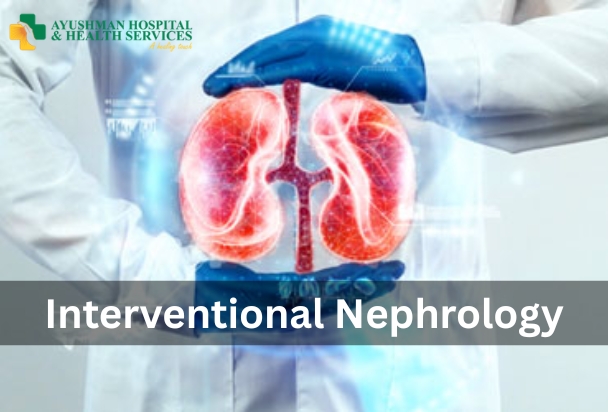
Interventional nephrology is a rapidly developing subspecialty of kidney care dedicated to carrying out minimally invasive, image-guided procedures for the diagnosis and treatment of kidney-related diseases. Several procedures, including vascular access for dialysis or kidney biopsies, were formerly handled by surgeons or interventional radiologists. Today, interventional nephrologists combine advanced procedural skills with in-depth knowledge of kidney diseases, enabling them to provide faster, more comprehensive, and patient-focused care.

Choose Advanced Interventional Nephrology in Dwarka, Delhi, from Ayushman Hospital and Health Services for best-in-class interventional nephrology treatment. Here, we provide complete kidney care in one location with advanced diagnostics for evaluation, minimally invasive treatments, and experienced nephrologists for safe and high-quality outcomes.

What Is Interventional Nephrology?

Interventional nephrology brings the diagnosis, treatment, and ongoing management of kidney disease together by allowing nephrologists to perform specialized procedures for their patients. This is especially relevant for patients who have end-stage renal disease (ESRD) and rely on renal replacement therapy or dialysis. These interventional techniques are minimally invasive compared to major surgery, have fewer complications, and allow for a quicker recovery.

Common Procedures in Interventional Nephrology

  • Arteriovenous (AV) Fistula and Graft Construction

An AV fistula or graft is a surgically created connection between an artery and a vein for reliable access to dialysis. A fistula utilizes native vessels while a graft uses soft plastic tubing. Both are created for long-term use and are associated with fewer complications.

  • Angioplasty

Angioplasty utilizes a small balloon to open narrow, tightened, or blocked blood vessels. This improves blood flow in the dialysis access area and helps ensure more effective dialysis without the need for major surgery.

  • Kidney Biopsy

A kidney biopsy removes a small sample of tissue from the kidney using ultrasound guidance. It helps diagnose the cause of kidney issues and monitor treatment progress. It is fast, precise, and safe.

  • Percutaneous Nephrostomy

This procedure places a tube through the skin into the kidney to drain urine when the normal flow is obstructed. It decompresses the kidney, prevents infection, and preserves kidney function.

  • Kidney Stone Treatments

Kidney stones are treated with procedures such as shock wave therapy, small scopes, or minor surgical approaches. These break or remove stones without major surgery, enabling quicker and less painful recovery.

Benefits of Interventional Nephrology

Nephrologist-led procedures bring multiple advantages:

  • Shorter hospital stays and quicker access to procedures: Minimally invasive procedures usually reduce hospital stay and provide patients with timely intervention without unnecessary delays.
  • Reduced potential for complications: Compared to traditional surgery, techniques used in interventional nephrology involve less trauma to the body.
  • Faster return to normal living: With shorter recovery times, patients can return to work, family obligations, and other daily activities sooner.
  • Improved dialysis experience: Timely creation, repair, or maintenance of vascular access allows for more seamless treatment and improved overall dialysis outcomes.
  • Preservation of kidney health in some cases: Prompt identification and intervention can preserve kidney function for longer periods and ultimately improve quality of life.

Why Choose Advanced Interventional Nephrology Care in Dwarka, Delhi?

Interventional nephrology involves advanced, minimally invasive procedures to manage kidney diseases and dialysis-related needs with precision and safety. Choosing Ayushman Hospital and Health Services for Advanced Interventional Nephrology Care in Dwarka, Delhi, offers:

  • Availability of advanced imaging and interventional technologies for safer, faster care.
  • A multi-disciplinary team including nephrology, urology, and interventional specialists.
  • Fewer complications and faster recovery compared to traditional surgery.
  • Customized treatment plans that consider each patient’s unique needs.
  • Comprehensive kidney care from diagnosis to post-procedure recovery.

Schedule a Visit Today!

Improve the health of your kidneys with interventional nephrology services from Ayushman Hospital and Health Services. Our experienced professionals, modern facilities, and patient-centric approach assure precise, safe, and minimally invasive procedures. Connect with us and receive the best quality treatment.

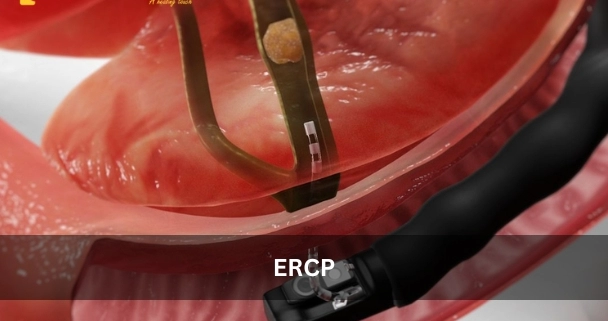
ERCP (Endoscopic Retrograde Cholangiopancreatography) is a highly specialized and minimally invasive procedure that is used to diagnose and treat issues of the biliary and pancreatic ducts by combining endoscopy and fluoroscopy (a type of X-ray). ERCP helps doctors see the bile and pancreatic ducts and also treat issues like blockages or leaks in the same session.

Choose the ERCP (Endoscopic Retrograde Cholangiopancreatography) procedure and treatment in Dwarka, Delhi from Ayushman Hospital and Health Services. At Ayushman, we have experienced and reputed gastroenterologists and endoscopy specialists who offer expert ERCP care, including precision, safety, and compassionate treatment under one roof. We have a dedicated team for effective, smooth, and complication-free ERCP (Endoscopic Retrograde Cholangiopancreatography) procedure and treatment.

What is ERCP?

Endoscopic Retrograde Cholangiopancreatography (ERCP) is a medical procedure performed to treat conditions affecting the bile ducts, pancreas, liver, and gallbladder by combining endoscopy and X-rays. A flexible tube is passed through the mouth into the digestive tract, where dye is injected, and X-rays are taken to check for issues in various parts of the biliary and pancreatic ducts. This method is especially useful for treating gallstones, narrowing due to tumors, post-surgery leaks, or infections like cholangitis.

What Does ERCP Do?

  • Diagnose problems in the bile or pancreatic ducts, liver, and gallbladder using imaging and contrast dye.
  • Removes stones stuck in the bile or pancreatic ducts to relieve pain, jaundice, or digestive issues.
  • Inserts stents into blocked or narrowed ducts to allow bile or enzyme flow into the intestine.
  • Takes biopsies and drains infected or leaking ducts, treating strictures, tumors, or surgical complications.
  • Combines endoscopy and X-ray to diagnose and treat issues in a single minimally invasive procedure.

ERCP (Endoscopic Retrograde Cholangiopancreatography) Procedure at Ayushman

Step 1: Fasting Before ERCP

The one undergoing the procedure must avoid food and drinks for at least 6–8 hours before the treatment. This clears the stomach and ensures better visibility during ERCP for doctors.

Step 2: Medication and Precautions

Doctors ask about the patient’s medication history and advise temporarily stopping blood thinners. An allergy or patch test is also usually done. Pregnancy tests may be needed; IV antibiotics are given if infection or stenting is expected.

Step 3: Sedation and Setup

A sedative is administered just before the procedure to ensure patient comfort. You’ll then be taken into the endoscopy room and positioned for the ERCP procedure.

Step 4: During the Procedure

A scope is inserted into the mouth and into the duodenum. A catheter injects dye into the ducts, and X-rays are taken. It’s done to look for any stones, blockages, or tumors, which are then treated on the spot.

Step 5: Types of Treatments Performed

The ERCP procedure accelerates treatment with immediate removal of stones, placing stents in narrowed ducts, biopsies for suspected tumors, and cutting muscle for better drainage.

Step 6: After the Procedure & Recovery

You’ll rest in a recovery area for 1–2 hours. Sore throat or gas is common. Avoid driving or alcohol for 24 hours.

Why Choose Ayushman for ERCP Procedure and Treatment in Dwarka, Delhi?

When it comes to diagnosing and treating complex bile or pancreatic duct conditions, choosing the right hospital is crucial. Choose the ERCP (Endoscopic Retrograde Cholangiopancreatography) procedure and treatment in Dwarka, Delhi, as we have cutting-edge technology, safer procedures, higher diagnostic accuracy, and better patient outcomes.

Ayushman Hospital and Health Services stands out as a trusted destination for ERCP treatment in Dwarka, Delhi. Here’s why:

  • It is performed by skilled gastroenterologists and endoscopy specialists.
  • Equipped with advanced fluoroscopy and endoscopy technology.
  • Offers minimally invasive diagnosis and treatment in one sitting.
  • High success rates in treating stones, strictures, and bile leaks.

Choose Expertise. Choose Ayushman. Book Your ERCP Appointment Today!

Whether you’re facing unexplained jaundice, pancreatitis, gallstones, or ductal issues, consult with an expert gastroenterologist, endoscopy specialist, and ERCP specialists at Ayushman. ERCP is not just a diagnostic test; it’s a powerful, life-changing therapeutic procedure that helps relieve symptoms, prevent complications, and offer timely intervention for serious gastrointestinal conditions. Don’t delay diagnosis. Call now to consult with an ERCP expert at Ayushman Hospital and Health Services and book your ERCP now.