Septoplasty is a surgery performed to fix or straighten a crooked or deviated nasal septum. In the nose, the cartilage and bone that separate the nostrils are called the nasal septum. If the septum is severely deviated or crooked, it can obstruct airflow, leading to difficulty breathing and recurrent nasal issues. Septoplasty surgery is performed to reduce sinus infections and alleviate nasal blockage, to improve overall quality of life.

Choose Septoplasty Treatment at Ayushman Hospital and Health Services in Dwarka, Delhi. At Ayushman, you’ll find experienced surgeons and quality care essential for optimal outcomes. We have preoperative assessments, post-op nursing support, and easy access to emergency care for top-notch septoplasty surgery for you and your loved ones.

What is Septoplasty Surgery?

Septoplasty surgery fixes a crooked or deviated septum, causing airflow issues in your nose, which further leads to problems with breathing. During septoplasty, the surgeon lifts the soft lining (mucosa) from the cartilage and bone of the septum. The bent portions are then removed or straightened, and the lining is placed back over the corrected septum. The procedure generally takes about 45 minutes, and general anaesthesia or sometimes local anaesthesia is used. Initial recovery from septoplasty surgery usually takes a week or two, but full recovery may take several months.

Procedure of Septoplasty Surgery
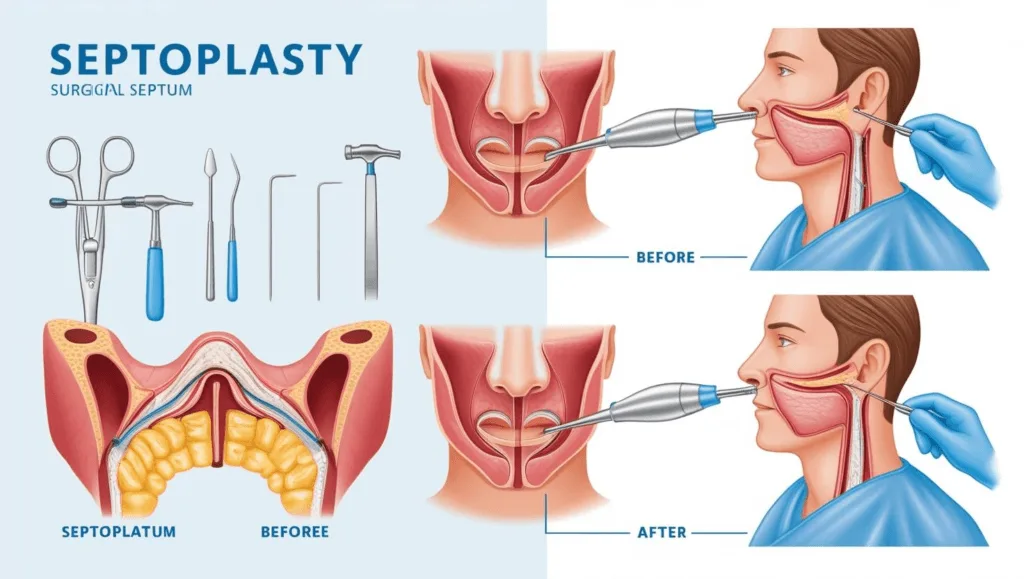
Step 1: Preparation and Anaesthesia

The patient is given general or local anaesthesia so that they are comfortable during the procedure.

Step 2: Accessing the Nasal Septum

A small incision is made in the nostril to access the nasal septum that will not leave visible scars after the incision is made.

Step 3: Elevating the Mucosal Lining

The soft-tissue lining (mucosa) is elevated gently to expose the cartilage and bone underneath.

Step 4: Removing or Reshaping Deviated Structures

The surgeon removes or reshapes portions of the cartilage and bone that are crooked to eliminate the obstruction.

Step 5: Positioning the Septum

The septum is now positioned into a straighter, central position, which improves airflow.

Step 6: Repositioning the Mucosal Lining

The mucosal lining is placed over the nasal septum to promote optimal healing and shield the internal structures.

Step 7: Placing Internal Nasal Packing

Splints or nasal packing are used to support healing and manage bleeding. Some packing materials dissolve on their own, while others need to be removed later during a follow-up visit.

Step 8: Recovering from the Procedure

The patient will remain under supervision until they fully recover. Most patients go home the same day unless packing removal is necessary for overnight observation.

Step 9: Post-operative Instructions

The discharge instructions include care of the nose, medications, and follow-up appointments to provide for a smooth recovery.

Why Choose Us for Septoplasty Treatment in Dwarka, Delhi?

At our ENT department, septoplasty isn’t just a surgical procedure, it’s a comprehensive journey to help you or your loved ones breathe freely and live better. Whether you’re suffering from chronic nasal blockage, snoring, frequent nosebleeds, or sinus infections due to a deviated septum, our facility offers safe, expert-guided correction using evidence-based practices and the latest medical advancements.

Here’s why patients and families choose septoplasty at Ayushman Hospital and Health Services:

  • Expert ENT Surgeons with Proven Track Records
  • Advanced Diagnostic & Surgical Technology
  • Comprehensive ENT & Airway Team
  • Full Spectrum of Care – From Consultation to Recovery
  • Patient Safety & Comfort First

Book Your Septoplasty Consultation Today

Have your symptoms worsened, with nasal blockage affecting breathing, sleeping, or overall quality of life? Trust Ayushman’s septoplasty surgery to help yourself and your loved ones. Don’t wait any longer to breathe better. Call or book your septoplasty consultation online today.
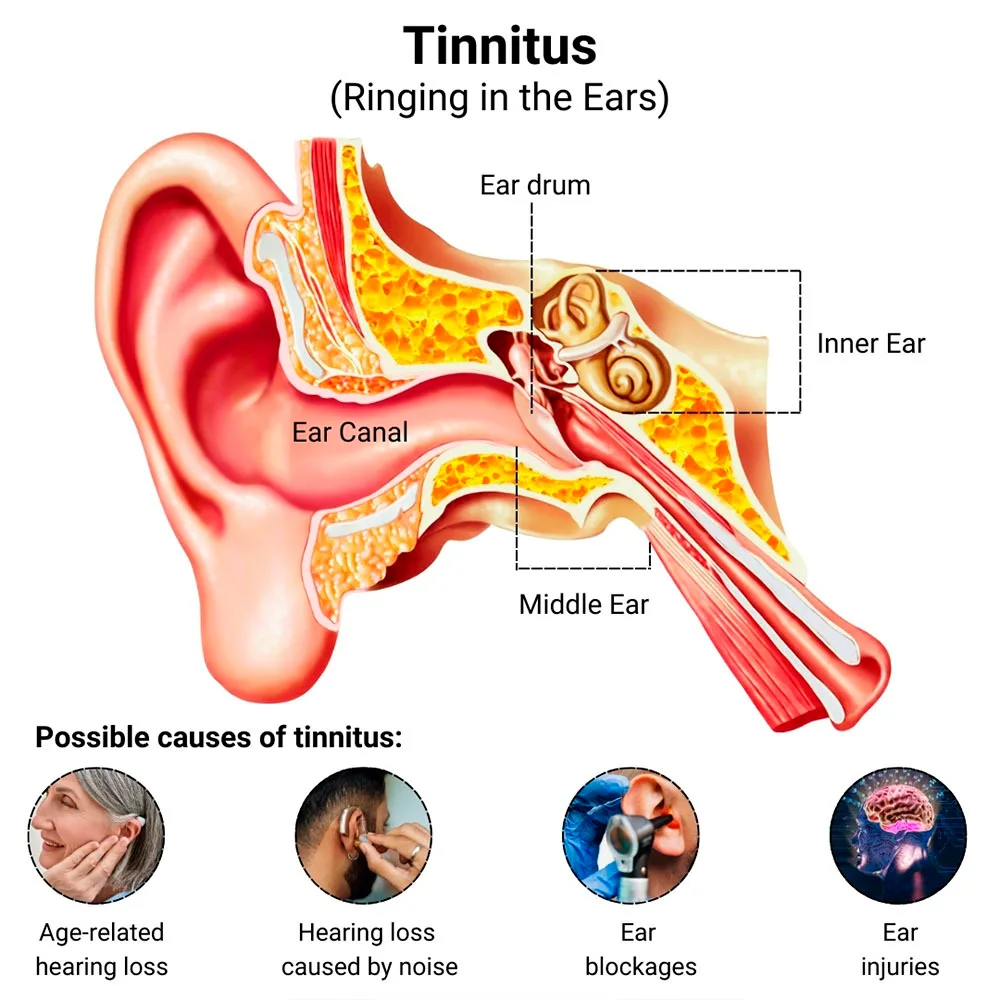
Tinnitus is a medical condition in which one experiences a perception of sound in the ears or head when, in actuality, no external sound is present. While not a disease, it is a symptom of an underlying issue in the ear, the brain, or the auditory system. Patients describe tinnitus as a ringing, buzzing, or humming sound, like a bothersome noise that impacts concentration, well-being, and sleep.

Choose Tinnitus treatment at Dwarka, Delhi, at Ayushman Hospital and Health Services for the most reliable tinnitus treatment in the city. At Ayushman, we bring you the most specialized ENT department in coordination with audiologists, therapists, and neurologists to help manage and lessen the impact of tinnitus.

Who Is Affected by Tinnitus?

  • Hearing loss, like tinnitus, can affect older people, especially those aged 60 and above.
  • People are exposed to continuous loud noise while involved in construction, the music industry, or the military.
  • Patients with hypertension, diabetes, thyroid disorders, or autoimmune diseases.
  • People experiencing high levels of stress, anxiety, or sleep deprivation.
  • People with hearing loss may also experience tinnitus.
  • Children with congenital or acquired hearing loss.
  • People with habits like smoking cigarettes and drinking alcohol are more prone to tinnitus.

Tinnitus Treatment and Management

Though no cure is available to treat tinnitus, the management of tinnitus can be done in several ways. Tinnitus can cause mild annoyance occasionally and can also become chronic and affect sleep, focus, and emotional well-being.

There are quite a few treatment ways for better tinnitus management:

1.Identifying the Root Cause

Treating tinnitus requires inquiring about its causes to identify issues such as earwax impaction or ear infections. Tinnitus will probably lessen or disappear in these situations.

  1. Sound Therapy

External sounds, such as white noise, help mask tinnitus. Wearable sound generators and combination devices further aid in distraction and relaxation from tinnitus-irritating noises.

  1. Hearing Aids

Hearing aids make tinnitus a little harder to hear. Hearing aids improve people’s ability to communicate with others and also include maskers for additional benefit when hearing loss is present.

  1. Cognitive-Behavioral Therapy (CBT)

The objective of CBT is to help patients divert their thoughts away from tinnitus sounds. CBT aids in desensitization to tinnitus sounds, while cognitive rationalization is accepted. This way, anxiety and stress related to tinnitus are decreased.

  1. Medications

Medications are prescribed to promote sleep when tinnitus is anxiously bothering a person. Suggestions to avoid caffeine and nicotine also help control symptoms and manage tinnitus.

Key Measures to Prevent Tinnitus

  • Lower Device Volume: To prevent tinnitus, it’s better to keep headphone or earbud volumes low to avoid inner ear damage.
  • Use Ear Protection: Earplugs and earmuffs at noisy concerts or construction sites help protect from tinnitus.
  • Control Underlying Health Issues: Managing health conditions like blood pressure, diabetes, and cardiovascular disease helps minimize the risk of tinnitus and other hearing issues.
  • Practice Relaxation Techniques: Relaxation techniques such as yoga, meditation, and deep breathing reduce stress and treat tinnitus.

Why Choose Ayushman Hospital and Health Services for Tinnitus Treatment in Dwarka, Delhi?

At Ayushman Hospital and Health Services, we provide the most trusted tinnitus treatment in Dwarka, Delhi. We have a team of expert ENT specialists, audiologists, neurologists, and behavioral therapists to treat patients with tinnitus, in whichever state they are, whether it’s mild, chronic, or severe. At Ayushman, we have:

  • Expert team of experienced ENT and audiology specialists
  • Advanced diagnostics, including MRI and audiometry
  • Comprehensive therapy, including TRT and CBT
  • Holistic care, including stress management and diet
  • Specialized treatment for chronic, complex tinnitus cases
  • A focus on patient care to support daily wellness

Book Your Tinnitus Consultation Today and Get Relief!

Are you done with ringing, buzzing, or hissing noise in your ears? At Ayushman Hospital and Health Services, we help you regain peace and focus with evidence-based, multidisciplinary treatment and management of tinnitus. Book your appointment today and consult with our ENT and audiology experts in Dwarka, Delhi.

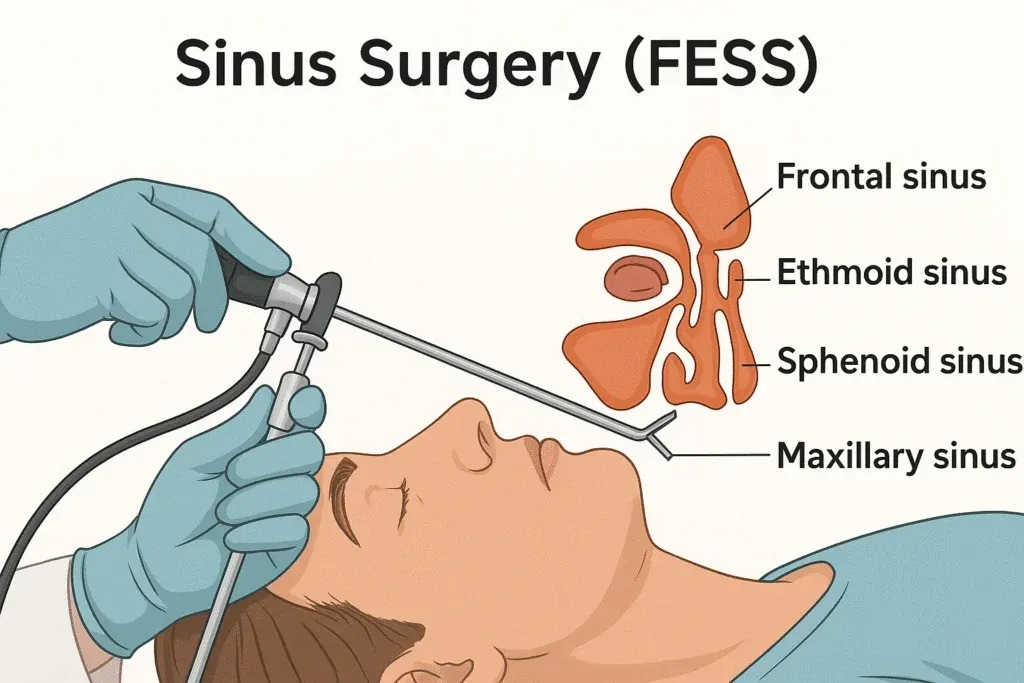
Sinus Surgery, also called Functional Endoscopic Sinus Surgery (FESS), is a surgical treatment performed to treat chronic sinusitis by removing blockages to improve drainage and airflow through the nasal passages. Sinuses are air-filled cavities around the nose and eyes, and when they become inflamed or blocked, a condition called sinusitis occurs.

Choose Sinus Surgery and Treatment in Dwarka, Delhi, from Ayushman Hospital and Health Services. Sinus surgery involves delicate structures near the eyes, brain, and major blood vessels. It’s extremely important to choose a trustworthy ENT clinic and hospital for sinus surgery. 

Ayushman Hospital and Health Services is the best choice for sinus treatment, as we have a strong team of expert ENT specialists, Otolaryngologists, and Rhinologists specialized in treating various nasal and sinus conditions.

What Is Functional Endoscopic Sinus Surgery (FESS)?

Sinuses can cause facial pain, congestion, and headaches. While many cases improve with medication, surgery is needed in cases of persistent symptoms or complications due to sinus issues.

Functional Endoscopic Sinus Surgery (FESS) is a minimally invasive procedure used to treat chronic sinusitis. With no external incisions, the surgeon accesses the sinuses through the nostrils and removes polyps, scar tissue, or inflamed tissue, or treats structural problems using medically approved clinical tools.

Who Needs Sinus Surgery?

Sinus surgery is typically recommended for individuals with chronic sinusitis symptoms that do not improve with antibiotics or steroid treatments. Anyone with structural nasal issues, such as a deviated septum or fungal sinus infection, may need sinus surgery. Sinus surgery benefits people experiencing persistent nasal congestion, thick discharge, facial pain, or a reduced sense of smell and taste.

Sinus Surgery Procedure

Step 1: Anesthesia

The sinus operation begins with administering general anesthesia so that the patient experiences no pain or discomfort.

Step 2: Endoscope Placement

A thin, flexible nasal endoscope is carefully inserted through the nostrils into the sinus cavities. The surgeon visualizes the nasal and sinus passages at magnification.

Step 3: Removal of Obstructions

To remove nasal obstructions (polyps, scar tissue, or a deviated septum), the surgeon carefully excises the obstructions using endoscopic tools to relieve pressure and promote good airflow.

Step 4: Balloon Dilation and Packing

In certain cases, a small balloon may be inflated to widen the sinus openings. Absorbable packing materials, like Surgiflo, may be placed to control bleeding.

Recovery and Aftercare of Sinus Surgery

Patients can expect some fatigue and mild bleeding for up to two weeks, with complete healing taking 4 to 8 weeks post-sinus surgery. Postoperative care includes regular saline spray use during recovery, while nasal irrigation should be started twice daily after packing removal. Patients should also avoid blowing their nose, engaging in strenuous activity, and using over-the-counter NSAIDs unless prescribed.

Why Choose Ayushman Hospital and Health Services for Sinus Surgery & Treatment in Dwarka, Delhi?

Functional Endoscopic Sinus Surgery (FESS) is an intricate procedure that can be effectively performed by ENT specialists with appropriate training and enhanced postoperative care. Ayushman Hospital and Health Services offers reliable Sinus Surgery and Treatment in Dwarka, Delhi. We have professional staff and equipment, so we can tailor the level of attention needed to provide you with the best long-term management of chronic sinusitis, nasal polyps, and other conditions related to a deviated septum.

Here’s why Ayushman Hospital is the preferred choice for sinus surgery for many:

  • Expert ENT surgeons for FESS, balloon sinuplasty, and septoplasty.
  • Advanced surgical setup with high-definition endoscopes and imaging tools.
  • Comprehensive diagnostics using CT scans and nasal endoscopy.
  • End-to-end care from consultation to post-surgery recovery.
  • Minimally invasive sinus surgery with quick, low-risk recovery.

Book Your Consultation Today

Don’t let sinus symptoms interfere with your life: Trust Ayushman Hospital and Health Services in Dwarka, Delhi, for your ENT needs. Get the appropriate treatment as soon as possible, and we can help you with long-term relief. Call now to consult or schedule your Sinus Surgery. Please consult with one of our experienced ENT doctors, and breathe easier, sooner.

Osteoporosis is a long-term, degenerative disorder that leads to reduced bone strength and density, making fractures more likely. Often referred to as a silent disease, a sudden breakage or collapse for people with osteoporosis can result in broken bones in the hip, wrist, or spine. Bone is a dynamic, living tissue, and osteoporosis develops when the body loses old bone faster than it can replace it.

Choose osteoporosis treatment in Dwarka, Delhi, from Ayushman Hospital and Health Services. At Ayushman, you can find precise diagnostics and personalized care from top-class orthopedists or endocrinologists.

Who Is Affected by Osteoporosis?

Women are mostly affected by osteoporosis; however, it can also affect older, postmenopausal women and even men over 70. People with a family history, bone disorders, or certain medical conditions also face a risk of osteoporosis. When bones lose strength, even everyday movements like bending, lifting, or coughing can lead to unexpected fractures.

Early Signs and Symptoms of Osteoporosis

Though a silent condition, osteoporosis can have some subtle and advanced signs:

  • Back pain is often associated with compression fractures in the spine.
  • Height loss over time may indicate the collapse of vertebral bones.
  • Stooped posture, or a hunchback, is likely due to multiple vertebral fractures.
  • Fractures that occur after simply falling, bending, or even coughing are a sign to see a doctor.
  • Fragile nails and a reduced grip strength may be signs of decreased bone density.
  • Receding gums can be a sign of deterioration in the jawbone.

What Is Osteoporosis Treatment?

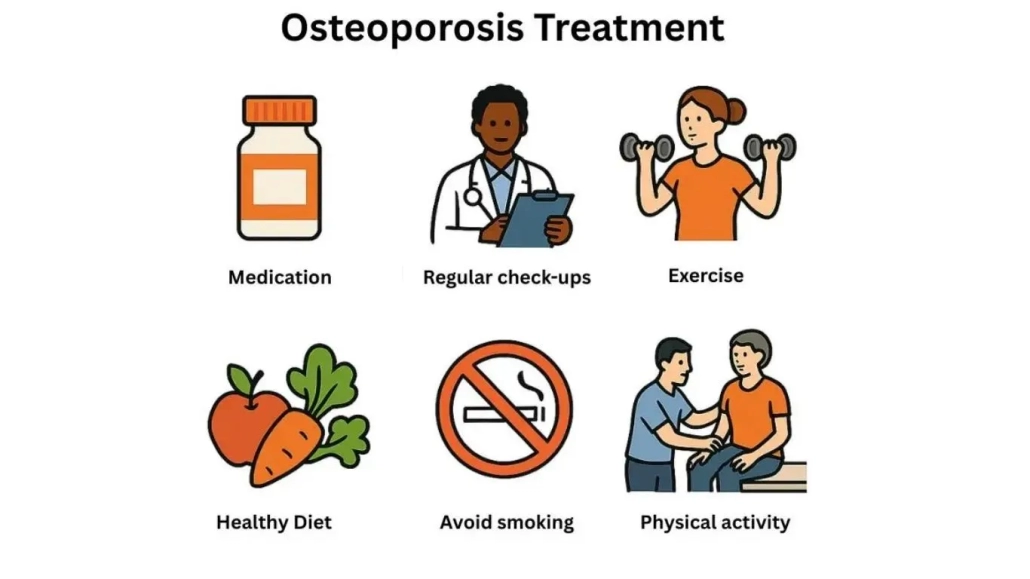
While osteoporosis cannot be cured, it can be maintained and managed in several ways. The treatment of osteoporosis can help:

  • Reduce or stop bone loss
  • Gain new bone mass when possible
  • Prevent fractures
  • Manage pain and maintain mobility

Treatment Options for Managing Osteoporosis

Treatment Options for Managing Osteoporosis

  1. Lifestyle Modifications

Lifestyle changes, such as eating a calcium-enriched diet, consuming leafy greens, and ensuring sufficient vitamin D intake, along with resistance training, can enhance bone strength.

  1.   Supplements

Taking adequate amounts of recommended supplements, such as calcium and vitamin D, can help maintain bone mineralization and calcium absorption.

  1.   Medications

Medications can halt bone loss. Alendronate and zoledronic acid also help to slow bone breakdown. Hormone therapies help postmenopausal women maintain bone density.

  1.   Physical Therapy

Physical therapy is a non-invasive approach that helps enhance musculoskeletal strength, coordination, and overall physical function. Several techniques, such as resistance-band or balance-board routines, are used for supervised movement.

  1.   Surgical Interventions

Surgery or surgical interventions can be done in cases of severe fractures or spinal deformities due to osteoporosis. Hip replacement in older patients with hip fractures or spinal fusion to treat vertebral fractures is performed by skilled orthopedic surgeons to improve the quality of life in patients with osteoporosis.

Why Choose Ayushman for Advanced Osteoporosis Diagnosis & Treatment in Dwarka, Delhi?

Are you at risk for bone loss or fractures? If you have been diagnosed with osteoporosis, it is important to consult a trusted orthopedic and metabolic bone health center. Ayushman Hospital and Health Services provides the best-in-class osteoporosis treatment in Dwarka, Delhi. Here’s why you should choose us:

  • Expert bone health specialists
  • In-house DXA & imaging
  • 24/7 fracture care access
  • Complete lifestyle-based plans
  • Fall prevention & rehab support
  • Minimally invasive spine procedures

Book Your Consultation with Expert Endocrinologists and Orthopedic Specialists Now!

Is someone you know suffering from osteoporosis symptoms like back pain, height loss, or fractures from minor falls? At Ayushman Hospital and Health Services, we offer expert osteoporosis diagnosis and care, with a range of treatment options, from physical therapy to advanced surgical treatments. Book your consultation today and take the first step toward stronger bones and a healthier life.

Thyroid disorders include a range of health issues that impair the gland’s ability to regulate hormones. The thyroid gland is located below Adam’s apple, at the front of the neck. The gland produces important hormones in our body for vital functions such as metabolism, heart rate, body temperature, etc. Thyroid disorders involve either hypothyroidism, where hormone production is too low, or hyperthyroidism, where the gland produces an excessive amount of hormones.

Treatment of thyroid disease is essential to restore hormone balance, prevent complications, and improve overall health. Choose Thyroid Disorder Treatment at Ayushman Hospital and Health Services in Dwarka, Delhi. At Ayushman, you get the most personalized, precise, and advanced medical plan.

What is a Thyroid Disorder?

A thyroid disorder is a condition in which the thyroid gland is unable to produce the correct amount of hormones. Malfunctions in the thyroid gland disrupt endocrine function, affecting almost every organ system.

Types of Thyroid Disorders

  • Hypothyroidism

Hypothyroidism occurs when the thyroid gland fails to produce sufficient hormones, leading to slowed metabolism. This causes fatigue, weight gain, depression, constipation, dry skin, sensitivity to cold, a slowed heart rate, and more

  • Hyperthyroidism

Hyperthyroidism happens when the thyroid gland produces too much hormone, leading to an accelerated metabolism and causing the body to function faster than normal. It causes weight loss, rapid or irregular heartbeat, anxiety, insomnia, sweating, hand tremors, heat intolerance, and more.

  • Goiter

A goiter is an enlarged thyroid gland that results in noticeable swelling at the front of the neck. It causes problems like neck tightness, hoarseness, difficulty swallowing, or even breathing issues.

  • Thyroid Nodules

Thyroid nodules are lumps or abnormal growths within the thyroid gland. Larger nodules cause trouble swallowing or breathing. Surgical removal may be required depending on the size or growth rate of the thyroid nodule.

  • Thyroiditis

Thyroiditis is a condition characterized by fluctuations in thyroid hormone levels due to inflammation of the thyroid gland. It may cause high hormone levels first, then low levels later. Types include Hashimoto’s, subacute, and postpartum thyroiditis.

  • Thyroid Cancer

Thyroid cancer involves the unchecked growth of irregular cells or nodules in the thyroid gland. It causes voice changes, trouble swallowing, or swollen lymph nodes. Treatment of thyroid cancer includes surgery, radioactive iodine, and hormone therapy.

Treatment Options for Thyroid Disorders

Thyroid disorder treatment depends on the type of problem. For hypothyroidism, doctors usually prescribe daily thyroid hormone pills, such as levothyroxine. Hyperthyroidism can be treated with medicines, radioactive iodine, or sometimes surgery. Sometimes beta-blockers may be used for a fast heart rate, shaking, or anxiety. Goiters and thyroid nodules can be simply monitored; if they grow or cause a problem, they may need other treatments or surgery. 

Most thyroid cancers will be treated with medicine and surgery, and may also receive radioactive iodine therapy or other treatment as needed. Follow-up visits with blood tests help manage treatment and hormone levels, and assess when adjustments might be needed.

Why Choose Ayushman for Thyroid Disorder Treatment in Dwarka, Delhi?

We know that thyroid disease is a complex issue and requires highly specialized, multidisciplinary hospital care. Hormonal imbalances can affect multiple organs. At Ayushman Hospital & Health Services, we provide advanced Thyroid Disorder Treatment at Dwarka, Delhi, including treatment for multiple thyroid disorders.

Here’s why Ayushman stands out for thyroid care:

  • Trained and experienced endocrinologists
  • State-of-the-art diagnostic tools to accurately diagnose the disease
  • Personalized plans for surgery, medications, and hormone therapy
  • Integrated multidisciplinary thyroid team and critical care team
  • Advanced treatment of thyroid cancers
  • Personalized follow-up care

Book a Consultation for Expert Thyroid Treatment

Are you noticing signs like fatigue, weight changes, depression, or anxiety? It could be a thyroid issue. Contact the best experts in thyroid care at Ayushman today. Book your appointment at Ayushman Hospital & Health Services, Dwarka, one of the best in thyroid care.

Hypertension, or high blood pressure, is a condition in which the force of blood against the arterial walls is too high over an extended period. In response, the heart has to work harder to pump blood. Hypertension can lead to serious health issues, such as stroke, heart attack, heart failure, and kidney failure. An optimal blood pressure reading is generally below 120/80 mm Hg, while readings above 130/80 mm Hg signal that blood pressure is high.

While often a silent occurrence, high blood pressure can cause long-term organ damage, heart disease, kidney damage, stroke, and vascular dementia if left untreated. We suggest you choose advanced hypertension treatment at Ayushman Hospital and Health Services in Dwarka, Delhi, for the most trusted treatment near you. Ayushman brings you the most reliable, personalized treatment plan with an expert-led medical team for your hypertension.

Causes of Hypertension

  • Genetics and family history
  • Unhealthy lifestyle habits
  • Obesity
  • Extreme stress levels
  • Smoking and alcohol abuse
  • Kidney disease
  • Thyroid disorders
  • Sleep apnea
  • Medications
  • Illegal drugs

What Happens If Hypertension Is Left Untreated?

Untreated hypertension can cause serious issues, such as:

  • Damage to arteries: Chronic high pressure limits and weakens arteries, decreasing blood flow.
  • Stress on the heart: High blood pressure makes the heart work harder to pump blood, increasing its workload.
  • Stress on the kidneys: High pressure can damage small blood vessels, and over time, this can lead to chronic kidney disease.
  • Stress on the brain: The developed high pressure increases the risk for strokes, aneurysms, and decreased cognition over time.

Treatment Options for High Blood Pressure

  • Lifestyle Changes

Lifestyle changes can form the foundation of hypertension management. Limiting processed foods and engaging in 150 minutes of weekly exercise, including cardio and strength training, can help manage heart health. Try sleeping 7-9 hours and practicing meditation for even better results.

  • Medications for Hypertension

Medications help regulate blood pressure. Diuretics, ACE inhibitors, and ARBs relax blood vessels but should only be consumed on the prescription of a doctor. Choosing the right medication helps manage hypertension.

  • Regular Monitoring and Follow-ups

Hypertension treatment requires blood pressure monitoring using devices like upper arm cuffs for the most accurate readings. Consistent follow-ups ensure early detection of complications and necessary changes to control blood pressure.

Top Benefits of Effective Hypertension Treatment

  • Significantly lowers the chances of heart attack, stroke, and heart failure.
  • Prevents permanent damage to kidneys, eyes, and other important organs.
  • Decreases the risk of vascular dementia and improves brain health and function.
  • Improves stamina and energy for day-to-day activities and enhances restful sleep.
  • Aids in managing conditions in pregnancy, like preeclampsia and fetal growth.
  • Reduces blood pressure spikes and the chance of a hypertensive emergency or crisis.

Why Choose Ayushman for Hypertension Treatment in Dwarka, Delhi?

Are you facing issues with constant high blood pressure? Don’t let it lead to serious health complications like heart disease, stroke, or kidney failure. At Ayushman Hospital and Health Services, we provide you with advanced hypertension treatment in Dwarka, Delhi. We’re the best choice for your hypertension treatment as we offer:

  • Expert cardiologists and endocrinologists 
  • Individualized treatment plans
  • State-of-the-art diagnostics
  • Advanced medication management
  • Monitoring and long-term care

Book a Hypertension Consultation Today With Us!

Are you recently diagnosed with Stage 1 hypertension, or are you at risk of hypertension due to family history or obesity? Are you dealing with complicated hypertension cases, like idiopathic intracranial hypertension or orthostatic hypertension? Please pick up your phone and consult us at Ayushman, a place for expert, complete hypertension care.

Diabetes is a chronic disease that affects how the body converts food into energy. The body breaks down most of its food into sugar (glucose) and releases glucose into the bloodstream. When blood sugar levels increase, pancreatic beta cells release insulin, which enters cells to support energy expenditure. In diabetes, this process doesn’t work properly. Either the body doesn’t make enough insulin, or it can’t use it effectively, leading to a buildup of sugar in the blood.

Diabetes impacts blood cells and nerves, causing issues like heart disease, stroke, kidney disease, and problems with digestion, sexual function, and bladder control. That’s why treatment of diabetes is essential. We recommend you choose Diabetes Treatment at Ayushman Hospital and Health Services in Dwarka, Delhi, for the right diabetologist and expert, holistic care.

Why Is Treatment of Diabetes Necessary?

People with diabetes of any type need treatment. Type 1 diabetic patients require insulin therapy from the moment of diagnosis. Individuals with Type 2 diabetes require lifestyle changes and oral medications, but may also need insulin dosages. Pregnant women diagnosed with gestational diabetes need to control their diabetes through food and exercise.

Early detection of diabetes treatment is necessary because:

  • Treatment prevents or delays major complications such as heart disease, kidney disease, and loss of vision.
  • Treatment at the right time helps maintain energy levels and overall health.
  • It prevents emergency care for extremely high or low blood glucose.
  • It increases life expectancy and decreases the costs of long-term health care.

Types of Diabetes

  • Type 1 Diabetes: Type 1 diabetes is an autoimmune condition where the body attacks its own insulin-producing cells in the pancreas. People with this type need lifelong insulin therapy for survival. Careful blood sugar monitoring and insulin management are essential every day.
  • Type 2 Diabetes: This form of diabetes occurs when the body either resists the effects of insulin or doesn’t produce enough insulin to maintain normal blood sugar levels. It is the most prevalent type of diabetes. Management typically involves lifestyle changes, such as a healthy diet and regular physical activity, as well as oral medications and, in some cases, insulin therapy.
  • Gestational Diabetes: This type of diabetes develops during pregnancy in women who did not have diabetes before becoming pregnant. This is easily managed with a healthy diet, physical activity, and, at times, insulin. Generally, it resolves after childbirth, but it increases the mother’s risk of getting Type 2 diabetes later.

Ways to Manage Diabetes 

Insulin Therapy:

Essential for Type 1 and advanced Type 2 diabetes, insulin therapy care is usually given as an injection. The method of usage typically depends on the person’s needs with diabetes.

  • Oral Medication for Type 2 Diabetes:

Oral medications, such as metformin and SGLT2 inhibitors, are used to manage glucose production, utilization, or elimination.

  • Other Injectable Medications:

There are injectable medications that are not insulin, such as GLP-1 receptor agonists, that help manage sugar spikes.

  • Lifestyle Interventions:

Managing diet, exercise, stress, and sleep hygiene forms the foundation of sustainable diabetes management.

  • Advanced Therapies:

In some cases, patients with uncontrolled diabetes or complex diabetes can be treated with advanced forms of therapies, such as bariatric surgery and pancreatic islet transplants.

Why Choose Ayushman for Expert Diabetes Treatment in Dwarka, Delhi?

Diabetes management is more than medicine; it requires continuous monitoring and expert direction assisted by personalized care. Whether you have Type 1, Type 2, gestational diabetes, or prediabetes risk, you need the appropriate care team. You can trust Ayushman Hospital and Health Services with diabetes treatment in Dwarka, Delhi, as one of your recommended care teams. Here’s why:

  • Expert Diabetologists & Endocrinologists
  • Complete Diabetes Management Care
  • Insulin Pumps & CGM Devices
  • Diet & Lifestyle Counseling
  • Emergency & Monitoring Services

Choose Expert Diabetes Care With Us

Whether you’re newly diagnosed or battling uncontrolled sugars, Ayushman’s Endocrinology and Diabetes team is there to help you. We have the latest treatments, whether it’s insulin therapy or a total prediabetes reversal program. Schedule your appointment today to get started with the best Diabetologists in Dwarka, Delhi.

People concentrate only on medical care, healing and positive outcomes when their loved ones need admission to the hospital. Yet one of the most overlooked aspects of healthcare is hospital hygiene and infection control. Hospital-Acquired Infections (HAIs) remain a significant global health issue because they affect millions of patients each year. However, hospitals can stop most of these infections by using correct hygiene and safety practices.

At Ayushman Hospital and Health Services, we follow all the necessary practices required to maintain the cleanliness and sanitisation of our hospital. We understand that it’s not merely a routine practice, but a commitment to excellence in the field of healthcare.

The following blog post presents ten operational methods to maintain clean hospitals while decreasing hospital-acquired infections.

  • Is the Hospital Staff Maintaining Hygiene by Washing or Sanitising Their Hands Regularly? Making hygiene a habit might seem elementary. It’s actually one of the strongest ways to keep infections at bay in a hospital setting. Every member of the hospital team is required to wash or sanitise their hands before stepping into a patient’s room and after leaving it. It’s wise for patients and their families to politely remind the hospital staff to follow this routine.
  • Are Hand Sanitisers Readily Available in the Hospital Premises? Accessibility matters when it comes to the availability of hand sanitisers in the hospital. The hand sanitisers should be readily available to all the patients. The sanitisers should be placed at the hospital entrances, common areas and near the patient beds. The patients and their families should be encouraged to sanitise their hands before and after their hospital visits. The staff should be reminded politely if the dispensers are found empty. Take active part in reducing infections
  • Are the Hospital Premises Cleaned Regularly? A hospital is one place where you get treated for your health issues. However, according to various studies, it is found that hospitals can also be a big source of many dangerous infections as well. The disinfection process should focus on patient rooms and bathrooms together with all high-touch areas, which include bed rails, doorknobs, and lift buttons. The patients and families can ask for cleaning and maintaining patient safety standards, if and when required.
  • Are Proper Precautions Followed for Patients With Contagious Infections? There should be dedicated rooms for patients with contagious infections. No regular visitors should be allowed, and the hospital staff should wear PPE (Personal Protective Equipment) while attending those patients.
  • Are Medical Instruments and Equipment Sterilised After Every Use? In the hospital, strict protocols should be followed when it comes to the sterilisation of the medical instruments and equipment. If any negligence is observed, patients can ask the hospital to abide by the rules.
  • Are Hospital Staff Members Trained Regularly on Hygiene and Safety Protocols? Hospitals need to establish ongoing training programs for their staff members to fight against hospital-acquired infections. The training program teaches staff members about safety protocols, hygiene, sterilisation practices, medication safety and additional medical information.
  • What Rules Does the Hospital Enforce for Visitor Hygiene and Visitation Limits? People who visit hospitals might transmit infectious agents to areas where patients face high risks of infection. Hospitals need to establish specific guidelines which include hand hygiene practices, mask requirements and outbreak-related visit restrictions. Patients and their families need to understand how hospital visitor policies safeguard patients while minimising social separation.
  • What Safety Measures Are Followed for Medical Waste Disposal? Medical facilities need to establish specific waste disposal procedures which protect staff members from accidental exposure to biohazards, contaminated materials and sharp objects. Patients and their families should inquire about waste management procedures to verify both staff and patient safety standards.
  • Does the Hospital Allow Patients and Families to Share Safety Concerns Freely? A hospital with excellent safety culture practices allows patients and their families to share their concerns without any restrictions. Patients have the right to request information about infection control and hygiene practices from hospital staff members.
  •  How Are Hospital Acquired Infections Tracked and Reported? Hospitals should track the infection rates regularly and share the information with the patients and their families. Your request for infection statistics shows your dedication to hospital accountability, which motivates them to keep their standards high.

Hospital hygiene demands more than basic surface cleaning because it serves as a vital practice for saving lives. Hospital patients who bring their family members to the hospital have the right to ask for details about all safety protocols and infection prevention methods. Hospitals which participate in these discussions prove their commitment to open dialogue and their focus on patient care through compassionate service.

The next time you or your loved one visits Ayushman Hospital and Health Services, remember: Your voice matters to us. Your questions will help us in keeping our hospital a place of healing, not harm. 


People usually ignore their health until they experience severe symptoms. Certain diseases enter the body without warning, through silent disease symptoms, which people fail to detect until the condition becomes advanced. Medical professionals refer to these diseases as silent killers. Early detection of silent killer symptoms prevents them from developing into a serious health emergency.

1.Unexplained Fatigue

Feeling wiped out after a day is something most people know too well, but when the heaviness lingers even after a full night’s sleep, it often signals an underlying health problem. That persistent low‑grade exhaustion acts like a killer, quietly building up over time.

What It Could Indicate?

  • Heart Disease: The first signs of heart failure, or coronary artery disease, often include ongoing fatigue which persists. Your heart fails to pump enough blood, which results in insufficient oxygen delivery to your body.
  • Thyroid Disorders: The thyroid gland operates at two extremes, which produce fatigue that lasts for an extended period.
  • Diabetes: Your cells will lose their ability to obtain necessary energy, when blood sugar levels become unstable.

When to Visit the Doctor?

If you’re still exhausted, after two weeks and begin noticing shortness of breath, dizziness, or an odd chest discomfort, you should visit Ayushman Hospital and Health Services immediately. Those signs could be pointing toward a heart attack.

2.Sudden or Severe Headaches

You should never dismiss a headache that starts abruptly and presents differently from your typical headaches. 

What It Could Indicate?

  • Stroke: A person experiencing a sudden, severe headache might be showing early signs of stroke when they also present with blurred vision, confusion and weakness in one side of their body.
  • Hypertension: The dangerous rise of blood pressure produces no warning signs, before it causes severe headaches.
  • Aneurysm: A ruptured blood vessel in the brain can cause the most severe headache a person has ever experienced.

When to Visit the Doctor?

Seek immediate emergency care at Ayushman Hospital and Health Services, if your headache leads to vision problems, speech difficulties or numbness.

3.Shortness of Breath

Breathing difficulties after light physical activity should not occur under normal circumstances. The symptom of breathlessness stands as a vital warning sign, which indicates potential heart or lung problems.

What It Could Indicate?

  • Heart Attack: The first symptoms of a heart attack, or heart disease, include breathlessness, which appears with fatigue, nausea and chest pressure.
  • Lung Diseases: The combination of restricted airflow from lung diseases, such as COPD and asthma, creates breathing difficulties for patients.
  •  Anaemia: It develops when iron deficiency reduces blood oxygen delivery, which results in ongoing breathing difficulties.

When to Visit the Doctor?

Whenever you feel short of breath while simply resting, dozing off or after any simple activity, seek medical attention right away. Those early warning signs shouldn’t be brushed aside, as they can point to health issues that become increasingly hard to detect.

4.Sudden Weight Loss or Gain

Weight changes that occur without any modifications to diet, or exercise patterns need medical evaluation. Weight changes that happen quickly indicate several typical health problems, which may not seem connected at first.

What It Could Indicate?

  • Diabetes or Metabolic Dysfunction: Your body loses weight, because it cannot convert glucose into usable energy.
  • Cancer or Malignancy: The body uses energy to fight abnormal cells, resulting in weight loss during cancer development.
  • Heart Failure or Cardiovascular Issues: The heart’s poor function causes fluid buildup, which results in weight gain.

When to Visit the Doctor?

Your body needs a medical evaluation when you lose or gain more than 5% of your body weight, during a month, without any apparent cause. Your body displays these silent killer symptoms to warn you about potential health issues.

5.Numbness or Weakness

The initial sensation of numbness or tingling in your arms, face, and legs might seem unimportant. These symptoms are red‑flag warnings of a stroke and need medical attention.

What It Could Indicate?

  • Stroke: Blood flow interruption to the brain results in numbness or weakness, which typically affects one side of the body.
  • Diabetic Neuropathy and Nutritional Deficiency: The combination of long-term diabetes, and vitamin deficiency, causes nerve damage.
  • Multiple Sclerosis (MS): It leads to neurological symptoms that cause tingling sensations and muscle weakness, which could signal neurological issues.

When to Visit the Doctor?

Seek immediate medical help when numbness appears, suddenly, together with speech slurring or confusion. Early detection of stroke symptoms leads to the prevention of permanent disability and death.

Other Subtle Yet Dangerous Signals

While the above five symptoms are the most telling, there are other early disease symptoms that shouldn’t be ignored either.

  •  The heart attack signs, or angina symptoms, include persistent chest discomfort.
  •  The symptoms of changes in vision or balance, may indicate common health problems affecting the brain.
  •  Persistent changes in moles that grow, or change shape may be a sign of skin cancer.

The first signs of these silent killers appear in a gentle way, but medical care at the right time stops dangerous health issues from developing.

Why Ignoring These Symptoms Is Dangerous?

The practice of ignoring symptoms leads to worsening of health problems, because it lets them progress without notice. Heart attacks, and strokes develop from initial minor symptoms which people mistake for fatigue, or stress before they become severe.

The Risks of Delay:

  •  The inability to detect heart attack signs, results in enduring heart damage that could end in death.
  • The failure to identify stroke warning signs, at an early stage, leads to permanent brain damage which causes paralysis, and cognitive problems.
  •  The three health conditions, hypertension, diabetes, and thyroid disorders, can harm organs without symptoms until doctors discover them through medical tests.
  • The early detection of these symptoms will provide you with the most effective opportunity to receive proper treatment and achieve recovery.

Understanding How to Stay Ahead of Silent Killers

  •  People should get their blood pressure, cholesterol, and sugar levels checked once per year.
  •  Keep an eye on all body changes, no matter how small they appear to be.
  •  A healthy lifestyle that includes proper nutrition, physical activity, and enough rest time helps prevent various typical health problems.
  •  People should consult healthcare professionals, for medical guidance instead of depending on search engine results, for self-medication.
  •   The ability to identify heart attack signs, and stroke symptoms, becomes essential because time remains the most critical factor.

In Short

Your body sends warning signs, about health problems, when you actively listen to its signals. The symptoms mentioned above serve as warning signs that should not be dismissed as random occurrences.

Your ability to spot symptoms early lets you keep a hold on your health, preventing an emergency from catching you off guard. The warnings your body sends through whispers today will develop into loud cries for assistance tomorrow. Early detection matters because it saves lives, so stay alert and get checked.

Ayushman Hospital and Health Services provides world-class medical care, through dedicated staff who deliver individualized attention to each patient. Serious health problems often begin with early disease symptoms, which become more apparent only when they intensify. Take control of your wellness by scheduling your appointment now!


Top Rheumatologist in Dwarka

If you are experiencing recurring joint pain, stiffness, or unusual tiredness, it may be more than wear and tear or aging. These may be symptoms of an underlying health disorder. The first course of action is to meet with a professional who knows of such conditions. To treat chronic joint and autoimmune conditions properly, finding the best rheumatologist in Dwarka is most important.

What Does a Rheumatologist Do?

Rheumatologists are physicians who specialize in treating diseases that involve the joints, bones, muscles, and immune system. They treat a variety of conditions, including:

  • Rheumatoid arthritis
  • Osteoarthritis
  • Lupus
  • Gout
  • Psoriatic arthritis
  • Ankylosing spondylitis
  • Connective tissue disease

Most of these diseases are chronic and require ongoing medical care. A Dwarka joint specialist can help manage your condition and enhance your quality of life.

Signs You Should See a Rheumatologist

You shouldn’t ignore these signs:

  • Joint pain that persists for more than a few weeks
  • Morning stiffness that persists longer than 30 minutes
  • Swelling, redness, or heat in joints
  • Fatigue, fever, or unexplained weight loss
  • Rashes or skin alterations with joint pain

These signs can indicate autoimmune conditions or connective tissue disease in Dwarka patients, and early detection prevents severe complications.

Understanding Connective Tissue Disease

Connective tissue diseases are a collection of conditions in which the immune system of the body turns against its tissues. They involve skin, muscles, joints, and internal organs. The most common ones are:

  • Lupus (SLE)
  • Scleroderma
  • Dermatomyositis
  • Mixed connective tissue disease (MCTD)

In case you are having several signs and symptoms across different parts of the body, you might need to see a specialist who is an expert in diagnosing and treating such complicated diseases.

Why Ayushman Hospital Dwarka?

When quality health care is concerned, Ayushman Hospital Dwarka is a reliable institution for rheumatology. Their professional team of specialists is capable of treating an extensive range of joint and autoimmune disorders.

What makes Ayushman Hospital the ideal option?

  • Expert access to the best rheumatologist in Dwarka with years of experience
  • Total care under one roof, from diagnosis to physiotherapy
  • Sophisticated lab tests and imaging for early and precise detection
  • Individualized treatment plans tailored to your condition and lifestyle
  • State-of-the-art facilities and patient-centric staff

You may have a minor joint problem or a serious connective tissue disease. Ayushman Hospital offers reliable care and continued support to get you feeling your best.

Advantages of Early Treatment

Receiving medical assistance early has numerous advantages:

  • Prevents permanent damage to the joints
  • Decreases pain and inflammation
  • Maintains mobility and independence
  • Regulates autoimmune activity
  • Enhances daily comfort and overall well-being

Seeking advice from a Dwarka joint specialist at the right moment can alter the direction of your disease and enable you to have a more active lifestyle.

Final Thoughts

Autoimmune diseases and joint pain are not something you can self-medicate or ignore. Whether you are struggling with a particular problem, such as arthritis, or are suffering from a connective tissue disease in Dwarka, seeking professional assistance from the best rheumatologist in Dwarka is the best step towards recovery.

Ayushman Hospital Dwarka provides personalized, empathetic care to guide you towards living better, moving easier, and taking control of your well-being.

FAQs


  1. How is a general physician different from a rheumatologist?
    A general physician can handle common symptoms, but a rheumatologist is an expert in long-term joint and autoimmune diseases that require long-term treatment and extensive investigations.
  2. Are connective tissue diseases curable?
    There is no definitive cure for most connective tissue disorders, but with early diagnosis and frequent treatment, symptoms can be controlled and life expectancy enhanced.
  3. How frequently should I see a rheumatologist?
    This will vary with your condition. Some patients require monthly visits, while others might require check-ups every 3–6 months. Your physician will design a schedule for your requirements.
  4. Is joint pain always due to arthritis?
    Not necessarily. Joint pain may be caused by injury, infections, or autoimmune disorders. A specialist in the Dwarka joint can perform tests to identify the actual cause.
  5. Is there lab testing and imaging available for diagnosis at Ayushman Hospital?
    Yes, Ayushman Hospital Dwarka has complete lab facilities, X-ray, and MRI facilities for proper diagnosis and treatment planning.