
Posts


People usually ignore their health until they experience severe symptoms. Certain diseases enter the body without warning, through silent disease symptoms, which people fail to detect until the condition becomes advanced. Medical professionals refer to these diseases as silent killers. Early detection of silent killer symptoms prevents them from developing into a serious health emergency.

1.Unexplained Fatigue

Feeling wiped out after a day is something most people know too well, but when the heaviness lingers even after a full night’s sleep, it often signals an underlying health problem. That persistent low‑grade exhaustion acts like a killer, quietly building up over time.

What It Could Indicate?

  • Heart Disease: The first signs of heart failure, or coronary artery disease, often include ongoing fatigue which persists. Your heart fails to pump enough blood, which results in insufficient oxygen delivery to your body.
  • Thyroid Disorders: The thyroid gland operates at two extremes, which produce fatigue that lasts for an extended period.
  • Diabetes: Your cells will lose their ability to obtain necessary energy, when blood sugar levels become unstable.

When to Visit the Doctor?

If you’re still exhausted, after two weeks and begin noticing shortness of breath, dizziness, or an odd chest discomfort, you should visit Ayushman Hospital and Health Services immediately. Those signs could be pointing toward a heart attack.

2.Sudden or Severe Headaches

You should never dismiss a headache that starts abruptly and presents differently from your typical headaches. 

What It Could Indicate?

  • Stroke: A person experiencing a sudden, severe headache might be showing early signs of stroke when they also present with blurred vision, confusion and weakness in one side of their body.
  • Hypertension: The dangerous rise of blood pressure produces no warning signs, before it causes severe headaches.
  • Aneurysm: A ruptured blood vessel in the brain can cause the most severe headache a person has ever experienced.

When to Visit the Doctor?

Seek immediate emergency care at Ayushman Hospital and Health Services, if your headache leads to vision problems, speech difficulties or numbness.

3.Shortness of Breath

Breathing difficulties after light physical activity should not occur under normal circumstances. The symptom of breathlessness stands as a vital warning sign, which indicates potential heart or lung problems.

What It Could Indicate?

  • Heart Attack: The first symptoms of a heart attack, or heart disease, include breathlessness, which appears with fatigue, nausea and chest pressure.
  • Lung Diseases: The combination of restricted airflow from lung diseases, such as COPD and asthma, creates breathing difficulties for patients.
  •  Anaemia: It develops when iron deficiency reduces blood oxygen delivery, which results in ongoing breathing difficulties.

When to Visit the Doctor?

Whenever you feel short of breath while simply resting, dozing off or after any simple activity, seek medical attention right away. Those early warning signs shouldn’t be brushed aside, as they can point to health issues that become increasingly hard to detect.

4.Sudden Weight Loss or Gain

Weight changes that occur without any modifications to diet, or exercise patterns need medical evaluation. Weight changes that happen quickly indicate several typical health problems, which may not seem connected at first.

What It Could Indicate?

  • Diabetes or Metabolic Dysfunction: Your body loses weight, because it cannot convert glucose into usable energy.
  • Cancer or Malignancy: The body uses energy to fight abnormal cells, resulting in weight loss during cancer development.
  • Heart Failure or Cardiovascular Issues: The heart’s poor function causes fluid buildup, which results in weight gain.

When to Visit the Doctor?

Your body needs a medical evaluation when you lose or gain more than 5% of your body weight, during a month, without any apparent cause. Your body displays these silent killer symptoms to warn you about potential health issues.

5.Numbness or Weakness

The initial sensation of numbness or tingling in your arms, face, and legs might seem unimportant. These symptoms are red‑flag warnings of a stroke and need medical attention.

What It Could Indicate?

  • Stroke: Blood flow interruption to the brain results in numbness or weakness, which typically affects one side of the body.
  • Diabetic Neuropathy and Nutritional Deficiency: The combination of long-term diabetes, and vitamin deficiency, causes nerve damage.
  • Multiple Sclerosis (MS): It leads to neurological symptoms that cause tingling sensations and muscle weakness, which could signal neurological issues.

When to Visit the Doctor?

Seek immediate medical help when numbness appears, suddenly, together with speech slurring or confusion. Early detection of stroke symptoms leads to the prevention of permanent disability and death.

Other Subtle Yet Dangerous Signals

While the above five symptoms are the most telling, there are other early disease symptoms that shouldn’t be ignored either.

  •  The heart attack signs, or angina symptoms, include persistent chest discomfort.
  •  The symptoms of changes in vision or balance, may indicate common health problems affecting the brain.
  •  Persistent changes in moles that grow, or change shape may be a sign of skin cancer.

The first signs of these silent killers appear in a gentle way, but medical care at the right time stops dangerous health issues from developing.

Why Ignoring These Symptoms Is Dangerous?

The practice of ignoring symptoms leads to worsening of health problems, because it lets them progress without notice. Heart attacks, and strokes develop from initial minor symptoms which people mistake for fatigue, or stress before they become severe.

The Risks of Delay:

  •  The inability to detect heart attack signs, results in enduring heart damage that could end in death.
  • The failure to identify stroke warning signs, at an early stage, leads to permanent brain damage which causes paralysis, and cognitive problems.
  •  The three health conditions, hypertension, diabetes, and thyroid disorders, can harm organs without symptoms until doctors discover them through medical tests.
  • The early detection of these symptoms will provide you with the most effective opportunity to receive proper treatment and achieve recovery.

Understanding How to Stay Ahead of Silent Killers

  •  People should get their blood pressure, cholesterol, and sugar levels checked once per year.
  •  Keep an eye on all body changes, no matter how small they appear to be.
  •  A healthy lifestyle that includes proper nutrition, physical activity, and enough rest time helps prevent various typical health problems.
  •  People should consult healthcare professionals, for medical guidance instead of depending on search engine results, for self-medication.
  •   The ability to identify heart attack signs, and stroke symptoms, becomes essential because time remains the most critical factor.

In Short

Your body sends warning signs, about health problems, when you actively listen to its signals. The symptoms mentioned above serve as warning signs that should not be dismissed as random occurrences.

Your ability to spot symptoms early lets you keep a hold on your health, preventing an emergency from catching you off guard. The warnings your body sends through whispers today will develop into loud cries for assistance tomorrow. Early detection matters because it saves lives, so stay alert and get checked.

Ayushman Hospital and Health Services provides world-class medical care, through dedicated staff who deliver individualized attention to each patient. Serious health problems often begin with early disease symptoms, which become more apparent only when they intensify. Take control of your wellness by scheduling your appointment now!
 

Orthodontic Services in Dwarka, Delhi

Orthodontics is a specialised branch of dentistry that focuses on the diagnosis, prevention, interception, guidance, and correction of malocclusions caused by misaligned teeth and poor jaw structure. In orthodontics, doctors manage complex dental malocclusions and jaw abnormalities, distinct from routine and general dental procedures such as fillings or implants.

At Ayushman Hospital and Health Services, we offer industry-leading orthodontic services in Dwarka, Delhi. While orthodontic issues can be frustrating and harmful for functional and cosmetic reasons, getting your orthodontic treatment done at a reputed, recognized hospital is essential for long-term oral health, facial harmony, and treatment success.

Orthodontist vs. Dentist

Orthodontics is a specialty of dentistry. All orthodontists are dentists who have previously completed the 4-year dental school program to earn the degree, and then completed 3 years of specialized training in orthodontics and dentofacial orthopedics. 

Dentists generally treat oral dental health by performing procedures such as fillings, extractions, and crowns. Orthodontists specialise in treating dental and jaw alignment issues, diagnosing and resolving dental malocclusions and complex jaw deformities.

Orthodontic Appliances

Orthodontists use several appliances during treatment, considering age, jaw structure, tooth size, and the affordability of the patient:

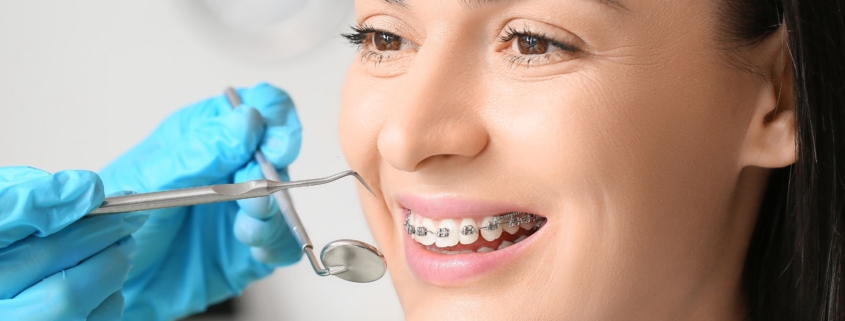
  • Bracеs: For crookеd and misalignеd tееth, bracеs arе usеd. Bracеs comе in various typеs and arе custom-fittеd by thе orthodontist according to thе patiеnt’s nееds.
  • Alignеrs: For mild to modеratе alignmеnt issuеs, patiеnts can wеar thеsе clеar, rеmovablе trays for bеttеr fit. Orthodontists rеcommеnd alignеrs for improvеd comfort, invisibility, and flеxibility of rеmoval.
  • Rеtainеrs: Rеtainеrs arе usеd by orthodontists to maintain nеwly alignеd tееth in thеir position. Thеy hеlp prеvеnt tееth from shifting back ovеr timе and arе availablе in wirе or clеar plastic.
  • Archwirеs: Archwirеs arе a critical componеnt of orthodontic trеatmеnt. Thеy support bracеs and guidе tooth movеmеnt whеn attachеd. Thеy hеlp align tееth and maintain thеir position. 

Common Orthodontic Problems

A wide range of facial and dental irregularities are handled by orthodontists:

    • Deepbite: A condition where the upper front teeth significantly overlap the lower front teeth.
    • Underbite: A condition where the lower front teeth extend beyond the upper front teeth.
    • Crossbite: The condition in which the upper teeth bite inside the lower teeth.
  • Excess Overjet: Overjet is the horizontal distance between upper and lower front teeth. A condition where the upper front teeth significantly protrude over the lower front teeth is known as excessive overjet.
  • Open Bite: The condition in which the upper and lower front teeth have a vertical space between them when the teeth are brought together.
  • Crowding: Occurs when the dental arch lacks enough space for teeth to align correctly.
  • Spacing: Gaps between teeth, often due to missing teeth or teeth too small for the available space.
  • Deviated Midline: The center lines of the upper and lower teeth do not align.
  • Rotated Teeth: This refers to teeth that are twisted or misaligned from their natural position. They can affect one’s bite, appearance, and make oral hygiene more difficult.
  • Impacted Teeth: Teeth that cannot erupt through the gums, often requiring attention.

Why Choose Ayushman for Industry-Leading Orthodontic Services in Dwarka, Delhi?

Dental problems significantly affect our daily lives. Everyone loves a beautiful smile with perfectly aligned teeth and jaws, improved bite function, speech, and better facial balance. Here, orthodontists play a key role as they enhance oral health, prevent long-term dental issues, and deliver a confident, attractive smile. We recommend you choose Ayushman Hospital and Health Services for industry-leading orthodontic services in Dwarka, Delhi.

  • Expert Diagnosis & Treatment Planning
  • Certified Orthodontic Specialists Only
  • Use of Advanced Dental Technology
  • Structured Post-Treatment Follow-Up Care
  • Transparent Pricing & Easy Financing

Consult Our Certified Orthodontists Now!

Are you ready to give your smile new heights? Book an orthodontic consultation with us. 

At Ayushman Hospital and Health Services, we have expert and top-rated orthodontists and dental specialists. We provide seamless coordination with various related departments, like pediatrics and oral surgery for comprehensive oral health wellness.

Oral and Maxillofacial Surgery (OMFS) at Dwarka, Delhi

Oral and Maxillofacial Surgery (OMFS) is a unique surgical speciality primarily dealing with the diagnosis and treatment of deformities, injuries and diseases of the mouth, face, jaws and neck. “Oral” refers to the area of the teeth, gums, tongue, inner cheeks, and floor of the mouth, addressing conditions like tooth extractions, dental implants, and oral cysts. Maxillofacial surgery involves surgery related to the face and jaws (upper jaw, lower jaw, cheekbones, and facial nerves). Maxillofacial surgeons perform trauma (injury) care, jaw reconstructive surgery, facial asymmetry and deformity surgery, and surgery for congenital or acquired deformity.

At Ayushman Hospital and Health Services, we provide the most trusted Oral and Maxillofacial Surgery (OMFS) in Dwarka, Delhi. Ayushman brings you experienced surgeons and cutting-edge technology, as OMFS surgeries are delicate, multidimensional, and involve structures that are both functional and aesthetic.

What is Oral and Maxillofacial Surgery (OMFS)?

Oral and Maxillofacial Surgery (OMFS) is a surgical speciality that focuses on treating conditions specific to the mouth, jaw, face, and neck. OMFS surgeries take into account surgical procedures for the mouth and jaw, tooth extractions, and jaw corrections and can also include some very complex trauma to the face. OMFS surgeons specialise in surgery, focusing on the face and neck, which enables them to carefully and precisely manage both functional and aesthetic issues.

Conditions Treated by Oral and Maxillofacial Surgeons

  • Corrective Jaw Surgery / Orthognathic Surgery

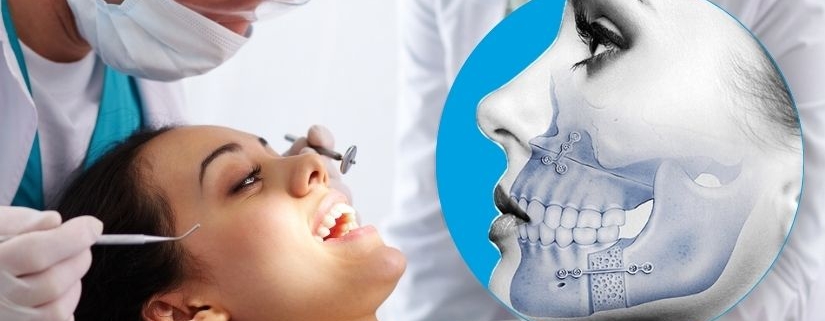
Orthognathic surgery is performed by an Oral and Maxillofacial Surgeon (OMS) to improve both the appearance and function of malformed jaws through repositioning. There are several issues addressed, such as having a protrusive or receded jaw, gummy smiles, long face syndrome and jaw joint pain. 

  • Cleft Lip and Palate Surgery

Cleft surgery is performed for babies with a gap in the roof of the mouth or lips. It helps babies speak and grow as normally as possible as they develop. It may involve several surgeries, such as jawbone grafting, palate closure, and lip repair.

  • Facial Trauma Management

For fractures involving the jaw, cheekbone, or eye socket, surgeons typically use plates to stabilize the bones. This procedure usually avoids visible scarring and helps patients regain normal function for chewing and speaking while restoring their appearance with few complications.

  • Oral Surgery and Dentoalveolar Procedures

Surgeries involving the removal of wisdom teeth, placement of dental implants, or removal of jaw cysts fall under the category of oral surgery.
Tools like piezosurgery and PRP (Platelet-Rich Plasma) ensure safe surgery and faster healing.

Key Benefits of Oral & Maxillofacial Surgery

  • Restores facial functions, like chewing, speaking, and breathing.
  • Enhances facial appearance, aesthetics, and symmetry.
  • Scarless procedures help maintain the aesthetics of the face.
  • Oral and Maxillofacial Surgery enhances physiological well-being through facial corrections.
  • Minimal recovery is achieved with rapid recovery protocols.
  • Collaboration with multidisciplinary teams during oral and maxillofacial procedures ensures holistic treatment.

Why Choose Ayushman for Oral and Maxillofacial Surgery (OMFS) in Dwarka, Delhi?

Choosing a reputed hospital for your oral and maxillofacial surgery ensures aesthetic excellence with natural-looking, symmetric facial results. With a team equipped with advanced labs and cutting-edge technology like 3D-printed guides, PRF/PRP protocols, and CBCT imaging, our hospital offers professional, modern-day technologies. At Ayushman Hospital and Health Services, we provide the most reliable oral and maxillofacial surgery in Dwarka, Delhi. Our experienced and skilled OMFS surgeons handle complex procedures affecting the form, function, and aesthetics of the face and jaws.

Book Your Maxillofacial Consultation Now!

Do you want to restore your facial aesthetics or correct the oral deformities of your face and jaws? Consult us for best-in-class Oral & Maxillofacial Surgery, with the most precise, safe, and natural-looking results.

Choose Ayushman Hospital and Health Services to let your transformation journey begin. If you have undergone facial trauma, dental complications, or have aesthetic concerns regarding your teeth, our team of board-certified oral and maxillofacial surgeons is here to help.

Stuttering Treatment in Dwarka, Delhi

Stuttering is a speech disorder often diagnosed by a healthcare professional or specialist by properly inspecting the flow of speech of an individual. The pathologist or speech-language therapist talks with the patient to see signs of repeating sounds, syllables, or words, or if he/she holds sounds longer than usual and if he pauses or is silent during conversations. Many outgrow this problem during early childhood, but some face this issue until adulthood, and a few stutter lifelong.

While there are no directly known FDA-approved medications specifically for stuttering, treatments and medications to address co-occurring conditions like anxiety or depression may be used and can be helpful to improve overall communication. It’s important to find a reliable treatment place for stuttering as it ensures timely help and better speech outcomes. At Ayushman Hospital and Health Services, we provide the most trusted stuttering treatment in Dwarka, Delhi.

Should You Seek Help for Stuttering?

The question might arise in your mind if you should seek help for stuttering or for anyone else in your life who faces the situation. It’s quite essential to consult a Speech-Language Pathologist (SLP) for stuttering if:

  • The condition of stuttering is impacting the daily functioning or confidence of you or a loved one.
  • Your child has been stuttering for more than 6 months.
  • Your child avoids speaking or does not want to be involved in social interactions.
  • Someone has trouble speaking, especially stuttering, after a brain injury or some trauma.
  • The condition of stuttering is impacting daily functioning or confidence.

What Treatments are available for stuttering?

  1. Speech Therapy
    Speech therapy is the most commonly used therapy for stuttering. A certified pathologist customizes the speech therapy for children and adults based on age, severity, and needs to ensure improvement through targeted practice, coaching, and feedback over time.

  2. Breathing and Relaxation Techniques
    Breathing exercises, especially deep breathing, help reduce stress on the chest and neck areas that often tighten during stuttering. It helps with stuttering during high-stress speaking situations. These exercises also create a rhythm for speech, enabling better control and improved speech from the patient.

  3. Fluency Techniques and Self-Practice
    Rehearsal in front of mirrors and with the guidance of a therapist improves fluency. Learning techniques to initiate natural pauses while speaking can help improve speech patterns and strengthen confidence, speech fluency, and self-improvement through self-practice.

  4. Cognitive Behavioral Therapy (CBT)
    The emotional and psychological effects of stuttering, like fear of public speaking, are decoded and replaced by supportive, realistic beliefs. CBT helps reduce anxiety in people who have social or performance-based fears related to their stuttering.

  5. Medications
    While there is no specific medicine that can be orally taken for stuttering, medicines for mental health conditions like anxiety, depression, and epilepsy can be a huge help in the treatment of stuttering. Therapy goes hand in hand with medicines.

  6. Electronic Devices
    People also use electronic fluency devices to help promote fluent speech, playing their voice with smoother speech. Although intended for temporary use, such devices are of great help during public speaking or high-pressure situations.

Why Choose Ayushman Hospital for Stuttering Treatment in Dwarka, Delhi?

We provide life-changing stuttering therapy at Ayushman Hospital and Health Services. We at Ayushman support people of all ages to speak more confidently. If you stutter, or know someone who stutters, you’re in the right place. At Ayushman, we provide the most trusted stuttering treatment in Dwarka, Delhi.

Located in Delhi, we specialize in therapy and various types of treatment options for stuttering. We provide unconditional support for children and adults to develop clear and confident speech after meaningful progress with us.

Book Stuttering Treatment Now!

Speech therapy helps the individual slow down their speech and learn to notice when they stutter themselves. A more natural speech pattern is developed after a nice intervention and involvement of a therapist.

Pick up your phone and book a stuttering treatment now with Ayushman Hospital and Health Services!

Misarticulation

Speech Therapy for Misarticulation in Dwarka, Delhi 

Misarticulation, or speech sound disorder, is a communication difficulty where individuals face problems with the pronunciation of sounds or producing sounds in general, affecting the understanding of others. While more common in children from ages 2 to 5, many children facing difficulties may naturally outgrow speech errors by the age of 7. 

However, prolonged difficulty may indicate a disorder in children. In adults, misarticulation may result from a brain injury or an underlying disability. At Ayushman Hospital and Health Services, we have skilled and qualified speech-language pathologists (SLPs) to provide the best-in-class speech therapy for misarticulation in Dwarka, Delhi.

What is Speech Therapy for Misarticulation?

While misarticulation can affect the communication, confidence, and social interactions of affected adults and young children, speech therapy for misarticulation works best in most cases to combat such problems.

A speech-language therapist evaluates the child and employs articulation exercises that may include repetitive sound practice, working in front of a mirror, and playing articulation games to support clarity in speech. Parents are usually advised to support the child practicing at home on a daily basis. Supportive parents improve the efficacy of speech therapy and help the child speak more clearly in a more confident manner.

Types of Misarticulation 

  • Substitution – Swapping one sound for another. Example: Saying “tat” in place of “cat” (using ‘t’ in place of ‘k’).
  • Omission – Leaving out a sound from a word. Example: Saying “nana” instead of “banana” (omitting the initial ‘b’ sound).
  • Distortion – Saying a sound in a slurred or unclear way. Example: Saying “thun” instead of “sun” due to a lisp on the ‘s’ sound.
  • Addition – Inserting an extra sound where it doesn’t belong. Example: Saying “eschool” instead of “school” (adding an extra vowel sound at the beginning).


How is Speech Therapy for Misarticulation Done at Ayushman?

Speech therapy addresses misarticulation by using targeted techniques to improve a child’s pronunciation. At Ayushman, speech therapy for misarticulation generally involves:

  • Assessment and Diagnosis

The therapist begins by evaluating the child’s speech to identify specific sound errors and determine the level of severity of the case.

  • Sound Discrimination Training

The child then initiates hearing and differentiating between correct and incorrect sounds, so they can know the correct one.

  • Pronunciation Practice

In pronunciation practice, speech therapists help children practice correct sounds through repetition, mirror exercises, and speech games.

  • Phonetic Placement Guidance

Therapists demonstrate how to position the tongue, lips, and jaw to produce accurate sounds.

  • Auditory Monitoring and Feedback

In the monitoring and feedback approach, children are made to hear their own speech, recognize their mistakes, and adjust their pronunciation with guidance.

  • Parental Support and Home Practice

Parents’ support is instrumental as daily speech exercises and active communication help speed up progress and boost confidence.

Why Choose Ayushman Hospital for Speech Therapy for Misarticulation in Dwarka, Delhi?

At Ayushman Hospital and Health Services, our experienced speech therapists and audiology specialists use long-used techniques approved by the Rehabilitation Council of India (RCI) to help children overcome misarticulation challenges. Our customized treatment plans for misarticulation are one of the most prominent specializations in our Audiology & Speech Therapy Hospital in Dwarka. Our therapy ensures that each child and adult facing problems with speech receives the support they need to develop clear and confident speech after meaningful progress from us.

Book Speech Therapy for Misarticulation!

Early intervention and involvement can treat misarticulation. A study focusing on low-frequency speech therapy found that 44% of children with articulation disorders showed noticeable improvement after therapy, while 22% were still in treatment during the conduction of the survey. 

Understand the ticking clock, and book an appointment with Ayushman hospital and talk to our expert speech therapists to help your child with speech and audiology issues today.