
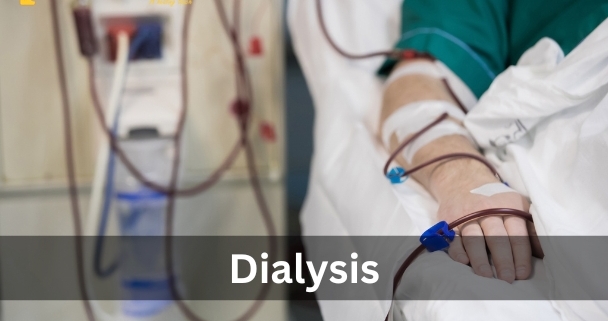
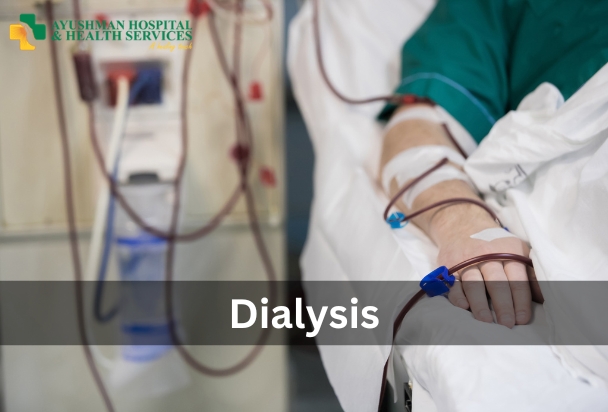
Kidney Dialysis is a critical medical procedure designed to perform the essential functions of the kidneys, like filtering and cleaning the blood to remove waste products and excess fluid when kidneys can no longer work effectively. Dialysis helps patients maintain a healthy chemical balance and prevent life-threatening complications. It is a life-sustaining treatment for people with kidney failure, also known as end-stage renal disease.
Choose comprehensive kidneys dialysis care in Dwarka, Delhi, for the most trusted dialysis procedure at Ayushman Hospital and Health Services. For patients awaiting a kidney transplant, dialysis sustains life and keeps other organs functioning optimally. Our specialists and team work closely with dietitians, vascular surgeons, and other specialists to provide holistic patient care, ensuring both safety and comfort during the dialysis procedure.
Why Is Kidney Dialysis Done?
Kidney Dialysis is prescribed by nephrologists when kidney function falls below 10–15% of normal capacity, which is considered a dangerous level. Dialysis is often necessary for individuals with chronic kidney disease, acute kidney injury, or related health complications. Without dialysis in patients who require it, harmful waste products build up in the body, which can lead to swelling, weakness, confusion, and potentially life-threatening complications like heart failure.
Why Is Dialysis Required?
Dialysis helps patients live longer, healthier lives despite kidney failure. It is useful to:
- Eliminate toxic waste and excess fluid from the blood before they cause harmful accumulation in the body.
- Support optimal heart health by stabilising blood pressure, helping lower the risk of heart-related complications.
- Decrease symptoms such as swelling, shortness of breath, and weakness, enhancing general comfort.
- Maintain healthy heart function and blood pressure, reducing the risk of cardiovascular complications.
- Enable patients to continue daily activities with improved energy levels and fewer physical limitations.
Types of Dialysis
1. Hemodialysis
Hemodialysis involves the use of a machine and a dialyzer to purify the blood. The patient’s blood is pumped from the body into the machine, cleaned, and returned. It is typically performed three times a week at a hospital or dialysis center, with each treatment lasting 3–5 hours.
2. Peritoneal Dialysis
Peritoneal dialysis uses the lining of the patient’s abdomen (peritoneum) as a natural membrane. A special cleansing fluid is introduced into the abdominal cavity via a catheter, which absorbs waste products and is then drained out. It can be administered at home, is more flexible, and is generally done on a daily basis.
3. Continuous Renal Replacement Therapy (CRRT)
CRRT is a slow and continuous form of dialysis for critically ill patients, frequently performed in an intensive care unit. It gradually removes fluid and waste over 24 hours with minimal stress on the blood vessels and heart. It is particularly suited for unstable patients who cannot tolerate traditional hemodialysis.
Who Needs Dialysis?
-
Chronic Kidney Disease (CKD) Patients
People with progressive kidney damage caused by diabetes or hypertension, where damage occurs over months or years, may eventually require dialysis in the later stages of the disease to control symptoms and prevent life-threatening complications.
-
End-Stage Renal Disease (ESRD) Patients
In ESRD, there is less than 10–15% normal kidney function remaining. Dialysis acts as a life-sustaining treatment until a kidney transplant is received. Most patients require multiple sessions of dialysis each week to survive.
-
Patients Awaiting Kidney Transplant
Dialysis also serves as a bridge therapy for patients awaiting surgery. Maintaining stability through dialysis during this waiting period improves transplant success rates.
-
Severe Metabolic Imbalance Cases
The presence of life-threatening hyperkalemia, severe acidosis, or fluid overload not responding to medications are indications for urgent dialysis. Most often these patients require immediate hospital-based dialysis to stabilize life-threatening conditions.
Why Choose Comprehensive Dialysis Care in Dwarka, Delhi?
Dialysis is a highly precise, ongoing treatment that requires medical accuracy and strict hygiene standards. We recommend you choose Ayushman Hospital and Health Services for trusted comprehensive dialysis care in Dwarka, Delhi, as it ensures:
- Access to the latest dialysis technology
- Highly trained and certified staff
- Reduced risk of infection or complications
- Personalized treatment plans
- Integrated care for complicated conditions
Start Your Dialysis Journey Today
Start your journey to improve kidney health with innovative dialysis treatment at Ayushman Hospital. Our specialist nephrologists and professional nursing staff guarantee safe, comfortable, and effective treatment tailored to your needs. Arrange your appointment today and benefit from the best standards of care in an established hospital.