Posts

Best Hospital for Robotic Knee Replacement Surgery in Delhi

Looking for the best hospital for robotic knee replacement surgery in Delhi? Look no further. At Ayushman Hospital & Health Services, we have the best surgeons and the latest technology to ensure your procedure is safe and effective.

Dr. Raj Kumar is a renowned knee joint replacement surgeon in Delhi, currently serving as the Director and Head of the Orthopaedics and Joint Replacement Department at Ayushman Hospital & Health Services in Dwarka, Sector 10, New Delhi. With over 30 years of experience, Dr. Raj specializes in high-risk trauma cases, knee and hip replacements, and spine surgeries.

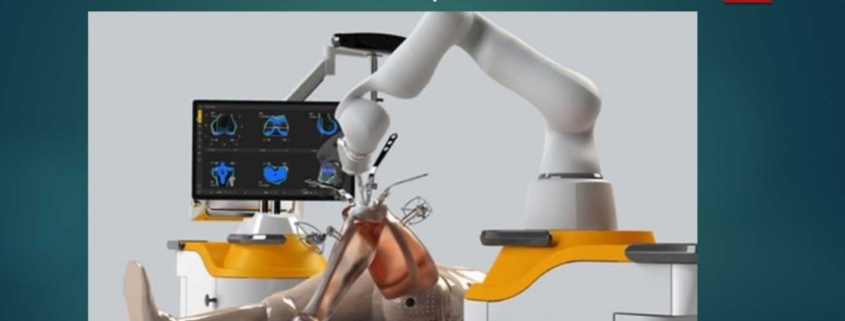
Dr. Raj is well-versed in minimally invasive surgical techniques, which involve smaller incisions, less blood loss, shorter hospital stays, and quicker recovery times. He utilizes advanced technology, including the world’s first fully active robot (CUVIS) with an infrared camera, to perform robotic knee replacement surgeries. To date, he has completed over 500+ robotic knee replacements.

In his extensive career, Dr. Raj Kumar has performed more than 18,000 orthopedic surgeries, including over 3,000 knee joint replacements and arthroscopic procedures. He has also participated in numerous training programs to deepen his understanding of orthopedic conditions and their treatments, solidifying his expertise in the field.

Robotic Assisted Knee Replacement Surgery

The knee is a vital part of our body, essential for daily activities like walking, climbing stairs, and playing sports. However, aging or injuries can compromise knee stability and function, leading to significant problems. Knee replacement surgery is an effective solution that helps many people return to normal life by addressing these issues.

Thanks to technological advancements, robotic knee replacement surgery in Delhi offers long-term benefits and faster recovery times. This innovative approach is increasingly used in various surgeries, including total knee replacements. As a leading hospital for robotic knee replacement in Delhi, our doctors and team utilize the latest technology to achieve the best possible outcomes for our patients.

In this procedure, the damaged parts of the knee are replaced with artificial components. While similar to traditional knee replacement surgery, robotic-assisted surgery involves the use of a robot to enhance precision. Patients suffering from severe knee pain and discomfort can expect improved outcomes and a quicker return to normal activities with robotic knee replacement surgery.

What is Robotic Knee Replacement Surgery?

Robotic knee replacement surgery in Delhi involves replacing the damaged or injured parts of your knee with an artificial joint. During the procedure, specialists use CT scans to create a 3D model of the knee, which helps them accurately identify the problem. Once diagnosed, a robotic arm assists in making precise bone cuts and inserting the new joint accurately.

If you or your loved ones are experiencing knee issues, robotic knee replacement surgery is an excellent option. Here are some key benefits:

  • World’s Safest Technology
  • Submillimeter Accuracy
  • Future of Joint Replacement
  • Zero Chances of Human Error
  • Longest-lasting Implants
  • Natural Feel After Surgery
  • Sutureless Surgery
  • Painless Procedure
  • Clinically Proven

These advantages make robotic knee replacement a highly effective and reliable treatment for knee problems.

Types of Robotic Technology

There are three main types of robotic technologies used in knee replacement surgery: passive, semi-active, and active systems. The primary difference between them lies in how much work the robots do independently versus with human assistance.

  • Passive and Semi-Active Systems: These types of robotic surgeries involve significant input from the surgeon. The robots assist with tasks like making precise cuts and drilling, but the surgeon controls and guides them.
  • Active Systems: This is the most advanced type of robotic technology. Active systems, like the CUVIS robot, are fully autonomous and can perform surgery with minimal human intervention. These robots can handle complex procedures with high precision.

At Ayushman Hospital, we use CUVIS robots, the world’s first fully active robot with an infrared camera, to perform knee replacement surgery (arthroplasty). This advanced technology ensures precise and efficient procedures.

Who Needs Robotic Knee Replacement Surgery?

Robotic knee replacement is an effective and safe option for those needing a total knee replacement. Before deciding on this treatment, it’s important to talk to your doctor about your condition to determine if surgery or other conservative treatments are best for you.

Robotic-assisted knee replacement surgery is particularly beneficial for complex knee joint issues. Candidates who might benefit include those with:

  • Defects in the femur due to an accident or injury
  • Severe degeneration of the knee joint
  • Complications from previous knee surgeries

Discussing your specific knee problems with your doctor will help determine if robotic knee replacement is the right choice for you.

Benefits of Robotic Knee Replacement Surgery in Delhi

Robotic knee replacement surgery offers several advantages over conventional methods, including:

  • Improved Surgical Planning: Robotic surgery benefits your overall health by using 3D images taken before the procedure. These images help surgeons plan the surgery accurately, ensuring the knee joint is placed correctly with the right size and fit.
  • Better Precision: Robotic technology allows doctors to enhance their precision in tissue removal and implant positioning. This leads to faster healing times, fewer complications, and a lower chance of needing revision surgery.

By choosing robotic knee replacement, patients can expect a more accurate procedure and a quicker recovery.

Final Note

Ayushman Hospital is a leading facility for robotic knee replacement surgery in Delhi, dedicated to improving patients’ quality of life through successful procedures. Our hospital features the latest robotic technology and has successfully performed thousands of knee replacement surgeries.

We’re here to help. Contact us to book an appointment for a safe and effective robotic knee replacement surgery in Delhi.

Brain Tumor

Experiencing frequent headaches can be concerning, especially if they worsen over time. While headaches are a common occurrence, they can sometimes be an indicator of an underlying condition. This article explores frequent headaches, brain tumors, and the warning signs to look out for.

Understanding Frequent Headaches

Headaches classified as chronic or frequent occur for 15 or more days each month over three months. These headaches can be mild or severe and significantly disrupt daily life. Some common types of chronic headaches include:

  • Tension headaches: These headaches feel like a tight band around the head.
  • Migraines: These are intense, throbbing headaches that can affect one or both sides of the head and may be accompanied by aura, a tingling sensation, or visual disturbance.
  • Cluster headaches: These headaches come and go in cycles, causing severe pain on one side of the head, usually around or behind the eye.
  • Hemicrania continua: This is a constant, daily headache on one side of the head, often resembling a migraine.
  • New daily persistent headache: This type of headache involves a sudden onset of daily pain that persists for months without relief.

Brain Tumors and How They Cause Headaches

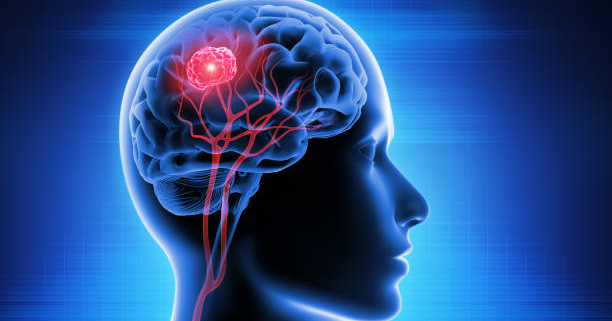
Brain tumors are abnormal growths of cells within the brain. They can be benign (non-cancerous) or malignant (cancerous). Brain tumors can disrupt normal brain function and cause various health problems, including headaches.

Headaches caused by brain tumors differ from regular headaches. These headaches arise due to the tumor’s pressure on surrounding tissues and the disruption of normal brain function. The specific characteristics of the headache can vary depending on the tumor’s location and size. Here are some common signs:

  • Pain nature: The pain can be dull and persistent or sharp and throbbing, depending on the tumor’s location.
  • Morning headaches: These headaches are often worse upon waking due to fluid buildup in the brain during sleep.
  • Activity-induced worsening: Activities that increase pressure in the head, such as bending over, coughing, or lifting heavy objects, can worsen the headache.
  • Resistance to medication: Unlike regular headaches that respond to over-the-counter pain relievers, brain tumor headaches often resist these medications.
  • Duration and persistence: Brain tumor headaches can last for days and be continuous or intermittent. They are often relentless and significantly impact the quality of life.

Warning Signs of Brain Tumor-Related Headaches

While headaches can be a symptom of a brain tumor, they are often accompanied by other signs. Here are some red flags to watch out for:

  • Frequent headaches and dizziness: This combination, especially with fever, can be concerning.
  • Headache worsening with sleep: Brain tumor headaches may worsen when lying down.
  • Vision problems: Blurred vision, double vision, or loss of vision can indicate a tumor near the optic nerve.
  • Cognitive and memory problems: Difficulty concentrating, planning, or recalling events can be signs of a brain tumor affecting memory centers.
  • Motor function problems: Tremors, clumsiness, weakness, or lack of coordination can occur if the tumor affects motor areas.
  • Speech difficulties: Slurred speech, difficulty finding words, or problems understanding language can be caused by tumors impacting speech centers.
  • Sensory changes: Altered sensations like numbness, tingling, or unexplained pain can be signs of a brain tumor.

If you experience any of these symptoms along with frequent headaches, consult a healthcare professional immediately. Early diagnosis and treatment are crucial for managing brain tumors.

Management of Brain Tumor Headaches

Treatment for brain tumor headaches depends on the underlying cause. Here are some approaches:

  • Medications: Doctors may prescribe corticosteroids to reduce swelling and inflammation, or anticonvulsants if seizures accompany the headaches.
  • Surgery: In some cases, surgery may be performed to remove or debulk the tumor, potentially relieving pressure and headaches.
  • Radiation and chemotherapy: Depending on the tumor type and location, radiation or chemotherapy may be used to shrink the tumor and alleviate symptoms.
  • Physical therapy and rehabilitation: Rehabilitation can help improve balance, reduce dizziness, and enhance overall physical function after medical treatments.

Lifestyle modifications can also play a role in managing headaches:

  • Regular sleep: Maintaining a consistent sleep schedule can improve sleep quality and potentially reduce headache severity.
  • Balanced diet: A nutritious diet can support overall health and potentially aid in recovery and symptom management.
  • Stress management: Techniques like deep breathing, meditation, and relaxation exercises can help manage stress and contribute to pain management.

Psychosocial Support

  • Therapy: Psychologists or counselors can provide strategies to manage stress, anxiety, and other emotional challenges related to a brain tumor diagnosis.
  • Support groups: Connecting with others with similar experiences can offer emotional support, coping techniques, and a sense of community.

Benefits of Consulting Ayushman Hospital

Ayushman Hospital & Health Services stands out for its commitment to patient care and its team of highly qualified specialists. Here’s why choosing Ayushman Hospital for headache evaluation is a wise decision:

  • Experienced Neurologists: Ayushman Hospital boasts a team of renowned neurologists with extensive experience diagnosing and treating various neurological conditions, including brain tumors. These specialists possess the expertise to conduct thorough evaluations and provide accurate diagnoses.
  • Advanced Diagnostic Tools: The hospital has cutting-edge diagnostic technology, including CT scans and MRIs. These advanced imaging techniques can effectively visualize the brain and detect abnormalities that might be causing the headaches.
  • Comprehensive Treatment Options: Ayushman Hospital offers a comprehensive range of treatment options for brain tumors and related headaches. This includes medications, surgery, radiation therapy, and chemotherapy. The treatment plan will be tailored to the specific needs and circumstances of each patient.
  • Holistic Care Approach: Ayushman Hospital recognizes the importance of a holistic approach to healthcare. Beyond treating the physical symptoms, the hospital emphasizes providing support for patients’ emotional and mental well-being. This may involve referrals to therapists or support groups to manage stress, anxiety, and other challenges associated with a brain tumor diagnosis.
  • Patient-Centric Care: Ayushman Hospital prioritizes patient-centered care. The dedicated team of specialists is committed to clear communication, addressing all patient questions and concerns throughout the evaluation and treatment process.

Final Note

If you’re experiencing frequent headaches or any of the warning signs mentioned earlier, don’t hesitate to schedule an appointment at Ayushman Hospital & Health Services. Early detection is critical for successful treatment outcomes. The hospital’s team of experts is here to guide you through the evaluation process, answer your questions, and provide the best possible care to address your concerns.

How To Decide Time For Knee Replacement Surgery

Dealing with knee discomfort can greatly affect your everyday activities. Simple activities like climbing stairs, getting dressed, or walking can become a struggle. If you’re facing these challenges and are considering knee replacement surgery, you’re not alone. This guide will equip you with the knowledge to determine if knee replacement surgery is right for you.

Understanding Knee Replacement Surgery

Knee replacement surgery involves replacing a damaged knee joint with an artificial implant made of metal and plastic. As one of the most successful procedures in modern medicine, knee replacement has become increasingly refined thanks to advancements in implant technology, surgical techniques, and supporting technologies.

Read: MYTHS ABOUT KNEE REPLACEMENT SURGERY

Factors to Consider for Knee Replacement

The decision to undergo knee replacement requires careful consideration of several factors unique to each individual. These factors include:

  • Pain Level: In the early stages of arthritis, pain can often be managed effectively with medication. However, if even strong painkillers fail to provide relief, it might be a sign that a knee replacement is necessary. Consulting your doctor for guidance is crucial at this point.
  • Efficacy of Previous Treatments: Have you tried alternative treatments like steroid injections, lubricant injections, physiotherapy, and rest? If these haven’t significantly reduced your pain and improved your mobility, discussing the possibility of knee replacement surgery with your doctor may be the next step.
  • Impact on Daily Activities: Are you experiencing significant pain and difficulty performing everyday tasks like dressing yourself, bathing, getting in and out of bed or a chair, or climbing stairs? These limitations can significantly impact your quality of life and may indicate the need for surgery.
  • Pain Severity: Constant, severe pain, both day and night, is a strong indicator that your knees need intervention. If the pain persists even while resting and requires the use of a cane or walker to move around, knee replacement surgery could be the solution to regain your mobility and independence.
  • Knee Deformity: Have you noticed a change in the shape of your knees? If your knees have become bowed inward or outward, it’s a sign of deformity. In such cases, knee replacement surgery can be the most effective treatment to correct the alignment and restore function.

Read: TOP FIVE MISTAKES AFTER KNEE REPLACEMENT SURGERY

Age Considerations

While knee replacement is generally performed on individuals between 50 and 80 years old, age is not the sole deciding factor. Advancements in surgical techniques have made it possible for successful knee replacements to be performed on patients younger than 50 and older than 80 as well.

Why Choose Us For Knee Replacement

At Ayushman Hospital & Health Services, we are committed to providing patients with the latest advancements in knee replacement surgery. We utilize computer navigation technology to ensure the most accurate and precise positioning of the implant, leading to several benefits for our patients:

  • Complete Deformity Correction: Computer navigation allows surgeons to address any existing deformity in your knee with the utmost accuracy.
  • Minimally Invasive Procedures: Smaller incisions are used during surgery, resulting in less pain and blood loss.
  • Faster Recovery: With minimally invasive techniques, patients experience a faster recovery period and are discharged from the hospital sooner.
  • Enhanced Implant Longevity: Precise implant placement contributes to a longer lifespan for your knee replacement.

Final Note

Understanding the factors mentioned above and the type of advanced surgical techniques available will empower you to make an informed decision about knee replacement surgery. If you’re experiencing any of the symptoms discussed earlier, don’t hesitate to schedule an appointment with the experts at Ayushman Hospital. Our commitment lies in assisting you to restore mobility and enhance your life’s quality.

Nosebleeds in Children

Nosebleeds can be frightening for parents and kids alike. While they may look scary, they’re often harmless in children. However, there are times when a nosebleed might indicate a more serious problem. This information will help you understand the difference between a typical nosebleed and one that needs a doctor’s attention.

Why Do Kids Get Nosebleeds?

Nosebleeds, medically called epistaxis, happen when tiny blood vessels inside the nose break and bleed. Since these vessels are especially fragile in children, nosebleeds are more common during their younger years. Here’s a look at the usual culprits:

  • Dry Air: Especially in winter, dry air can dry out the nose and irritate those delicate blood vessels, making them more likely to burst.
  • Itchy Fingers: Young children are naturally curious and explore with their hands, including their noses. Picking can irritate and damage the blood vessels, leading to a nosebleed.
  • Allergy Attack: Seasonal allergies can inflame and irritate the inside of the nose, increasing the risk of bleeding.
  • Something Stuck Up There: If a small object gets lodged in a child’s nose, it can irritate the lining and cause a bloody nose.
  • Bump on the Nose: A blow to the face during play or a fall can injure the blood vessels in the nose, leading to a nosebleed.

An ENT specialist stresses the importance of understanding the cause: “While most nosebleeds in children are minor and manageable at home, knowing the reason helps decide the best course of action.

Tips to Stop Your Child’s Nosebleed

When your child has a nosebleed, staying calm and taking action can quickly stop the bleeding. Here’s what to do:

  1. Sit Up Straight: Have your child sit comfortably and lean forward slightly. This prevents blood from going down the back of the throat, which can cause nausea.
  2. Pinch the Nose: Using your thumb and index finger, firmly pinch the soft part of your child’s nose, just below the bony bridge. Hold constant pressure for 10-15 minutes. Don’t let go to check if the bleeding has stopped.
  3. Cool Compress: Place a cool compress or ice pack wrapped in a thin cloth on the bridge of your child’s nose. The cold helps narrow the blood vessels and slow bleeding.
  4. Stay Calm: A calm environment keeps your child relaxed and prevents straining, which can make the bleeding worse.

When to Worry About a Nosebleed in a Child?

Most nosebleeds are nothing to worry about. However, there are times when seeking medical attention is important for your child’s health. Here’s what to watch for:

  • Persistent Bleeding: If the nosebleed continues for more than 15-20 minutes of applied pressure, don’t hesitate to call your doctor or head to the nearest emergency department.
  • Frequent Nosebleeds: If your child has frequent nosebleeds, happening more than two or three times a week, consult a doctor to explore potential underlying causes.
  • Fever and Nosebleed: A nosebleed accompanied by a fever can signal an infection or another underlying issue. It’s best to get a medical evaluation.
  • Facial Injury and Nosebleed: If your child has a nosebleed after a blow to the face, especially if their face is swollen or deformed, seek medical attention to rule out a broken nose or other injuries.
  • Blood in Vomit or Stool: If your child has blood in their vomit or stool after a nosebleed, they might have swallowed a significant amount of blood. Consult a doctor to check for any internal bleeding.

When to See an ENT Specialist for Your Child’s Nosebleeds?

If your child often has nosebleeds that are strong or happen with other worrying signs, it’s smart to see a specialist called an Ear, Nose, and Throat (ENT) doctor. Here’s what they can do:

  1. Check thoroughly: They’ll look closely at your child’s nose and inside it, and might do tests like scans to find out why the nosebleeds are happening.
  2. Suggest treatments: Depending on what’s causing the nosebleeds, they might suggest things like sealing the bleeding spot with a small electric pulse, putting gauze in the nose to stop the bleeding, or giving medicines.
  3. Prevent future nosebleeds: The ENT doctor can help you figure out ways to make nosebleeds happen less often or be less serious. This might include using a machine to add moisture to the air, spraying saltwater into the nose, or managing allergies with medicine.

Even though nosebleeds in kids are usually not a big deal, parents need to know when to get help. By recognizing signs of a more serious problem and getting the right help, parents can keep their kids safe. Seeing a skilled ENT doctor at Ayushman Hospital & Health Services, Dwarka Sector-10 ensures that nosebleeds in children are diagnosed and treated correctly, giving parents peace of mind and the best care for their kids.

Fatty Liver Disease: Causes, Symptoms, Diagnosis and Treatment

Fatty Liver Disease, also known as hepatic steatosis, is characterized by an abnormal accumulation of fat in liver cells. This condition has become a global health concern, with its prevalence soaring due to sedentary lifestyles, unhealthy diets, and an obesity epidemic. There are two main types of Fatty Liver Disease: alcoholic liver disease (caused by excessive alcohol consumption) and nonalcoholic fatty liver disease (NAFLD), which is unrelated to alcohol intake.

Causes of Fatty Liver Disease

  • Lifestyle Choices: Sedentary lifestyles and poor dietary habits are primary contributors to the rise of Fatty Liver Disease. Consuming high amounts of processed foods, sugary beverages, and saturated fats can overwhelm the liver’s ability to process and metabolize these substances.
  • Obesity: The relationship between obesity and Fatty Liver Disease is undeniable. Excess body weight, especially around the abdominal area, increases the risk of fat accumulation in the liver.
  • Genetic Factors: Some individuals may be genetically predisposed to Fatty Liver Disease, making them more susceptible even with a seemingly healthy lifestyle.

Symptoms of Fatty Liver Disease

One of the challenges with Fatty Liver Disease is its asymptomatic nature in the early stages. 

Nevertheless, as the ailment advances, individuals may experience:

  • Fatigue: A persistent feeling of tiredness can be a common symptom, often attributed to the liver’s compromised ability to function optimally.
  • Abdominal Discomfort: Discomfort or pain in the upper right side of the abdomen may signal liver inflammation.
  • Jaundice: In advanced stages, the skin and eyes may take on a yellowish hue due to impaired liver function.
  • Unexplained Weight Loss: Sudden and unexplained weight loss can indicate severe liver damage.

Diagnosing Fatty Liver Disease

Early detection of Fatty Liver Disease is crucial for effective management. Diagnosis typically involves a combination of:

  • Blood Tests: Liver function tests and blood lipid profiles help assess the liver’s health and lipid metabolism.
  • Imaging Studies: Ultrasound, CT scans, and MRI scans provide detailed images of the liver, aiding in the identification of fat accumulation and liver damage.
  • Liver Biopsy: In some cases, a small tissue sample from the liver may be extracted for closer examination under a microscope.
  • FibroScan: A non-invasive alternative to liver biopsy, FibroScan measures liver stiffness, providing insights into the degree of fibrosis.

Treatment for Fatty Liver Disease

While there is no one-size-fits-all approach to treating Fatty Liver Disease, lifestyle modifications form the cornerstone of management. Here’s a holistic view of potential treatment strategies:

  • Dietary Changes: Adopting a balanced and nutritious diet is paramount. Emphasize whole foods, fruits, vegetables, and lean proteins while reducing the intake of processed foods, sugars, and saturated fats.
  • Weight Management: Achieving and maintaining a healthy weight through regular exercise and portion control can significantly improve liver health.
  • Regular Exercise: Regular physical activity not only aids in weight management but also helps reduce insulin resistance, a key factor in Fatty Liver Disease.
  • Medications: In some cases, medications may be prescribed to manage underlying conditions such as diabetes, high blood pressure, or high cholesterol.
  • Supplements: Certain supplements, such as vitamin E and omega-3 fatty acids, have shown promise in improving liver health.

The Human Side of Fatty Liver Disease

Beyond the medical intricacies, Fatty Liver Disease touches lives in profound ways. Individuals grappling with this condition face emotional and social challenges. Support groups, counseling, and open conversations are invaluable in navigating the emotional landscape of chronic illness.

Conclusion

Fatty Liver Disease is not just a medical condition; it’s a wake-up call to reassess our lifestyles and prioritize our health. By understanding the causes, recognizing symptoms, seeking timely diagnosis, and adopting a multifaceted approach to treatment, we can empower ourselves and others to mitigate the impact of this prevalent and often underestimated condition.

In this journey towards liver health, finding the right medical partner is crucial. Ayushman Hospital stands as a beacon of hope and expertise in the field of liver care. Their commitment to patient-centric care and state-of-the-art facilities make them a trusted ally in the battle against Fatty Liver Disease.