
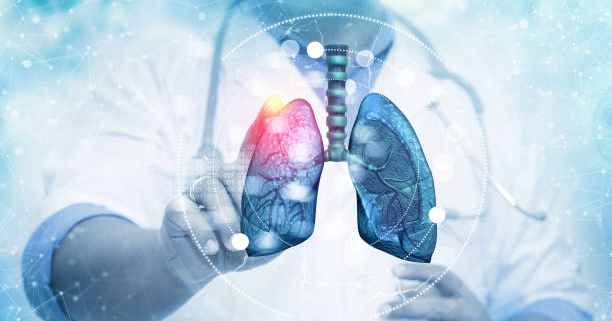
Impact of Acute Respiratory Failure on Lung Health

Acute respiratory failure (ARF) is a life-threatening condition where the lungs struggle to deliver enough oxygen to the bloodstream and remove excess carbon dioxide. This vital gas exchange is compromised, leading to organ damage and the urgent need for medical attention. ARF can develop suddenly (acute) or worsen gradually from pre-existing breathing problems (chronic). Understanding the causes, risk factors, and consequences of ARF is crucial for protecting lung health and seeking timely intervention.

Causes of Acute Respiratory Failure: A Multifaceted Threat

Several medical conditions can trigger ARF, each posing a unique threat to lung function:

  • Pneumonia: Severe lung infections cause inflammation and fluid buildup in the air sacs, hindering oxygen absorption.
  • Chronic Obstructive Pulmonary Disease (COPD): Long-term respiratory illnesses like COPD can worsen, leading to acute respiratory failure.
  • Pulmonary Embolism: Blockages in the pulmonary arteries restrict blood flow to the lungs, hindering oxygen exchange.
  • Acute Respiratory Distress Syndrome (ARDS): Severe lung injury due to trauma or infections causes extensive inflammation, impacting breathing.
  • Asthma: Severe asthma attacks can drastically restrict airways, limiting gas exchange and airflow.
  • Neuromuscular Disorders: Diseases like muscular dystrophy and ALS weaken respiratory muscles, making breathing difficult.
  • Inhalation Injuries: Inhaling smoke, fumes, vomit, or experiencing near-drowning can cause acute lung injury and respiratory failure.
  • Sepsis: Widespread inflammation from this life-threatening infection can extend to the lungs, causing respiratory failure.
  • Head/Chest Injuries: Severe trauma to the head, chest, or other areas can directly damage the lungs or the brain’s respiratory center, impacting breathing.

Risk Factors: Who’s More Susceptible to ARF?

Certain factors increase the likelihood of developing ARF, particularly in individuals with existing health issues:

  • Chronic Lung Conditions: Those with COPD, asthma, or other chronic lung ailments are at higher risk.
  • Age: Elderly individuals are more susceptible due to weakened respiratory function.
  • Premature Birth: Premature babies with underdeveloped lungs, pulmonary hypertension, or lung birth defects are at higher risk.
  • Smoking: Damages lung tissue and weakens the immune system, increasing ARF risk.
  • Obesity: Excess weight can restrict lung expansion and hinder breathing.
  • Weakened Immune System: Compromised immunity due to drugs, chronic illnesses, or HIV/AIDS increases ARF risk.
  • Sedatives: Certain medications used during surgery can suppress breathing, leading to ARF, especially in high-risk individuals.
  • Occupational Hazards: Exposure to chemicals, dust, and pollutants at work can damage the lungs and raise ARF risk.
  • Physical Inactivity: Lack of exercise weakens heart and lung function, increasing ARF risk.

The Devastating Consequences of ARF on Lung Health

ARF’s impact on lung health is severe, with both immediate and long-term effects:

  • Tissue Damage: Low blood oxygen and high carbon dioxide levels cause tissue hypoxia (oxygen deprivation) and inflammation. This can damage lung tissue and lead to fibrosis (scarring).
  • Strained Respiratory Muscles: Difficulty breathing forces patients to exert more energy to stay ventilated, straining respiratory muscles and potentially worsening their condition.
  • Increased Infection Risk: Mechanical ventilation can increase the risk of secondary infections, adding to patients’ health challenges.
  • Higher Mortality Risk: Patients with a history of ARF, especially those with recurrent episodes or underlying chronic conditions, have a higher risk of death.

Treatment Strategies: Fighting for Recovery

Due to its potentially fatal nature, ARF requires immediate medical diagnosis and emergency care in a hospital setting. Treatment focuses on stabilizing the patient, addressing the underlying cause, and supporting the lungs until they can function independently. Key components of ARF treatment include:

  • Oxygen Therapy: Supplemental oxygen is administered to maintain adequate blood oxygen levels.
  • Mechanical Ventilation: When patients cannot breathe adequately on their own, mechanical ventilation may be necessary. This can involve non-invasive techniques like masks or invasive techniques like endotracheal intubation.
  • Medications: Depending on the cause, treatment may involve diuretics to reduce fluid buildup, bronchodilators to open airways, antibiotics to fight infections, and corticosteroids to reduce inflammation.
  • Treating the Underlying Cause: Addressing the root cause of ARF, such as treating infections or managing flare-ups of chronic diseases, is crucial for recovery.
  • Supportive Care: Proper nutrition, hydration, and monitoring are essential, alongside physical therapy and pulmonary rehabilitation to strengthen respiratory muscles and improve lung function.

Preventing ARF: Taking Charge of Your Lung Health

The key to preventing ARF lies in managing underlying conditions and reducing risk factors. Here are some essential strategies:

  • Regular Medical Checkups and Treatment Adherence: Schedule regular checkups with your doctor to monitor your health and identify any potential respiratory issues early on. If you have a chronic lung condition like COPD or asthma, diligently follow your doctor’s treatment plan, which may include medications, inhalers, and lifestyle modifications. This proactive approach can help prevent flare-ups and minimize the risk of ARF.
  • Vaccination: Getting vaccinated against respiratory infections like influenza and pneumonia is crucial, especially for those at higher risk, such as the elderly and individuals with chronic health conditions. These vaccinations significantly reduce the chances of developing severe respiratory illnesses that could progress to ARF.
  • Smoking Cessation: Smoking is a major risk factor for ARF. Quitting smoking is one of the most effective ways to protect your lungs and reduce your risk of developing respiratory problems, including ARF. Numerous resources and support programs are available to help you quit smoking successfully.
  • Maintaining a Healthy Weight: Obesity can strain your lungs and make breathing difficult. Maintaining a healthy weight through a balanced diet and regular exercise can significantly improve lung function and reduce the risk of ARF.
  • Healthy Lifestyle Habits: A healthy lifestyle that incorporates regular physical activity, a balanced diet rich in fruits, vegetables, and whole grains, and adequate sleep is essential for overall health, including lung function. Exercise strengthens your respiratory muscles and improves lung capacity, making you less susceptible to respiratory problems.
  • Occupational Safety: If your work environment involves exposure to dust, chemicals, or fumes, wear appropriate personal protective equipment (PPE) like masks and respirators to minimize lung damage. Talk to your employer about workplace safety measures to protect your respiratory health.
  • Environmental Awareness: Be mindful of air quality, especially if you live in an area with high pollution levels. Limit outdoor activity on days with high pollution and consider using air purifiers indoors to improve air quality.

By implementing these preventive measures and maintaining a healthy lifestyle, you can significantly reduce your risk of developing ARF and safeguard your lung health. Remember, early detection and intervention are critical for successful ARF treatment. If you experience any symptoms of respiratory distress, such as shortness of breath, rapid breathing, chest tightness, or wheezing, seek immediate medical attention.


Tuberculosis

Tuberculosis, commonly known as TB, remains a longstanding and formidable health challenge that has captured the attention of medical professionals and researchers throughout history. In India, approximately 40% of the population is affected by TB bacteria, with the majority harboring latent rather than active TB. Shockingly, the World Health Organization (WHO) estimates that 300,000 people succumb to TB annually in India. According to the German Leprosy & Tuberculosis Relief Association (DAHW), one-fifth of the world’s new tuberculosis cases are concentrated in the Indian subcontinent.

Recognizing the severity of the situation, Tuberculosis or TB emerges as one of India’s most significant health concerns today. Every citizen must be well-informed about this ailment. This article delves into various facets of tuberculosis, aiming to provide a comprehensive understanding of the disease and highlight the progress made in its prevention and treatment.

What is Tuberculosis

Tuberculosis is a bacterial infection primarily targeting the lungs and potentially spreading to various organs, including the kidneys, spine, and brain. Without proper treatment, TB disease can prove fatal. While historically linked to the impoverished, today, it is recognized as affecting individuals across all social classes.

What Leads to Tuberculosis?

Tuberculosis is the microorganism responsible for the onset of tuberculosis. This germ can stay in the air for a long time. That’s why people with tuberculosis need to be careful and take steps to stop the germ from spreading to others.

How Tuberculosis Spreads

Tuberculosis mostly spreads through the air. When someone with active TB disease coughs or talks, tiny drops from their breath, carrying the bacteria Mycobacterium tuberculosis, can float in the air. The main ways TB can be passed on include:

How Tuberculosis Spreads Easily Explained

  • Airborne Transmission: Tuberculosis mainly spreads when someone with active TB coughs, sneezes, talks, or sings, releasing tiny droplets containing the infectious bacteria into the air. Inhaling these droplets can lead to infection with Mycobacterium tuberculosis.
  • Close and Prolonged Contact: TB is more likely to spread when people spend a lot of time near an infectious person. This is especially true in crowded or enclosed places like homes, prisons, or healthcare facilities, where there’s a higher concentration of these respiratory droplets in the air.
  • Poor Ventilation: In places with inadequate airflow, infectious droplets can linger in the air, increasing the risk of TB transmission. Good ventilation helps disperse and dilute these droplets, lowering the chances of TB spreading.
  • Weakened Immune System: People with weakened immune systems, like those with HIV/AIDS, malnutrition, or undergoing immune-suppressing treatments, are more vulnerable to TB infection. They have a higher risk of progressing from latent TB infection to active TB disease.

It’s crucial to know that not everyone exposed to Mycobacterium tuberculosis gets sick. Some may have latent TB infection, where the bacteria are present but inactive, causing no symptoms and not spreading to others. However, if their immune system weakens, the latent infection can turn into active TB disease, which is contagious.

Types of Tuberculosis

Tuberculosis (TB) comes in different forms, mainly divided into latent TB infection (LTBI) and active TB disease.

Latent TB Infection (LTBI): In this type, people have the TB bacteria, but it’s inactive. They don’t show symptoms and can’t spread it to others. However, there’s a risk it could turn into active TB disease, especially in people with weakened immune systems.

Active TB Disease: This occurs when the bacteria become active, causing symptoms. It can affect the lungs (pulmonary TB) or other body parts (extrapulmonary TB). Symptoms include cough, chest pain, weight loss, fatigue, fever, and night sweats. TB in its active form is infectious and can be transmitted through the air.

Additional TB Categories: 

  • Pulmonary TB: Affects the lungs, causing cough, chest pain, and breathing issues.
  • Extrapulmonary TB: Affects parts outside the lungs, like kidneys, spine, lymph nodes, and brain.
  • Miliary TB: A severe form where bacteria spread through the bloodstream to multiple organs.
  • Drug-resistant TB: Some TB strains resist common antibiotics, making treatment more challenging.

Understanding these types is crucial for diagnosing, treating, and preventing tuberculosis effectively.

Recognizing Signs and Symptoms of Tuberculosis

Tuberculosis can show various signs and symptoms, depending on whether it’s latent or active. Here are common indicators linked to active TB disease:

  • Chest Pain: Feeling pain in the chest, especially during deep breaths or coughing, could be due to lung tissue inflammation.
  • Persistent Cough: A cough lasting three weeks or more is typical for pulmonary TB. It may produce sputum (mucus), possibly with blood.
  • Unexplained Weight Loss: Active TB often leads to weight loss due to factors like reduced appetite and increased metabolic demands during infection.
  • Fatigue: Persistent fatigue and weakness are common as the body fights the infection.
  • Fever: A low-grade or persistent fever, accompanied by chills, especially in the afternoon or evening, can signal active TB.
  • Night Sweats: Profuse sweating, especially at night, is a characteristic TB symptom that can disrupt sleep.
  • Shortness of Breath: Difficulty breathing may occur, especially if the infection has progressed and affected a significant part of the lungs.
  • Swollen Lymph Nodes: In extrapulmonary TB, where organs outside the lungs are involved, swollen lymph nodes may be noticeable in various body parts.

If someone shows these symptoms or has been in close contact with someone diagnosed with active TB, seeking prompt medical attention is crucial for proper evaluation, diagnosis, and treatment. Early detection and treatment are vital for effectively managing TB and preventing its spread to others.

How is Tuberculosis Diagnosed?

Diagnosing tuberculosis involves a combination of clinical assessment, imaging scans, and laboratory tests. Here are the common tests used to diagnose TB:

  • Tuberculin Skin Test (TST) or Mantoux Test: A small amount of purified protein is injected under the skin. If a raised bump appears, it indicates exposure to TB, but it can’t differentiate between latent and active TB.
  • Interferon-gamma Release Assays (IGRAs): Blood tests like QuantiFERON-TB Gold or T-SPOT.TB measures the release of interferon-gamma in response to TB-specific antigens. They are more specific than the skin test and help distinguish between latent and active TB.
  • Chest X-ray: Imaging the chest helps identify lung abnormalities associated with pulmonary TB, such as infiltrates or cavities.
  • Sputum Smear Microscopy: Examining mucus samples under a microscope helps detect the presence of TB bacilli.
  • Sputum Culture: Culturing sputum samples confirms TB and enables drug susceptibility testing.
  • Nucleic Acid Amplification Tests (NAATs): Molecular tests like PCR detect TB genetic material in clinical samples, providing a rapid and sensitive diagnosis.
  • Xpert MTB/RIF Assay: This molecular test simultaneously detects TB and assesses rifampicin resistance, offering quick results.
  • Bronchoscopy: When sputum samples are hard to obtain, bronchoscopy collects samples from the lower respiratory tract.
  • Biopsy: For extrapulmonary TB, a biopsy of affected tissues or organs may be performed for microscopic examination and culture.
  • Drug Susceptibility Testing (DST): This test determines TB bacteria’s susceptibility to specific antibiotics and guiding treatment.

The choice of tests depends on factors like clinical presentation, risk factors, and available resources. Multiple tests may be used for accurate diagnosis, especially for drug-resistant strains or extrapulmonary TB.

How to Prevent Tuberculosis?

Preventing tuberculosis involves a combination of strategies to reduce transmission, detect and treat latent and active infections, and address risk factors. Here are key measures for TB prevention:

  • BCG vaccine: Administer the Bacillus Calmette-Guérin (BCG) vaccine in many countries to reduce the risk of severe TB complications in children, even though it may not offer complete protection.
  • Respiratory hygiene: Encourage good respiratory hygiene, like covering the mouth and nose when coughing or sneezing. Use masks in crowded public places, such as trains, buses, and stations.
  • Ventilation: Ensure well-ventilated spaces, particularly in crowded areas, to decrease the concentration of infectious droplets. Use fans or open windows for cross-ventilation.
  • Identifying and treating latent TB infection: Screen individuals at higher risk for TB, including those with known exposure or immunosuppression. Offer to test for latent TB infection (LTBI) and provide appropriate treatment to prevent progression to active TB.
  • Contact tracing and testing: Identify and test individuals in close contact with someone diagnosed with active TB. This aids in the early detection and treatment of latent or active TB in those exposed.
  • Public health education: Increase public awareness about TB transmission, symptoms, and the importance of seeking medical care. Educate communities about available testing and treatment services.

Despite being highly contagious, tuberculosis can be prevented by taking these simple precautions in the long run.

Conclusion

Tuberculosis is a significant health challenge that requires everyone’s efforts in prevention, early detection, and effective treatment. If you or someone you know shows symptoms of tuberculosis, it’s crucial to seek medical help promptly. Ayushman Hospital, known for its commitment to excellent healthcare, offers specialized services for diagnosing and treating tuberculosis. Our experienced specialists use advanced diagnostics and proven treatments to provide thorough care, ensuring the best outcomes for patients. Remember, taking timely action can make a big difference in managing and controlling tuberculosis. Consult a tuberculosis specialist at Ayushman Hospitals for expert, personalized, and compassionate care.