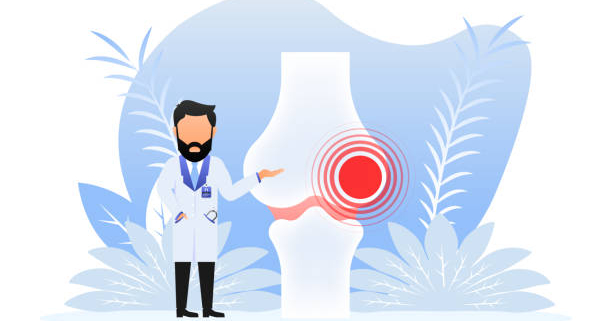
Pain and movement problems in the knee can immensely impact one’s lifestyle, causing even simple functions such as walking or climbing up stairs to be a difficult task. Primary knee replacement is among the best treatment options for people with severe arthritis of the knee or other conditions of degeneration in the knee. Ayushman Hospital Dwarka, Delhi, is one of the best orthopedic centres in which Dr. Raj Kumar, an expert orthopaedic surgeon, excels at performing primary knee replacement using state-of-the-art technology and excellent patient care.

This is a comprehensive guide to primary knee replacement, benefits, Dr. Raj Kumar’s expertise, and why Ayushman Hospital is one of the best options for primary knee replacement.

What is Primary Knee Replacement?

Primary knee replacement, or total knee arthroplasty (TKA), is a surgical process in which the diseased knee joint is replaced with an artificial one. It is referred to as “primary” since it is the initial knee replacement done on the patient, as opposed to a revision knee replacement, which is carried out to replace or correct a failed implant.

Who Requires a Primary Knee Replacement?

This operation is indicated for patients with:

✔ Osteoarthritis: – The leading cause of knee replacement, due to cartilage wear and pain in the joints.

✔ Rheumatoid arthritis:- An autoimmune condition resulting in joint inflammation and destruction.

✔ Post-traumatic arthritis:- Arthritis resulting from past knee injury.

✔ Knee deformities:- Knock knees or bowed legs necessitating correction.

✔ Severe knee pain and stiffness:- Affecting activities of daily living despite medication and physical therapy.

Dr. Raj Kumar – The Knee Replacement Specialist

Dr. Raj Kumar is an extremely skilled orthopedic surgeon with more than 31 years of practice in knee disorder, fracture, and joint replacement treatment.

Why Dr. Raj Kumar?

✔ Rich Experience: 31 years of experience in orthopedics, with extensive expertise in knee replacement surgeries.

✔ Accuracy with Computer Navigation: Employing advanced technology to deliver precise implant positioning.

✔ Minimally Invasive Surgery: Reduced pain, smaller cuts, and quicker recovery.

✔ Superior Success Rate: Thousands of successful knee replacement procedures.

✔ Personalized Service: Customized treatment plans according to individual requirements.

Dr. Raj Kumar works at Ayushman Hospital, Dwarka, a world-class multi-specialty hospital providing top-notch orthopedic services.

Primary Knee Replacement Procedure at Ayushman Hospital

Step 1: Preoperative Assessment

Preoperatively, a comprehensive assessment is made, including:

  • Medical History & Physical Examination – Determination of the intensity of knee pain and mobility limitations.
  • X-rays & MRI Scans – Joint damage assessment and surgery planning.
  • Blood Tests & ECG – Fitness for surgery.

Step 2: Surgery – How it is done

  • Anesthesia: Spinal or general anesthesia is given to the patient.
  •  Incision: A tiny cut is made in order to reach the knee joint.
  • Removal of Damaged Bone: The cartilage and bone affected are excised.
  • Implant Placement: A prosthetic joint of high quality is implanted to provide normal function.
  • Closure: Sutures are used to close the incision, and a bandage is placed.

Step 3: Postoperative Care & Rehabilitation

  • Pain Management: Pain-relieving medications.
  • Physiotherapy: Exercising mobility and strength under guidance.
  • Regular Follow-Ups: Monitoring recovery and functioning of the implant.

Advantages of Primary Knee Replacement at Ayushman Hospital

✔ Advanced Surgical Technology: Computer-assisted navigation for accurate placement of the implant.

✔ Specialist Surgical Team: Under the guidance of Dr. Raj Kumar, with high success rates.

✔ Minimally Invasive Surgery: Less pain, less blood loss, and quicker recovery.

✔ Complete Rehabilitation: Postoperative treatment and physiotherapy for complete recovery.

✔ Economical Treatment: Reasonable packages with quality care.

Why Ayushman Hospital, Dwarka for Knee Replacement?

Ayushman Hospital is a top orthopedic facility in Delhi, with excellent infrastructure and patient care.

  • State-of-the-Art Facilities:- Modern operation theaters and advanced medical equipment.
  • Expert Team of Surgeons:- Highly skilled specialists in knee replacement.
  • Multidisciplinary Approach:- Coordinated care between orthopedic surgeons, physiotherapists, and pain management specialists.
  • Affordable & Transparent Pricing:- Cost-effective treatment without compromising quality.

Recovery After Knee Replacement

Most patients recover within 3-6 months, with proper physiotherapy and lifestyle modifications. Here’s what to expect:

Short-Term Recovery (0-6 Weeks)

✔ Walk with assistance within 24-48 hours.

✔ Begin knee bending exercises under supervision.

✔ Avoid heavy weight-bearing exercises.

✅ Mid-Term Recovery (6-12 Weeks)

✔ Increased strength and mobility.

✔ Gradual return to normal daily activities.

✔ Continue physiotherapy exercises.

✅ Long-Term Recovery (3-6 Months)

✔ Return to normal activities such as walking, climbing stairs, and light sports.

✔ Adhere to a healthy lifestyle in order to maintain knee function.

Success Stories from Ayushman Hospital

Patients who have received primary knee replacement at Ayushman Hospital by Dr. Raj Kumar have expressed their good experiences:

“I suffered from severe knee pain because of arthritis and couldn’t walk. Post-knee replacement by Dr. Raj Kumar, I am free from pain and can walk easily!”

Mrs. Meera Sharma, 68

“I was scared of surgery, but Dr. Raj Kumar reassured me. The outcome was incredible – I got my mobility and independence back!”

Mr. Ramesh Gupta, 72


Conclusion: Regain Mobility & Live Pain-Free

Primary knee replacement is a life-altering surgery that restores mobility, eliminates pain, and improves quality of life. Dr. Raj Kumar at Ayushman Hospital, Dwarka, Delhi performs world-class knee replacement surgery using the latest techniques, allowing quick recovery and permanent results.

If you or your loved one experiences chronic knee pain, don’t wait any longer! Schedule an appointment with Dr. Raj Kumar today and begin your journey towards a life free of pain.

🌐 Visit: www.ayushmanhhs.in

Would you like more information on cost estimates, insurance coverage, or rehabilitation programs?
Primary Hip Replacement by Dr. Raj Kumar

Hip pain and mobility problems can severely affect an individual’s quality of life, rendering even the simplest tasks such as walking, standing, or sitting painful. When non-surgical measures like painkillers, physical therapy, and lifestyle modifications do not yield results, primary hip replacement surgery is an option.

At Ayushman Hospital, Dwarka, Delhi, Dr. Raj Kumar, a leading orthopedic surgeon, specializes in primary hip replacement surgery, offering patients a chance to regain pain-free movement and an improved quality of life.

This comprehensive guide will provide detailed insights into primary hip replacement surgery, its benefits, the procedure, recovery expectations, and why Ayushman Hospital is the preferred choice for this life-changing surgery.

What is Primary Hip Replacement?

Primary hip replacement, or total hip arthroplasty (THA), is a surgical operation in which a diseased or injured hip joint is replaced with an artificial implant. The operation is referred to as “primary” since it is the initial hip replacement on the involved joint, as opposed to a revision hip replacement, which is performed to replace a failed implant.

Who Requires a Primary Hip Replacement?

You might be eligible for hip replacement surgery if you have:

✔ Osteoarthritis: The most frequent reason for hip degeneration, resulting in joint stiffness and pain.

✔ Rheumatoid arthritis: An autoimmune condition that causes long-term joint inflammation and cartilage destruction.

✔ Avascular necrosis: A condition where the decreased blood supply results in bone death within the hip joint.

✔ Hip fractures: Severe fractures that fail to heal correctly.

✔ Congenital or developmental hip disease: Diseases present at birth which impair the function of the hips.

✔ Intense pain and stiffness: Pain which restricts daily activities despite taking medications and physical therapy.

Dr. Raj Kumar – Best Hip Replacement Doctor in Delhi

Dr. Raj Kumar is an extremely skilled orthopedic surgeon with a career of more than 31 years in curing joint disorders, fractures, and replacements.

Why Opt for Dr. Raj Kumar for Hip Replacement?

✔ Rich Experience: Conducted thousands of successful hip and knee replacement surgeries.

✔ Sophisticated Surgical Techniques: Implements minimally invasive and computer-assisted techniques for accuracy.

✔ High Success Rate: Achieves great functional results with long-term outcomes.

✔ Patient-Focused Approach: Individualized treatment strategies for every patient.

✔ Experienced in Complicated Cases: Experienced in treating complicated cases of arthritis, fractures, and hip deformities.

Dr. Raj Kumar operates from Ayushman Hospital, Dwarka, which is a leading multi-specialty hospital providing world-class orthopedic services and state-of-the-art technology for hip replacement surgery.

Primary Hip Replacement Surgery at Ayushman Hospital

Step 1: Preoperative Assessment

Pre-surgery, patients are evaluated thoroughly with the following:

  1. History and physical examination to evaluate hip pain and function.
  2. X-rays and MRI scans to ascertain the level of joint damage.
  3. ECG and blood tests to confirm the patient’s fitness for surgery.
  4. Implant discussion to select the most suitable prosthetic joint for function and durability.

Step 2: Surgical Procedure

Primary hip replacement surgery at Ayushman Hospital involves the following major steps:

  1. Anesthesia: General or spinal anesthesia is administered to the patient.
  2. Incision: A small cut is made to expose the hip joint.
  3. Bone Preparation: The femoral head (ball) damaged is excised, and the hip socket (acetabulum) is reformed.
  4. Implant Placement: A prosthetic femoral component and hip socket are fixed securely.
  5. Closure: Sutures are used to close the incision, and a bandage is placed.

Types of Hip Implants Used

At Ayushman Hospital, the newest biocompatible and long-lasting hip implants are utilized, including:

✔ Metal-on-Polyethylene – Most standard, long-lasting, and budget-friendly.

✔ Ceramic-on-Ceramic – Very good wear resistance, best for young patients.

✔ Metal-on-Metal – Less frequently used but appropriate for certain situations.

Step 3: Postoperative Care & Recovery

✔ Pain Management: Medications and therapy to minimize discomfort.

✔ Physiotherapy & Rehabilitation: Assists in restoring strength, mobility, and balance.

✔ Follow-Up Appointments: Regular check-ups to track healing and implant function.

Benefits of Primary Hip Replacement at Ayushman Hospital

✔ Minimally Invasive Procedures – Fewer cuts, reduced pain, and faster recovery.

✔ Computer-Assisted Surgery – Assures accuracy and improved alignment of implants.

✔ Brief Hospital Stay – Patients are usually discharged in 3-5 days.

✔ Quick Relief From Pain – Prompt enhancement of hip function and mobility.

✔ Long-Term Results – New implants have a lifespan of 15-20 years or longer.

Why Choose Ayushman Hospital for Hip Replacement?

✅ State-of-the-Art Infrastructure – Fitted with the latest technology and state-of-the-art operation theaters.

✅ Expert Team of Orthopedic Surgeons – Highly experienced professionals with a high success rate in hip replacement surgeries.

✅ Multidisciplinary Approach – Teamwork between orthopedic surgeons, anesthetists, and physiotherapists.

✅ Affordable & Transparent Pricing – High-quality treatment at affordable prices.

✅ Personalized Patient Care – Complete care from consultation to complete recovery.

Recovery After Hip Replacement

A majority of patients take 3-6 months for recovery, after proper physiotherapy and life-style modifications


✅ Short-Term Recovery (0-6 Weeks)

✔ Walk with crutches or a walker in 24-48 hours.

✔ Initiate gentle hip motions under supervision.

✔ Refrain from excessive hip bending or twisting.

✅ Mid-Term Recovery (6-12 Weeks)

✔ Better mobility of the hip and lesser stiffness.

✔ Resume light everyday activities and exercises.

✔ Regular physical therapy to build strength.

✅ Long-Term Recovery (3-6 Months)

✔ Resume to regular activities like walking and mild sports.

✔ Regular follow-up appointments to allow implant longevity.

✔ Healthy lifestyle and weight management to ensure good joint health.


Success Stories from Patients at Ayushman Hospital

“I have lived with years of hip discomfort until I got myself operated at Ayushman Hospital. Dr. Raj Kumar’s team and himself were simply terrific! I’m walking without a care now and having an active lifestyle.”

Mr. Rakesh Mehta, 62

“I was apprehensive about hip replacement but Dr. Raj Kumar described everything in detail. The operation was seamless, and my recovery has been great!”

Mrs. Sunita Sharma, 68


Conclusion: Regain Mobility & Live Pain-Free

Primary hip replacement is a very successful surgery that enables patients to regain mobility, get rid of pain, and lead an active life. With Dr. Raj Kumar at the helm of the orthopedic team at Ayushman Hospital, Dwarka, you can be assured of the best surgical results, state-of-the-art technology, and caring treatment.

If you or a loved one is experiencing chronic hip pain, don’t delay! Schedule an appointment with Dr. Raj Kumar today and begin your journey to a pain-free, active lifestyle.

🌐 Visit: www.ayushmanhhs.in

Would you like more information on cost estimates, insurance coverage, or rehabilitation programs?
Joint Preservation Surgery in Dwarka, Delhi

A Complete Guide to Joint Preservation Surgery in Dwarka, Delhi

Introduction

Joint pain can be a frustrating and limiting experience, affecting daily activities such as walking, climbing stairs, or even sitting for long periods. Many people believe that joint replacement is the only option for severe joint pain, but modern medicine offers another approach – joint preservation surgery.

If you are suffering from joint pain but want to avoid a complete joint replacement, joint preservation surgery might be the right choice for you. In Dwarka, Delhi, many top orthopedic surgeons, including specialists at Ayushman Hospital, provide advanced joint preservation techniques that help maintain natural joint function and prevent further damage.

This blog will explain everything you need to know about joint preservation surgery – what it is, its benefits, the different types of procedures, and how it can help you lead a pain-free life.

What is Joint Preservation Surgery?

Joint preservation surgery is a specialized procedure designed to protect, repair, and maintain your natural joints rather than replacing them. The goal is to reduce pain, restore function, and delay or prevent the need for joint replacement.

This type of surgery is particularly beneficial for younger and active individuals who want to continue their daily activities or sports without the limitations of an artificial joint.

Who Needs Joint Preservation Surgery?

You might be a good candidate for joint preservation surgery if you have:

Early to moderate arthritis that causes pain and stiffness but does not require joint replacement.
Cartilage damage due to sports injuries or aging.
Hip or knee dysplasia, which can lead to joint wear and tear.
Ligament injuries, such as ACL or meniscus tears.
Osteonecrosis (avascular necrosis), where the bone tissue dies due to lack of blood supply.

Benefits of Joint Preservation Surgery

Joint preservation surgery is a great option for many people because it offers several advantages:

Preserves your natural joint – Unlike joint replacement, where an artificial implant is used, joint preservation surgery repairs and restores the existing joint.
Delays or prevents joint replacement – If done early, it can help avoid the need for a total knee or hip replacement later in life.
Less invasive – Many joint preservation procedures use minimally invasive techniques, leading to smaller scars and faster recovery.
Improves mobility and function – Helps you move better and continue your daily activities without pain.
Faster recovery time – Compared to joint replacement, the healing process is quicker.

Types of Joint Preservation Surgery

There are different types of joint preservation procedures, depending on the condition of your joint. Let’s look at some of the most common options:

Arthroscopy (Keyhole Surgery)

Best for: Cartilage damage, ligament injuries, meniscus tears
Arthroscopy is a minimally invasive surgery where small incisions are made, and a tiny camera (arthroscope) is inserted into the joint. The surgeon repairs the damaged area using specialized tools.

Benefits: Small scars, quick recovery, and minimal pain
Commonly performed on: Knee, hip, shoulder, and ankle joints

Osteotomy

Best for: Early-stage arthritis, bone misalignment
In an osteotomy, the surgeon reshapes or repositions the bone to reduce pressure on the damaged joint. It is commonly done on the knee or hip to correct deformities such as bow legs or knock knees.

Benefits: Preserves the natural joint and delays arthritis progression
Commonly performed on: Knee, hip


Cartilage Restoration Surgery

Best for: Cartilage injuries in young patients
The cartilage in your joints does not heal on its own, but modern techniques allow surgeons to repair or replace damaged cartilage:

✔ Microfracture: Small holes are made in the bone to stimulate new cartilage growth.
Osteochondral Autograft Transplantation (OATS): Healthy cartilage is taken from another part of the joint and placed in the damaged area.
Autologous Chondrocyte Implantation (ACI): Cartilage cells are grown in a lab and then implanted back into the joint.

Benefits: Prevents further joint damage, reduces pain, and improves function
Commonly performed on: Knee, ankle, hip


Ligament Repair or Reconstruction

Best for: ACL, PCL, or meniscus injuries
Ligaments are crucial for joint stability. If a ligament is torn due to injury or sports activities, it can be repaired or replaced using tissue from another part of the body (autograft) or a donor (allograft).

Benefits: Restores joint stability, prevents arthritis, and allows active movement
Commonly performed on: Knee, shoulder, ankle


Hip Preservation Surgery (Periacetabular Osteotomy – PAO)

Best for: Hip dysplasia in young adults
In this procedure, the hip socket is repositioned to improve stability and prevent excessive wear on the joint.

Benefits: Delays or prevents hip replacement
Commonly performed on: Hip joint


Joint Preservation vs. Joint Replacement: Which is Right for You?

Many patients wonder whether they should choose joint preservation or joint replacement. Here’s a simple comparison to help:

Feature Joint Preservation Surgery Joint Replacement Surgery
Purpose Preserve the natural joint Replace the joint with an artificial implant
Best for Early to moderate arthritis, cartilage or ligament injuries Severe arthritis, joint deformities, or failed joint preservation
Surgical Invasiveness Minimally invasive (smaller cuts) Major surgery (larger incision)
Recovery Time Faster (weeks to months) Slower (months)
Longevity Can last for many years Artificial joints last 15-20 years

If you are young, active, and have mild to moderate joint issues, joint preservation surgery is the best option. If your arthritis is severe and affecting your quality of life, joint replacement may be necessary.

Why Choose Dwarka, Delhi for Joint Preservation Surgery?

Dwarka has become a major hub for advanced orthopedic treatments. Here’s why:

Experienced Surgeons: Highly skilled orthopedic doctors specializing in joint preservation techniques.
Advanced Medical Technology: Many hospitals use robotic and computer-assisted surgery for precision.
Cost-Effective Treatment: Compared to international hospitals, India offers high-quality surgery at a fraction of the price.
Comprehensive Rehabilitation: Excellent physiotherapy and rehabilitation programs to ensure full recovery.

Top Hospitals for Joint Preservation Surgery in Dwarka

🏥 Ayushman Hospital, Dwarka – Known for expert orthopedic care and advanced surgical techniques.

Recovery & Post-Surgery Care

Your recovery depends on the type of surgery performed and your overall health. Here’s what to expect:

Hospital Stay: 1-3 days for most procedures
Pain Management: Medications to reduce pain and swelling
Physiotherapy: Essential for regaining strength and mobility
Return to Activities: Light activities in 2-6 weeks, full recovery in 3-6 months

Tips for a Successful Recovery

✅ Follow your doctor’s post-surgery instructions
✅ Stick to your physiotherapy plan
✅ Eat a healthy diet rich in calcium and protein for faster healing
✅ Avoid high-impact activities until your doctor approves


Conclusion: Take the First Step Towards Joint Health

Joint preservation surgery is an excellent solution for maintaining natural joint function and delaying the need for joint replacement. If you are experiencing chronic joint pain, consult an orthopedic specialist in Dwarka, Delhi to explore your options.

Book an Appointment Today!

🌐 Visit: www.ayushmanhhs.in

Would you like more information on costs, insurance, or doctor recommendations?


Guide to Knee Replacement with Navigation in Dwarka, Delhi

Pain and immobility of the knee can severely affect an individual’s lifestyle, rendering common activities difficult to perform. In patients with extreme knee issues, knee replacement is a good solution to regain functionality and ease the pain. In Ayushman Hospital and Health Services at Dwarka, Delhi, Dr. Raj Kumar, who is an experienced orthopaedic surgeon, expertly performs knee replacement surgeries through the use of advanced navigation technology. This is an in-depth guide that looks into the processes of knee replacement with navigation and the expertise to be found in Ayushman Hospital under the auspices of Dr. Raj Kumar.

Understanding Knee Replacement Surgery

Knee replacement surgery, also referred to as knee arthroplasty, is a surgical process where a diseased or damaged knee joint is replaced with an artificial device. The procedure is usually advised for patients with advanced osteoarthritis, rheumatoid arthritis, or traumatic knee fractures that have failed to heal with non-surgical interventions.

Types of Knee Replacement Surgeries

  • Total Knee Replacement (TKR): It replaces the whole knee joint using prosthetic devices.
  • Partial (Unicompartmental) Knee Replacement: The damaged compartment of the knee is replaced only.
  • Revision Knee Replacement: A revision surgery to replace or correct a failed knee implant.

Introduction to Computer-Assisted Navigation in Knee Replacement

The evolution of medical technology has seen computer-assisted navigation systems incorporated into orthopedic surgeries. In knee replacement surgeries, navigation technology assists surgeons in achieving accurate alignment and positioning of the knee implant.

What is Computer-Assisted Navigation?

Computer-assisted navigation for knee replacement surgery uses sophisticated computer systems, customized software, and imaging methods to assist surgeons in the procedure. The technology offers real-time feedback, allowing surgeons to make accurate adjustments, resulting in the best possible outcomes for patients.

Advantages of Computer-Assisted Navigation

  • Increased Surgical Accuracy: Improves bone resection accuracy and implant placement.
  • Improved Alignment: Facilitates accurate alignment of the knee joint, which is important for the implant’s longevity and function.
  • Customized Surgery: Adapts the surgical technique to the patient’s individual anatomy.
  • Decreased Risk of Complications: Reduces the risk of implant malposition and related complications.

Dr. Raj Kumar: Specialist in Navigated Knee Replacement

Dr. Raj Kumar is the Director and Head of the Department of Joint Replacement and Orthopaedics at Ayushman Hospital and Health Services, Dwarka Sector 10, New Delhi. Dr. Kumar has more than three decades of experience in orthopaedics and has developed his skills in handling high-risk trauma cases, knee replacements, hip replacements, and spine cases.

Professional Background

Education: Dr. Raj Kumar graduated in MBBS from Bangalore University in 1994 and received his DNB in Orthopaedics/Orthopaedic Surgery from the National Board of Examination in 2000.

Experience: With 31 years of total experience, including 23 years as a specialist, Dr. Kumar has been the key to performing many successful knee replacement surgeries.

Patient Testimonials

The patients have always been appreciative of Dr. Kumar for his skills and sympathy. One patient mentioned,

“He is a good doctor, and we are happy with the treatment. Our whole family members visit Dr. Raj Kumar only for any orthopedic issue.”

Ayushman Hospital and Health Services: A Center for Sophisticated Orthopedic Treatment

Ayushman Hospital in Dwarka Sector 10, Delhi, is famous for being equipped with the latest medical facilities and a set of highly experienced specialists. The Orthopaedics and Joint Replacement department of the hospital is well-equipped with the latest technology to execute sophisticated surgeries with precision.

Orthopedic Services Provided

  • Total Knee Replacement: The Knee Replacement Surgery Unit is one of the finest in Delhi, with numerous TKR surgeries executed successfully.
  • Total Hip Replacement: The Hip Replacement Surgery Unit has an impressive history of successful THR operations.
  • Spine Surgeries: Holistic treatment for numerous spine-related conditions.

Advanced Technology and Infrastructure

Ayushman Hospital boasts state-of-the-art operation theatres, high-tech imaging equipment, and computer navigation systems, ensuring that the patient is treated to the best.

The Procedure: Navigated Knee Replacement Surgery

In the skilled hands of Dr. Raj Kumar, the navigated knee replacement surgery at Ayushman Hospital is undertaken with a methodical approach for achieving the best possible patient results.

Preoperative Planning

Patient Evaluation: Systematic evaluation of the patient’s medical history, physical examination, and imaging reports.

Surgical Planning: Preparing a thorough surgical plan based on computer-aided navigation systems to accommodate the patient’s anatomy.

Surgical Procedure

  • Anesthesia: Providing proper anesthesia to make the patient comfortable.
  • Incision: Creating a sharp incision to reach the knee joint.
  • Bone Preparation: Excising the injured bone and cartilage with the help of the navigation system.
  • Implant Placement: Placing the prosthetic pieces in their correct position, aligning and balancing them correctly.
  • Closure: Closing the incision and adding a sterile dressing.
  • Postoperative Care
  • Pain Management: Prescribing medication to control postoperative pain.
  • Rehabilitation: Starting physiotherapy to regain mobility and make the knee joint stronger.
  • Follow-Up: Periodic consultations to track recovery and resolve any issues.

Benefits of Navigated Knee Replacement at Ayushman Hospital

Selecting Ayushman Hospital for knee replacement surgery with navigation has a number of advantages:

Dr. Raj Kumar’s Expertise: Patients are treated by an experienced orthopedic surgeon with long years of experience in navigated knee replacements.

State-of-the-Art Infrastructure: Exposure to the latest medical technology and facilities.

Holistic Care: Multidisciplinary team care ensures comprehensive patient care from diagnosis to rehabilitation.

Conclusion

Computer-assisted navigation knee replacement surgery takes orthopedic treatment to a new level, providing patients with enhanced accuracy, customized care, and enhanced results. With Dr. Raj Kumar at the helm, Ayushman Hospital and Health Services in Dwarka, Delhi, is at the vanguard of delivering this advanced surgical option. Patients can have confidence in the hospital’s dedication to excellence, guaranteeing a way to restored mobility and a better quality of life.

To learn more or set up a consultation, go to the Ayushman Hospital website or call their Orthopaedics and Joint Replacement department directly.

Book an Appointment Today!

🌐 Visit: www.ayushmanhhs.in

Would you like more information on costs, insurance, or doctor recommendations?


Different Types of Bone Fractures

Bone fractures, often a result of falls or accidents, encompass a wide spectrum of injuries. They can be as subtle as hairline cracks or as severe as shattered bones. To ensure proper healing and optimal recovery, understanding the different fracture types and their corresponding treatment options is essential. This article delves into the complexities of bone fractures, exploring various fracture classifications, common types, causes, diagnosis, treatment approaches, and the importance of follow-up care.

Understanding Bone Fractures

A bone fracture simply refers to a broken or cracked bone due to various reasons, like falls, accidents, or underlying medical conditions that weaken bones.

Classifying Bone Fractures

There are several ways to categorize bone fractures based on different characteristics. Here are four key classifications:

  • Open vs. Closed Fractures: Open fractures, also called compound fractures, involve the broken bone protruding through the skin or creating an open wound, increasing the risk of infection. Closed fractures, or simple fractures, don’t pierce the skin, reducing the infection risk.
  • Displaced vs. Non-Displaced Fractures: Displaced fractures occur when the bone fragments are misaligned, requiring manipulation or surgery for realignment and stabilization. In non-displaced fractures, the bone is broken but the fragments remain relatively intact, potentially leading to a quicker healing process.

Common Types of Bone Fractures

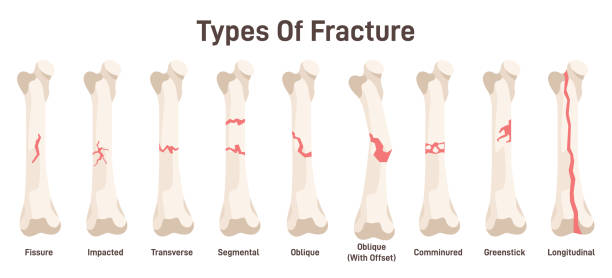
  • Transverse Fracture: A straight break occurring perpendicular to the bone’s long axis, often caused by a direct blow.
  • Spiral Fracture: Caused by a twisting force, the fracture line spirals around the bone shaft, resembling a staircase. Common in sports injuries and car accidents.
  • Greenstick Fracture: Unique to children with flexible bones, a greenstick fracture involves a bend and partial break, resembling a green stick that bends but doesn’t snap completely.
  • Stress Fracture: Tiny cracks or hairline fractures caused by repetitive stress or overuse, common in athletes and individuals engaged in high-impact activities.
  • Compression Fracture: The collapse of a vertebra, often due to osteoporosis or trauma, causing pain, height loss, and curvature of the spine.
  • Other Fracture Types: Additional fractures include oblique fractures (angled break), impacted fractures (one fragment driven into another), segmental fractures (multiple breaks), and comminuted fractures (bone shatters into multiple fragments).

Symptoms of a Bone Fracture

Symptoms can vary depending on the location and severity of the fracture, but common signs include:

  • Pain, especially at the injury site, worsens with movement or pressure.
  • Swelling and bruising around the injured area due to inflammation and bleeding.
  • Visible deformity or misalignment in severe fractures.
  • Difficulty or inability to move the affected limb or joint.
  • Tenderness to the touch in the area around the fracture.
  • Numbness, tingling, or weakness below the injury site if nerves are affected.
  • Bone popping sound (crepitus), when broken bone ends, rub together.
  • Visible bone protrusion in open fractures.

What Causes Bone Fractures?

  • Trauma: Falls, sports injuries, car accidents, or direct blows to the bone.
  • Repetitive Stress: Overuse or repetitive stress on a bone can lead to stress fractures.
  • Osteoporosis: Weakens bones, making them more susceptible to fractures, especially in the spine, hips, and wrists.
  • Pathological Conditions: Certain medical conditions like bone cancer, bone diseases, or infections can weaken bone structure and increase fracture risk.
  • Age: Older adults are more prone due to decreased bone density, muscle mass, and impaired balance and coordination.
  • Sports and Activities: High-impact activities like football or gymnastics increase the risk due to physical demands and potential falls or collisions.
  • Accidents: High-speed collisions can cause severe injuries, including multiple fractures.
  • Violence: Fractures can also result from intentional acts of violence.

Diagnosing Bone Fractures

Diagnosis typically involves a detailed medical history, physical examination, and imaging studies:

  • Medical History: The doctor asks about the injury, symptoms, and any pre-existing medical conditions.
  • Physical Examination: The doctor examines the affected area for tenderness, swelling, deformity, and changes in range of motion.
  • Imaging Studies: X-rays are most common, followed by CT scans for complex fractures, MRIs for soft tissue injuries, bone scans for suspected but not visible fractures, and ultrasounds in specific cases.

Treatment Options for Bone Fractures

Treatment depends on the fracture type, location, displacement, patient’s age and health, and activity level. Here are some common approaches:

  • Immobilization: The primary goal is to stabilize the fractured bone for proper healing using casts, splints, braces, or traction. Immobilization helps prevent further injury, reduces pain, and allows the bone to heal correctly in the proper alignment.
  • Reduction: If the fracture is displaced, it may need realignment, a procedure called reduction. This can be done in two ways:
    • Closed Reduction: Performed without surgery, a doctor manipulates the bone fragments back into their correct position.
    • Open Reduction: Surgery is required to achieve proper alignment and stability. This may involve internal fixation using screws, plates, or rods, or external fixation using pins or screws placed outside the skin to hold the bones in place.
  • Medications: Pain relievers like over-the-counter or prescription medications may be recommended to manage pain during healing. Additionally, medications to prevent infection or promote bone healing may be prescribed.
  • Physical Therapy: Once healing begins, physical therapy exercises are crucial to restore strength, flexibility, and range of motion in the affected area. These exercises help prevent muscle atrophy, improve function, and facilitate a return to normal activities.
  • Follow-up Care: Regular appointments with your healthcare provider are essential to monitor healing progress, assess treatment effectiveness, and make adjustments if needed. X-rays or other imaging studies may be repeated to ensure proper bone alignment.

Conclusion

Bone fractures can vary significantly in severity. However, with proper diagnosis, treatment, and preventive measures, most fractures heal completely, and individuals can regain full function. Early intervention is crucial for optimal healing and preventing future complications. If you have concerns about your bone health or have experienced a fracture, consult a healthcare professional for proper diagnosis and guidance.

How Does Dehydration Affect Bone Health and Muscles?

Our bodies are complex machines, and staying hydrated is essential for optimal functioning. Water makes up a staggering 60% of our body weight, playing a vital role in everything from waste elimination to temperature regulation. While the importance of hydration is widely recognized, many people underestimate its profound impact on bone and muscle health. Here, the expert orthopaedic team at Ayushman Hospitals, Delhi, sheds light on how dehydration can negatively affect these crucial components of our physical well-being.

Understanding the Power of Water

Water is the lifeblood of our bodies, performing a multitude of critical tasks. It helps flush out waste products, maintains healthy body temperature, supports heart, skin, and gut health, lubricates joints, and facilitates nutrient absorption. Dehydration occurs when we lose more fluids than we consume, hindering these essential functions.

What Happens When We Are Dehydrated?

The effects of dehydration can be both immediate and long-term, with children and older adults being particularly vulnerable. Diarrhoea and vomiting can quickly lead to dehydration in both groups. Additionally, as we age, the body’s water content naturally decreases, increasing the risk of dehydration due to lung and bladder infections.

While mild dehydration often presents with readily noticeable symptoms like thirst, fatigue, and dizziness, severe cases can necessitate immediate medical attention. If you suspect dehydration in yourself or someone you care for, don’t hesitate to seek professional help from Ayushman Hospitals, Delhi.

Dehydration and Bones: A Recipe for Trouble

Though bones may appear solid, a healthy adult’s bones contain approximately 31% water. This precious liquid plays a critical role in bone health. Bone marrow, the soft tissue found at the core of bones, comes in two types: red and yellow. Red bone marrow houses blood stem cells responsible for producing red blood cells, white blood cells, and platelets. Yellow bone marrow, on the other hand, stores fat and houses stem cells that generate cartilage and bone cells.

Water is essential for the continuous production and function of these cells. It also facilitates the absorption of minerals that strengthen bones. When dehydrated, the body struggles to absorb calcium and vitamin D, both crucial for bone health. This deficiency can lead to osteoporosis, a condition characterized by weak and brittle bones prone to fractures. Dehydration further compounds the problem by hindering the body’s ability to eliminate toxins, which can build up in bones and contribute to inflammation and bone mass deterioration.

Dehydration’s Grip on Muscles: Reduced Performance and Pain

When dehydrated, the body prioritizes water allocation for vital organs like the heart and lungs, restricting supply to other areas like muscles. This lack of essential fluids and electrolytes (minerals like sodium, calcium, and potassium) can lead to muscle cramps and hinder overall performance.

Protecting Your Joints: The Importance of Synovial Fluid

Our joints are marvels of engineering, allowing for smooth and pain-free movement. Up to 80% of joint cartilage is composed of water. A dense lubricating fluid called synovial fluid bathes the joints, providing a cushion between bones and absorbing shock during movement. Dehydration depletes this crucial fluid, leading to decreased lubrication and increased friction. This can manifest as joint pain and potentially contribute to long-term mobility issues.

Identifying Dehydration: Early Detection is Key

The most straightforward way to identify early signs of dehydration is thirst. However, in some cases, a laboratory test may be necessary for a definitive diagnosis. Common tests include:

  • Kidney function tests to assess creatinine and blood urea nitrogen levels
  • Urine tests to measure sodium concentration and plasma serum osmolality

Combating Dehydration: Simple Steps for Optimal Health

While severe dehydration requires immediate medical intervention, staying adequately hydrated is the primary defense against its negative effects. Here are some practical tips to ensure you’re consuming enough water:

  • Listen to your body: Thirst is a clear indicator that your body needs water. Don’t ignore it!
  • Snacking vs. Drinking: Sometimes, thirst can be mistaken for hunger. Try drinking a glass of water before reaching for a snack to see if that satisfies your craving.
  • Monitor your urine: Pale yellow or clear urine indicates good hydration, while dark yellow urine suggests dehydration.
  • Regular urination: Frequent urination is a sign of proper hydration. If you’re not urinating regularly, increase your water intake.

Seeking Medical Attention: When to Worry

Severe dehydration can lead to serious and potentially life-threatening complications like heat stroke, kidney failure, and kidney stones. If you experience any of the following symptoms, don’t hesitate to seek immediate medical attention from the expert orthopaedic team at Ayushman Hospitals & Health Services, Delhi:

  • Body temperature exceeding 103 degrees Fahrenheit
  • Persistent muscle twitching
  • Leathery or dry skin that lacks elasticity (tenting)
  • Extreme nausea or vomiting
  • Rapid heartbeat (pulse)
  • Inability to sweat
  • Confusion, delirium, or slurred speech
  • Dizziness or fainting

Our dedicated orthopaedic doctors offer comprehensive diagnosis and treatment for dehydration symptoms. We take pride in providing the utmost care and precision in managing your health concerns. Schedule an appointment with our highly qualified orthopedic specialists for personalized guidance on lifestyle modifications and preventive measures to safeguard your muscle and bone health.

Remember, water is your body’s best friend. By prioritizing hydration, you’re investing in a lifetime of strong bones, healthy muscles, and overall well-being.

How to Keep Your Spine Safe from a Disc Prolapse

The human spine is a marvel of engineering, providing both support and flexibility. However, this complex structure can be susceptible to injury, including disc prolapse, also known as a slipped disc. This condition occurs when the soft inner core of a spinal disc bulges or ruptures through the tougher outer ring, potentially pressing on nearby nerves and causing pain, numbness, or weakness.

Understanding the anatomy of the spine and the causes of disc prolapse is crucial for taking preventative measures.

What is Disc Prolapse?

Disc prolapse happens when the outer ring of a disc weakens or tears, allowing the inner core to protrude. This protrusion can compress neighboring nerves, leading to a variety of symptoms. The location of the prolapsed disc determines the specific nerves affected and the resulting symptoms.

Symptoms of Disc Prolapse

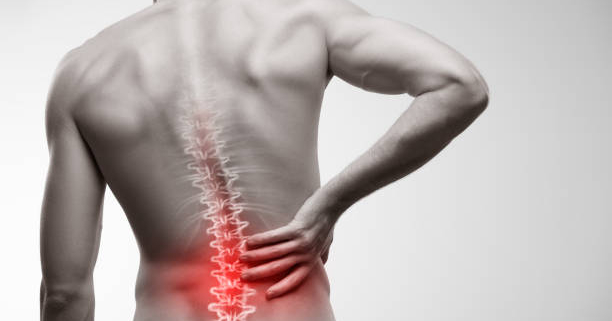
A disc prolapse may manifest in any spinal region, though it typically emerges in the lower back (lumbar spine) or occasionally in the neck (cervical spine). Symptoms fluctuate based on the disc’s location and the nerves affected. The following are among the most frequently encountered symptoms:

  • Pain: This is the most frequent symptom, often described as sharp, burning, or electric shock-like. Pain can radiate from the lower back down the buttocks and leg (sciatica) if the disc prolapse is in the lumbar spine. In the cervical spine, pain may travel into the shoulder and arm. Certain movements, coughing, sneezing, or maintaining specific positions can worsen the pain.
  • Numbness and Tingling: People with a slipped disc often experience a pins-and-needles sensation or numbness in the area served by the affected nerve.
  • Weakness: Muscles controlled by the compressed nerves may become weak, leading to difficulty walking, stumbling, or problems holding or lifting objects.
  • Loss of Bladder or Bowel Control: In severe cases, the nerves controlling bladder and bowel function can be affected, leading to loss of control. This is a rare symptom.

Causes of Disc Prolapse

Disc prolapse isn’t caused by the disc slipping out of place. Instead, it’s the bulging or herniation of the inner material that creates problems. Several factors can contribute to disc prolapse:

  • Disc Degeneration: As we age, the discs in our spine naturally lose water content and flexibility, making them more susceptible to tears or ruptures. This is the most common cause of disc prolapse.
  • Injury: A sudden impact, such as a fall or forceful twisting of the spine, can cause a disc to herniate.
  • Physical Activities: Certain activities that put excessive strain on the spine, like repetitive bending, heavy lifting, or forceful twisting, can increase the risk of disc prolapse. Jobs requiring constant pulling, pushing, or lifting can also be risk factors.
  • Genetics: Some people have a genetic predisposition to weaker disc material, making them more susceptible to prolapse.
  • Lifestyle Choices: Smoking, obesity, and excessive stress can accelerate disc degeneration and increase the risk of prolapse.

Treatment for Disc Prolapse

The good news is that most disc prolapse cases resolve on their own within 6-8 weeks. Treatment usually focuses on pain management and promoting healing. Here are some common treatment options:

  • Medication: Non-prescription pain relievers such as ibuprofen or acetaminophen are effective in alleviating mild to moderate pain. Corticosteroid injections near the affected nerves may be used for more severe pain. Muscle relaxants may be prescribed to address muscle spasms.
  • Physiotherapy: Physiotherapy exercises can strengthen core muscles, improve flexibility, and reduce pain. A physiotherapist will teach you specific exercises and postures to manage your disc prolapse.
  • Home Remedies: Applying hot or cold packs to the affected area can provide temporary pain relief and reduce inflammation. Staying active with light walks or gentle stretching is recommended to prevent muscle stiffness. However, avoid prolonged bed rest. Remember to maintain proper form and avoid sudden movements while bending or lifting.
  • Surgery: In severe cases where conservative treatment fails to provide relief for several weeks, surgery may be recommended. Surgery typically involves removing only the protruding portion of the disc. In rare cases, the entire disc may be removed, and the vertebrae may be fused for stability.

Preventing Disc Prolapse: Taking Charge of Your Spinal Health

Disc prolapse can be a debilitating condition, but the good news is that there are several steps you can take to significantly reduce your risk. Here are some key strategies for keeping your spine healthy and preventing disc prolapse:

  • Embrace Regular Exercise: Physical activity strengthens the muscles that support your spine, improving its overall stability and reducing pressure on the discs. Aim for regular exercise that incorporates both strength training and flexibility exercises. Engaging in swimming, walking, yoga, and Pilates can be fantastic options.
  • Maintain Good Posture: Poor posture, especially slouching, puts excessive strain on the discs in your lower back. Remember to maintain good posture all day long, whether you’re seated, standing, or on the move. Here are some tips:
    • Keep your shoulders back and relaxed.
    • Keep the natural arch in your lower back.
    • When sitting, ensure your feet are flat on the floor and knees bent at a 90-degree angle.
    • Consider investing in a supportive ergonomic chair with excellent lumbar support.
  • Lift Smart: Lifting heavy objects is a common cause of disc prolapse. Here’s how to lift safely:
    • Bend your knees and maintain a straight back while lifting.
    • Engage your core muscles for support.
    • If the object feels too heavy, don’t hesitate to request assistance.
  • Maintain a Healthy Weight: Excess weight puts extra stress on your spine and discs. Losing weight or maintaining a healthy weight can significantly reduce your risk of disc prolapse.
  • Quit Smoking: Smoking weakens the discs and hinders the healing process. Quitting smoking is not only beneficial for your overall health but also for your spinal health.
  • Manage Stress: Chronic stress can contribute to muscle tension and tightness, which can put strain on your spine. Techniques like meditation, yoga, and deep breathing can help manage stress and promote relaxation.
  • Listen to Your Body: Be attentive to the signals it sends. If you experience any pain or discomfort in your back, especially after strenuous activity, take a break and rest. Could you please provide more context or clarify what you’d like rewritten? I’m here to help!
  • Consider Chiropractic Care: While not a cure-all, chiropractic adjustments can improve spinal alignment and joint function, potentially reducing the risk of disc prolapse. However, it’s important to consult with your doctor before starting chiropractic care.

Conclusion

By incorporating these preventative measures into your lifestyle, you can significantly reduce your risk of developing disc prolapse. Remember, a healthy spine is essential for maintaining mobility, preventing pain, and ensuring an active life. If you experience any persistent back pain or suspect a disc prolapse, consult a healthcare professional for proper diagnosis and treatment. Early intervention can prevent the condition from worsening and ensure a faster recovery.

Arthritis: Symptoms, Causes, Types, Treatment & Prevention

Arthritis is a widespread condition affecting millions of people globally, causing significant pain, stiffness, and inflammation in the joints. While there’s no cure, various treatment options and lifestyle modifications can effectively manage symptoms and improve quality of life. This guide delves into the different types of arthritis, their causes, diagnosis, treatment strategies, and helpful tips for living well with the condition.

What is Arthritis?

Arthritis refers to a group of over 100 conditions that damage your joints, the areas where two bones meet. The natural wear and tear of daily activities, injuries, or underlying health issues can contribute to arthritis development. The condition primarily affects the hands, wrists, knees, hips, feet, ankles, shoulders, and lower back.

Types of Arthritis

The most common forms of arthritis include:

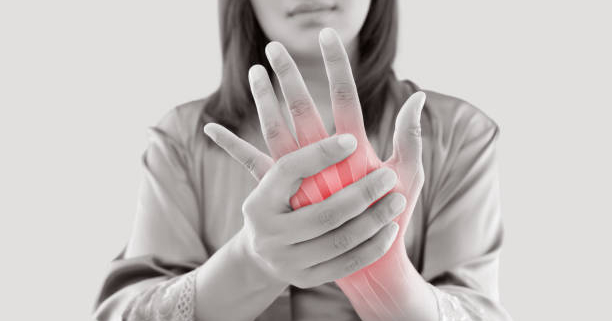
  • Osteoarthritis (OA): This “wear-and-tear” arthritis is the most prevalent type, typically affecting adults over 50. The cartilage cushioning your joints gradually breaks down over time, causing pain, stiffness, and reduced flexibility.
  • Rheumatoid Arthritis (RA): An autoimmune disease where the immune system mistakenly attacks the joints, leading to inflammation, pain, swelling, and joint deformity. RA can affect any joint and often progresses symmetrically (affecting both sides of the body).
  • Gout: This sudden and severe arthritis flare-up occurs when excess uric acid in the blood crystallizes and deposits in joints, most commonly the big toe. The pain can be excruciating.
  • Ankylosing Spondylitis: Primarily affecting the spine, this inflammatory arthritis causes pain, stiffness, and fusion of the spinal joints. It often starts in the lower back and progresses upwards.
  • Psoriatic Arthritis: Associated with the skin condition psoriasis, this arthritis can cause pain, swelling, and stiffness in various joints, along with characteristic changes in the fingernails and toenails.
  • Juvenile Arthritis: This form of arthritis affects children and teenagers under 16. It can be challenging to diagnose as symptoms may mimic other childhood illnesses.

Symptoms and Causes of Arthritis

The most common symptoms of arthritis include:

  • Joint pain, ranging from dull aches to sharp, stabbing pain.
  • Swelling or inflammation around the affected joint.
  • Reduced range of motion in the joint.
  • Tenderness or sensitivity to touch.
  • Warmth or redness around the joint.

The specific cause of arthritis varies depending on the type:

  • Osteoarthritis: Primarily caused by cartilage breakdown due to aging and wear and tear.
  • Rheumatoid Arthritis: An autoimmune disease with unknown triggers. Genetics and environmental factors may play a role.
  • Gout: Develops due to high uric acid levels in the blood, often caused by diet, certain medications, or underlying health conditions.
  • Ankylosing Spondylitis: The exact cause is unknown, but genetics are believed to be a significant factor.
  • Psoriatic Arthritis: Occurs in people with psoriasis, potentially due to an overactive immune system.
  • Juvenile Arthritis: The cause is unknown, but genetics and environmental factors are suspected to contribute.

Diagnosis and Tests

Diagnosing arthritis often involves a combination of a physical examination, a discussion of your medical history and symptoms, and imaging tests. During the physical exam, your healthcare provider will assess the affected joints for pain, swelling, tenderness, and range of motion.

Imaging tests may include:

  • X-rays: To visualize bone abnormalities and joint damage.
  • Ultrasound: To assess soft tissues like tendons and ligaments around the joint.
  • Magnetic Resonance Imaging (MRI): To create detailed images of bones, soft tissues, and inflammation within the joint.
  • Computed Tomography (CT) scan: To provide detailed cross-sectional images of bones and soft tissues.

Blood tests may also be conducted to check for uric acid levels (for gout) or rule out other underlying conditions.

Management and Treatment

While there’s no cure for arthritis, various treatment options can effectively manage symptoms and improve your quality of life. The specific treatment plan will depend on the type of arthritis, severity of symptoms, and your overall health. Common treatment approaches include:

  • Over-the-counter (OTC) pain relievers: Medications like acetaminophen and nonsteroidal anti-inflammatory drugs (NSAIDs) such as ibuprofen or naproxen can help reduce pain and inflammation.
  • Prescription medications: Stronger pain relievers, disease-modifying antirheumatic drugs (DMARDs) for rheumatoid arthritis, or corticosteroids (powerful anti-inflammatory medications) may be prescribed by your healthcare provider.
  • Physical and Occupational Therapy: Occupational therapists can help you modify daily activities to minimize joint stress and maximize your independence.
  • Assistive devices: Canes, walkers, braces, or splints can provide support and stability, helping you perform daily tasks with greater ease.
  • Heat and cold therapy: Applying heat (heating pads, warm baths) or cold (ice packs) to affected joints can help manage pain and inflammation.
  • Weight management: Maintaining a healthy weight reduces stress on weight-bearing joints like knees and hips, potentially improving symptoms.
  • Surgery: In instances of severe conditions where alternative treatments prove ineffective in delivering sufficient relief, surgery might be contemplated. Joint replacement surgery (arthroplasty) is a common option to replace damaged joints with artificial implants. Joint fusion surgery may also be an option for specific joints.

Prevention

While some forms of arthritis are unavoidable due to aging or genetics, certain lifestyle modifications can help reduce your risk or delay the onset of symptoms:

  • Maintain a healthy weight: Excess weight puts extra stress on your joints, particularly weight-bearing ones.
  • Exercise regularly: Low-impact exercises like walking, swimming, or cycling can strengthen muscles, improve flexibility, and maintain joint health.
  • Eat a balanced diet: Choose a nutritious diet rich in fruits, vegetables, and whole grains to support overall health and potentially reduce inflammation.
  • Protect your joints: Practice proper posture and avoid activities that put excessive stress on your joints.
  • Don’t smoke: Smoking can worsen arthritis symptoms and increase the risk of developing rheumatoid arthritis.

Living With Arthritis

Arthritis is a long-term condition requiring ongoing management. Here are some tips for living well with arthritis:

  • Be informed: Educate yourself about your specific type of arthritis and its management options.
  • Partner with your healthcare provider: Maintain regular appointments with your doctor or rheumatologist to discuss your symptoms and treatment progress.
  • Manage stress: Stress can exacerbate arthritis symptoms. Consider relaxation techniques like yoga, meditation, or deep breathing exercises.
  • Join a support group: Connecting with others who understand the challenges of arthritis can provide emotional support and valuable advice.
  • Stay active: Regular physical activity is crucial for maintaining joint health and reducing stiffness. Choose exercises that are gentle on your joints and modify them as needed.
  • Listen to your body: Pay attention to your pain levels and adjust your activities accordingly. Don’t push yourself through severe pain.
  • Prioritize sleep: Adequate sleep allows your body to heal and repair itself, which can help manage pain and inflammation.
  • Maintain a positive attitude: Focus on what you can control and celebrate your achievements.

Additional Considerations

  • Weather and Arthritis: Some people with arthritis experience worsened symptoms during cold or humid weather. Dress warmly in cold weather and consider using a dehumidifier at home if humidity seems to trigger your pain.
  • Complementary and Alternative Therapies: Some people find relief with complementary therapies like acupuncture, massage, or fish oil supplements. However, it’s essential to discuss these options with your healthcare provider before starting them.

Conclusion

Arthritis can be a challenging condition, but with proper management and lifestyle modifications, you can take control and live a fulfilling life. Remember, early diagnosis and treatment are crucial for preventing joint damage and maintaining a good quality of life. Reach out to your healthcare provider if you experience any persistent joint pain or stiffness.

At Ayushman Hospital & Health Services, we understand the impact arthritis can have on your daily life. Our team of experienced rheumatologists, orthopedic surgeons, physiotherapists, and other healthcare professionals is dedicated to providing comprehensive care for all types of arthritis. We offer a personalized approach to treatment, focusing on pain management, improving joint function, and preventing further damage.

Best Hospital for Robotic Knee Replacement Surgery in Delhi

Looking for the best hospital for robotic knee replacement surgery in Delhi? Look no further. At Ayushman Hospital & Health Services, we have the best surgeons and the latest technology to ensure your procedure is safe and effective.

Dr. Raj Kumar is a renowned knee joint replacement surgeon in Delhi, currently serving as the Director and Head of the Orthopaedics and Joint Replacement Department at Ayushman Hospital & Health Services in Dwarka, Sector 10, New Delhi. With over 30 years of experience, Dr. Raj specializes in high-risk trauma cases, knee and hip replacements, and spine surgeries.

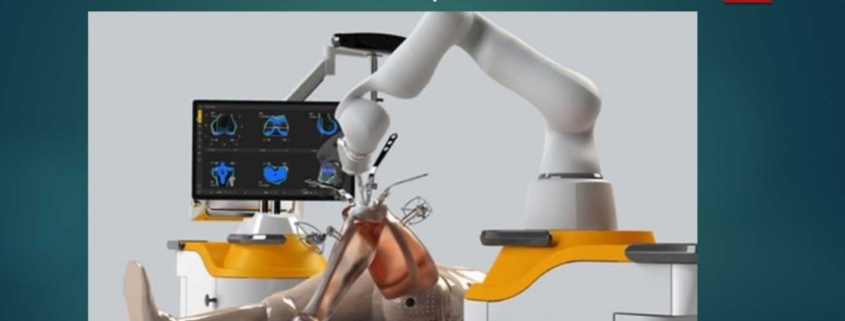
Dr. Raj is well-versed in minimally invasive surgical techniques, which involve smaller incisions, less blood loss, shorter hospital stays, and quicker recovery times. He utilizes advanced technology, including the world’s first fully active robot (CUVIS) with an infrared camera, to perform robotic knee replacement surgeries. To date, he has completed over 500+ robotic knee replacements.

In his extensive career, Dr. Raj Kumar has performed more than 18,000 orthopedic surgeries, including over 3,000 knee joint replacements and arthroscopic procedures. He has also participated in numerous training programs to deepen his understanding of orthopedic conditions and their treatments, solidifying his expertise in the field.

Robotic Assisted Knee Replacement Surgery

The knee is a vital part of our body, essential for daily activities like walking, climbing stairs, and playing sports. However, aging or injuries can compromise knee stability and function, leading to significant problems. Knee replacement surgery is an effective solution that helps many people return to normal life by addressing these issues.

Thanks to technological advancements, robotic knee replacement surgery in Delhi offers long-term benefits and faster recovery times. This innovative approach is increasingly used in various surgeries, including total knee replacements. As a leading hospital for robotic knee replacement in Delhi, our doctors and team utilize the latest technology to achieve the best possible outcomes for our patients.

In this procedure, the damaged parts of the knee are replaced with artificial components. While similar to traditional knee replacement surgery, robotic-assisted surgery involves the use of a robot to enhance precision. Patients suffering from severe knee pain and discomfort can expect improved outcomes and a quicker return to normal activities with robotic knee replacement surgery.

What is Robotic Knee Replacement Surgery?

Robotic knee replacement surgery in Delhi involves replacing the damaged or injured parts of your knee with an artificial joint. During the procedure, specialists use CT scans to create a 3D model of the knee, which helps them accurately identify the problem. Once diagnosed, a robotic arm assists in making precise bone cuts and inserting the new joint accurately.

If you or your loved ones are experiencing knee issues, robotic knee replacement surgery is an excellent option. Here are some key benefits:

  • World’s Safest Technology
  • Submillimeter Accuracy
  • Future of Joint Replacement
  • Zero Chances of Human Error
  • Longest-lasting Implants
  • Natural Feel After Surgery
  • Sutureless Surgery
  • Painless Procedure
  • Clinically Proven

These advantages make robotic knee replacement a highly effective and reliable treatment for knee problems.

Types of Robotic Technology

There are three main types of robotic technologies used in knee replacement surgery: passive, semi-active, and active systems. The primary difference between them lies in how much work the robots do independently versus with human assistance.

  • Passive and Semi-Active Systems: These types of robotic surgeries involve significant input from the surgeon. The robots assist with tasks like making precise cuts and drilling, but the surgeon controls and guides them.
  • Active Systems: This is the most advanced type of robotic technology. Active systems, like the CUVIS robot, are fully autonomous and can perform surgery with minimal human intervention. These robots can handle complex procedures with high precision.

At Ayushman Hospital, we use CUVIS robots, the world’s first fully active robot with an infrared camera, to perform knee replacement surgery (arthroplasty). This advanced technology ensures precise and efficient procedures.

Who Needs Robotic Knee Replacement Surgery?

Robotic knee replacement is an effective and safe option for those needing a total knee replacement. Before deciding on this treatment, it’s important to talk to your doctor about your condition to determine if surgery or other conservative treatments are best for you.

Robotic-assisted knee replacement surgery is particularly beneficial for complex knee joint issues. Candidates who might benefit include those with:

  • Defects in the femur due to an accident or injury
  • Severe degeneration of the knee joint
  • Complications from previous knee surgeries

Discussing your specific knee problems with your doctor will help determine if robotic knee replacement is the right choice for you.

Benefits of Robotic Knee Replacement Surgery in Delhi

Robotic knee replacement surgery offers several advantages over conventional methods, including:

  • Improved Surgical Planning: Robotic surgery benefits your overall health by using 3D images taken before the procedure. These images help surgeons plan the surgery accurately, ensuring the knee joint is placed correctly with the right size and fit.
  • Better Precision: Robotic technology allows doctors to enhance their precision in tissue removal and implant positioning. This leads to faster healing times, fewer complications, and a lower chance of needing revision surgery.

By choosing robotic knee replacement, patients can expect a more accurate procedure and a quicker recovery.

Final Note

Ayushman Hospital is a leading facility for robotic knee replacement surgery in Delhi, dedicated to improving patients’ quality of life through successful procedures. Our hospital features the latest robotic technology and has successfully performed thousands of knee replacement surgeries.

We’re here to help. Contact us to book an appointment for a safe and effective robotic knee replacement surgery in Delhi.

Robotic Knee Replacement

Chronic knee pain can greatly diminish your quality of life. If you’ve exhausted conservative treatment options like medication and physical therapy, robotic knee replacement surgery might be the answer. But with technological advancements, you now have a choice: traditional knee replacement or robotic-assisted surgery. This blog, brought to you by Ayushman Hospital & Health Services, aims to shed light on robotic knee replacement, helping you decide if it’s the right path for you.

What is Robotic Knee Replacement?

Robotic knee replacement, also known as robot-assisted knee arthroplasty, is a minimally invasive surgical procedure performed with the guidance of a robotic arm. Here’s how it differs from conventional surgery:

  • Planning: In traditional surgery, the surgeon plans the implant placement based on X-rays and their experience. Robotic surgery uses pre-operative 3D CT scans to create a virtual model of the knee.
  • Precision: During surgery, a robotic arm assists the doctor in making precise bone cuts based on the pre-operative plan. This minimizes the risk of human error and ensures optimal implant alignment.
  • Minimally Invasive: The robotic arm allows for smaller incisions than traditional surgery, potentially leading to less tissue damage, blood loss, and pain.

Potential Benefits of Robotic Knee Replacement

While both traditional and robotic knee replacements replace the damaged joint with an artificial implant, robotic surgery offers some potential advantages:

  • Improve Accuracy and Implant Alignment: The robotic arm’s precision may lead to a more accurate fit of the implant, potentially improving knee function and longevity of the replacement.
  • Faster Recovery and Shorter Hospital Stay: Minimally invasive techniques can lead to faster healing, shorter hospital stays, and quicker return to daily activities.
  • Reduce Pain and Blood Loss: Smaller incisions and precise bone cuts may result in less pain and blood loss during and after surgery.

Who is a Candidate for Robotic Knee Replacement?

Robotic knee replacement could be a suitable option for:

  • Individuals with severe knee osteoarthritis causing significant pain and limitations in daily activities
  • Patients who desire a minimally invasive surgical approach
  • People seeking a potentially faster recovery and shorter hospital stay

However, it’s important to consider the following factors:

  • Age and Overall Health: Generally, younger and healthier individuals tend to be better candidates for robotic surgery.
  • Activity Level: Highly active individuals may benefit more from the potential advantages of robotic surgery, like improved implant alignment and longevity.
  • Discussion with Doctor: During your consultation, the Doctor will assess your case, medical history, and activity level to determine if robotic knee replacement is the most suitable option for you.

Factors to Consider When Making Your Decision

While robotic knee replacement offers potential advantages, it’s crucial to weigh all factors before deciding. Here are some additional considerations:

  • Potential Risks and Limitations: Robotic surgery is still a relatively new technology, and long-term data is still being collected. It’s vital to discuss potential risks with the Doctor, such as infection, nerve damage, and blood clots, which are also present in traditional surgery. Additionally, robotic surgery may not be suitable for all knee anatomies or complex revision surgeries.
  • Cost Comparison: Robotic surgery typically comes with a higher price tag compared to traditional knee replacement due to the added technology and equipment. Ayushman Hospital & Health Services works with most insurance companies, and our team can help navigate the insurance process to understand your coverage for robotic surgery.
  • Availability: Robotic surgery might not be readily available in all areas. Ayushman Hospital & Health Services is proud to be one of the leading facilities offering robotic knee replacement surgery with Dr. Raj’s expertise.

Final Note

If you are thinking about knee replacement surgery, arrange a consultation with Dr. Raj Kumar at Ayushman Hospital & Health Services. During the consultation, Dr. Raj will discuss your case, answer your questions, and help you decide if traditional or robotic knee replacement is the right path for you. We understand that knee pain can be debilitating, and our team is dedicated to providing personalized care and advanced surgical options to help you regain your mobility and improve your quality of life.