Ayushman Hospital which is renowned for best orthopedic hospital in Delhi; which offer specialized deformity correction treatments, particularly in the field of orthopedics. The hospital uses advanced techniques and technology to treat various deformities, including limb deformities, spinal deformities, and joint-related issues.

What does Deformity correction mean?

Deformity correction which is usually called surgical adjustment or modification of bone that grows incorrectly as the result of a disease or condition. It involves straightening of bones, realigning of joints, and stabilizing bones to correct conditions like scoliosis, kyphosis, bowlegs, or knock-knees etc.
For orthopedics related deformities it is important to consult with best orthopedic doctor, Delhi.

Types of Orthopedic deformities:-

Deformity correction at Ayushman Hospital in Dwarka, New Delhi, typically involves advanced orthopedic procedures used for correcting various bone, joint, and spinal deformities. The hospital is equipped with modern technology with experienced surgeons who specialize in treating such conditions which are mentioned below:-

1. Limb Deformities:

  • Bone Lengthening: Ayushman Hospital offers best orthopedic doctors in Delhi, which are specialized in various surgeries for treating conditions like limb shortening or congenital deformities. This procedure can help to restore the normal alignment and function of the affected limb.
  • Bone Alignment Surgery: For cases of bowing or angular deformities, surgery may involve realigning the bone to correct the deformity which is treated by best orthopedic surgeon in Delhi.

2. Spinal Deformities:

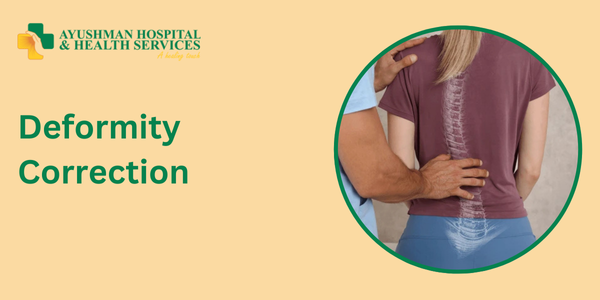
  • Scoliosis: Correction of spine posture by using advanced spinal surgery techniques.
  • Kyphosis: Treatment of abnormal posture of the spine which causes bending of back.
  • Spinal Fractures: Correction of deformities which occurs due to fractures through advanced spinal fusion or corrective surgeries.

3. Joint Deformities:

  • Knee Deformities: Correction of knock knees (genu valgum) or bow legs (genu varum), especially in cases where the deformities affect the function of the knee joint.
  • Hip and Shoulder Deformities: Treatment for hip and shoulder misalignments or joint dysfunction.

Benefits of Deformity correction included:-

  • Improved Functionality and Mobility
  • Relief from pain and helps in improvement of posture
  • Avoiding Degenerative Damage and Reducing Future Surgeries risks.
  • Reduces Psychological Stress and helps in improving quality of life.
  • Minimally Invasive Options and Faster Recovery

Why Choose Ayushman Hospital for Deformity Correction?

  1. Expert Orthopedic Care: The hospital consists of a team of skilled orthopedic surgeons in Delhi, who are specialized in deformity correction.
  2. State-of-the-Art Technology: Advanced surgical tools and techniques, including computer-assisted surgery and minimally invasive methods, ensure precision and quicker recovery.
  3. Personalized Treatment: Each patient receives a tailored treatment plan based on their unique needs and condition.
  4. Comprehensive Rehabilitation: The hospital offers robust post-surgery care, helping patients recover faster and regain optimal mobility.

Conclusion

Ayushman Hospital is expert in the field of orthopedic deformity correction, which offer cutting-edge treatments and exceptional patient care. Whether dealing with congenital deformities, trauma-induced misalignments, or degenerative conditions, Ayushman Hospital provides patients with the highest level of medical expertise and modern technology to achieve the best possible outcomes. If you explore the best orthopedic hospital near your location in Delhi then consult best orthopedic specialists at Ayushman Hospital for restoring normal function and improving quality of life.


Book Your Consultation Today!

Experiencing hair loss issues? Don’t wait until it’s too late! The best dermatologist care is just a click away.

🌐 Visit: www.ayushmanhhs.in

Would you like more information on costs, insurance, or doctor recommendations?

Revision Knee & Hip Replacement

Ayushman Hospital is state-of-the-art Centre of Excellence in Orthopedics and Joint Replacement is regarded as one of Delhi’s top orthopedic facilities. If you’re looking for the best knee and hip replacement surgery in Delhi, then look no further than Ayushman hospital which contributes into this era with their specialized team in orthopedics treatment. Our total knee replacement surgeries are safe, successful, and beneficial for pain relief, correcting deformity and have helped numerous patients reclaim their everyday lives.

Knee and Hip Replacement

Knee and hip replacements are common surgical procedures aimed at improving mobility and alleviating pain caused by joint damage. These surgeries are particularly beneficial for individuals with severe arthritis or those who have suffered from traumatic injuries. They are intended to relieve pain and restore function by prosthetic substitutes which are used for the injured knee or hip joint.

The Orthopedics & Joint Replacement Surgery division at Ayushman hospital in Dwarka, Delhi, has a cutting-edge Digital Orthopedic Operating Suite. We offer complete treatment for a range of orthopedic disorders, such as joint, hip, and knee problems. In order to safeguard the patient’s health, the joint implants are pre-operatively prepared for ideal size and placement depending on their anatomy. We are regarded as one of Delhi’s top hospitals because of the wide range of services. By concentrating on offering the best possible patient care and professional knowledge for early mobilization, we have raised orthopedic treatment to a world-class level.

What do you mean by knee replacement?

Knee replacement surgery, also referred as knee arthroplasty, is a procedure where the damaged or worn-out surfaces of the knee joints are replaced with prosthetic components. The most common reason for a knee replacement is osteoarthritis, but other conditions such as rheumatoid arthritis and post-traumatic arthritis can also contribute to the need for surgery.

Symptoms associated with knee problems include:

  • Persistent knee pain
  • Symptoms of Knee Problems
  • Swelling
  • Difficulty while walking
  • Trouble in climbing stairs or performing daily tasks
  • Knee deformities, such as bowing in or out

Types of Knee Replacement:

  1. Total Knee Replacement (TKR): This involves replacing both the femoral and tibial surfaces, along with the kneecap. Many people have benefited from this surgery and are now able to live a normal life.
  2. Partial Knee Replacement (PKR): Partial knee replacement is also known as unicondylar knee arthroplasty or unicompartmental knee arthroplasty. Damaged cartilage and bone are removed and replaced only in one diseased portion of the knee during this surgery. This is not the same as a total knee replacement, which replaces the bone and cartilage in the whole joint.

Partial knee replacement is appropriate for people who have arthritis in only one compartment (section) of the knee joint rather than the entire joint. For certain persons with medical issues that prevent them from undergoing total knee replacement surgery, it can also relieve pain and stiffness.

Benefits of Knee Replacement:

  • Significant reduction in pain.
  • Improved knee function and range of motion.
  • Better quality of life, allowing for daily activities and exercise

Risk Factors associated with Knee Replacement Surgery:

Certain activities should be avoided following Total Knee Replacement Surgery. These are some examples:

  • Squatting
  • Sitting with one leg crossed
  • High-impact activities, such as sports, require a lot of physical effort.

Recovery and Rehabilitation:

Recovery from knee replacement varies but typically involves hospital stay of 1-3 days, followed by several weeks of physical therapy. Patients may be able to return to normal activities after a few months, with most people experiencing full recovery within 6-12 months.

What do you mean by Hip replacement surgery?

Hip replacement surgery or hip arthroplasty, which is performed to replace a damaged or worn-out hip joint with an artificial implant. Like knee replacement, hip replacement is typically recommended for patients with severe arthritis, but it can also be needed after a hip fracture or due to degenerative conditions.

In hip osteoarthritis, the smooth articular cartilage wears away and becomes frayed and rough.

Types of Hip Replacement:

  1. Total Hip Replacement (THR):This Involves replacing both the portion of femoral head and the socket (acetabulum) of the hip joint. Many people have benefited from this surgery and are now able to live a normal life.
  2. Partial Hip Replacement (Hemiarthroplasty):It involves only the ball portion replacement of the hip joint.
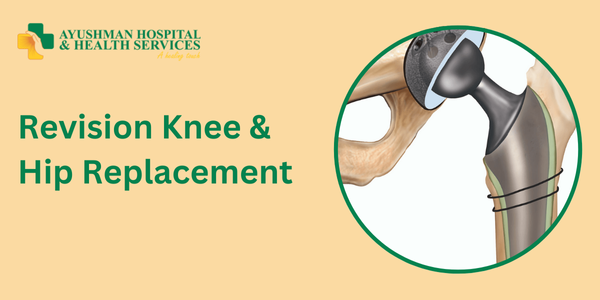
  3. (Left)The individual components of a total hip replacement. (Center) The components merged into an implant. (Right) The implant as it fits into the hip.

Benefits of Hip Replacement:

  • Alleviates pain from arthritis or joint degeneration.
  • Improves hip function, helping with walking, standing, and sitting.
  • Restores mobility and enhances quality of life.

Recovery and Rehabilitation:

The recovery process for hip replacement typically includes a hospital stay of about 3-5 days. Physical therapy starts soon after surgery and continues for several months to help patients regain strength and mobility. Full recovery can take several months, but most people return to daily activities within 6-12 weeks.

Risks and Considerations

While knee and hip replacement surgeries have high success rates, they are not without risks. Possible complications include:

  • Infection.
  • Blood clots.
  • Prosthesis dislocation or wear.
  • Nerve or blood vessel damage.

Before deciding on surgery, it’s essential to consult with a doctor to evaluate the extent of joint damage and consider factors such as age, overall health, and activity level.

Conclusion

Knee and hip replacement surgeries are transformative procedures that offer pain relief and improved functionality for individuals suffering from severe joint issues. With proper care and rehabilitation, patients can expect to regain their independence and lead a more active, pain-free life.

Book Your Consultation Today!

Experiencing hair loss issues? Don’t wait until it’s too late! The best dermatologist care is just a click away.

🌐 Visit: www.ayushmanhhs.in

Would you like more information on costs, insurance, or doctor recommendations?
Sports is one of the most important way to indulge yourself in physical activities and to boost up your stamina but the injuries related to that are also very excruciating and terrible.
Sports injuries refer to those which generally arises while doing physical activities or exercises. It may affects the musculoskeletal system which may comprises the following parts like tendons, muscles, ligaments and bones etc which provides the body structure ,support ,flexibility to move,and rigidity etc which will be helpful in doing physical activities.

Causes of sports injuries:-

As physical activities are safe in playing if follow the in guidance and rules of the sports correctly also there are reasons behind sports injuries which are as follows

  • Not using appropriate techniques of exercising
  • While increasing the exercising limits too quickly , too frequently may also leads to sports injuries
  • Not wearing appropriate sports shoes or other defensive materials while performing harder sports
  • Neglect prior acute injuries
  • Administering steroidal drugs which may causes severe damage if used prolonged
  • Other medications include fluoroquinolones which causes the side effect of tendinitis
  • Sports injuries may varies according to age , sex, body stamina and the type of physical activity performed.

TYPES OF SPORTS INJURIES:-

There are various types of sports injuries which may arises due to abrupt collisions, repetitive motions, or poor technique. Usually, these injuries fall into 2 broad types: acute injuries or overuse/chronic sports injuries.

1. Acute sports Injuries :-

It incudes injuries are as follows sprains,strains,fractures and dislocation
Acute sports injuries occur abruptly and are frequently brought on by a particular event or incident, like a fall or collision.

  • Sprains: It is caused by the stretching or tearing of a ligament, which is the tissue that joins bones. Ankle, wrist, and knee sprains are common.
  • Symptoms include pain, bruising, inflammation, and joint mobility issues.
  • R.I.C.E. stands for rest, ice, compression, & elevation. Medical intervention may be necessary in severe situations.
  • Strain occurs when a muscle or tendon (the tissue that joins muscles to bones) stretches or tears. Shoulders, hamstrings, and back strains are prevalent.
  • Muscle soreness, weakness, inflammation, and restricted mobility etc are the symptoms.
  • R.I.C.E. is the common treatment, and after the pain subsides, stretching and strengthening exercises are performed.
  • Breaks in the bone are known as bone fractures, and they can take many different forms. It involves symptoms like inability of movement of affected area , terrible pain ,inflammation and also it needs immediate doctor attention required in this type of injury.
  • When the bones in a joint move out of their natural alignment, it’s called a dislocation of bones.
  • Symptoms include pain, inflammation, a noticeable abnormality, and trouble moving the joint.
    Treatment: To realign the bone and control pain, prompt medical intervention is necessary, also in some cases for better movement physiotherapy required as prescribed by the medical practitioner.

2. Chronic sports injuries :-

In this type of injuries it may be classified into the following ways are as follows :- Tendinitis, Stress Fractures, Shin splints, etc are some of the common overuse sports injuries.

Whereas repetitive motions and stress over time, frequently without adequate rest to promote healing, can lead to cause overuse injuries.

  • The inflammation of a tendon, known as tendinitis, is frequently brought on by repetitive motions, such as runner’s knee or tennis elbow.
  • Symptoms include difficulty when moving and pain and swelling around the injured tendon.
  • Physical therapy, inflammation reduction drugs, rest, and ice are the treatments.
  • Shin Splints: Shin splints, which are commonly found in  runners, are caused by recurrent strain on the lower leg’s muscles and bones, resulting in pain along the shin bone.
  • Symptoms include discomfort and tenderness at the lower leg’s front.
  • Treatment consists of  ice therapy, appropriate footwear, rest and a gradual resumed activity level.
  • Stress fractures are tiny breaks in the bone that are frequently brought on by repeated contact and are frequent in sports involving running or jumping.
  • Symptoms include swelling and pain that gets worse with movement.
  • Treatment consists of rest, a gradual return to activity, and less weight-bearing activity.

OTHER INJURIES :-

Some of the common injuries are those which are experiencing by athletes and anyone with occupations or pastimes requiring repetitive motions frequently sustain the following injuries:

  • Injury to the Shoulders :- It is the damage to the rotator cuff. These are typical injuries to the shoulder. A shoulder joint is stabilized by the four muscles and tendons which make up the rotator cuff. When the tendons or bursae close to the joint become inflamed due to overuse or an unexpected accident, rotator cuff problems occur. They are frequently seen in athletes who reach up frequently, such tennis players and swimmers, or in persons whose vocations require overhead motions, like painters.
  • Impingement:- This occurs when the bursa and rotator cuff, two soft tissues beneath the shoulder blade, are compressed by the top of the blade when the arm is raised. Bursitis and tendinitis may occur which may causes pain and limit the movement ,The risk of impingement is increased by repetitive motions of overheads, as those made by swimmers.
  • Instability:- Shoulder instability occurs when the upper arm bone’s round end, which resembles a golf ball, is partially or totally driven out of its shallow socket, which resembles a golf tee. The shoulder becomes “loose” and is susceptible to repeated dislocations after the labrum (the tissue surrounding the socket) and shoulder ligaments are strained or torn.
  • Injury to the Elbow:- Lateral epicondylitis, or tennis elbow. The elbow’s tendons may rupture, deteriorate, and get inflamed when you play tennis or other racket sports, which leads to pain on the outer surface of the elbow. Workers that frequently use their forearms, such as carpenters, painters, and plumbers, are also more likely to develop tennis elbow.
  • The medial epicondylitis, or golfer’s elbow:- The inner portion of the elbow hurts from this type of tendinitis. The wrist and forearm may experience pain. It can develop in golfers and other people who clench their fingers or use their wrists a lot.
  • Minor league elbow:- Young people overtax their growth plates by throwing, which results in this repeated elbow growth plate damage. Although it is most frequent among pitchers, it can affect any young athlete who throws a lot. The extremity of pain arises at the inner portion of the arm .
  • Ligament collateral injury (Leads to the damage of ulna collaterals):- This ligament resides inside the elbow that gets tear by repeated throwing, which resulting in pain and causes reduction in throwing efficiency.

Injuries related to Knees :-

  • Runner’s knee:- This ailment results in pain or soreness in the front of the knee at or beneath the patella. Although it is prevalent in runners, it also affects persons who engage in other forms of physical activity, such cycling or hiking.
  • ligament tear:- The ligaments of the knee may rip if it is overextended or twisted. Athletes are particularly susceptible to anterior cruciate ligament (ACL) problems. They frequently occur when someone lands from a jump or abruptly shifts direction.
  • Meniscal tear:- In the knee, meniscal cartilage acts as a shock absorber.whereas uncomfortable twisting and pivot may causes tearing of meniscal cartilage. They are frequently damaged when the knee ligaments are completely ripped or sprained.
  • Tearing of the tendon:- Middle-aged athletes who participate in sprinting and leaping sports are more likely to have tendon injuries. They frequently result after a hard landing, though they can also occasionally be caused by an awkward jump.

These are the several types of the injuries which causes damage to the musculoskeletal system that leads to the formation of sports injuries .

PREVENTABLE MEASURES

In these sports injuries there is requirement of medical emergency and needs treatment by orthopedics which suggests various preventive measures to overcome from these injuries or there are various rehab centres which will find useful in treating these types of musculoskeletal injuries.

There are various parameters which finds to be useful in preventing these injuries some of them including less invasive procedures and other may include surgical procedures or sports surgeries.

Surgeries involved in sports :-

They are the medical operations used to address injuries received while participating in physical activities or sports. When injuries are serious and non-surgical measures like rest, physical therapy, or medicine are not enough, these surgeries are typically necessary. An outline of several typical sports surgery procedures and the injuries they treat is provided below:

  1. Anterior Cruciate Ligament (ACL) Reconstruction Injury: ACL tears, which are frequent in activities like basketball, soccer, and skiing, can significantly impair knee stability. Surgery: A graft, usually from the patient’s own hamstring or patellar tendon or from a cadaver donor, is used to repair the damaged ACL. Restoring the stability of the knee is the aim. Recovery: To regain strength and mobility following surgery, a patient may need months of physical therapy and rehabilitation. It’s recovery may takes upto six months to twelve months.
  2. Meniscus Repair or Meniscectomy Injury: Contact sports and activities involving sharp turns are common causes of meniscus tears, which are injuries to the knee that result from twisting or turning the knee.
    Surgery: The meniscus may be fixed or partially removed (meniscectomy), depending on how severe the tear is. The torn tissue is reattached with stitches if repair is feasible. recuperation: Following a meniscus repair, weight-bearing restrictions may be necessary for the first four to six months of recuperation.
  3. Rotator Cuff Surgery Injury: The muscles and tendons that surround the shoulder joint make up the rotator cuff, and they can tear as a result of trauma, aging, or excessive use. prevalent among swimmers, baseball players, and other sports who perform overhead movements. Surgery: To repair the torn tendon to the bone, surgery may be necessary if conservative measures are unsuccessful. Open surgery or less invasive arthroscopic surgery can be used for this. Recovery: Depending on the extent of the tear, recovery can take anywhere from four to twelve months. Regaining shoulder strength and mobility requires physical therapy.
  4. Injury of the Labrum (Shoulder or Hip): The cartilage that creates a cup for the ball of the hip or shoulder joint is called the labrum. Trauma or repetitive motion might cause it to rupture. Surgery: To repair or trim the torn labrum, arthroscopic surgery is frequently utilized. A more invasive operation can be required in extreme circumstances. Recovery: Depending on the patient’s activity level, hip labrum repairs may take up to a year, whereas shoulder labrum repairs usually take four to six months.
  5. Tommy John Surgery for Ulnar Collateral Ligament (UCL) Reconstruction
    Injury
    : Baseball pitchers frequently experience repetitive overhead throwing actions that can tear the UCL, a ligament in the elbow. Surgery: Tommy John Surgery replaces the UCL with a tendon from another area of the body, usually the hamstring or forearm. Recovery: It may take up to a year to fully heal and resume throwing, and it calls for a lot of strengthening workouts and therapy.
  6. Achilles Tendon Repair Injury: During athletic movements like running or jumping, the Achilles tendon, which joins the calf muscles to the heel, may rip. Surgery: Usually with the use of sutures or anchors, the damaged tendon is reattached. If the injury is really serious, a tendon graft might be used. Recovery: Physical therapy is used to restore strength and flexibility after immobilization in a boot or cast, which typically takes six to twelve months.
  7. Spinal Surgery (e.g., Discectomy, Fusion) Injury: Herniated discs and other spinal injuries can result in excruciating pain and nerve compression. These injuries can occur in athletes who lift weights or play contact sports. Surgery: Techniques such as spinal fusion (fusing) or discectomy (removing a bulging disc) can be required to enhance function and alleviate pain. Recovery: In most cases, spinal procedures necessitate a lengthy recuperation and rehabilitation period. Recovery might take anywhere from a few months to a year, depending on the operation.
  8. Tendon Patellar Repair Injury: The kneecap and shinbone are connected by the patellar tendon. Activities including jumping or abrupt direction changes may cause it to tear. Surgery: Anchors or stitches are frequently used to surgically repair the tendon. Recuperation: Regaining knee function and minimizing swelling are the main goals of the first few months of recovery, which normally takes six to nine months.
  9. Arthroscopy of hip Injury: Arthroscopy of hip injury is used to treat injuries to the hip joint, such as labral tears, impingement, or other soft tissue injuries. Surgery: A camera is implanted to aid the surgeon in removing or repairing damaged tissue after tiny incisions are created using minimally invasive procedures. Recovery: Rehab typically takes three to six months, though recovery varies depending on the type of surgery.
  10. Repairing Fractures Surgery Injury: If the bone is displaced, severe fractures of the arms, legs, or spine may required surgery. Surgery: To support the bone and promote healing, surgery may involve the implantation of screws, plates, or pins. Recovery: The length of recovery varies according to the location and severity of the fracture, but it usually entails immobilization for a while and then physical therapy.

After severe injuries, sports procedures are intended to restore function and mobility so that players can resume their activities. The complexity of the surgery, the extent of the injury, and the patient’s age and condition all affect recovery timelines. A successful recovery is mostly dependent on physical treatment. To decide on the best course of action, it is crucial to speak with an orthopedic surgeon or sports medicine specialist if you are thinking about having surgery for a sports injury.

Book Your Consultation Today!

Experiencing hair loss issues? Don’t wait until it’s too late! The best dermatologist care is just a click away.

🌐 Visit: www.ayushmanhhs.in

Would you like more information on costs, insurance, or doctor recommendations?
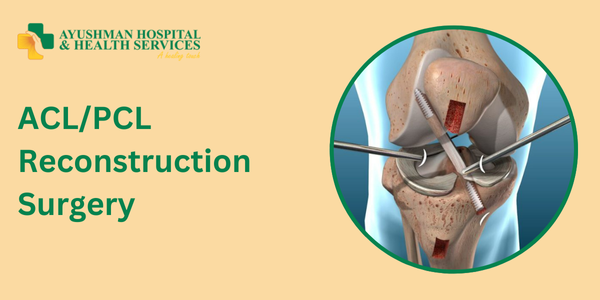
ACL/PCL Reconstruction Surgery

Knee injuries can be serious and painful, especially when they involve the ligaments. Two important ligaments in the knee are the ACL (Anterior Cruciate Ligament) and the PCL (Posterior Cruciate Ligament). Injuries to these ligaments can happen during sports or accidents, leading to the need for surgery. In this blog, we will explain what ACL and PCL injuries are, how they are treated in India, and what to expect from reconstruction surgery.

What Are ACL and PCL?

The knee is a complex joint with four main ligaments that keep it stable. The ACL is located at the front of the knee, while the PCL is located at the back. These ligaments help control the movement of the knee and keep it stable during activities.

Importance of ACL and PCL

  • ACL: This ligament helps prevent the knee from sliding forward. It is crucial for activities that involve sudden stops or changes in direction, like basketball or soccer.
  • PCL: This ligament prevents the knee from sliding backward. It is important for activities where the knee is hit directly, such as football.

How Do Injuries Occur?

Injuries to the ACL and PCL often occur during sports. Here are some common scenarios:

  • ACL Injuries: These often happen when an athlete suddenly stops, jumps, or changes direction. For example, a soccer player who pivots quickly might injure their ACL.
  • PCL Injuries: These injuries can occur from a direct blow to the knee, like during a tackle in football or a car accident.

Symptoms of ACL and PCL Injuries

If you have an ACL or PCL injury, you might notice:

  • Pain: This can be sharp and sudden.
  • Swelling: The knee may swell quickly after the injury.
  • Instability: You might feel like your knee is giving way when you try to stand or walk.
  • Limited Motion: Bending or straightening the knee may become difficult.

Diagnosis of ACL/PCL Injuries

If you suspect you have an ACL or PCL injury, it’s important to see a doctor. The diagnosis process usually includes:

  1. Medical History: The doctor will ask how the injury occurred and what symptoms you are experiencing.
  2. Physical Examination: The doctor will check your knee for swelling, pain, and stability.
  3. Imaging Tests: An MRI or X-ray may be performed to see the extent of the injury and confirm the diagnosis.

Treatment Options

The treatment for ACL and PCL injuries depends on how severe the injury is:

Non-Surgical Treatment

For minor injuries, doctors may recommend conservative treatment, including:

  • Rest: Avoid activities that put stress on the knee.
  • Ice: Apply ice to reduce swelling.
  • Compression: Use a bandage or wrap to support the knee.
  • Elevation: Keep the knee elevated to reduce swelling.
  • Physical Therapy: Exercises to strengthen the knee and improve flexibility.

Surgical Treatment

If the injury is severe, surgery may be necessary. ACL/PCL reconstruction surgery is often recommended for complete tears.

What Is ACL/PCL Reconstruction Surgery?

ACL/PCL reconstruction surgery is a procedure to replace the torn ligament with a graft. This graft can be taken from:

  • Autograft: Tissue taken from your own body, often from the hamstring or patellar tendon.
  • Allograft: Tissue taken from a deceased donor.

Steps of the Surgery

  1. Anaesthesia: The patient is given general anaesthesia or regional anaesthesia.
  2. Incisions: The surgeon makes small incisions around the knee.
  3. Removing the Torn Ligament: The damaged ligament is removed.
  4. Preparing the Graft: The graft is prepared and placed in the correct position.
  5. Securing the Graft: The graft is secured with screws or other devices.
  6. Closing the Incisions: The surgeon closes the incisions with stitches or staples.

Types of Surgery

  • ACL Reconstruction: Focuses on repairing the ACL.
  • PCL Reconstruction: Focuses on repairing the PCL.
  • Combined Surgery: Sometimes, both ligaments are injured, and a combined surgery is needed.

Recovery After Surgery

Recovery is an important part of the process. Here’s what to expect:

  1. Hospital Stay: Most patients stay in the hospital for one or two days.
  2. Pain Management: Doctors provide pain relief medication.
  3. Physical Therapy: Rehabilitation usually starts soon after surgery to restore strength and mobility. Physical therapy is crucial for a successful recovery.
  4. Gradual Return to Activities: Full recovery can take 6 to 12 months. It is important to follow the doctor’s advice during this time to avoid re-injury.

Rehabilitation Process

The rehabilitation process is divided into phases:

  • Phase 1 (0-2 weeks): Focuses on reducing swelling and pain. Gentle exercises may begin.
  • Phase 2 (2-6 weeks): Involves more active exercises to regain range of motion.
  • Phase 3 (6-12 weeks): Strengthening exercises increase, and patients may start light activities.
  • Phase 4 (3-6 months): More intense physical therapy and preparation for returning to sports.
  • Phase 5 (6-12 months): Full return to sports and activities is aimed for, but only if the knee is strong and stable.

Why Choose Ayushman Hospital, Dwaraka, Delhi, India for Surgery?

India has become a popular destination for medical tourism, especially for surgeries like ACL/PCL reconstruction. Here are some reasons why:

  • Expert Surgeons: Many doctors in Ayushman Hospital specialize in orthopaedic surgeries and have extensive experience.
  • Affordable Costs: The cost of surgery in Ayushman Hospital is often much lower than in Western countries, making it accessible to more patients.
  • Advanced Facilities: Ayushman Hospital in Dwarka Delhi are equipped with modern technology and provide high-quality care.
  • Comprehensive Care: Patients receive complete care, from diagnosis to post-operative rehabilitation.

Choosing the Right Hospital

When considering ACL/PCL reconstruction surgery in Ayushman Hospital, it’s important to choose the right hospital. Look for:

  • Accreditation: Ensure the hospital is accredited by recognized bodies.
  • Specialization: Choose a hospital that specializes in orthopaedic surgeries.
  • Patient Reviews: Check reviews and testimonials from previous patients.
  • Consultation: Many hospitals offer initial consultations to discuss your condition and treatment options.

Conclusion

ACL and PCL injuries can have a significant impact on your life, but with the right treatment, you can get back to your normal activities. ACL/PCL reconstruction surgery is a common procedure that can restore function to your knee. India offers skilled surgeons and advanced medical facilities at affordable prices.

If you’re considering surgery, make sure to consult with your doctor and choose the best hospital for your needs. Recovery may take time, but with proper care and rehabilitation, you can look forward to a pain-free, active life again.

If you have more questions or need further information about ACL/PCL reconstruction surgery, feel free to ask!

Book an Appointment Today!

🌐 Visit: www.ayushmanhhs.in

Would you like more information on costs, insurance, or doctor recommendations?

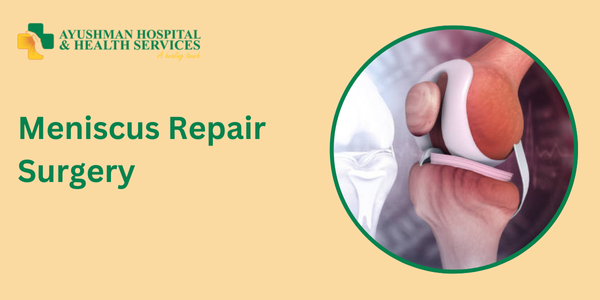
Meniscus Repair Surgery in Dwarka, Delhi

Meniscus repair surgery is a common procedure used to treat tears in the meniscus, a crucial cartilage structure in the knee joint that provides cushioning and stability. Located in Dwarka, Delhi, Ayushman Hospital offers expert orthopaedic care, including meniscus repair surgeries. In this blog, we will delve into the details of meniscus repair surgery, its benefits, risks, and what you can expect if you undergo this procedure at Ayushman Hospital.

Introduction to Meniscus and Meniscus Tears

The meniscus is a fibrocartilage structure in the knee joint, consisting of two crescent-shaped pieces: the medial and lateral menisci. These structures play a vital role in absorbing shock, stabilizing the knee, and facilitating smooth movement. However, meniscus tears can occur due to sudden injuries or repetitive stress on the knee, often affecting athletes and older adults.

Causes of Meniscus Tears

Meniscus tears can result from various factors:

  • Sudden Trauma: Twisting or bending movements can cause meniscus tears.
  • Repetitive Stress: Activities that involve frequent squatting or pivoting can lead to wear and tear.
  • Age: Older adults are more prone to meniscus tears due to degenerative changes.

Meniscus Repair Surgery: An Overview

Meniscus repair surgery is a minimally invasive procedure that aims to repair the torn meniscus. This surgery is typically performed using arthroscopy, which involves making small incisions in the knee to insert a camera and specialized tools.

How Meniscus Repair Surgery is Performed

  1. Preparation: The knee area is cleaned and sterilized.
  2. Incisions: Two to five small incisions are made in the knee.
  3. Arthroscopy: A camera is inserted to visualize the meniscus.
  4. Repair: Suturing tools are used to close the tear.
  5. Closure: The incisions are closed with sutures.

Benefits of Meniscus Repair Surgery

  • Pain Relief: Reduces pain and discomfort associated with meniscus tears.
  • Improved Function: Enhances knee function and stability.
  • Prevents Arthritis: Helps prevent the progression of knee arthritis by preserving the meniscus.

Meniscus Repair Surgery at Ayushman Hospital

Ayushman Hospital in Dwarka, Delhi, is renowned for its orthopaedic services, including meniscus repair surgeries. The hospital boasts experienced surgeons and state-of-the-art facilities, ensuring patients receive the best possible care.

Expertise at Ayushman Hospital

  • Experienced Surgeons: The hospital is led by Dr. Rajkumar, who has over 20 years of experience in orthopaedics.
  • Advanced Facilities: Equipped with the latest medical technology and imported implants.
  • Post-Operative Care: Comprehensive physiotherapy and rehabilitation services to ensure quick recovery.

Recovery and Rehabilitation

Recovery from meniscus repair surgery involves several stages:

  1. Immediate Post-Surgery: Patients typically use crutches for a few weeks and wear a knee brace for about six weeks.
  2. Physical Therapy: Begins shortly after surgery to regain strength and flexibility.
  3. Full Recovery: Generally, takes 3 to 6 months, depending on the extent of the injury.

Tips for a Smooth Recovery

  • Follow Surgeon’s Instructions: Adhere to post-operative advice on medication, rest, and exercises.
  • Physical Therapy: Regularly attend therapy sessions to improve knee mobility.
  • Lifestyle Adjustments: Avoid heavy lifting and bending during the recovery period.

Risks and Complications

While meniscus repair surgery is generally safe, potential risks include:

  • Infection: Rare but can be managed with antibiotics.
  • Nerve Damage: Uncommon but possible.
  • Blood Clots: Can be prevented with compression stockings.

Alternatives to Meniscus Repair

In cases where the meniscus is severely damaged, alternatives may be considered:

  • Meniscectomy: Removing the damaged part of the meniscus.
  • Meniscus Transplantation: Replacing the meniscus with a donor graft, typically for younger patients.

Conclusion

Meniscus repair surgery at Ayushman Hospital, Dwarka, Delhi, offers a reliable solution for treating meniscus tears. With its experienced team and advanced facilities, the hospital provides comprehensive care from diagnosis to recovery. If you are considering meniscus repair surgery, consulting with the specialists at Ayushman Hospital can help you make an informed decision about your treatment options.

Additional Information

For those interested in learning more about meniscus repair surgery or seeking treatment at Ayushman Hospital, here are some key points to consider:

  • Consultation: Schedule an appointment with an orthopaedic specialist to assess your condition.
  • Preparation: Understand the procedure, risks, and recovery process.
  • Post-Operative Care: Plan for physical therapy and rehabilitation to ensure a smooth recovery.

By choosing Ayushman Hospital for your meniscus repair surgery, you can expect high-quality care and support throughout your treatment journey.

Book an Appointment Today!

🌐 Visit: www.ayushmanhhs.in

Would you like more information on costs, insurance, or doctor recommendations?
 

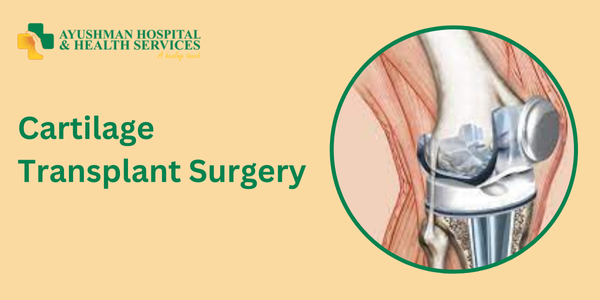
Cartilage Transplant Surgery in Dwarka, Delhi

If you or someone you know is dealing with joint pain, limited movement, or a decrease in quality of life, cartilage transplant surgery might be a hopeful option. This innovative procedure aims to relieve pain and restore function in damaged joints. In this blog, we’ll walk you through everything you need to know about cartilage transplant surgery at Ayushman Hospital in Dwarka, Delhi. We’ll cover what cartilage is, why it gets damaged, the surgery details, recovery, and why many patients choose Ayushman Hospital for their care. Let’s dive in!

Introduction

Cartilage is a smooth, rubbery tissue that covers the ends of your bones in joints. Think of it as a cushion that helps your joints move smoothly and reduces friction. When cartilage gets damaged—due to injury, aging, or chronic conditions—it can lead to significant pain and limited mobility. Cartilage transplant surgery offers a way to replace damaged cartilage with healthy tissue, helping you regain movement and improve your quality of life.

At Ayushman Hospital in Dwarka, Delhi, patients benefit from advanced medical care and cutting-edge technology. With a team of skilled orthopedic surgeons and dedicated rehabilitation staff, the hospital is committed to helping you heal. This blog is designed to give you a clear understanding of the procedure and why it’s becoming a popular choice for many.

Understanding Cartilage and Its Importance

What is Cartilage?

Cartilage is a flexible yet tough tissue found in various parts of the body, including joints, the rib cage, ears, and nose. In your joints, it covers the ends of bones, allowing them to glide smoothly over one another and acting as a shock absorber. Unlike other tissues, cartilage doesn’t have its own blood supply, which makes it harder for it to heal itself when damaged.

The Role of Cartilage in Joint Function

  • Shock Absorption: Cartilage cushions the impact on your joints during activities like walking or running.
  • Smooth Movement: Its smooth surface allows bones to move with minimal friction.
  • Joint Stability: Healthy cartilage helps stabilize joints by evenly distributing weight.

When cartilage is damaged, it can cause pain, swelling, and reduced movement, leading to conditions like osteoarthritis that make daily activities difficult.

Causes of Cartilage Damage

Understanding what leads to cartilage damage can help you take preventive measures. Here are some common causes:

Traumatic Injuries

Accidents, falls, or sports injuries can cause sudden damage to cartilage. For example, twisting your knee during a game can lead to a cartilage tear, resulting in immediate pain and swelling.

Degenerative Conditions

Over time, wear and tear on your joints can degrade cartilage. Osteoarthritis is a common condition where cartilage wears away, causing chronic pain and limited mobility.

Genetic Factors

Some people are genetically predisposed to cartilage damage. While you can’t change your genes, early diagnosis and treatment can help manage symptoms effectively.

Inflammatory Diseases

Conditions like rheumatoid arthritis can cause joint inflammation, leading to cartilage breakdown over time.

Lifestyle Factors

  • Obesity: Extra weight adds stress to your joints, speeding up cartilage wear.
  • Sedentary Lifestyle: Not exercising regularly can weaken muscles and joints, affecting cartilage health.
  • Poor Nutrition: A diet lacking essential nutrients can impair your body’s ability to maintain healthy cartilage.

To prevent further damage, it’s important to adopt a healthy lifestyle, eat well, and seek medical advice if you experience joint pain.

What is Cartilage Transplant Surgery?

Cartilage transplant surgery is a procedure designed to repair or replace damaged cartilage. The goal is to restore joint function, reduce pain, and improve your overall quality of life.

Types of Cartilage Transplant Procedures

Several types of procedures exist, and the right one for you depends on the severity of your cartilage damage:

  • Autologous Chondrocyte Implantation (ACI): Healthy cartilage cells are taken from you, grown in a lab, and then re-implanted into the damaged area.
  • Osteochondral Autograft Transfer (OAT): A small plug of healthy cartilage and bone is taken from a non-weight-bearing part of your joint and placed in the damaged area.
  • Osteochondral Allograft Transplantation: For larger areas of damage, donor tissue is used to replace the defective cartilage.

How Does the Surgery Work?

The process typically involves these steps:

  1. Assessment and Planning: Imaging studies (like an MRI) are done to assess the damage, and the surgeon plans the best approach.
  2. Harvesting the Cartilage: Depending on the procedure, your own cartilage or donor cartilage is prepared.
  3. Implantation: The damaged cartilage is removed, and the healthy cartilage is transplanted into the area.
  4. Stabilization: Sometimes, devices are used to stabilize the new tissue during healing.

The surgery is usually performed under general anesthesia, and the time it takes can vary based on the complexity of the case.

Who Can Benefit from the Surgery?

Cartilage transplant surgery can be a transformative option, but it’s not for everyone. Here’s who might benefit:

Ideal Candidates

  • Young to Middle-Aged Adults: Generally, those who are active and have localized cartilage defects benefit the most.
  • Isolated Cartilage Damage: Those with damage confined to one area of the joint, without affecting other structures, are excellent candidates.
  • Good Overall Health: Individuals who maintain a healthy lifestyle and do not have underlying health issues are preferred.

Who May Not Benefit?

  • Advanced Joint Disease: Patients with widespread arthritis may not see significant improvement.
  • Older Adults with Multiple Health Issues: Recovery may be more challenging for older patients with various health concerns.
  • Unrealistic Expectations: It’s important to understand that while the surgery can improve function and relieve pain, it may not fully restore the joint.

A thorough evaluation by an orthopedic specialist at Ayushman Hospital can help determine if this surgery is right for you.

Preoperative Evaluation and Preparation

Before your surgery, you’ll undergo a thorough evaluation at Ayushman Hospital to ensure the best outcomes.

Medical History and Physical Examination

The process starts with a review of your medical history and a physical exam to assess joint function and overall health.

Diagnostic Imaging

Advanced imaging techniques (like MRI or X-rays) are used to:

  • Determine the extent of cartilage damage.
  • Identify underlying issues like bone spurs.
  • Plan the precise location and size of the cartilage defect.

Consultation with Specialists

At Ayushman Hospital, you’ll consult with a team of specialists, including orthopedic surgeons, radiologists, and rehabilitation experts, to create a comprehensive care plan.

Preoperative Instructions

You’ll receive detailed instructions to prepare for surgery, including:

  • Medications: Guidelines on which medications to stop or continue.
  • Fasting: Information on fasting before the operation.
  • Lifestyle Modifications: Recommendations for diet and activity to promote optimal healing.

This thorough evaluation helps ensure you’re ready for a safe and effective surgery.

The Surgical Procedure in Detail

Let’s take a closer look at what happens during the surgery:

Step 1: Anesthesia

You’ll be given anesthesia to keep you comfortable and pain-free during the procedure.

Step 2: Making the Incision

Once the anesthesia takes effect, the surgeon makes a small incision near the affected joint.

Step 3: Removal of Damaged Cartilage

The surgeon carefully removes the damaged cartilage, creating a clean area for the new cartilage.

Step 4: Harvesting Healthy Cartilage

  • Autologous Procedure: A small sample of your own cartilage is taken from a non-critical area and processed in a lab.
  • Allograft Procedure: If donor tissue is used, healthy cartilage is sourced from a donor.
Step 5: Implanting the New Cartilage

The surgeon carefully implants the healthy cartilage into the prepared site, ensuring it fits well with the surrounding area.

Step 6: Stabilization and Closure

Once the new cartilage is in place, the surgeon may use small devices or sutures to secure it. The incision is then closed.

Step 7: Final Assessment

Before concluding the surgery, the team checks that the implant is stable and that everything is properly aligned.

The entire process can take a few hours, depending on the complexity of your case.

Post-Surgery Recovery and Rehabilitation

After your surgery, recovery is a gradual process that involves several stages. Here’s what you can expect:

Immediate Postoperative Care

  • Monitoring in Recovery: You’ll be closely monitored as you wake up from anesthesia. The medical staff will check your vital signs and manage any immediate discomfort.
  • Pain Management: Pain medications will be given to keep you comfortable.

Hospital Stay

Your hospital stay can vary:

  • Short Stay: Some patients can go home within 24 to 48 hours.
  • Extended Stay: More complex cases may require a longer stay for observation.

Rehabilitation and Physical Therapy

Rehabilitation is essential for a successful recovery. Your physical therapy program will help:

  • Restore Joint Function: Exercises will improve mobility, flexibility, and strength.
  • Promote Healing: Gentle movements encourage blood flow to the joint.
  • Prevent Complications: Structured rehabilitation helps avoid issues like stiffness and muscle weakness.

Long-Term Recovery

  • Gradual Increase in Activity: You’ll gradually start increasing your activity levels, following your therapist’s guidelines.
  • Regular Follow-Ups: Keeping up with your orthopedic surgeon for follow-up visits is important for tracking your progress.
  • Lifestyle Adjustments: Eating well and staying active will support your joint health long-term.

Successful recovery can take several months, but with commitment, many patients experience significant improvements in their joint function and a reduction in pain.

Success Rates and Expected Outcomes

Many patients see positive results from cartilage transplant surgery, leading to improved mobility and a better quality of life. However, individual outcomes can vary based on several factors:

Factors Affecting Success

  • Extent of Damage: The size and location of the cartilage defect matter.
  • Age and Health: Younger, healthier patients usually heal better.
  • Adherence to Rehabilitation: Following your rehab program closely is critical.
  • Surgical Expertise: The experience of the surgical team plays a big role in success.

What Patients Can Expect

  • Pain Reduction: Most patients report less pain after recovery.
  • Improved Mobility: Better joint function allows you to return to everyday activities.
  • Enhanced Quality of Life: With reduced pain and improved movement, many feel a boost in their overall well-being.

Long-Term Outlook

While cartilage transplant surgery may not completely eliminate joint issues, it can significantly delay the need for more invasive procedures like joint replacement. Regular care and a healthy lifestyle are key to maintaining the benefits of your surgery.

Why Choose Ayushman Hospital, Dwarka, Delhi?

Ayushman Hospital is known for its expertise in advanced surgical procedures, including cartilage transplant surgery. Here are some reasons why patients choose this hospital:

Experienced Surgical Team

The hospital has a team of skilled orthopedic surgeons who specialize in joint surgeries. Their experience ensures you receive top-notch care.

State-of-the-Art Facilities

Ayushman Hospital is equipped with modern diagnostic and surgical tools, allowing for precise imaging and advanced surgical techniques.

Personalized Care

Every patient gets individualized attention. The team works closely with you to understand your unique needs, from evaluation to rehabilitation.

Comprehensive Postoperative Rehabilitation

The hospital has a dedicated rehabilitation unit where physical therapists design tailored recovery plans to help you regain full functionality.

Patient-Centric Approach

From your first consultation to follow-up visits, Ayushman Hospital prioritizes your comfort and understanding throughout the entire process.

Strategic Location

Located in Dwarka, Delhi, the hospital is easily accessible, making it a convenient option for patients in the area.

Patient Experiences and Testimonials

Hearing from others who have undergone this surgery can be inspiring. Many patients at Ayushman Hospital have shared their success stories:

  • A New Lease on Life: One young athlete described how the surgery helped him return to sports after years of knee pain.
  • Effective Pain Management: Many patients report a significant reduction in pain, allowing them to resume daily activities with ease.
  • Improved Joint Function: Testimonials often highlight increased mobility and stability, enabling a more active lifestyle.

These experiences show that with the right care, cartilage transplant surgery can lead to a remarkable improvement in quality of life.

Frequently Asked Questions (FAQs)

  1. What is the main purpose of cartilage transplant surgery?
    • The surgery aims to repair or replace damaged cartilage, reducing pain and improving mobility.
  2. How long is the recovery process?
    • Recovery can vary, but expect several weeks for initial healing and up to six months for full rehabilitation.
  3. Is the surgery painful?
    • While some pain is expected, modern pain management techniques help minimize discomfort.
  4. Who is an ideal candidate for this surgery?
    • Ideal candidates are usually younger to middle-aged adults with localized cartilage damage and good overall health.
  5. How do I prepare for the surgery?
    • Preparation includes a thorough medical evaluation, imaging, and consultations with the surgical team.
  6. Are there any risks involved?
    • Potential risks include infection and incomplete cartilage integration, but careful planning helps minimize these.
  7. Can the surgery completely restore joint function?
    • While the surgery can significantly reduce pain and improve function, it may not fully restore the joint.

The Journey to a Healthier Joint

Cartilage transplant surgery is more than just a procedure—it represents a journey toward a better, more active life. Deciding to undergo surgery is a big step, and it’s important to weigh the benefits and risks carefully.

A Step Towards Recovery

For many, the surgery is the first step in reclaiming independence. It offers the chance to return to activities that were once limited by pain. The journey begins with understanding cartilage damage and progresses through well-planned medical and rehabilitation steps.

A Collaborative Effort

Successful outcomes rely on teamwork between the patient, surgical team, and rehabilitation specialists. At Ayushman Hospital, this collaborative approach ensures you receive continuous care from the moment you decide to have surgery until you’ve fully recovered.

Embracing a New Lifestyle

After surgery, adopting a lifestyle that supports joint health is key. Regular exercise, a balanced diet, and routine check-ups can help maintain your joint health and overall well-being.

Looking Forward

The field of cartilage transplant surgery is advancing rapidly. At Ayushman Hospital, ongoing improvements in surgical techniques and postoperative care are helping more patients enjoy better outcomes. There’s a bright future ahead for those seeking relief from joint pain.

Conclusion

Cartilage transplant surgery at Ayushman Hospital in Dwarka, Delhi, offers a modern solution for those struggling with joint pain. With advanced surgical techniques, personalized care, and comprehensive rehabilitation, the hospital is dedicated to restoring joint function and enhancing quality of life.

This guide has covered:

  • The importance of cartilage for joint health.
  • Common causes of cartilage damage.
  • Different types of cartilage transplant procedures.
  • The surgical process and recovery journey.
  • Factors that influence success and expected outcomes.
  • Why Ayushman Hospital is a trusted choice for this procedure.

If you’re considering cartilage transplant surgery, consulting with an orthopedic specialist is crucial. The path to better joint health is a collaborative one, and with the expertise at Ayushman Hospital, you can take confident steps toward a more active, pain-free life.

If you have further questions or want to schedule a consultation, don’t hesitate to reach out to Ayushman Hospital. Their dedicated team is ready to assist you every step of the way.

Thank you for reading this guide on cartilage transplant surgery. We hope it has provided valuable insights and answered your questions. Remember, your journey to better joint health is just a consultation away!

Book an Appointment Today!

🌐 Visit: www.ayushmanhhs.in

Would you like more information on costs, insurance, or doctor recommendations?
Bankart Repair Surgeries

Understanding the Shoulder and the Bankart Lesion

The Anatomy of Your Shoulder

Your shoulder is one of the most flexible joints in the body. It is designed to move in multiple directions, allowing you to reach, throw, and lift. This mobility is made possible by a ball-and-socket structure, where the rounded head of the upper arm bone (humerus) fits into a shallow socket in the shoulder blade (glenoid). A rim of cartilage called the labrum surrounds the socket and acts as a cushion, stabilizing the joint during movement.

What is a Bankart Lesion?

A Bankart lesion is a specific injury to the labrum, usually occurring when the shoulder dislocates. When the shoulder pops out of place, the labrum may tear from the edge of the glenoid, leading to persistent instability. This injury is most common in young athletes or individuals who have experienced repeated shoulder dislocations due to sports injuries, accidents, or trauma. If left untreated, a Bankart lesion can lead to chronic pain, repeated dislocations, and difficulty with daily tasks.

What is Bankart Repair Surgery?

The Goal of the Surgery

Bankart repair surgery aims to reattach the torn labrum to the glenoid and tighten any stretched ligaments. This repair helps restore the stability of the shoulder, reducing the chance of future dislocations. There are two primary surgical approaches:

  • Arthroscopic Repair: This minimally invasive procedure uses small incisions, a camera, and specialized instruments to repair the labrum. Because of the smaller incisions, patients usually experience less pain and a quicker recovery.
  • Open Repair: In some cases, particularly if the injury is severe, an open surgery might be required. This traditional approach involves a larger incision to access the shoulder joint directly. While recovery might be slightly longer, open repair can be very effective for complex cases.

How Does the Surgery Help?

Bankart repair surgery not only fixes the torn labrum but also helps restore the natural anatomy of the shoulder. This repair is essential for patients who have experienced recurrent shoulder dislocations because it reinforces the joint and minimizes the risk of future injuries. By stabilizing the shoulder, the surgery helps reduce pain and improves overall shoulder function, allowing patients to return to their daily activities and sports with confidence.

When is Bankart Repair Surgery Needed?

Recognizing the Signs

Not everyone with a shoulder injury needs surgery. However, if you have suffered repeated shoulder dislocations or experience ongoing pain and instability, your doctor might recommend a Bankart repair. Common signs that indicate surgery might be necessary include:

  • Recurrent Dislocations: If your shoulder frequently pops out of place even after treatment or physical therapy.
  • Persistent Pain: Continuous discomfort that does not improve with non-surgical treatments.
  • Limited Range of Motion: Difficulty performing everyday tasks or sports activities due to shoulder weakness or stiffness.
  • Physical Instability: A feeling that the shoulder is “loose” or unstable during movement.

Who is a Good Candidate?

Candidates for Bankart repair surgery often include:

  • Athletes: Especially those involved in contact sports or activities that require overhead movements.
  • Active Individuals: Anyone who values a high level of physical activity and needs a stable shoulder for their lifestyle.
  • Patients with Recurrent Injuries: Individuals who have experienced multiple dislocations and have not found relief through conservative treatments.

Before recommending surgery, doctors at Ayushman Hospital conduct thorough evaluations, including physical examinations and imaging studies like MRI or CT scans, to determine the exact nature and severity of the injury.

Bankart Repair Surgery at Ayushman Hospital, Dwarka, Delhi

About Ayushman Hospital

Located in the heart of Dwarka, Delhi, Ayushman Hospital is renowned for its commitment to patient care and advanced medical treatments. The hospital has built a reputation for excellence in various specialties, including orthopedics and sports medicine. With state-of-the-art facilities, a team of highly skilled surgeons, and a patient-centered approach, Ayushman Hospital is well-equipped to handle complex procedures like Bankart repair surgery.

The Expert Team

At Ayushman Hospital, the orthopedic department is led by experienced surgeons who have performed numerous Bankart repair procedures. Their expertise in both arthroscopic and open techniques means that each patient receives personalized care tailored to their specific condition. The team works closely with physiotherapists, pain management specialists, and nursing staff to ensure a smooth surgical process and a speedy recovery.

Advanced Facilities and Technology

Ayushman Hospital boasts modern operating theaters and advanced diagnostic tools. The use of cutting-edge imaging technology allows surgeons to assess the injury with precision. During the surgery, high-definition cameras and specialized instruments assist in minimally invasive procedures, reducing recovery time and minimizing discomfort for patients.

A Patient-Centered Approach

Understanding that surgery can be a daunting experience, Ayushman Hospital places great emphasis on patient comfort and support. From the initial consultation through the recovery process, patients are guided by a compassionate team dedicated to answering questions, addressing concerns, and ensuring that every step of the journey is as smooth as possible.

The Surgical Procedure in Detail

Pre-Surgical Evaluation

Before undergoing Bankart repair surgery, patients undergo a comprehensive evaluation. This evaluation includes:

  • Medical History and Physical Examination: The surgeon reviews your health history and conducts a physical exam to assess shoulder stability and pain.
  • Imaging Tests: X-rays, MRI, or CT scans are used to get a clear picture of the shoulder anatomy and to confirm the presence and extent of a Bankart lesion.
  • Discussion of Options: The surgeon will discuss whether an arthroscopic or open repair is most suitable based on the severity of the injury and your lifestyle needs.

The Day of Surgery

On the day of the surgery, patients are admitted to Ayushman Hospital’s surgical unit. Here is an outline of what to expect:

  1. Anesthesia: Patients are given either general anesthesia or regional anesthesia with sedation, ensuring a pain-free procedure.
  2. Positioning: Once asleep, you will be positioned comfortably on the operating table with special supports to stabilize the shoulder.
  3. Incisions: For an arthroscopic procedure, small incisions (often less than 1 cm) are made around the shoulder. These incisions allow the insertion of a small camera and surgical instruments.
  4. Visualization: The camera provides a clear view of the inside of your shoulder, enabling the surgeon to locate the torn labrum and assess the damage accurately.
  5. Repair Process: Using tiny instruments, the surgeon carefully reattaches the labrum to the glenoid bone. Anchors and sutures may be used to secure the tissue in place.
  6. Closure: Once the repair is complete, the incisions are closed with small stitches. For open surgery, the process is similar but involves a larger incision and more direct access to the joint.
  7. Recovery in Hospital: Patients are monitored in the recovery room until the anesthesia wears off, and vital signs are stable.

Duration of the Procedure

The entire surgery typically takes between one to two hours, depending on the complexity of the tear and the chosen surgical method. In most cases, patients can go home the same day or after a short hospital stay.

Benefits of Bankart Repair Surgery

Restoring Shoulder Stability

One of the primary benefits of Bankart repair surgery is the restoration of shoulder stability. By reattaching the torn labrum and tightening the surrounding ligaments, the surgery reduces the likelihood of future dislocations, giving patients a more secure and stable joint.

Reducing Pain and Discomfort

Chronic shoulder instability often leads to persistent pain. By addressing the root cause of the instability, Bankart repair surgery can significantly reduce or eliminate this pain, making daily activities more comfortable.

Improving Quality of Life

A stable shoulder allows patients to return to their favorite activities, whether it’s sports, exercise, or simply playing with their children. The improved function can lead to a better quality of life, increased confidence, and a renewed sense of freedom.

Shorter Recovery Times

Thanks to advancements in minimally invasive techniques, many patients experience shorter recovery times with arthroscopic Bankart repair compared to traditional open surgery. This means less time away from work, sports, and social activities.

Preventing Further Damage

Repeated shoulder dislocations can cause additional wear and tear on the joint, potentially leading to arthritis or other complications. By repairing the damage early, Bankart repair surgery helps prevent further deterioration of the shoulder joint.

Recovery and Rehabilitation Process

Immediate Post-Surgery Care

After the surgery, patients are moved to a recovery area where they are closely monitored. It is normal to experience some pain and swelling, which can be managed with prescribed medications and ice packs. The hospital staff at Ayushman Hospital ensures that you are comfortable and well-informed about your post-operative care.

Physical Therapy and Rehabilitation

A key component of a successful recovery is physical therapy. The rehabilitation process generally includes:

  • Initial Immobilization: For the first few weeks, the shoulder may be placed in a sling or brace to keep it immobile and allow the tissues to heal.
  • Gentle Exercises: Once healing has begun, a physiotherapist will introduce gentle exercises to restore range of motion without straining the repaired tissue.
  • Strengthening Exercises: Gradually, more intensive exercises are added to strengthen the muscles around the shoulder, providing better support for the joint.
  • Gradual Return to Activity: Over several months, patients are guided on how to safely return to daily activities and sports.

Recovery Timeline

The recovery timeline can vary depending on the severity of the injury and the type of surgery performed. Here is a general guide:

  • 0–2 Weeks: Focus on pain management and reducing swelling. The shoulder is typically immobilized.
  • 2–6 Weeks: Begin gentle range-of-motion exercises under the guidance of a physiotherapist.
  • 6–12 Weeks: Gradually introduce strengthening exercises.
  • 3–6 Months: Most patients notice significant improvement in shoulder stability and function. Full return to sports and high-impact activities may be possible after this period.

Ongoing Support

Ayushman Hospital provides ongoing support throughout the recovery process. Follow-up appointments ensure that the healing process is on track and allow the medical team to address any concerns promptly. Patients also receive detailed instructions on exercises and lifestyle modifications to protect their shoulder in the long term.

Patient Experiences and Success Stories

Many patients who have undergone Bankart repair surgery at Ayushman Hospital share inspiring stories of recovery and renewed activity. Consider the story of Ravi, a young athlete who struggled with recurrent shoulder dislocations. Ravi’s condition forced him to sit out of sports and limited his everyday activities. After a detailed consultation and evaluation at Ayushman Hospital, he underwent an arthroscopic Bankart repair. With a dedicated rehabilitation program and the continuous support of his medical team, Ravi was soon back to playing sports, enjoying his hobbies, and leading a more active life. His journey is a testament to the transformative impact of modern surgical techniques and personalized patient care.

The Role of Advanced Technology and Expert Surgeons

Cutting-Edge Surgical Tools

Ayushman Hospital is proud to use the latest surgical technology, which plays a crucial role in the success of Bankart repair surgeries. High-definition cameras, precision instruments, and advanced imaging techniques allow the surgeons to perform the procedure with great accuracy. This precision not only reduces the risk of complications but also minimizes trauma to the surrounding tissues, leading to faster recovery times.

A Team of Dedicated Experts

The success of any surgery depends largely on the expertise of the surgical team. At Ayushman Hospital, each patient benefits from the knowledge and experience of surgeons who have performed hundreds of orthopedic procedures. Their familiarity with both arthroscopic and open techniques ensures that the chosen method is tailored to the patient’s specific needs. This level of expertise is supported by a dedicated team of anesthesiologists, nursing staff, and physiotherapists who work together to provide comprehensive care.

Emphasis on Patient Safety

Patient safety is at the forefront of every procedure at Ayushman Hospital. The hospital follows strict protocols to ensure that every surgery is performed in a sterile environment with the highest standards of care. Regular training sessions, state-of-the-art operating theaters, and continuous monitoring contribute to a safe surgical experience for every patient.

Frequently Asked Questions About Bankart Repair Surgery

What is a Bankart lesion, and why does it occur?

A Bankart lesion is a tear of the labrum in the shoulder, typically caused by a dislocation. It often occurs in individuals who experience repeated shoulder dislocations, especially athletes and people with high levels of physical activity.

How is Bankart repair surgery performed?

Bankart repair can be performed using minimally invasive arthroscopic techniques or via open surgery. The procedure involves reattaching the torn labrum to the glenoid bone and tightening the ligaments to restore shoulder stability.

How long is the recovery period?

Recovery varies from patient to patient, but generally, the initial healing phase takes about 2–6 weeks, with full rehabilitation and return to sports or high-impact activities occurring between 3–6 months.

Will I experience pain after the surgery?

Some pain and discomfort are normal after surgery. However, the medical team at Ayushman Hospital provides effective pain management strategies to ensure a smooth recovery.

Are there any risks associated with Bankart repair surgery?

As with any surgical procedure, there are risks such as infection, nerve injury, or complications related to anesthesia. However, these risks are minimized by the hospital’s experienced team and advanced surgical techniques.

How do I know if I’m a good candidate for Bankart repair surgery?

Your orthopedic surgeon will evaluate your shoulder’s condition through physical examinations and imaging tests. If you have recurrent dislocations and persistent instability that does not improve with non-surgical treatments, you may be a good candidate for the surgery.

What should I expect on the day of the surgery?

On the day of surgery, you will undergo anesthesia, and the surgical team will carefully prepare you for the procedure. The surgery itself typically lasts one to two hours, followed by a period of recovery in the hospital’s postoperative unit.

Conclusion

Bankart repair surgery is a highly effective treatment for patients suffering from recurrent shoulder dislocations and instability. By repairing the torn labrum and restoring the natural anatomy of the shoulder, the procedure offers significant relief from pain, improves shoulder stability, and enhances overall quality of life. Whether you are an athlete eager to return to sports or someone looking to regain confidence in your daily movements, Bankart repair can provide the lasting solution you need.

Ayushman Hospital in Dwarka, Delhi, stands out as a beacon of excellence in orthopedic care. With advanced facilities, cutting-edge technology, and a team of experienced surgeons, the hospital is dedicated to ensuring that every patient receives personalized care and achieves the best possible outcome. From the initial consultation and detailed pre-surgical evaluation to the expertly performed procedure and comprehensive rehabilitation program, every step of your journey is managed with care and professionalism.

If you or a loved one has been struggling with shoulder instability, it may be time to consider Bankart repair surgery. The dedicated team at Ayushman Hospital is ready to guide you through the process, answer your questions, and provide the support you need for a successful recovery. With the right treatment and care, you can look forward to a future filled with improved mobility, reduced pain, and the freedom to enjoy the activities you love.

Book an Appointment Today!

🌐 Visit: www.ayushmanhhs.in

Would you like more information on costs, insurance, or doctor recommendations?
 

Rotator Cuff Repair Surgery in Dwarka

Rotator cuff injuries can be life-altering, affecting daily activities and causing chronic pain that disrupts work, hobbies, and overall quality of life. In this blog, we’ll explore everything you need to know about rotator cuff repair surgery—what it is, how it is performed, and why Ayushman Hospital in Dwarka, Delhi, is an excellent choice for this procedure. Written in simple language and designed to be easy to understand, this guide will walk you through the anatomy of the shoulder, the causes and symptoms of rotator cuff injuries, treatment options, the surgical process, recovery, and tips for long-term shoulder health.

Understanding the Shoulder and the Rotator Cuff

What Is the Rotator Cuff?

The rotator cuff is a group of muscles and tendons that surround the shoulder joint. These muscles are responsible for keeping the head of your upper arm bone firmly within the shallow socket of the shoulder. In simpler terms, the rotator cuff helps you lift and rotate your arm, ensuring smooth and controlled movement.

Why Is the Rotator Cuff Important?

Because your shoulder is one of the most mobile joints in the body, the rotator cuff plays a critical role in maintaining stability. Any damage to these muscles or tendons can lead to pain, limited range of motion, and sometimes, complete loss of function in the affected shoulder. This is why understanding and treating rotator cuff injuries is vital for anyone suffering from shoulder discomfort.

What Causes Rotator Cuff Injuries?

Common Causes and Risk Factors

  1. Aging: As we age, the tendons in the rotator cuff can degenerate. This natural wear and tear make them more susceptible to injuries, even with minimal stress.
  2. Repetitive Motion: Frequent overhead activities, such as painting, carpentry, or even professional sports like tennis and baseball, can lead to gradual tendon damage.
  3. Acute Trauma: Accidents, falls, or sudden impacts can cause a tear in the rotator cuff. This type of injury often occurs in younger individuals who are active.
  4. Overuse: Continuous use of the shoulder without proper rest, particularly in manual labor or high-impact sports, can lead to inflammation and eventual injury.

Signs and Symptoms of a Rotator Cuff Injury

  • Persistent Shoulder Pain: Pain that worsens at night or when lying on the affected side.
  • Limited Range of Motion: Difficulty in lifting or rotating the arm.
  • Weakness: Noticeable weakness in the shoulder, making it hard to perform daily tasks.
  • Clicking or Popping: Some patients report hearing or feeling clicks during shoulder movements.
  • Swelling and Inflammation: Inflammation can develop around the injured tendon, leading to discomfort and limited mobility.

Early detection and proper diagnosis are crucial for effective treatment. In many cases, patients first try non-surgical treatments; however, when these measures fail to alleviate the symptoms, surgical intervention may become necessary.

Diagnosing a Rotator Cuff Injury

How Doctors Diagnose the Injury

A thorough diagnosis begins with a physical examination. The doctor will ask you to move your arm in different ways to assess the level of pain and determine the affected area. Imaging tests are also an integral part of the diagnosis:

  • X-rays: While X-rays don’t show soft tissues like tendons, they can rule out other conditions such as bone spurs or arthritis.
  • MRI (Magnetic Resonance Imaging): This test provides detailed images of soft tissues and is essential for determining the extent of a rotator cuff tear.
  • Ultrasound: This is a cost-effective method that uses sound waves to create images of the rotator cuff, helping to identify tears or inflammation.

These diagnostic tools ensure that the surgeon can plan the most effective treatment approach, whether it’s non-surgical management or rotator cuff repair surgery.

Treatment Options: From Conservative to Surgical

Non-Surgical Treatments

Before considering surgery, doctors often recommend conservative treatment, especially for partial tears or mild symptoms. These treatments may include:

  • Rest and Activity Modification: Avoiding activities that aggravate the shoulder can help reduce inflammation.
  • Physical Therapy: A tailored exercise program can strengthen the shoulder muscles and improve flexibility.
  • Medications: Anti-inflammatory drugs and pain relievers can help manage discomfort.
  • Corticosteroid Injections: In some cases, a doctor might inject steroids directly into the shoulder to reduce inflammation and pain.

While these treatments can be effective for some, they might not work for everyone—especially if the tear is severe or if the pain persists over time.

When Is Surgery Necessary?

Surgery becomes necessary when:

  • The tear is large or complete.
  • Conservative treatments have failed to relieve symptoms.
  • The patient experiences significant loss of shoulder function or persistent pain.
  • The injury limits daily activities and quality of life.

If you fall into any of these categories, a discussion with a qualified orthopedic surgeon is the next best step. They will assess your situation and determine if rotator cuff repair surgery is the appropriate course of action.

The Basics of Rotator Cuff Repair Surgery

What Is Rotator Cuff Repair Surgery?

Rotator cuff repair surgery is a procedure aimed at reattaching the torn tendon to the head of the humerus (the upper arm bone). The surgery can be performed using different techniques:

  • Arthroscopic Surgery: A minimally invasive procedure where small incisions and a tiny camera (arthroscope) are used to guide the surgery.
  • Open Surgery: In some cases, a larger incision is made to give the surgeon a better view of the shoulder. This method is typically reserved for more complicated or extensive tears.

Steps Involved in the Surgical Procedure

  1. Anesthesia: The procedure is usually performed under general anesthesia, which means you will be asleep during the surgery.
  2. Incision and Access: For arthroscopic surgery, small incisions are made around the shoulder. Open surgery involves a larger incision along the shoulder.
  3. Visualization and Assessment: The surgeon uses an arthroscope (in minimally invasive surgery) or direct vision (in open surgery) to examine the torn tendon and surrounding tissues.
  4. Repair Process: The torn tendon is carefully stitched back to the bone using special anchors and sutures. The goal is to restore the normal function of the rotator cuff.
  5. Closing the Incision: Once the tendon is secured, the incisions are closed with sutures or staples.

The entire process typically takes between one to two hours, depending on the complexity of the tear and the surgical technique used.

Why Choose Ayushman Hospital, Dwarka, Delhi?

World-Class Facilities and Expert Surgeons

Ayushman Hospital in Dwarka, Delhi, is renowned for its state-of-the-art facilities and expert medical team. The hospital’s commitment to patient care is evident in every aspect of the rotator cuff repair process—from the initial consultation to post-operative rehabilitation.

Key Features of Ayushman Hospital:

  • Advanced Diagnostic Tools: Ayushman Hospital is equipped with the latest imaging technology, such as high-resolution MRI and ultrasound, ensuring accurate diagnosis.
  • Experienced Orthopedic Surgeons: The hospital boasts a team of highly experienced orthopedic surgeons who specialize in shoulder surgeries, including rotator cuff repair. Their expertise is backed by years of successful surgeries and positive patient outcomes.
  • Minimally Invasive Techniques: The hospital emphasizes minimally invasive surgical techniques like arthroscopy, which generally result in less pain and a quicker recovery compared to traditional open surgery.
  • Comprehensive Rehabilitation Services: Post-surgery rehabilitation is critical for recovery. Ayushman Hospital provides personalized physical therapy programs designed to restore shoulder strength and flexibility.
  • Patient-Centric Care: The hospital focuses on clear communication, ensuring that patients understand every step of the process. From pre-operative consultations to follow-up appointments, the care team is always available to answer questions and offer support.

The Role of Technology and Innovation

Ayushman Hospital uses cutting-edge technology to enhance the accuracy and safety of rotator cuff repair surgeries. This includes:

  • Robotic Assistance: In some cases, robotic technology is used to assist surgeons, offering greater precision in placing sutures and anchors.
  • High-Definition Imaging: High-definition cameras used during arthroscopic procedures allow for a detailed view of the shoulder, helping surgeons to make informed decisions during the repair.
  • Electronic Medical Records: The hospital’s electronic system ensures that patient history, test results, and treatment plans are seamlessly integrated, facilitating coordinated care.

These innovations not only improve surgical outcomes but also contribute to shorter hospital stays and a smoother recovery process.

Preparing for Your Surgery

Pre-Operative Evaluations

Before undergoing rotator cuff repair surgery, you will have several pre-operative appointments. These are essential to ensure that you are healthy enough for surgery and that your body is ready for the healing process.

Common Pre-Operative Steps:

  • Medical History Review: Your doctor will discuss your medical history, any previous injuries, and current medications.
  • Physical Examination: A thorough physical exam will help assess your overall health and pinpoint the exact location and severity of the rotator cuff tear.
  • Imaging Tests: As mentioned earlier, tests like MRI or ultrasound are performed to provide detailed images of your shoulder.
  • Blood Tests: Routine blood tests are conducted to check for any underlying conditions that might affect your recovery.

Mental and Emotional Preparation

Surgery can be a stressful experience. At Ayushman Hospital, the medical team takes time to ensure that you are well-informed about the procedure. They explain:

  • What to expect during the surgery
  • How the surgery will be performed
  • The recovery process and necessary lifestyle adjustments

Understanding each step of the process can help reduce anxiety and prepare you mentally for the surgery.

The Surgical Day: What to Expect

Arrival and Admission

On the day of your surgery, you will be asked to arrive at the hospital early to complete any final paperwork and undergo a brief check-up. The friendly hospital staff will guide you through the admission process and ensure that you feel comfortable.

The Operation Room

Once it’s time for the surgery, you will be taken to the operation room. Here, you will be given anesthesia to ensure you are asleep and pain-free throughout the procedure. The operating team will monitor your vital signs closely during the surgery.

The Procedure Itself

Whether your surgery is done via arthroscopic or open techniques, the primary goal is to reattach the torn tendon securely to the bone. The minimally invasive arthroscopic method involves small incisions, which results in less tissue damage and usually a quicker recovery. During the operation, the surgeon will make precise repairs using advanced tools and high-definition cameras for guidance.

Post-Surgery and Recovery Room

After the surgery is completed, you will be moved to a recovery room where the medical team monitors you as you wake up from the anesthesia. This stage is crucial to ensure that there are no immediate complications and that you are comfortable.

Recovery and Rehabilitation: Getting Back to Your Life

The Early Days After Surgery

Recovery from rotator cuff repair surgery involves several stages:

  • Immediate Post-Operative Care: In the first 24 to 48 hours, you might experience some pain and swelling, which will be managed with prescribed medications.
  • Immobilization: Your shoulder may be placed in a sling to keep it immobile for a few weeks. This helps protect the repair and allows the tendon to heal properly.
  • Gradual Increase in Activity: As healing progresses, you will gradually start gentle exercises as recommended by your doctor or physical therapist.

The Role of Physical Therapy

Physical therapy is a cornerstone of a successful recovery. A structured rehabilitation program will typically include:

  • Range-of-Motion Exercises: Gentle movements designed to restore flexibility in your shoulder.
  • Strength-Building Exercises: Gradual introduction of resistance training to rebuild muscle strength around the joint.
  • Pain Management Techniques: Techniques and exercises to help manage and reduce pain during recovery.

The physical therapy plan is customized based on your condition and the specifics of your surgery. Regular sessions with a professional therapist at Ayushman Hospital ensure that you are progressing well and avoiding setbacks.

Long-Term Recovery and Lifestyle Adjustments

Recovering fully from rotator cuff surgery is a gradual process that may take several months. Here are some tips for long-term shoulder health:

  • Follow-Up Appointments: Regular visits to your doctor will help monitor the healing process and address any issues early.
  • Continue with Home Exercises: Even after formal physical therapy ends, continuing with prescribed exercises can help maintain shoulder strength and flexibility.
  • Ergonomic Adjustments: Adjusting your work or home environment to reduce strain on your shoulder can prevent future injuries.
  • Healthy Diet and Lifestyle: A balanced diet and regular exercise can promote overall health and support recovery.

By taking these steps, you can help ensure that your shoulder heals properly and that you can return to your normal activities with improved strength and mobility.

Benefits and Risks of Rotator Cuff Repair Surgery

The Benefits

Rotator cuff repair surgery can be life-changing for many patients. Some of the major benefits include:

  • Pain Relief: The most immediate benefit is the reduction or complete elimination of chronic shoulder pain.
  • Improved Mobility: Restoring the tendon’s attachment allows for better shoulder movement and function.
  • Enhanced Quality of Life: With decreased pain and improved mobility, you can return to work, hobbies, and sports with renewed confidence.
  • Prevention of Further Damage: Repairing the tendon can help prevent additional deterioration or complications in the shoulder joint.

Understanding the Risks

As with any surgery, there are risks involved. However, at Ayushman Hospital, every measure is taken to minimize complications. Potential risks include:

  • Infection: Although rare, any surgical procedure carries a risk of infection. Strict sterilization protocols help prevent this.
  • Re-Tear of the Tendon: In some cases, the repaired tendon may tear again if the shoulder is overloaded too soon.
  • Stiffness and Loss of Range of Motion: This can occur if rehabilitation is not followed properly.
  • Anesthesia Complications: As with any procedure involving anesthesia, there is a minimal risk, which is carefully managed by the anesthesiology team.

Understanding these risks and discussing them with your surgeon can help you make an informed decision about proceeding with the surgery.

A Patient’s Journey: Real-Life Experience

Consider the case of Mr. Sharma, a 55-year-old avid tennis player who had been experiencing shoulder pain for months. After multiple consultations and conservative treatments that offered only temporary relief, he was referred to Ayushman Hospital in Dwarka. Here’s a brief overview of his journey:

  1. Diagnosis and Consultation:
    Mr. Sharma underwent a thorough examination and an MRI, which confirmed a significant tear in his rotator cuff. The team at Ayushman Hospital explained the condition in simple terms and discussed the benefits and risks of surgery.
  2. Surgical Procedure:
    He opted for arthroscopic rotator cuff repair. The minimally invasive procedure was performed by an experienced surgeon, and Mr. Sharma was kept well-informed throughout the process.
  3. Post-Operative Care:
    After surgery, Mr. Sharma spent a couple of days in the hospital for monitoring. He was then guided through a detailed rehabilitation program that included gentle exercises and regular physical therapy sessions.
  4. Recovery and Return to Activity:
    Over the course of several months, Mr. Sharma’s shoulder gradually regained strength and mobility. His pain significantly reduced, and he was able to return to playing tennis—albeit with some modifications to his training regimen.

This journey is just one example of how comprehensive care at Ayushman Hospital can help patients reclaim their active lives after rotator cuff repair surgery.

Tips for Long-Term Shoulder Health


Maintaining shoulder health after rotator cuff repair surgery is crucial to prevent re-injury and ensure the longevity of the repair. Here are some simple, yet effective tips:

  • Gradual Exercise Progression:
    Avoid overloading your shoulder too soon. Start with light exercises and gradually increase the intensity as advised by your physical therapist.
  • Proper Technique:
    Whether lifting objects or engaging in sports, using the correct technique can minimize the risk of strain or injury.
  • Regular Check-Ups:
    Regular visits to your doctor help monitor your progress and catch any potential issues before they become serious.
  • Warm-Up and Stretching:
    Always warm up before physical activities and include stretching exercises to maintain flexibility.
  • Healthy Lifestyle:
    A balanced diet, adequate hydration, and sufficient rest all contribute to the overall healing process and long-term joint health.
  • Listen to Your Body:
    If you experience any unusual pain or discomfort during exercise, take a break and consult your doctor.

Frequently Asked Questions (FAQs)

  • What is the recovery time after rotator cuff repair surgery?
    Recovery times can vary from person to person. Generally, patients may need to wear a sling for 4-6 weeks, followed by several months of physical therapy. Complete healing might take 6 to 12 months, depending on the severity of the tear and individual healing rates
  • How painful is the surgery and recovery process?
    Most patients experience some pain post-surgery, which is managed effectively with medications. The minimally invasive nature of arthroscopic surgery usually results in less post-operative pain compared to open surgery.
  • Can I return to sports and physical activities after surgery?
    Yes, many patients return to sports and other physical activities after a successful recovery. However, it is important to follow your rehabilitation program and not rush the process. Gradually reintroducing physical activities helps avoid re-injury.
  • How do I know if I need surgery?
    If your symptoms persist despite conservative treatment or if you have a complete tear that significantly affects your daily life, your doctor may recommend surgery. A thorough diagnosis through imaging tests like MRI or ultrasound will help in making this decision.
  • What makes Ayushman Hospital stand out for this surgery?
    Ayushman Hospital is known for its state-of-the-art diagnostic tools, experienced surgeons, minimally invasive techniques, and a comprehensive rehabilitation program. The patient-centric approach ensures that every individual receives personalized care throughout their joureny.

Final Thoughts

Rotator cuff repair surgery is a vital procedure for those who have suffered from severe shoulder injuries and have not found relief through conservative treatments. The combination of advanced technology, experienced surgical teams, and comprehensive rehabilitation makes this surgery a promising solution for many patients. At Ayushman Hospital in Dwarka, Delhi, the focus is on providing world-class care that not only addresses the immediate issue but also sets the stage for long-term shoulder health.

If you are experiencing persistent shoulder pain or have been diagnosed with a rotator cuff tear, it’s important to consult with a specialist. The dedicated team at Ayushman Hospital is ready to help you understand your options and guide you through each step of the process—from diagnosis to recovery. With a patient-first approach and advanced treatment methods, you can regain your strength, mobility, and overall quality of life.

Remember, every patient’s journey is unique. By understanding your condition, preparing thoroughly for surgery, and following a structured rehabilitation program, you can look forward to a future with less pain and more freedom of movement. Your shoulder is a critical part of your overall well-being, and taking the right steps now will help ensure a healthier, more active tomorrow.

In Summary

Rotator cuff repair surgery is more than just a procedure—it’s a pathway to reclaiming a pain-free, active life. At Ayushman Hospital, Dwarka, Delhi, every aspect of your care is handled with expertise and compassion. From advanced diagnostic tests to minimally invasive surgery and personalized rehabilitation, the hospital is equipped to handle even the most challenging cases of rotator cuff injuries.

Whether you’re an athlete, a manual laborer, or simply someone who wants to live without chronic shoulder pain, understanding your options and choosing the right treatment plan is the first step towards recovery. With the right support and a dedicated medical team by your side, you can overcome the challenges of a rotator cuff injury and move forward with confidence.

Thank you for taking the time to read this comprehensive guide. We hope it has provided you with a clear understanding of rotator cuff repair surgery and why Ayushman Hospital is a trusted name in healthcare in Dwarka, Delhi. If you have any further questions or wish to schedule a consultation, don’t hesitate to reach out to the hospital’s friendly support team. Your journey to a pain-free, active life begins with the first step—seeking expert help.

Book an Appointment Today!

🌐 Visit: www.ayushmanhhs.in

Would you like more information on costs, insurance, or doctor recommendations?
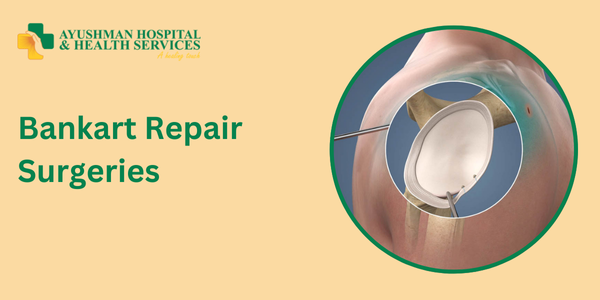
Shoulder replacement surgery in Ayushman Hospital

Shoulder replacement surgery, also known as shoulder arthroplasty, is a medical procedure designed to alleviate pain and restore function in the shoulder joint. This surgery involves replacing damaged parts of the shoulder with artificial components, known as prostheses. It’s commonly recommended for individuals suffering from severe shoulder pain or dysfunction that hasn’t responded to other treatments.

Understanding the Shoulder Joint

The shoulder is a ball-and-socket joint, providing a wide range of motion. It consists of the upper arm bone (humerus) with a rounded head (the ball) that fits into a shallow socket in the shoulder blade (scapula) called the glenoid. This structure allows for versatile arm movements. However, due to its flexibility, the shoulder is susceptible to injuries and degenerative conditions.

When Is Shoulder Replacement Surgery Needed?

Several conditions can damage the shoulder joint, leading to the need for replacement surgery:

  • Osteoarthritis: A degenerative joint disease causing the cartilage to wear away, leading to pain and stiffness.
  • Rheumatoid Arthritis: An autoimmune disorder causing inflammation in the joint lining, resulting in pain and swelling.
  • Post-Traumatic Arthritis: Arthritis developing after a serious shoulder injury, such as a fracture or dislocation.
  • Rotator Cuff Tear Arthropathy: Severe arthritis resulting from a long-standing rotator cuff tear.
  • Avascular Necrosis: A condition where the blood supply to the head of the humerus is disrupted, causing bone death and joint damage.
  • Severe Fractures: Complex shoulder fractures that are difficult to repair may necessitate replacement.

Doctors typically recommend shoulder replacement surgery when these conditions cause significant pain or limit daily activities, and when non-surgical treatments like medications and physical therapy haven’t provided relief.

Types of Shoulder Replacement Surgeries

There are different types of shoulder replacement surgeries, tailored to the specific condition of the patient:

  1. Total Shoulder Replacement (Anatomic Shoulder Arthroplasty): This involves replacing both the ball and the socket with prosthetic components. The damaged humeral head is replaced with a metal ball, and the glenoid cavity is fitted with a plastic socket. This type is suitable for patients with intact rotator cuff tendons.
  2. Partial Shoulder Replacement (Hemiarthroplasty): Only the humeral head (the ball) is replaced in this procedure. It’s often recommended when the glenoid cavity is healthy, but the humeral head is damaged.
  3. Reverse Total Shoulder Replacement: In this surgery, the positions of the ball and socket are switched—a metal ball is attached to the shoulder blade, and a plastic socket is placed on the humerus. This design allows other muscles to compensate for a deficient rotator cuff, making it suitable for patients with severe rotator cuff tears or cuff tear arthropathy.

The Surgical Procedure

Shoulder replacement surgery generally involves the following steps:

  1. Anesthesia: The patient is given general anesthesia to ensure they are asleep and pain-free during the procedure.
  2. Incision: A surgeon makes an incision over the shoulder to access the joint.
  3. Removal of Damaged Tissue: The damaged portions of the humerus and, if necessary, the glenoid are removed.
  4. Implant Placement: The prosthetic components are inserted. The humeral component is typically a metal ball attached to a stem that fits into the humerus. The glenoid component is a plastic socket that is cemented or pressed into place.
  5. Closure: The incision is closed with sutures, and the shoulder is bandaged.

The surgery usually takes about two hours, but this can vary based on the complexity of the case.

Recovery and Rehabilitation

Recovery from shoulder replacement surgery involves several stages:

  1. Hospital Stay: Patients typically stay in the hospital for one to three days post-surgery. During this time, pain is managed with medications, and the medical team monitors for any complications.
  2. Immobilization: The arm is placed in a sling to keep the shoulder immobilized and allow initial healing.
  3. Physical Therapy: Rehabilitation begins with gentle exercises to improve range of motion, gradually progressing to strengthening exercises. A physical therapist guides this process, which is crucial for a successful recovery.
  4. Home Care: Patients are advised on how to care for their shoulder at home, including wound care, activity restrictions, and exercises.

Full recovery can take several months, and adherence to the rehabilitation program significantly influences the outcome.

Potential Risks and Complications

As with any surgery, shoulder replacement carries potential risks:

  • Infection: There’s a risk of infection at the incision site or deep within the joint.
  • Blood Clots: Clots can form in the veins of the arm, potentially leading to complications.
  • Prosthesis Problems: The artificial components can wear down or become loose over time.
  • Nerve Injury: Nerves around the shoulder can be damaged during surgery, leading to numbness or weakness.
  • Dislocation: The ball of the prosthesis can come out of the socket.

Discussing these risks with the surgical team helps patients make informed decisions and take steps to minimize potential complications.

Success Rates and Benefits

Shoulder replacement surgery has a high success rate. Many patients experience significant pain relief and improved shoulder function, enabling them to return to daily activities they previously found difficult. Studies have shown that approximately 95% of patients have pain-free function one year after surgery.

🌐 Visit: www.ayushmanhhs.in

Would you like more information on cost estimates, insurance coverage, or rehabilitation programs?

Elbow Replacement Surgery by Dr. Raj Kumar

Understanding Elbow Replacement Surgery

Elbow replacement surgery, also known as elbow arthroplasty, is a medical procedure where a damaged elbow joint is replaced with an artificial implant. This surgery aims to relieve pain and restore function in the elbow, especially when other treatments haven’t worked.

Anatomy of the Elbow

To understand elbow replacement, it’s helpful to know how the elbow works. The elbow is a hinge joint made up of three bones:

  • Humerus: The upper arm bone.
  • Ulna: The larger bone in the forearm, located on the side of the little finger.
  • Radius: The smaller bone in the forearm, on the side of the thumb.

These bones are connected by muscles, ligaments, and tendons, allowing the arm to bend, straighten, and rotate.

Reasons for Elbow Replacement Surgery

Several conditions can damage the elbow joint, leading doctors to consider replacement surgery:

  • Rheumatoid Arthritis: A disease where the body’s immune system attacks its own tissues, causing joint pain and damage.
  • Osteoarthritis: Wear-and-tear damage to the joint’s cartilage over time.
  • Severe Fractures: Bad breaks in the elbow bones that can’t be fixed with other methods.
  • Tumors: Abnormal growths in or around the elbow joint.
  • Stiffness: When the elbow becomes so stiff that it’s hard to move.

When these conditions cause severe pain or limit daily activities, and other treatments don’t help, elbow replacement might be an option.

Types of Elbow Replacement

There are different types of elbow replacement surgeries:

  • Total Elbow Replacement: The entire elbow joint is replaced with artificial parts. This is common when the whole joint is damaged.
  • Partial Elbow Replacement: Only a part of the elbow joint is replaced. This is less common and usually done when only one part of the joint is damaged.

The artificial elbow joint typically consists of metal and plastic parts that mimic the natural movement of the elbow.

The Surgical Procedure

Here’s what happens during elbow replacement surgery:

  • Anaesthesia: You’ll receive medicine to make you sleep and not feel pain during the operation.
  • Incision: The surgeon makes a cut on the back of your elbow to access the joint.
  • Removing Damaged Tissue: The damaged parts of the elbow joint are taken out.
  • Placing the Implant: The new artificial joint is inserted into the bones. These parts are often held in place with a special cement.
  • Closing the Incision: The surgeon stitches the cut closed and may place a bandage over it.

The surgery usually takes about 1 to 2 hours.

Recovery After Surgery

Recovery from elbow replacement surgery involves several steps:

  • Hospital Stay: Most people stay in the hospital for 1 to 2 days after the surgery.
  • Immobilization: Your arm may be placed in a splint to keep it still and help it heal.
  • Physical Therapy: Once the initial healing begins, exercises help restore movement and strength to the elbow.
  • Home Care: You’ll need to keep the surgical area clean and dry. Follow your doctor’s instructions on caring for the incision.

Full recovery can take several months. It’s important to follow your healthcare team’s advice to ensure the best outcome.

Risks and Complications

As with any surgery, elbow replacement has potential risks:

  • Infection: Germs can enter the wound and cause infection.
  • Implant Problems: The artificial joint might wear out or become loose over time.
  • Nerve Injury: Nerves around the elbow could be damaged during surgery.
  • Blood Clots: Clots can form in the veins after surgery, which can be serious.

Discuss these risks with your doctor to understand how they apply to you.

Benefits of Elbow Replacement

When successful, elbow replacement surgery can:

  • Reduce or Eliminate Pain: Many people experience significant pain relief.
  • Improve Movement: The new joint can help you move your arm more easily.
  • Enhance Quality of Life: With less pain and better movement, daily activities become easier.

Alternatives to Surgery

Before deciding on surgery, doctors often try other treatments:

  • Medications: Drugs to reduce pain and inflammation.
  • Physical Therapy: Exercises to strengthen the muscles around the elbow.
  • Injections: Medicines injected into the joint to reduce pain.
  • Lifestyle Changes: Modifying activities to lessen stress on the elbow.

If these treatments don’t provide relief, surgery might be considered.

Conclusion

Elbow replacement surgery is a significant procedure that can offer relief from pain and improved function for those with severe elbow joint problems. It’s essential to discuss with your healthcare provider to determine if this surgery is the right option for you. Always follow medical advice and attend all follow-up appointments to ensure the best recovery possible.


🌐 Visit: www.ayushmanhhs.in

Would you like more information on cost estimates, insurance coverage, or rehabilitation programs?