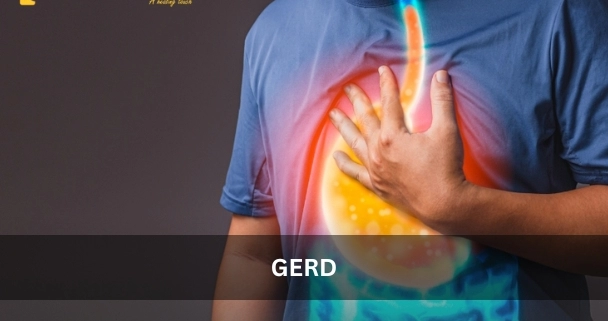
Gastroesophageal Reflux Disease (GERD) is a chronic, extremely common digestive disorder caused by the weakening of the Lower Esophageal Sphincter (LES), in which the contents of the stomach, especially acid or bile, frequently flow backward into the esophagus. It’s a tube connecting the throat and stomach. It irritates the esophageal lining, causing heartburn, chest pain, regurgitation, and difficulty swallowing.

Choose Gastroesophageal Reflux Disease (GERD) treatment in Dwarka, Delhi from Ayushman Hospital Health Services. At our hospital, we have highly qualified gastroenterologists and laparoscopic surgeons, evidence-based protocols, and personalized treatment plans that include lifestyle guidance and medical therapy for advanced treatment of acid reflux or GERD.

Acid reflux twice a week is often considered GERD, a long-term condition that often requires medical management. In India, the same problem is commonly called acidity, heartburn, gas problem, or gastric problems. 

What is Acid Reflux or GERD?

Acid reflux occurs when stomach acid travels into the esophagus. GERD is a serious and chronic condition where acid reflux happens more often. Most people experience acid reflux occasionally, like after a heavy meal or if they lie down after eating. However, when this becomes a routine (especially with multiple symptoms and impact on your lifestyle), it is called GERD.

GERD cannot be taken lightly as it can lead to nutritional deficiencies, poor quality sleep, work efficiency loss, mental stress, and serious complications like Barrett’s esophagus or esophageal strictures.

Symptoms of GERD

  • A burning feeling in the chest that worsens after eating food.
  • A sour or bitter-tasting fluid rises into the mouth after eating meals.
  • Discomfort or pain in the middle of the chest.
  • Persistent cough or throat irritation triggered by acidity.
  • Enamel damage from repeated exposure to regurgitated stomach acid coming to the mouth.
  • Sensation of a fluttering heartbeat due to severe acid reflux.
  • Unintentional weight loss and fatigue caused by reduced appetite.

Gastroesophageal Reflux Disease Treatment Options

Management of GERD involves a combination of lifestyle modifications and medications to help manage symptoms. Lifestyle modifications such as eating smaller, more frequent meals, avoiding spicy, fatty foods, and maintaining a healthy weight are often recommended. Management of stress, quitting smoking, and alcohol are also recommended.

  1. Medications for GERD

Medications such as omeprazole or pantoprazole and antacids like Digene are prescribed for 4–6 weeks or whenever necessary if lifestyle methods simply fail or do not work. While many patients respond well, those with persistent or severe GERD may require long-term medications, further tests, or even surgery.

  1. Surgical Treatment of GERD

For chronic and treatment-resistant GERD, surgical options such as laparoscopic fundoplication are considered. For GERD management and treatment, one needs to visit an accurate diagnosis center for such advanced or surgical cases.

Why Choose Ayushman for Advanced Gastroesophageal Reflux Disease (GERD) Treatment in Dwarka, Delhi?

Struggling with frequent acidity, heartburn, or acid reflux after meals? You might be dealing with GERD. At Ayushman Hospital and Health Services, we provide top-class surgical and non-surgical treatments and specialized care for GERD using the latest diagnostic tools and treatment protocols. Here’s why we are trusted for GERD treatment in Dwarka:

  • Reflux-focused gastroenterologists with surgical expertise
  • Endoscopy, pH monitoring, and manometry diagnostics
  • Diet, lifestyle, and medication GERD plans
  • Recovery support with diet and rehab

Book Your Consultation for Expert GERD Treatment Today!

Do you have persistent heartburn, chronic cough, hoarseness, or chest discomfort after meals? Acid Reflux and GERD can be the reason. At Ayushman Hospital and Health Services, Dwarka, we offer expert consultation, treatment, and care for Gastroesophageal Reflux Disease.

Take the first step toward comfort and wellness. Book your GERD consultation today with trusted doctors and surgeons at Ayushman.
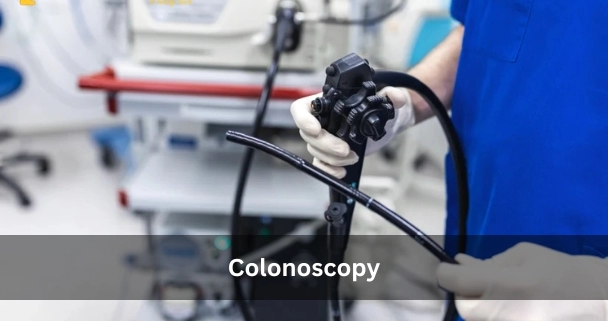
A colonoscopy is a diagnostic, therapeutic, or preventive procedure that allows doctors to detect diseases inside the colon, large intestine, or rectum. It is done using a long, flexible tube called a colonoscope, with attached light and a tiny camera. The camera is used to take pictures and display video on a monitor, and to detect polyps, ulcers, tumors, or inflammation, if any. It can also help to treat a few issues with the help of the specialized instruments attached to the scope.

Choose a colonoscopy procedure in Dwarka, Delhi, for the most trustworthy colonoscopy treatment in the city. At Ayushman Hospital and Health Services, we have highly experienced gastroenterologists and colorectal surgeons trained in treating diseases of the colon, rectum, and anus. At our hospital, we combine specialist expertise, cutting-edge technology, and compassionate care to offer a safe, accurate, and comfortable colonoscopy experience.

Why Is Colonoscopy Performed?

  • Detects and treats colorectal cancer, ulcers, inflamed tissues, and bleeding lesions.
  • Diagnose digestive issues like diverticulosis, diverticulitis, strictures, GI perforations, or large bowel obstructions.
  • Investigate unexplained symptoms for rectal bleeding, chronic diarrhea, or rapid weight loss.
  • Monitor high-risk patients with a history of polyps, cancer, IBD, or genetic syndromes like Lynch or FAP.
  • Recommended for individuals aged 45+ and those with added risks like obesity, smoking, or heavy alcohol use.

Types of Colonoscopy

  1. Traditional Colonoscopy

In a traditional colonoscopy, a doctor inserts a long, flexible tube through the rectum to examine the colon. The images help observe the inner lining of the colon, detect abnormalities like polyps, and remove them.

  1. Virtual Colonoscopy (CT Colonography)

In virtual colonoscopy, air or carbon dioxide is pumped into the colon through a small tube for better visibility of the rectum. No scope is inserted into the colon in virtual colonoscopy.

  1. Screening Colonoscopy

A screening colonoscopy is for people aged 45 and older. Done on patients with no symptoms, it helps detect silent colorectal cancer or precancerous polyps. The test is preventive and can be repeated every 10 years.

  1. Diagnostic Colonoscopy

If symptoms are already present, the doctor needs to investigate the signs and determine their cause. The procedure involves visual inspection, and if abnormalities such as ulcers or polyps are found, tissue samples (biopsies) may be taken immediately.

Procedure of Colonoscopy at Ayushman

Step 1: Sedation or Anesthesia

The patient is given moderate sedation or deep sedation, whichever best suits the patient’s needs.

Step 2: Positioning

The patient is asked to lie down on the left side, and the knees are pulled toward the chest to allow easier access to the rectum.

Step 3: Inserting the Colonoscope

The colonoscope is inserted through the anus; sometimes the scope also inflates the colon with air or CO₂.

Step 4: Visual Examination

The camera on the scope monitors for polyps, lesions, ulcers, or other abnormalities. It also treats minor abnormalities during the colonoscopy procedure.

Step 5: Tissue Sampling or Treatment

During the treatment, the doctor uses the scope to remove polyps, take biopsies, stop bleeding, and treat abnormal areas with laser, heat, or medicine.

Step 6: Withdrawal

The scope is withdrawn slowly. The actual procedure takes about 30–60 minutes and occurs in a hospital.

Why Choose Ayushman for Colonoscopy Procedure in Dwarka, Delhi?

Are you suffering from gastrointestinal issues? We recommend Ayushman Hospital and Health Services for the most trustworthy Colonoscopy Procedure in Dwarka, Delhi. We offer specialist expertise, cutting-edge technology, and compassionate care with board-certified gastroenterologists and an edge in performing diagnostic and therapeutic colonoscopies compared to other hospitals in Dwarka.

At our hospital, we ensure we provide you with clear guidance, transparent costs, and 24/7 support.

Book Your Consultation Today!

Don’t wait for symptoms to worsen. Colonoscopy helps identify cancer, polyps, IBD, and other serious issues. Book your consultation and screening process with us. Schedule your appointment now with us at Ayushman and take control of your digestive health.

Fatty Liver Disease: Causes, Symptoms, Diagnosis and Treatment

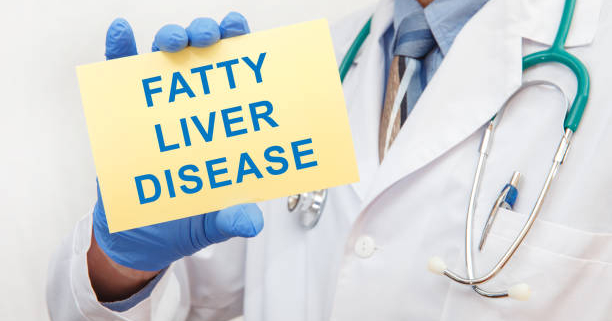
Fatty Liver Disease, also known as hepatic steatosis, is characterized by an abnormal accumulation of fat in liver cells. This condition has become a global health concern, with its prevalence soaring due to sedentary lifestyles, unhealthy diets, and an obesity epidemic. There are two main types of Fatty Liver Disease: alcoholic liver disease (caused by excessive alcohol consumption) and nonalcoholic fatty liver disease (NAFLD), which is unrelated to alcohol intake.

Causes of Fatty Liver Disease

  • Lifestyle Choices: Sedentary lifestyles and poor dietary habits are primary contributors to the rise of Fatty Liver Disease. Consuming high amounts of processed foods, sugary beverages, and saturated fats can overwhelm the liver’s ability to process and metabolize these substances.
  • Obesity: The relationship between obesity and Fatty Liver Disease is undeniable. Excess body weight, especially around the abdominal area, increases the risk of fat accumulation in the liver.
  • Genetic Factors: Some individuals may be genetically predisposed to Fatty Liver Disease, making them more susceptible even with a seemingly healthy lifestyle.

Symptoms of Fatty Liver Disease

One of the challenges with Fatty Liver Disease is its asymptomatic nature in the early stages. 

Nevertheless, as the ailment advances, individuals may experience:

  • Fatigue: A persistent feeling of tiredness can be a common symptom, often attributed to the liver’s compromised ability to function optimally.
  • Abdominal Discomfort: Discomfort or pain in the upper right side of the abdomen may signal liver inflammation.
  • Jaundice: In advanced stages, the skin and eyes may take on a yellowish hue due to impaired liver function.
  • Unexplained Weight Loss: Sudden and unexplained weight loss can indicate severe liver damage.

Diagnosing Fatty Liver Disease

Early detection of Fatty Liver Disease is crucial for effective management. Diagnosis typically involves a combination of:

  • Blood Tests: Liver function tests and blood lipid profiles help assess the liver’s health and lipid metabolism.
  • Imaging Studies: Ultrasound, CT scans, and MRI scans provide detailed images of the liver, aiding in the identification of fat accumulation and liver damage.
  • Liver Biopsy: In some cases, a small tissue sample from the liver may be extracted for closer examination under a microscope.
  • FibroScan: A non-invasive alternative to liver biopsy, FibroScan measures liver stiffness, providing insights into the degree of fibrosis.

Treatment for Fatty Liver Disease

While there is no one-size-fits-all approach to treating Fatty Liver Disease, lifestyle modifications form the cornerstone of management. Here’s a holistic view of potential treatment strategies:

  • Dietary Changes: Adopting a balanced and nutritious diet is paramount. Emphasize whole foods, fruits, vegetables, and lean proteins while reducing the intake of processed foods, sugars, and saturated fats.
  • Weight Management: Achieving and maintaining a healthy weight through regular exercise and portion control can significantly improve liver health.
  • Regular Exercise: Regular physical activity not only aids in weight management but also helps reduce insulin resistance, a key factor in Fatty Liver Disease.
  • Medications: In some cases, medications may be prescribed to manage underlying conditions such as diabetes, high blood pressure, or high cholesterol.
  • Supplements: Certain supplements, such as vitamin E and omega-3 fatty acids, have shown promise in improving liver health.

The Human Side of Fatty Liver Disease

Beyond the medical intricacies, Fatty Liver Disease touches lives in profound ways. Individuals grappling with this condition face emotional and social challenges. Support groups, counseling, and open conversations are invaluable in navigating the emotional landscape of chronic illness.

Conclusion

Fatty Liver Disease is not just a medical condition; it’s a wake-up call to reassess our lifestyles and prioritize our health. By understanding the causes, recognizing symptoms, seeking timely diagnosis, and adopting a multifaceted approach to treatment, we can empower ourselves and others to mitigate the impact of this prevalent and often underestimated condition.

In this journey towards liver health, finding the right medical partner is crucial. Ayushman Hospital stands as a beacon of hope and expertise in the field of liver care. Their commitment to patient-centric care and state-of-the-art facilities make them a trusted ally in the battle against Fatty Liver Disease.