
Diabetes is arguably the greatest health challenge in the world today, with over 500 million sufferers globally. In India alone, one in every 10 adults is estimated to have a type of diabetes; the majority of them without diagnosis and as a result, most are oblivious to the dangers that their disease will cause. Diabetes is a prevalent condition that must be continually monitored and managed, and it is through management and awareness that quality of life is enhanced.

We utilize our resources at Ayushman Hospital to empower individuals with the information, education, resources, and support that they require in order to lead healthy productive lives despite their diabetes diagnosis.

What is Diabetes?

Diabetes is a disease in which there is an elevated amount of blood glucose (sugar) in the body. Blood glucose will be high when an individual does not produce enough insulin (which is a hormone that assists in regulating blood sugar) or, the body is resistant to insulin and cannot make effective use of insulin.

There are 3 fundamental forms of diabetes:

Autoimmune-related diabetes – An autoimmune condition that leads to the pancreas being unable to produce little or no insulin.

Lifestyle diabetes – The most usual type of diabetes and is often related to lifestyle and genetic variables.  Insulin is resisted and/or a lack of production by the body.

Gestational Diabetes – Has arisen within pregnancy and has the ability to contribute to the future possibility of developing lifestyle diabetes.

Diabetes Symptoms

Some typical signs are:

  • Inability to pass water more than normal
  • Unusually intense thirst
  • Unusual weight loss
  • Weakeness
  • Blurring of vision
  • Wounds are slow to heal

Early detection and regular care will prevent issues such as heart disease, kidney damage, nerve complications, and vision impairment.

Diabetes Risk Factors

Genetics also plays a role, but the following lifestyle characteristics significantly increase the risk of diabetes:

  • Sedentary lifestyle
  • Unhealthy diet
  • Obesity
  • Smoking
  • High cholesterol or blood pressure

Ayushman Hospital’s endocrinology department provides you with a comprehensive understanding of your risk profile through screening and evaluation.

Diabetes Management

There are certain fundamentals in components that will form the foundation of your management of your Diabetes.

  • Daily monitoring of blood sugar levels
  • Healthy eating patterns with high fiber, lean protein, and complex carbohydrates
  • Daily exercise 5 days a week for a minimum of 30 minutes
  • Medications or insulin therapy as prescribed
  • Routine check-ups to look for potential complications

Ayushman Hospital’s comprehensive diabetes management program incorporates medical management (endocrinology), nutrition therapy, fitness (exercise) management, and mental health care, wherever appropriate, and is all delivered in one place.

Why Ayushman Hospital?

At Ayushman Hospital, we offer comprehensive patient-centered care. Our diabetes care team includes:

  • Endocrinologists and diabetologists
  • Individualized treatment plans
  • In-house pathology/lab services and diagnostic imaging
  • Dietary therapy by our registered dietitiansDiabetes
  • Education and support groups for patients and families
  • Diabetes-related emergencies and 24-hour availability.

FAQ

  1. How is genetic diabetes different from lifestyle-related diabetes?

Genetic diabetes typically begins at an early age and needs to be treated with insulin for life. Lifestyle diabetes typically begins later in life and can be controlled through diet and exercise, and/or drugs.

  1. What are the signs of diabetes?

Increased urination, excessive thirst, tiredness, blurred vision, and weight loss despite eating a normal diet.

  1. Can diabetes be cured?

It cannot be cured, but it can be managed very well with proper care and lifestyle.

  1. Can diabetes be prevented?

Yes, in most cases. Healthy eating, regular exercise, and a healthy body weight can prevent it.
Glycogen Storage Diseases

What are Glycogen Storage Diseases (GSDs)?

GSDs are a group of rare inherited metabolic disorders that affect the body’s ability to store and use glycogen, a complex sugar that serves as the primary source of energy.  These disorders arise due to enzyme deficiencies that hinder the normal breakdown or processing of glycogen. Consequently, individuals with GSDs experience difficulty maintaining normal blood sugar levels, leading to a variety of symptoms.

Types of Glycogen Storage Diseases

There are several types of GSDs, each classified by the specific enzyme deficiency. Some common types include:

  • Von Gierke disease (GSD I): This type is caused by a deficiency in the enzyme glucose-6-phosphatase, leading to low blood sugar (hypoglycemia) and an enlarged liver.
  • Pompe Disease (GSD II): Caused by a deficiency in acid alpha-glucosidase, resulting in glycogen accumulation primarily in muscles, causing muscle weakness.
  • Andersen’s Disease (GSD IV): This type involves a deficiency in the branching enzyme, leading to abnormal glycogen structure and accumulation in the liver and heart, causing liver damage (fibrosis and cirrhosis).
  • McArdle Disease (GSD V): Deficiency of the enzyme myophosphorylase, resulting in difficulty breaking down glycogen for energy in muscles, leading to exercise intolerance, muscle pain, and fatigue.
  • Hers Disease (GSD VI): Caused by a deficiency in liver phosphorylase, leading to abnormal glycogen breakdown and liver enlargement.
  • Tarui Disease (GSD VII): This type is characterized by a deficiency in phosphofructokinase, an enzyme crucial for energy production. It results in exercise intolerance, muscle pain, and abnormal glycogen accumulation in muscles.
  • Fanconi-Bickel Syndrome (GSD XI): Mutations in the gene responsible for the glucose transporter protein cause this type. It leads to glycogen and other substance accumulation in various tissues, causing liver and kidney problems, and affecting growth and development.

Symptoms of Glycogen Storage Disease

The signs and symptoms of GSDs vary depending on the specific type and the severity of the enzyme deficiency. However, some common symptoms include:

  • Hypoglycemia: Low blood sugar levels due to the inability to release stored glucose, leading to weakness, dizziness, and fatigue.
  • Enlarged Liver (Hepatomegaly): Accumulation of glycogen in the liver can cause it to enlarge.
  • Muscle Weakness: Difficulty performing physical activities due to impaired energy availability from glycogen stores in muscles.
  • Fatigue: Easy exhaustion during physical activity, often accompanied by muscle pain and cramping.
  • Enlarged Heart (Cardiomegaly): Some GSD types can affect the heart, leading to an enlarged heart or other heart problems.
  • Delayed Growth and Development: Children with GSDs may experience delays in growth, puberty, or overall development.
  • Breathing Difficulties: Certain GSD types can cause breathing problems due to muscle weakness affecting the chest muscles or respiratory function.

The severity and presentation of these symptoms can vary significantly based on the specific GSD type. If you experience any of these concerning signs or symptoms, it’s crucial to seek medical evaluation for a proper diagnosis and appropriate management plan.

Diagnosing Glycogen Storage Disease

The diagnostic process for GSDs typically involves a multi-step approach:

  1. Clinical Evaluation:  A doctor will begin by taking a detailed medical history and performing a physical examination to assess symptoms suggestive of GSDs.
  2. Laboratory Tests:  Blood tests are a cornerstone of GSD diagnosis.  These may include:
    • Blood Sugar Tests: Fasting and post-meal blood sugar levels are measured to identify abnormalities in blood sugar regulation.
    • Liver Function Tests (LFTs): These tests evaluate liver health and function, as GSDs often affect the liver.
    • Enzyme Assays: Enzyme assays are performed to pinpoint deficiencies in enzymes linked to glycogen metabolism.
  3. Genetic Testing:  This is a critical step for confirming the diagnosis of GSDs. It involves analyzing a DNA sample to identify specific genetic mutations linked to the suspected GSD subtype.
  4. Imaging Studies:
    • Ultrasound: Used to assess the size and condition of the liver.
    • MRI & CT Scans: These imaging techniques may be used to evaluate muscle health and detect any tissue abnormalities associated with certain GSDs.
  5. Biopsy (Continued):
    • Assessing Tissue Damage: Tissue samples are analyzed under a microscope to determine the extent of tissue abnormalities caused by GSD.
  6. Specialized Testing:  Depending on the suspected GSD type, additional specialized tests might be conducted to:
    • Evaluate enzyme activity related to glycogen metabolism.
    • Observe glycogen accumulation in specific tissues.

Treatment of Glycogen Storage Diseases

While there’s no cure for GSDs, various strategies can effectively manage the condition and improve quality of life:

  1. Dietary Modifications: A carefully planned diet is crucial in managing GSDs. This often involves:
    • Balanced Carbohydrate Intake: Patients are recommended to follow a diet with controlled carbohydrate intake to avoid blood sugar fluctuations.
    • Frequent Meals: Consuming smaller, frequent meals throughout the day helps maintain stable blood sugar levels.
    • Avoiding Fasting: Due to the risk of hypoglycemia, extended fasting periods are discouraged.
    • Dietary Supplements: In some cases, specific dietary supplements like cornstarch can provide a slow-release source of glucose and help prevent hypoglycemia.
  2. Medication: Based on the particular type of GSD and its related symptoms, medications might be recommended to address different facets of the condition.
    • For example, some patients with muscle-related GSDs may receive medications to address muscle weakness, while others might require medications to manage cardiac issues.
  3. Monitoring:  Regular monitoring of blood sugar levels, liver function, and overall health is essential for patients with GSDs. Frequent check-ups with healthcare professionals allow for early identification of any emerging complications or issues.
  4. Regulated Exercise: While exercise can be beneficial for individuals with GSDs, it requires careful management. Working with healthcare professionals, patients can develop an exercise plan that minimizes muscle-related symptoms and prevents exercise-induced complications.

Living with Glycogen Storage Diseases

Effective management of GSD necessitates tailored care, personalized treatment strategies, and continual assistance. If you or a loved one is affected by GSD,  seeking expert consultation and care from a team experienced in managing these conditions is paramount.  This team might include geneticists, metabolic experts, genetic counselors, and other healthcare professionals.  With proper management, individuals with GSDs can lead active and fulfilling lives.

Thyroid Disorders

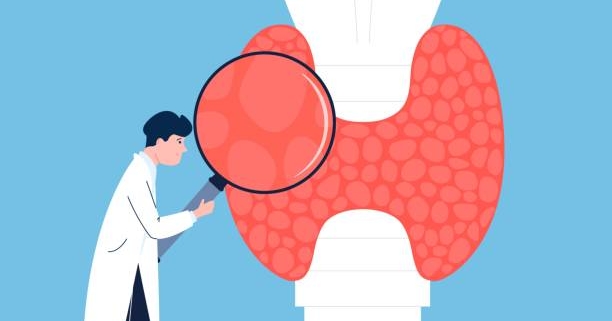
Situated in the anterior portion of the neck, the thyroid gland resembles a small butterfly and is responsible for synthesizing crucial hormones such as thyroxine (T4) and triiodothyronine (T3). These hormones play a pivotal role in regulating metabolic rate, energy levels, and overall growth and development. However, disruptions in the thyroid’s functionality can give rise to various issues. Delve into this in-depth discussion where we delve into the diverse types, symptoms, underlying causes, methods of diagnosis, and treatment options for thyroid disorders. Keep reading to learn more.

Common Thyroid Disorders

  • Hypothyroidism: Hypothyroidism occurs when the thyroid gland functions inadequately, leading to insufficient production of thyroid hormones.
  • Hyperthyroidism: This condition manifests when the thyroid gland becomes overly active, resulting in an excessive release of thyroid hormones.
  • Goitre: Characterized by the enlargement of the thyroid gland, goiter can develop due to both hypothyroidism and hyperthyroidism, or it may stem from iodine deficiency.
  • Thyroiditis: Thyroiditis refers to inflammation of the thyroid gland, which can occasionally be accompanied by pain.

Symptoms of Thyroid Disorders

Identifying the initial signs of thyroid disorders is crucial for prompt diagnosis and effective treatment. There are two primary categories of thyroid conditions, each characterized by distinct symptoms:

Symptoms of Hypothyroidism:

  • Fatigue or Exhaustion: Persistent tiredness not alleviated by rest.
  • Weight Gain: Gradual and unexplained increase in body weight, typically mild.
  • Dry, Coarse Hair: Changes in hair texture, often becoming dry and rough.
  • Hair Loss: Thinning or significant loss of hair.
  • Hoarse Voice: Alterations in voice tone and quality.
  • Heavy and Frequent Menstrual Periods: Irregularities in the menstrual cycle.
  • Sensitivity to Cold Temperature: Excessive cold sensation even in normal conditions.
  • Forgetfulness: Memory lapses and forgetfulness.

Symptoms of Hyperthyroidism:

  • Weight Loss: Rapid and unintentional loss of weight.
  • Muscle Weakness: Decreased strength and muscle tone.
  • Tremors or Trembling: Involuntary shaking or trembling of hands or other body parts.
  • Sleeplessness: Difficulty falling or staying asleep.
  • Anxiety and Nervousness: Excessive worry, anxiety, or nervousness.
  • Irregular Menstrual Periods or Absence of Periods: Changes in menstrual cycle.
  • Sensitivity to Hot Temperature: Excessive warmth, particularly in warm weather.
  • Irritation in the Eyes or Vision Problems: Eye-related symptoms, such as irritation or vision issues. In some cases, protrusion of the eyeball may occur.

Causes of Thyroid Disorders

Various factors affecting the thyroid gland’s function can lead to the development of hypothyroidism and hyperthyroidism.

Hypothyroidism

  • Thyroiditis: This condition involves inflammation or painful swelling of the thyroid gland. Following a phase of transient hyperthyroidism, it results in hypothyroidism.
  • Hashimoto’s Thyroiditis: The most common cause of hypothyroidism, Hashimoto’s thyroiditis is an autoimmune disorder where the body produces antibodies that damage the thyroid. It typically presents without pain.
  • Congenital Hypothyroidism: Occasionally, the thyroid gland fails to function properly from birth, affecting about 1 in 4,000 newborns. Timely treatment is crucial to prevent future physical and mental complications.

Hyperthyroidism

  • Graves’ Disease: Also known as diffuse toxic goiter, Graves’ disease leads to the entire thyroid gland becoming overactive, resulting in excessive hormone production.
  • Nodules: Hyperthyroidism can occur due to overactive nodules within the thyroid, which can be singular or multiple.
  • Thyroiditis: Whether symptomatic or asymptomatic, thyroiditis involves the release of stored hormones from the thyroid due to inflammation. It is typically temporary and may persist for weeks to months.
  • Excessive Iodine: Certain medications and food items containing excessive iodine can sometimes stimulate the thyroid to produce more hormones than necessary.

Diagnosing Thyroid Disorders

The diagnosis of thyroid disorders typically involves a series of steps, encompassing symptom assessment, physical examination, and specific diagnostic tests:

Medical History and Physical Examination: 

The physician will inquire about the patient’s symptoms, family history of thyroid or autoimmune conditions, and current medications. During the physical examination, they will evaluate the thyroid gland for enlargement, nodules, or tenderness. Additionally, they may assess heart rate, reflexes, and skin texture for indications of thyroid dysfunction.

Blood Tests:

Blood tests are fundamental in diagnosing thyroid diseases. Key blood tests include:

  • TSH Test (Thyroid Stimulating Hormone): This measures the level of TSH in the blood. Elevated TSH levels often indicate hypothyroidism, while low levels suggest hyperthyroidism. Normal levels vary based on age and other factors.
  • T4 Test: This assesses the level of thyroxine (T4) in the blood. Low T4 levels are indicative of hypothyroidism, whereas high levels may indicate hyperthyroidism.
  • T3 Test: Elevated T3 levels are typically observed in hyperthyroidism.
  • Thyroid Antibody Tests: These detect autoimmune thyroid disorders such as Hashimoto’s thyroiditis (for hypothyroidism) and Graves’ disease (for hyperthyroidism).

Imaging Tests:

Imaging tests can help identify thyroid nodules, enlargement, or structural alterations. These may include:

  • Ultrasound: This imaging technique is commonly employed to examine the thyroid gland’s structure and identify nodules or cysts.
  • Radioactive Iodine Uptake Test: This test measures the thyroid gland’s ability to absorb iodine from the blood, aiding in diagnosing hyperthyroidism and determining its underlying cause.

Fine-Needle Aspiration Biopsy:

If nodules are detected, a biopsy may be conducted to rule out cancer. This procedure involves extracting a small sample of cells from the thyroid nodule using a fine needle, which is then examined under a microscope.

Treatment of Thyroid Disorders

Treatment for thyroid gland disorders varies depending on the specific condition and its severity. Here’s an overview of treatments for common thyroid conditions:

Hypothyroidism:

  • Levothyroxine: This synthetic form of the thyroid hormone thyroxine (T4) is the most common treatment. Administered orally, it works by replenishing low hormone levels, thus alleviating symptoms. Dosage is carefully adjusted based on regular blood tests.
  • Regular Monitoring: Patients require regular blood tests to ensure that thyroid hormone levels remain within the target range and to adjust medication dosage as needed.

Hyperthyroidism:

  • Antithyroid Medications: Drugs such as methimazole or propylthiouracil (PTU) are commonly prescribed. They function by reducing thyroid hormone production.
  • Radioactive Iodine Therapy: This treatment involves the destruction of thyroid cells, thereby decreasing hormone production. It often results in hypothyroidism, necessitating lifelong thyroid hormone replacement.
  • Beta-Blockers: Although they do not directly impact thyroid hormone levels, beta-blockers can alleviate symptoms such as rapid heart rate, tremors, and anxiety in hyperthyroidism.
  • Surgery (Thyroidectomy): In certain cases, partial or total removal of the thyroid gland may be necessary. This procedure is typically performed for large goiters, thyroid cancers, or an overactive thyroid gland that cannot be effectively managed with medications or radioactive iodine. Thyroidectomy often leads to hypothyroidism, necessitating hormone replacement therapy.

Considerations for Lifestyle and Diet

Incorporating regular exercise and maintaining a nutritious diet is essential for overall health and can aid in symptom management.

It’s important to avoid overexposure to iodine, especially in cases of hyperthyroidism.

Regular follow-up appointments are crucial for individuals with thyroid conditions to assess the effectiveness of treatment and make any necessary adjustments.

Conclusion

Thyroid disease, characterized by diverse symptoms and causes, demands meticulous attention for successful management. Early diagnosis facilitated by blood tests, physical examinations, and imaging is paramount. Ayushman Hospital stands as a beacon of expert care, offering advanced diagnostic services for individuals concerned about their thyroid health. Our seasoned team of specialists is committed to providing tailored treatment strategies and unwavering support. Take charge of your thyroid health by reaching out to Ayushman Hospital. Schedule an appointment with our esteemed Thyroid Disorders Doctors today and rest assured that your condition will be managed with utmost care and expertise. Your well-being is our foremost priority.

How Does Sugar Affect Your Cholesterol

The impact of sugar on cholesterol levels is significant. Studies have shown that excessive sugar intake contributes to elevated cholesterol levels, particularly increasing markers associated with cardiovascular diseases. Consuming high amounts of added sugar has been linked to reduced levels of ‘good’ cholesterol, known as high-density lipoprotein (HDL). HDL plays a crucial role in transporting excess ‘bad’ cholesterol, or low-density lipoprotein (LDL), to the liver.

What To Know About Excess Intake of Sugar?

Added sugar refers to any caloric sweetener incorporated into processed or prepared foods. Besides elevating calorie intake, added sugar needs to be nutritional. It’s advised that women limit daily sugar consumption to 100 calories, while men should restrict it to 150 calories, equating to approximately 6 teaspoons for women and 9 teaspoons for men.

Both added sugars and simple carbohydrates are swiftly converted into sugar within the body. This encompasses not only desserts like cakes or cookies but also foods derived from refined grains, such as bread and white rice. Elevated blood sugar levels lead to increased cholesterol levels, notably very low-density lipoprotein (VLDL), and diminished levels of high-density lipoprotein (HDL). Prolonged high blood sugar can also inflict damage on arterial linings.

When ingested, carbohydrates are metabolized into sugar, prompting the body to release insulin to regulate blood sugar levels. Insulin, a crucial hormone, ensures sugar storage for future energy needs between meals. Over time, this mechanism stores sugar and shifts the body into a storage-oriented mode.

As blood sugar levels rise, HDL or “good” cholesterol levels decline, while levels of triglycerides, and fats associated with cardiovascular risks, escalate. Hence, a direct correlation exists between a person’s sugar intake and their HDL and triglyceride levels. Increased sugar consumption correlates with lower HDL and higher triglycerides.

Excessive consumption of added sugar not only triples the risk of low HDL levels but also serves as a significant risk factor for heart disease. While high cholesterol often evokes thoughts of foods rich in saturated or trans fats, they aren’t the sole contributors to elevated cholesterol levels that warrant attention.

Causes of Elevated Cholesterol Levels

Elevated cholesterol levels result in the accumulation of fatty deposits along the walls of blood vessels, gradually obstructing blood flow. In some instances, these deposits can rupture suddenly, forming clots that may trigger strokes or heart attacks.

While some individuals inherit high cholesterol, unhealthy lifestyles or dietary habits are primarily responsible in most cases. Therefore, adopting a healthy lifestyle comprising balanced eating habits, regular exercise, and, if necessary, appropriate medication is one of the most effective means to prevent high cholesterol.

Cholesterol, a waxy substance in the bloodstream, is essential for building healthy cells. However, elevated cholesterol levels increase the risk of heart disease and related complications. The majority of cholesterol in the body is produced internally rather than absorbed from the diet. Hence, managing cholesterol entails avoiding foods that stimulate the body’s cholesterol production rather than solely focusing on dietary cholesterol.

Cholesterol is transported in the blood bound to proteins, forming lipoproteins. These lipoprotein-protein complexes determine the different types of cholesterol present in the body:

Low-density lipoprotein (LDL), commonly referred to as “bad” cholesterol, carries cholesterol particles throughout the body. Accumulation of LDL cholesterol on arterial walls causes them to harden and narrow, impeding blood flow and potentially leading to severe complications.

High-density lipoprotein (HDL), known as “good” cholesterol, removes excess or unnecessary cholesterol from the body and transports it to the liver for elimination.

Symptoms of Cholesterol

While there isn’t a specific symptom directly correlating to blood cholesterol levels, high cholesterol can manifest through various related issues. These include angina (chest pain resulting from heart disease), stroke, hypertension, and circulatory disorders. Additionally, soft, yellowish skin growths known as lesions or xanthomas may suggest a genetic inclination toward cholesterol concerns. Individuals with diabetes or obesity are also prone to elevated cholesterol levels. Moreover, arteries impacted by high cholesterol can contribute to erectile dysfunction in men.

Prevention and Management

High cholesterol is manageable, and reducing it also decreases the risk of stroke and heart disease. Adults must undergo periodic cholesterol testing. If any issues arise, consulting a doctor for personalized strategies to regulate cholesterol levels is essential.

To lower cholesterol, it’s advisable to limit saturated fat intake to 5-6% of daily calorie consumption and minimize trans fat consumption. This involves reducing the intake of red meat and full-fat dairy products. Avoiding or minimizing fried foods and opting for cooking oils like vegetable oil is also recommended.

Adopting a heart-healthy diet rich in fruits, whole grains, vegetables, fish, nuts, and poultry while limiting sugary foods and beverages is beneficial. Such a diet also boosts fiber intake, which can lower cholesterol levels by nearly 10%.

Maintain Heart Health and Wellness

Leading a sedentary lifestyle diminishes HDL levels in the body, resulting in decreased “good” cholesterol available to remove “bad” cholesterol (LDL) from arteries.

Engaging in approximately 150 minutes of moderate-intensity aerobic exercises per week effectively regulates blood pressure and cholesterol levels. Activities such as swimming, brisk walking, dancing, and cycling are beneficial for achieving this goal.

Smoking diminishes HDL levels, exacerbating the risk of heart disease in individuals with unhealthy cholesterol levels. Quitting smoking can contribute to reducing cholesterol levels, while non-smokers should avoid exposure to second-hand smoke.

Obesity can elevate LDL levels and lower HDL levels. Consequently, weight loss can significantly improve cholesterol levels, with even a 10% reduction in weight making a notable difference.

Implementing behavioral changes can play a crucial role in maintaining healthy cholesterol levels. However, if lifestyle adjustments fail to yield significant improvements, medication may be prescribed to effectively manage cholesterol levels.

We receive and treat many patients for various complications at our orthopaedic hospital in Dwarka, and some of our best orthopaedic doctors in Dwarka tell each patient to spend some time under the sun.

You may be in need fo sunshine and if you are looking for arthritis or orthopaedic treatment in dwarka or Delhi, suffering knee pain during this winter; this article from one of the best arthritis doctors in Dwarka can help, you could also visit our orthopaedic centre in Dwarka.

Vitamin D is also called the “sunshine vitamin” as it is produced in your skin as a response to sunlight. This vitamin is fat soluble, and forms a group of compounds that also includes vitamin D-1, D-2, and D-3.

Our bodies produce vitamin D naturally!!

This happens when we are directly exposed to sunlight, we can also the same through some foods and supplements to make sure we have  adequate levels of the vitamin in our blood.

Vitamin D is very beneficial and serves many important functions but perhaps the most vital out of these is regulating how and if our bodies absorb calcium and phosphorus; this helps maintain a healthy and functioning immune system. Getting enough amounts of vitamin D is essential for the growth and development of our bones and teeth, as well as better immunity against certain diseases.

If our bodies don’t get enough vitamin D, we put ourselves at risk of developing bone related conditions like soft bones (osteomalacia) or fragile bones (osteoporosis).

Here are three rather surprising benefits of vitamin D you may not have expected.

  1. Vitamin D fights against disease

In addition to all the primary benefits, research has shown that vitamin D may be playing a considerable role in reducing risk of Multiple Sclerosis, decreasing the risk of developing heart conditions, reducing the chances of catching flu.

  1. Vitamin D can help with depression

Research has revealed vitamin D plays a considerable role in improving mood and fighting off depression, scientists have found that people with depression who were given vitamin D supplements noted a significant improvement in mood and feeling.

In a study on people with fibromyalgia, vitamin d deficiency was found and was more common in those people dealing with anxiety and depression.

  1. Vitamin D aids weight loss

You should I think of vitamin D supplements when you think of a healthy diet if you’re aiming to knock off a few kilograms or trying to gain some resistance, even if you’re turning to deal with conditions like heart disease. In a study between people trying to lose weight with and without vitamin D, those who took daily calcium and vitamin D supplements were able to lose more weight than those subjects who were on a placebo supplement. The scientists surmised that extra calcium and vitamin D had appetite-suppressing effects.

In other studies, overweight people who took daily vitamin D supplements lowered their risk of heart disease.

So call it the miracle vitamin or the miracle vitamin, just get that dose of vitamin D

Headaches are uncomfortable, painful, and can debilitate life, but in most cases you don’t need to worry about them. Most headaches do not occur due to serious problems or health conditions; did you know there are about 36 different kinds of headaches!?

However, sometimes pain caused due to  headaches may be a sign that something is not right. In case you or anyone you know are experiencing severe pain from headaches, this article could be helpful. In case they are unbearable, please feel free seek help from Dwarka’s best doctors for headaches; our neurologists at Dwarka’s best hospital for neurology, Ayushman Hospital, Dwarka.

Read more to know the signs and symptoms that will help you decide if and when you should worry about headaches.

Symptoms you should worry about

A headache will usually cause pain in your head, face, and neck area. Get medical assistance immediately if you experience severe, out of the ordinary pain.

These headaches may be a sign of underlying illness or a health condition.

Pain from headaches may be serious if you get:

  • completely sudden, and very intense and acute pain from a headache.
  • acute or sharp headache pains for the first time in your life.
  • a stiff neck along fever
  • a high fever more thanhigher than 102 degrees C.
  • nausea and vomiting.
  • dizzy, faint, or lose balance.
  • pressure in the back of your head.
  • pain that wakes you up.
  • blurred vision or see light around objects.
  • face tingling sensations that last long.
  • confused or find it difficult understanding speech
  • droopy on one side of your face
  • weak on one side of your body
  • slurred or garbled speech
  • walking difficulties
  • hearing trouble
  • muscle or joint ache
  • pain after coughing, sneezing, or any type of exertion
  • constant pain in the same area of your head
  • seizures
  • cold night sweats
  • sudden weight loss
  • swelling on your face or head
  • a bump or injury on your head
  • an animal bite anywhere on your body

Causes of serious headaches

Normal headaches will mostly be caused by dehydration, muscle tension, nerve pain, fever, caffeine withdrawal, drinking alcohol, or eating certain foods but it can also also happen as a result of toothache, hormonal changes, or pregnancy or a side effect of medication.

Migraine pain can come on without warning and can be severe and debilitating. If you have chronic migraine, talk to your doctor about treatment to help you manage this pain.

Headaches can be a symptom of some serious illnesses or health problems, including stroke, high blood pressure, infections in the brain, spinal cord or blood, cancer, tooth or gum infection, head injury and concussion. brain tumours or an aneurysm, haemorrhage in the brain.

So make sure you know the difference between normal and harmful headache pain, it could save your life.